

PayPal's Honey Under Fire: Lawsuits Allege It's a 'Scam' That Steals from Creators and Small Businesses
PayPal's Honey extension faces a firestorm of controversy and lawsuits from YouTubers over allegations it "steals" commissions and exploits businesses. We break down the accusations.
The Breakdown
PayPal's Honey, the widely popular browser extension celebrated for unearthing online coupon codes, is now at the center of a major controversy. A series of damning accusations, which include claims of siphoning money from content creators and exploiting small businesses, have culminated in class-action lawsuits from prominent YouTubers.
The Accusations: "Stealing Money from Influencers"
The scandal ignited after a deep-dive investigation by YouTuber MegaLag. In a 2024 video, he accused Honey of “stealing money from influencers” by exploiting a system called last-click attribution to swap its own tracking cookies for theirs at the last second. A follow-up video leveled even more serious allegations, claiming Honey:

- Targeted minors by sponsoring YouTubers with large, young audiences, like Mr Beast.
- Collected data on people who had never even signed up for its service.
- Exploited small businesses by using their private coupon codes, causing revenue loss, and then allegedly pressuring them to sign up as official partners.
PayPal's Defense and the Legal Fallout
In a statement following the first video, PayPal defended its subsidiary, stating that Honey follows “industry rules and practices” like last-click attribution. However, this explanation failed to appease creators who believe they've lost significant income. The backlash has now escalated to the legal system, with channels like Legal Eagle and GamersNexus leading a new class-action lawsuit against PayPal over its practices.
Authors
Related Articles
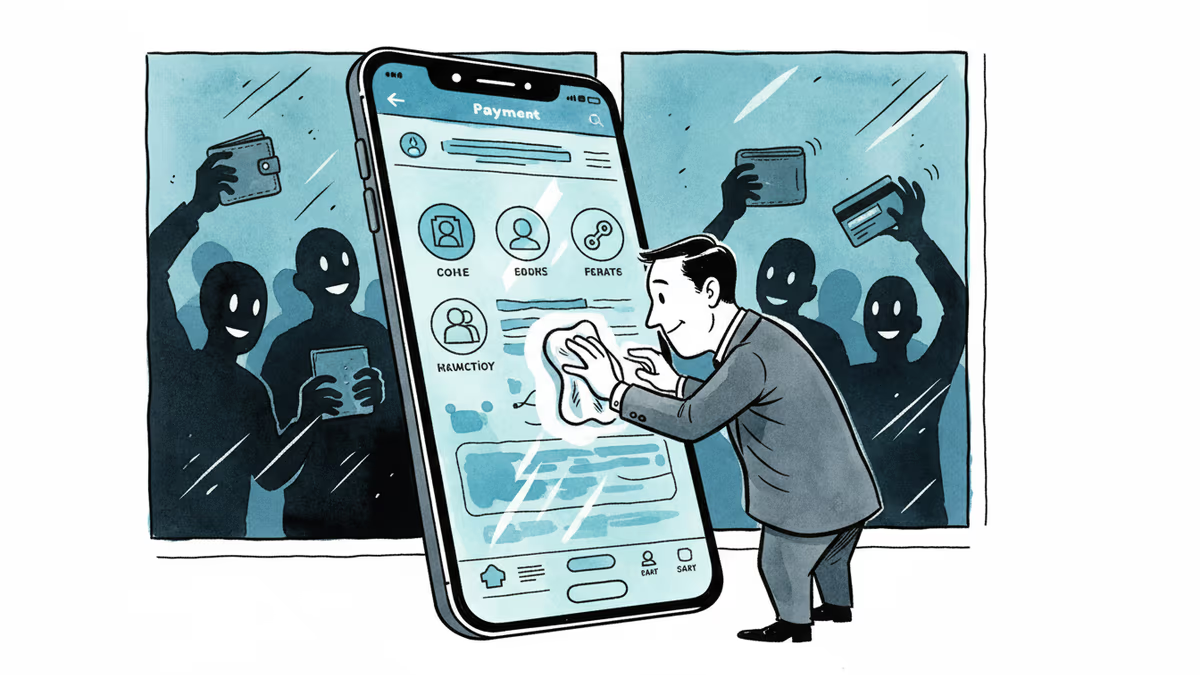
Venmo's biggest redesign since 2021 adds social features, personalized offers, and a revamped feed. But the timing — amid PayPal's restructuring and Stripe's reported interest — raises a harder question about who this update is really for.
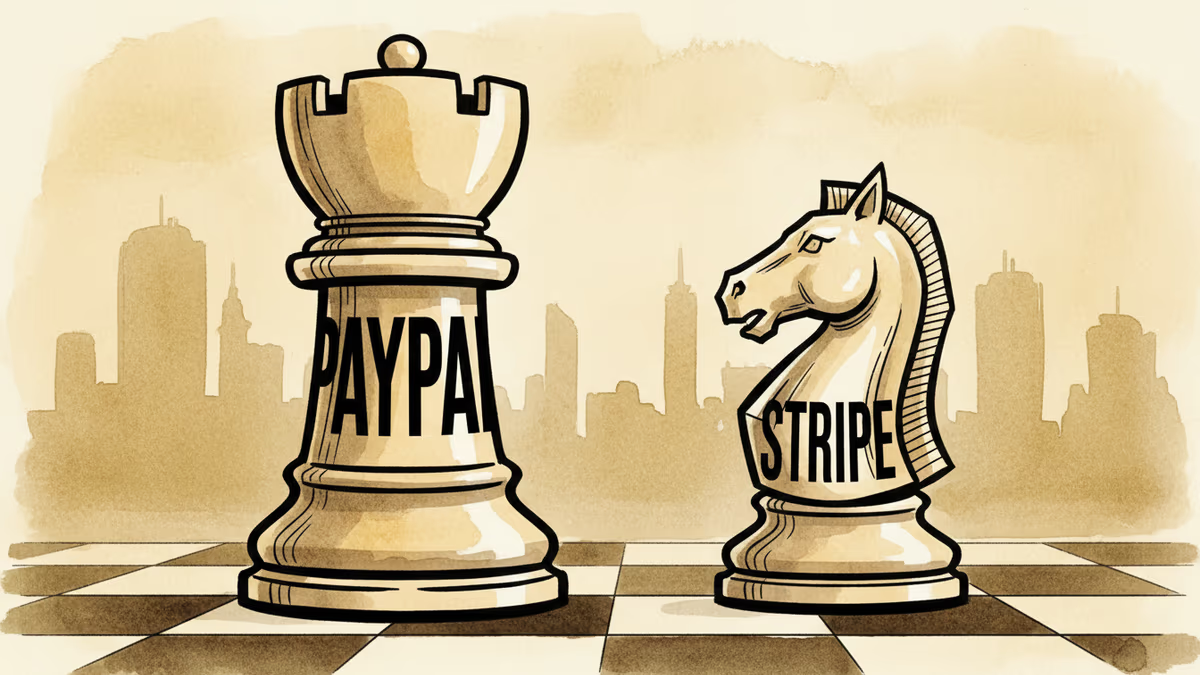
PayPal denies acquisition pursuit amid Stripe interest reports, revealing defensive preparations and new CEO transition in fintech power struggle
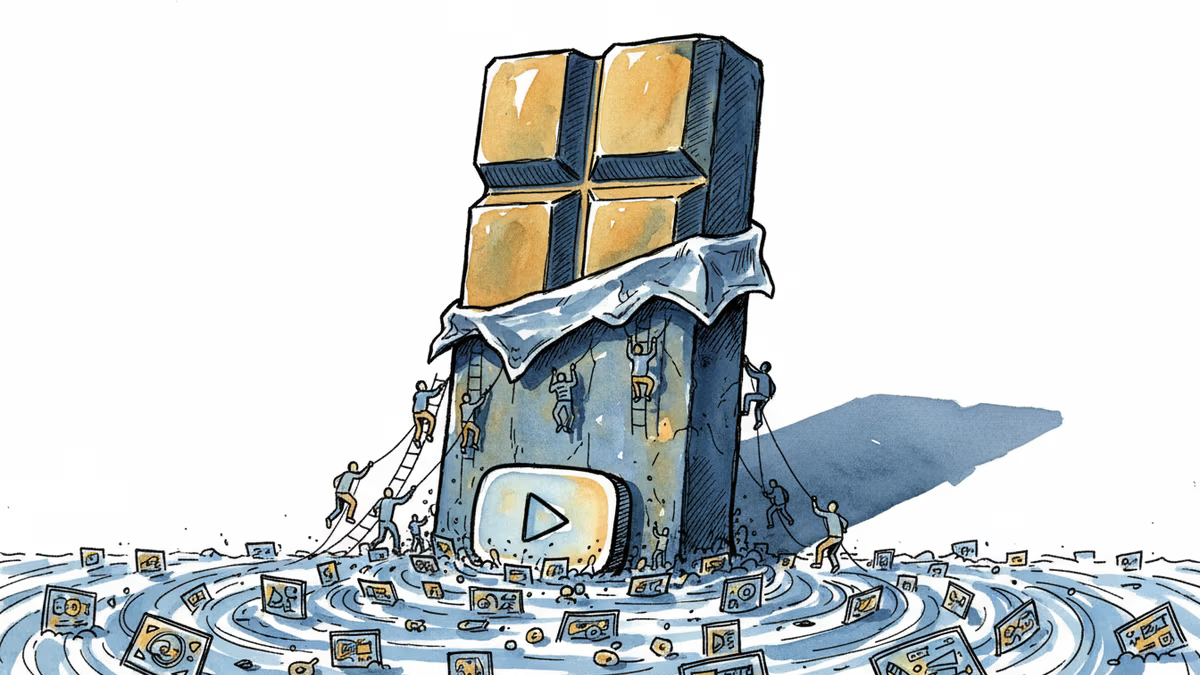
The world's biggest YouTuber lost money on media while his chocolate brand thrived. As AI floods the market with content, creators are scrambling to find new business models.
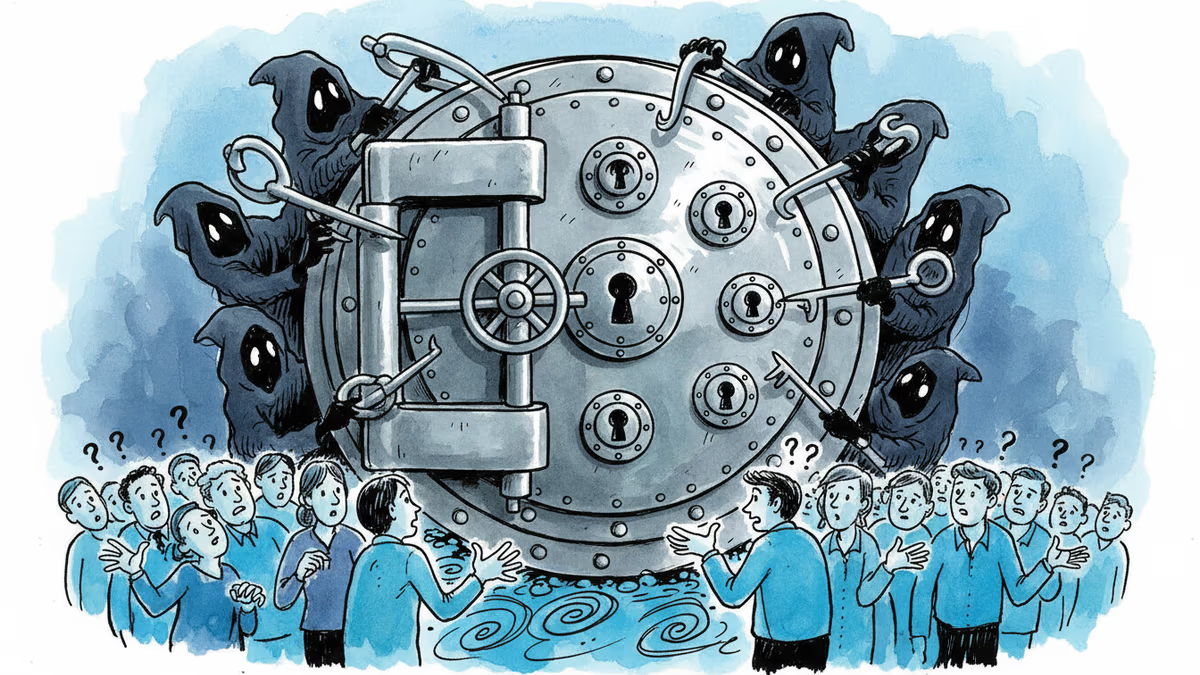
ETH Zurich researchers exposed critical flaws in major password managers' zero-knowledge claims, revealing that even security tools recommended by experts aren't bulletproof.
Venmo's biggest redesign since 2021 adds social features, personalized offers, and a revamped feed. But the timing — amid PayPal's restructuring and Stripe's reported interest — raises a harder question about who this update is really for.
PayPal denies acquisition pursuit amid Stripe interest reports, revealing defensive preparations and new CEO transition in fintech power struggle
The world's biggest YouTuber lost money on media while his chocolate brand thrived. As AI floods the market with content, creators are scrambling to find new business models.
ETH Zurich researchers exposed critical flaws in major password managers' zero-knowledge claims, revealing that even security tools recommended by experts aren't bulletproof.
Thoughts
Share your thoughts on this article
Sign in to join the conversation