
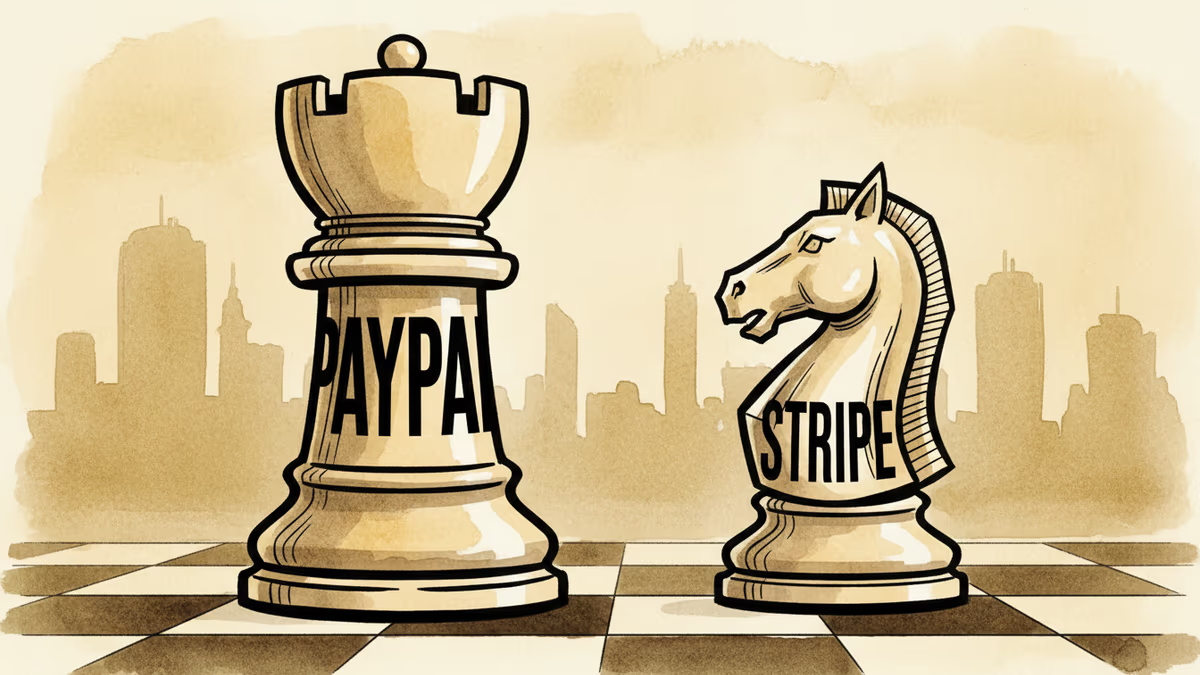
PayPal's Plot Twist: "We're Not for Sale" After Stripe Rumors
PayPal denies acquisition pursuit amid Stripe interest reports, revealing defensive preparations and new CEO transition in fintech power struggle
The $120 Billion Company That Refuses to Be Bought
Two days ago, PayPal was reportedly a takeover target. Today, it's playing defense—and going on offense. The payments giant has pushed back against reports that it's pursuing an acquisition, instead revealing it's been working with bankers to prepare for potential activist campaigns or hostile takeovers.
This isn't just corporate PR. Semafor's sources suggest PayPal has been quietly building defenses under ousted CEO Alex Chriss, with a new chief executive set to take the helm next week. The timing isn't coincidental—it's strategic.
When "For Sale" Becomes "Not Interested"
Earlier this week, Bloomberg reported that Stripe had expressed interest in acquiring some or all of PayPal Holdings, including its flagship product and Venmo. Stripe declined to comment, but the mere suggestion sent ripples through fintech circles.
PayPal's response reveals more than just defensive positioning. The company's stock has struggled, dropping 40% from its 52-week high, making it appear vulnerable to acquisition approaches. But vulnerability and availability are different things entirely.

The New CEO's First Test
The incoming CEO inherits a complex landscape. PayPal's traditional stronghold in consumer payments faces pressure from Apple Pay, Google Pay, and emerging competitors. Meanwhile, Stripe has carved out dominance in the B2B payments space, processing hundreds of billions in transactions for businesses worldwide.
This leadership transition coinciding with acquisition rumors creates an interesting dynamic. The new CEO must decide: double down on PayPal's consumer focus, or aggressively expand into enterprise territory where Stripe thrives.
The Bigger Fintech Chess Game
What's really happening here transcends a single acquisition rumor. The fintech industry is consolidating, with clear winners emerging in different segments. Stripe owns developer-friendly B2B payments. PayPal dominates consumer peer-to-peer transfers. Square (now Block) leads in small business solutions.
But these boundaries are blurring. Each player wants to expand beyond their core territory, creating inevitable conflicts. PayPal's defensive preparations suggest management believes the company is strong enough to remain independent—and perhaps acquire others instead.
Authors
Related Articles
Venmo's biggest redesign since 2021 adds social features, personalized offers, and a revamped feed. But the timing — amid PayPal's restructuring and Stripe's reported interest — raises a harder question about who this update is really for.
Despite fierce competition, the CEOs of Polymarket and Kalshi have co-invested in 5(c) Capital, a $35M VC fund targeting prediction market infrastructure. What this signals for the industry.
A class action lawsuit accuses Kalshi of changing payout rules after Iran's Supreme Leader Khamenei was killed. The case cuts to the heart of prediction market credibility.

A massive dispute over Iran's supreme leader prediction market exposes the dark side of betting on world events. How Kalshi's rule interpretation sparked trader revolt.
Venmo's biggest redesign since 2021 adds social features, personalized offers, and a revamped feed. But the timing — amid PayPal's restructuring and Stripe's reported interest — raises a harder question about who this update is really for.
Despite fierce competition, the CEOs of Polymarket and Kalshi have co-invested in 5(c) Capital, a $35M VC fund targeting prediction market infrastructure. What this signals for the industry.
A class action lawsuit accuses Kalshi of changing payout rules after Iran's Supreme Leader Khamenei was killed. The case cuts to the heart of prediction market credibility.
A massive dispute over Iran's supreme leader prediction market exposes the dark side of betting on world events. How Kalshi's rule interpretation sparked trader revolt.
Thoughts
Share your thoughts on this article
Sign in to join the conversation