
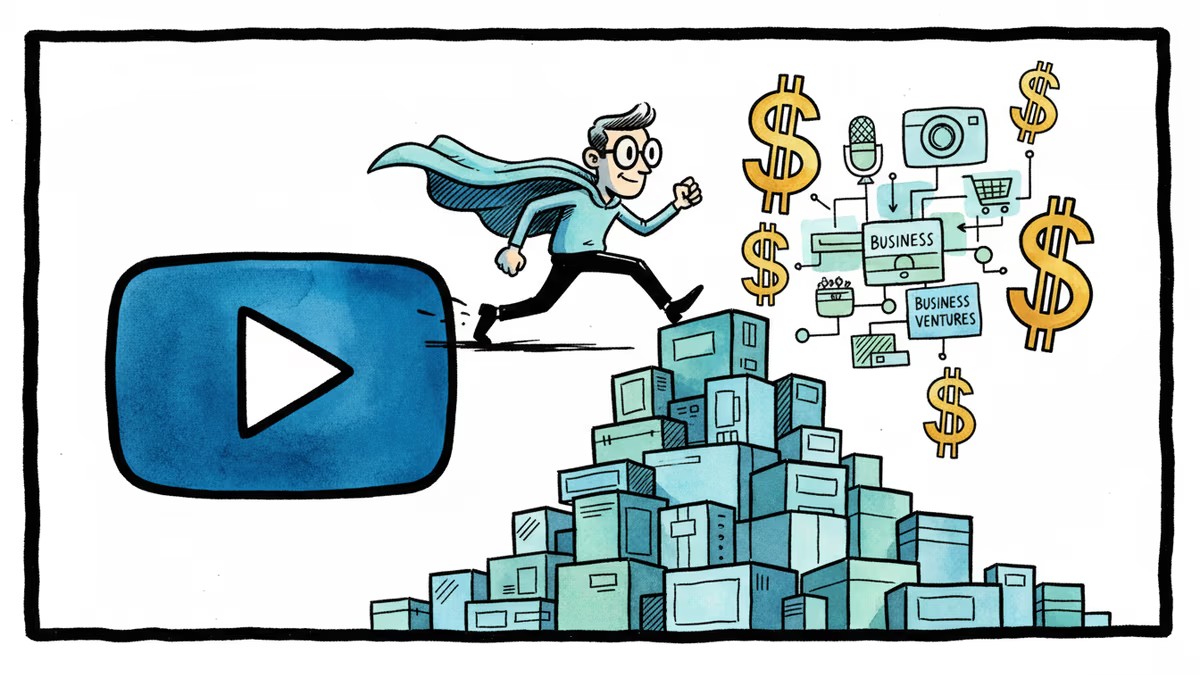
Why Creators Are Ditching Ad Revenue to Build Business Empires
MrBeast's chocolate business outearns his YouTube channel. Creators are evolving from content makers to entrepreneurs, fundamentally reshaping the creator economy beyond traditional advertising models.
$54 million. That's how much MrBeast's chocolate brand Feastables reportedly generated last year—more than his YouTube ad revenue. This isn't just one creator's success story. It's the blueprint for an entirely new creator economy.
The Ad Revenue Ceiling Is Real
Traditional advertising revenue has hit a wall for most creators. Algorithm changes can slash earnings by 50% overnight. Platform policy shifts can demonetize channels entirely. The smart money is moving elsewhere.
MrBeast didn't just diversify—he acquired fintech startup Step and built a chocolate empire that's outpacing his media business. But he's not alone. Creators across the spectrum are launching product lines, acquiring companies, and building actual business operations that exist independent of their content.
The New Playbook: Content as Customer Acquisition
What's happening is a fundamental shift in how creators think about their audience. Instead of monetizing attention through ads, they're using content as a customer acquisition channel for their own products and services.
This model has several advantages: higher margins, direct customer relationships, and immunity from platform algorithm changes. When YouTube tweaks its recommendation system, a creator's chocolate sales don't disappear.

Venture Capital Takes Notice
Investors are starting to see creators not as influencers, but as entrepreneurs with built-in customer validation. Why fund a traditional CPG startup when a creator with 10 million followers can launch a product with guaranteed initial demand?
The numbers back this up. Creator-led businesses often see faster customer acquisition and higher initial conversion rates than traditional startups. They're essentially launching with a pre-warmed audience.
The Platform Dilemma
This shift creates tension with platforms. YouTube, TikTok, and Instagram built their advertising businesses on keeping creators and audiences within their ecosystems. Now creators are using these platforms primarily as marketing channels for external businesses.
Platforms are responding by building more commerce features—YouTube Shopping, Instagram Creator Stores, TikTok Shop. They're trying to capture a piece of creator commerce rather than lose it entirely.
Not Everyone Can Be MrBeast
The reality is that this model works best for creators with massive, engaged audiences. Mid-tier creators face different challenges: limited resources for product development, supply chain complexity, and the risk of diluting their content focus.
There's also the sustainability question. Many creator businesses are heavily dependent on the founder's personal brand. What happens when the creator steps back? Can these businesses survive and thrive independently?
Authors
Related Articles
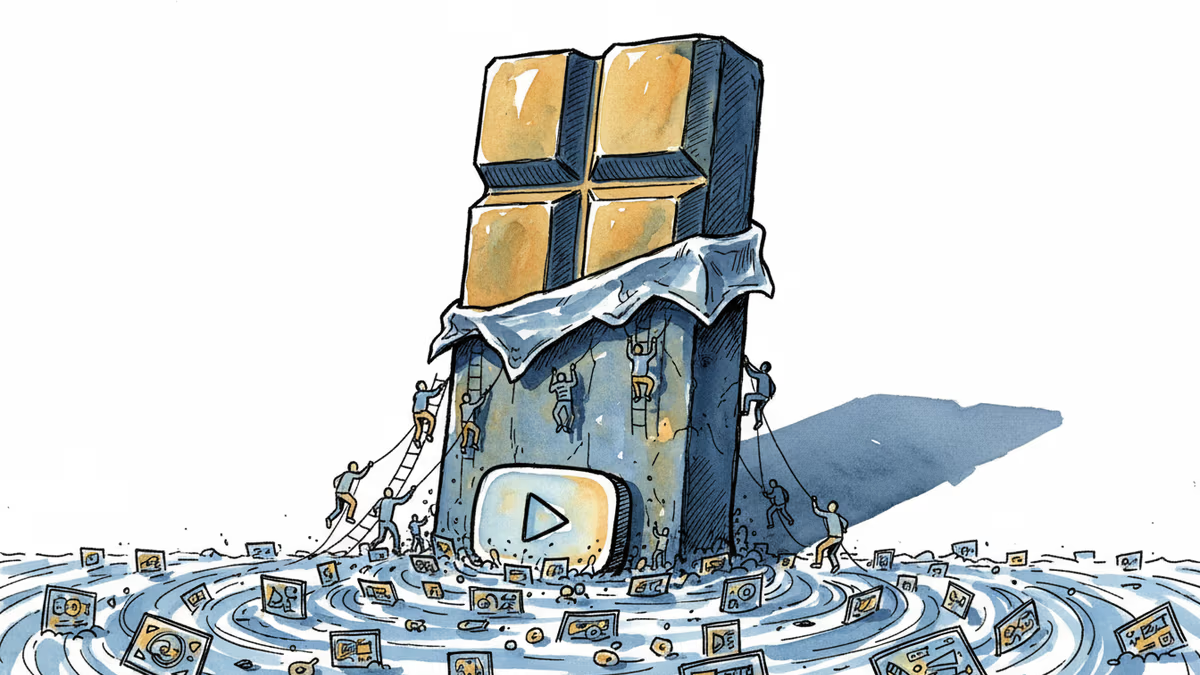
The world's biggest YouTuber lost money on media while his chocolate brand thrived. As AI floods the market with content, creators are scrambling to find new business models.
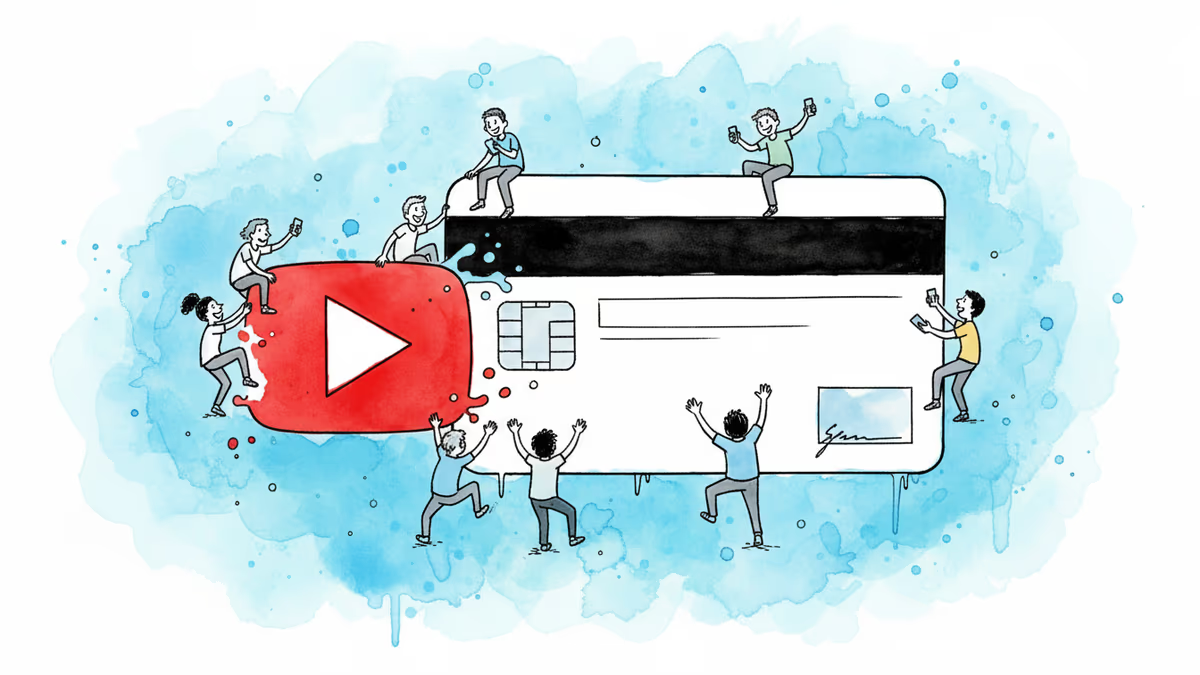
YouTube's biggest creator MrBeast acquires Gen Z fintech Step. Is this just business expansion or a paradigm shift in youth financial education?
PayPal's Honey extension faces a firestorm of controversy and lawsuits from YouTubers over allegations it "steals" commissions and exploits businesses. We break down the accusations.

A new Harvard/Columbia study proves niche content creators have more political sway than media giants. Discover the new rules of influence and power.
The world's biggest YouTuber lost money on media while his chocolate brand thrived. As AI floods the market with content, creators are scrambling to find new business models.
YouTube's biggest creator MrBeast acquires Gen Z fintech Step. Is this just business expansion or a paradigm shift in youth financial education?
PayPal's Honey extension faces a firestorm of controversy and lawsuits from YouTubers over allegations it "steals" commissions and exploits businesses. We break down the accusations.
A new Harvard/Columbia study proves niche content creators have more political sway than media giants. Discover the new rules of influence and power.
Thoughts
Share your thoughts on this article
Sign in to join the conversation