
When Big Brother Slides Into Your DMs
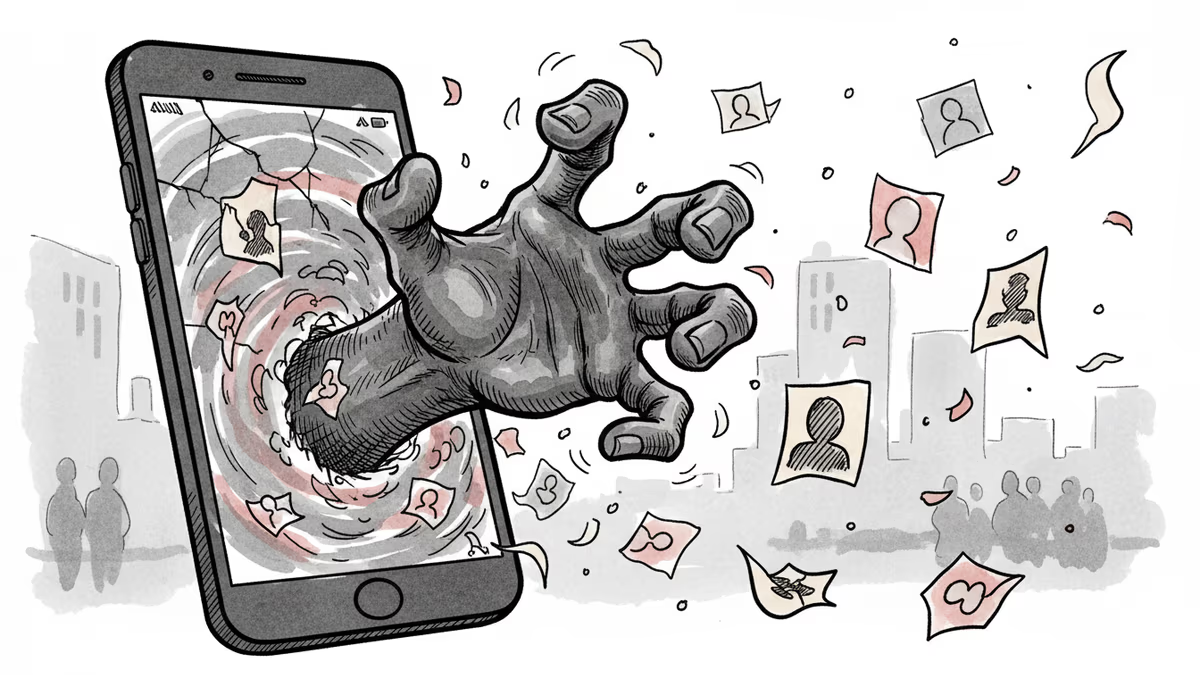
DHS sent hundreds of subpoenas to Google, Meta, Reddit to unmask anti-ICE accounts. No judge approval needed. Your anonymous criticism might not be so anonymous.
Hundreds of Subpoenas, Zero Judges
The Department of Homeland Security has been busy. In recent months, they've fired off hundreds of subpoenas to Google, Meta, Reddit, and Discord. Their mission? Unmask anonymous accounts that dared to criticize Immigration and Customs Enforcement (ICE) or shared locations of ICE agents.
Here's the kicker: these weren't court-ordered subpoenas requiring a judge's signature. They were administrative subpoenas — government fishing expeditions that bypass judicial oversight entirely. What was once a rarely-used tool has become DHS's go-to method for digital detective work.
The New York Times reports this practice has exploded in recent months. The Washington Post had already documented DHS's growing appetite for these judge-free data grabs targeting Americans. Bloomberg detailed five specific cases where DHS hunted down anonymous Instagram users, only to withdraw their subpoenas when the targets lawyered up.
Big Tech's Selective Compliance Dance
The platforms' response reveals a troubling pattern. Google, Meta, and Reddit complied in at least some cases, according to reports. Google's defense? They "inform users when possible" and push back against "overbroad" requests.
But here's what they're not telling you: the criteria for compliance versus resistance remains opaque. When does Google decide to protect your anonymity, and when do they hand over your data? Without transparent policies, users are left guessing whether their digital criticism will remain private or end up in a government file.

Meta has faced similar scrutiny before, famously clashing with the FBI over encrypted messaging. Yet they appear more willing to cooperate when it comes to unmasking critics of immigration enforcement. The inconsistency is striking.
The Chilling Effect in Real Time
This isn't just about data collection — it's about behavioral modification. When people know their anonymous accounts might be exposed, they self-censor. The mere possibility of government identification transforms free speech into calculated risk assessment.
Consider the accounts targeted: those criticizing ICE operations or sharing agent locations. These activities, while controversial, fall squarely within First Amendment protections. Yet the government's message is clear: criticize us anonymously, and we'll work to expose you.
Civil liberties advocates see this as a preview of broader government overreach. If DHS can unmask immigration critics today, what stops them from targeting environmental activists tomorrow? Or tax protesters? Or anyone whose anonymous speech the government finds inconvenient?
Tech Companies: Guardians or Gatekeepers?
The real power brokers here aren't government officials — they're Google, Meta, and Reddit executives making case-by-case decisions about user privacy. These companies hold more personal data than any government agency, and their cooperation policies effectively determine the boundaries of anonymous speech.
Discord, notably absent from compliance reports, has positioned itself as more privacy-focused than competitors. But as government pressure intensifies, will smaller platforms maintain stronger user protections, or will they follow Big Tech's lead?
The business incentives are complex. Refusing government requests invites regulatory scrutiny and potential legal battles. Complying too readily risks user trust and competitive disadvantage. Companies are threading a needle between user privacy and government appeasement.
Authors
Related Articles
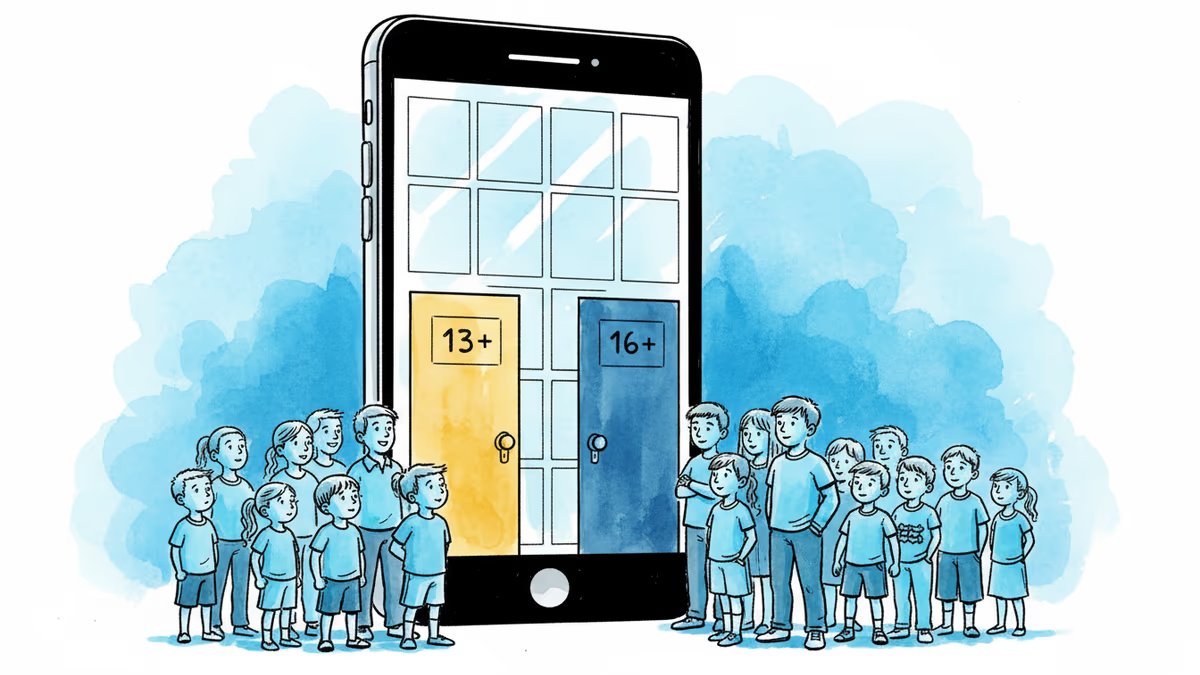
Indonesia introduces age-tiered social media restrictions, allowing 13+ for low-risk platforms and 16+ for high-risk ones. How does this compare to Australia's blanket ban?
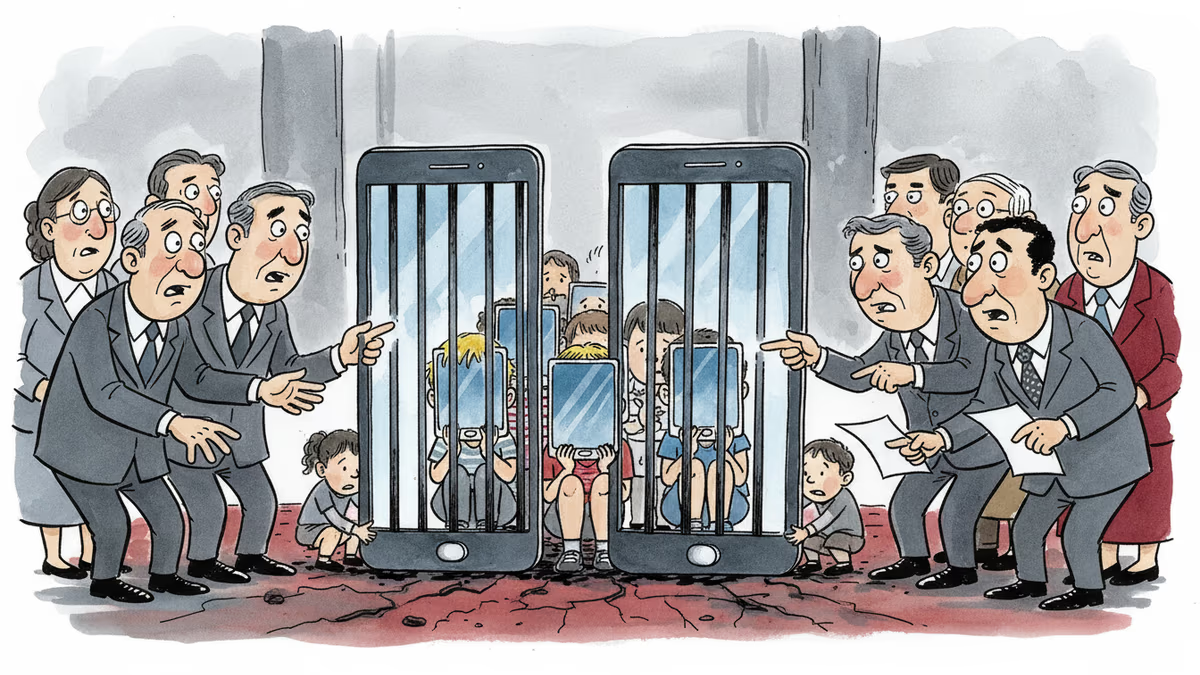
From Australia's $34M fines to France's parliamentary vote, 10 countries are restricting teen social media access. A global experiment in digital parenting begins.
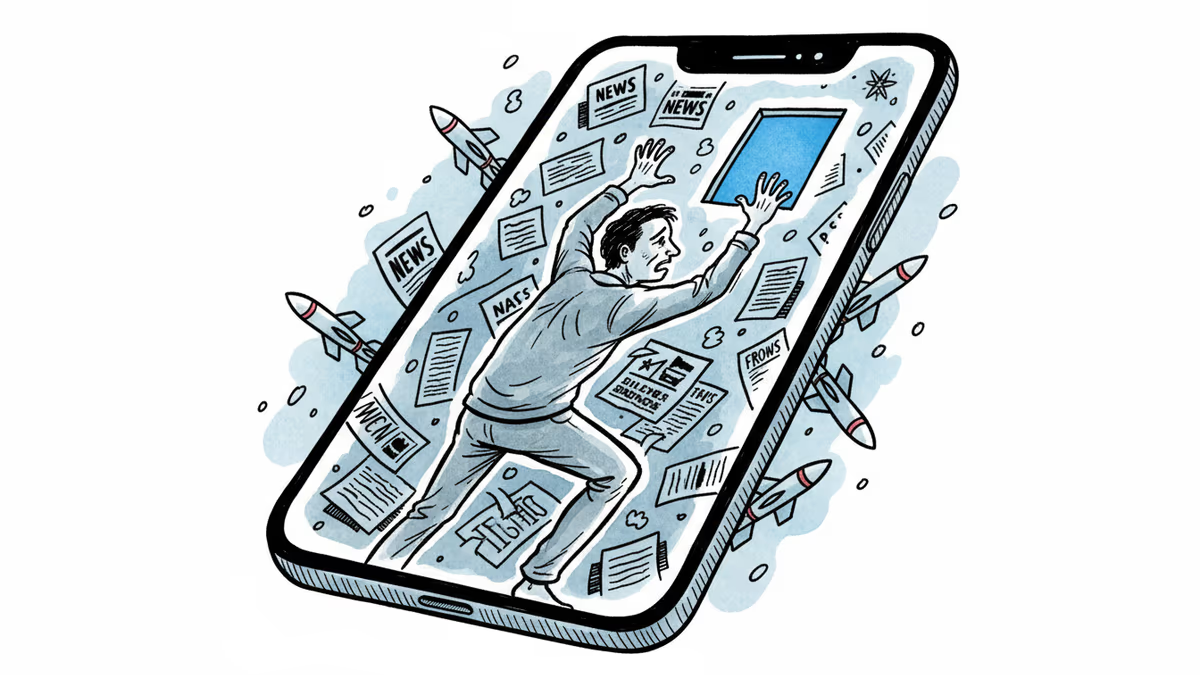
Middle East missile strikes trigger global doomscrolling epidemic. Neuroscience reveals why we can't stop scrolling through bad news and how to break free.
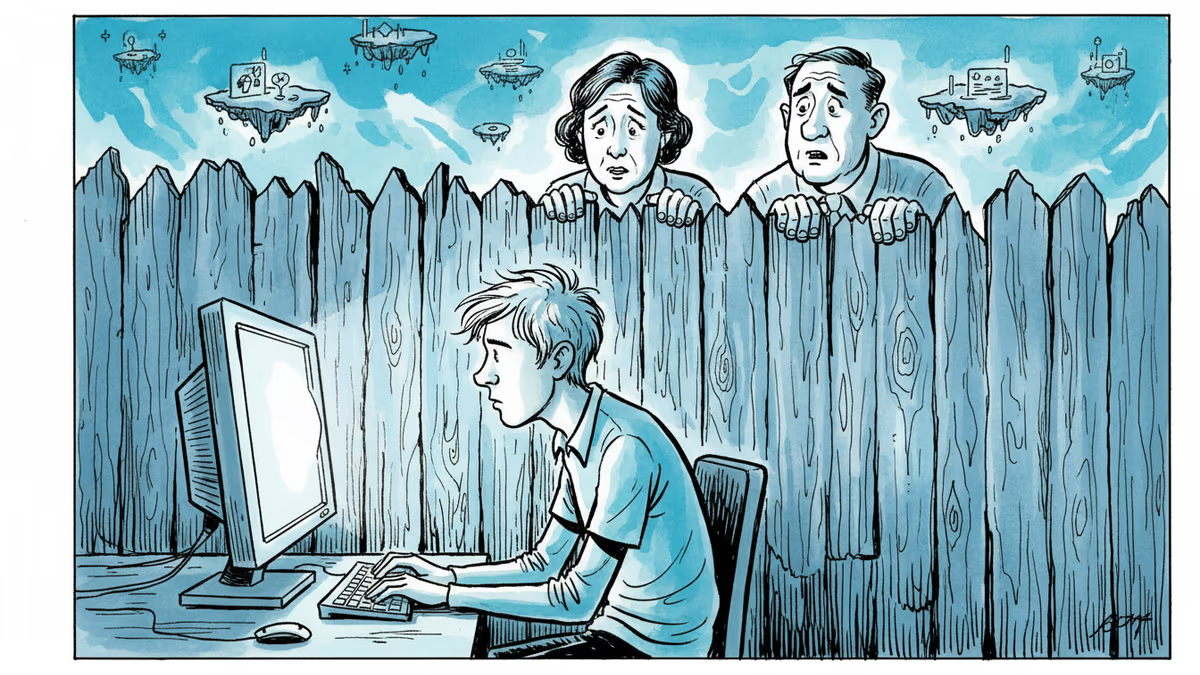
Instagram's new suicide search alerts for parents raise questions about whether surveillance-based solutions truly protect teens or simply push their struggles underground.
Indonesia introduces age-tiered social media restrictions, allowing 13+ for low-risk platforms and 16+ for high-risk ones. How does this compare to Australia's blanket ban?
From Australia's $34M fines to France's parliamentary vote, 10 countries are restricting teen social media access. A global experiment in digital parenting begins.
Middle East missile strikes trigger global doomscrolling epidemic. Neuroscience reveals why we can't stop scrolling through bad news and how to break free.
Instagram's new suicide search alerts for parents raise questions about whether surveillance-based solutions truly protect teens or simply push their struggles underground.
Thoughts
Share your thoughts on this article
Sign in to join the conversation