
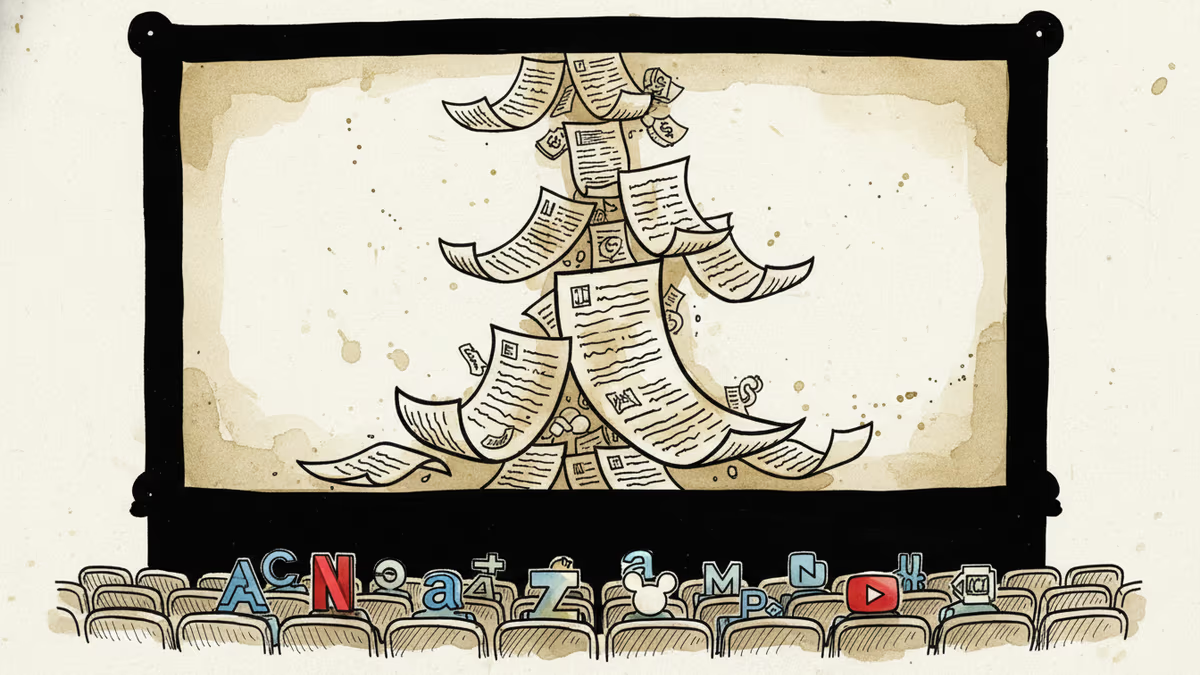
Hollywood's $110B Shakeup: When Netflix Walked Away, Paramount Pounced
Paramount-Warner merger creates streaming giant with 200M+ subscribers after Netflix abandoned WBD deal. What this mega-consolidation means for content and competition.
When Netflix Said No, Paramount Said Yes
$110 billion. That's what it took to reshape Hollywood overnight. Just days after Netflix surprisingly withdrew its bid for Warner Bros. Discovery (WBD), Paramount Skydance swooped in with one of the largest media deals in history.
On Monday, CEO David Ellison dropped the bombshell during an investor call: Paramount+ and HBO Max will merge into a single platform. "From Harry Potter to Top Gun, Star Trek to Looney Tunes, Game of Thrones to Yellowstone," he announced, "we're bringing together the world's most beloved franchises under one roof."
But this isn't just about combining content libraries. It's about survival in an increasingly winner-take-all streaming landscape.
The New Math of Streaming Dominance
The merged entity will boast 200+ million subscribers—enough to seriously challenge Netflix's throne. Ellison promised a robust theatrical slate: 30 films per year across both studios. That's more movies than most independent distributors release in a decade.
Yet the real story isn't in the numbers—it's in what they represent. Following Disney+'s absorption of Hulu, we're witnessing the streaming wars' endgame: fewer platforms, bigger budgets, higher stakes. Consumer choice isn't expanding; it's consolidating into the hands of tech and media giants.
Regulatory Storm Clouds Gathering

California Attorney General Rob Bonta has already promised "rigorous review" of the acquisition. The Justice Department is eyeing media concentration concerns. But regulatory scrutiny might be the least of the new company's challenges.
Industry insiders warn of "significant job cuts"—a euphemism for thousands of layoffs across redundant departments. More troubling are questions about editorial independence, particularly given the Ellison family's political connections to Donald Trump and growing concerns about newsroom autonomy at CBS and CNN.
Ellison's reassurance that "HBO should stay HBO" sounds familiar. Remember when AT&T promised the same thing?
The Creator's Dilemma
For Hollywood's creative community, this merger presents a paradox. On one hand, Ellison promises to make the combined studios "the most sought-after destination for leading creative talent." Bigger budgets, global reach, theatrical commitment—it sounds like a creator's dream.
On the other hand, consolidation typically means fewer decision-makers, more committee-driven content, and less room for risk-taking. When two becomes one, diversity of creative vision often becomes the casualty.
What This Means for Your Streaming Bill
For consumers, the immediate question isn't just what to watch—it's how much you'll pay. Merged platforms typically mean higher subscription fees, justified by "premium content" and "expanded libraries." The days of cheap streaming as a Netflix loss-leader are long over.
The deeper concern? As platforms consolidate, so does their power to dictate terms—not just to consumers, but to creators, distributors, and even internet service providers. We're not just watching content; we're witnessing the construction of new media monopolies.
Authors
Related Articles
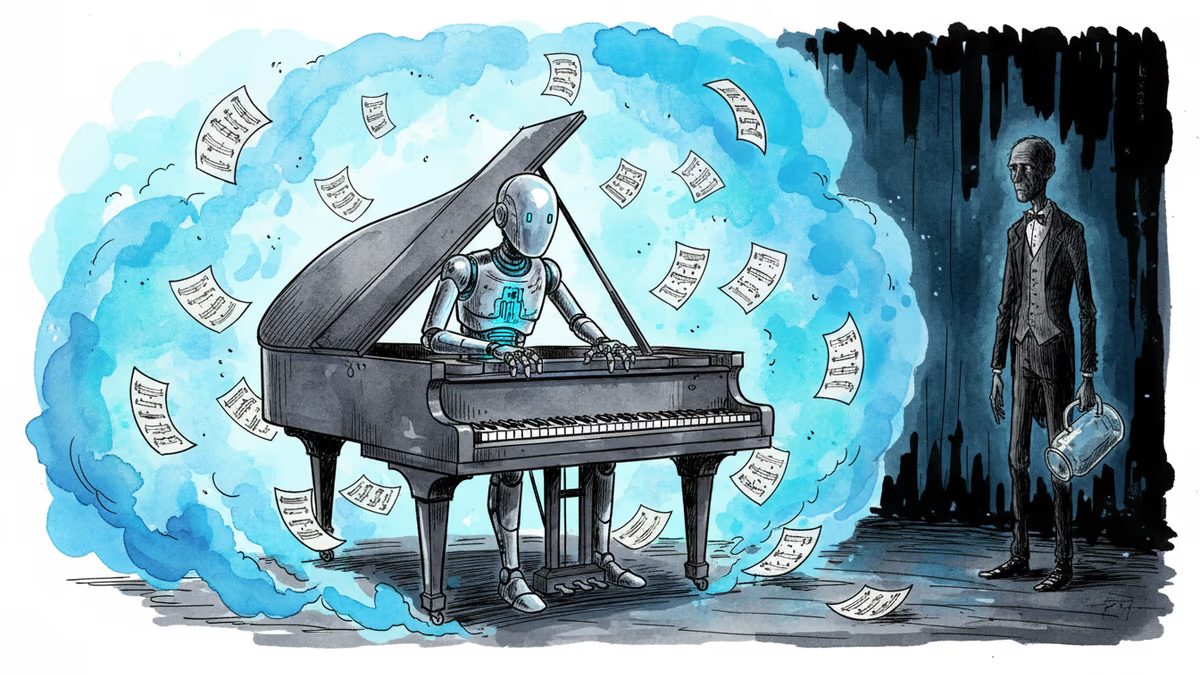
From a niche experiment in 2018 to a mainstream disruption in 2026, AI-generated music is forcing the industry to rethink creativity, copyright, and compensation.
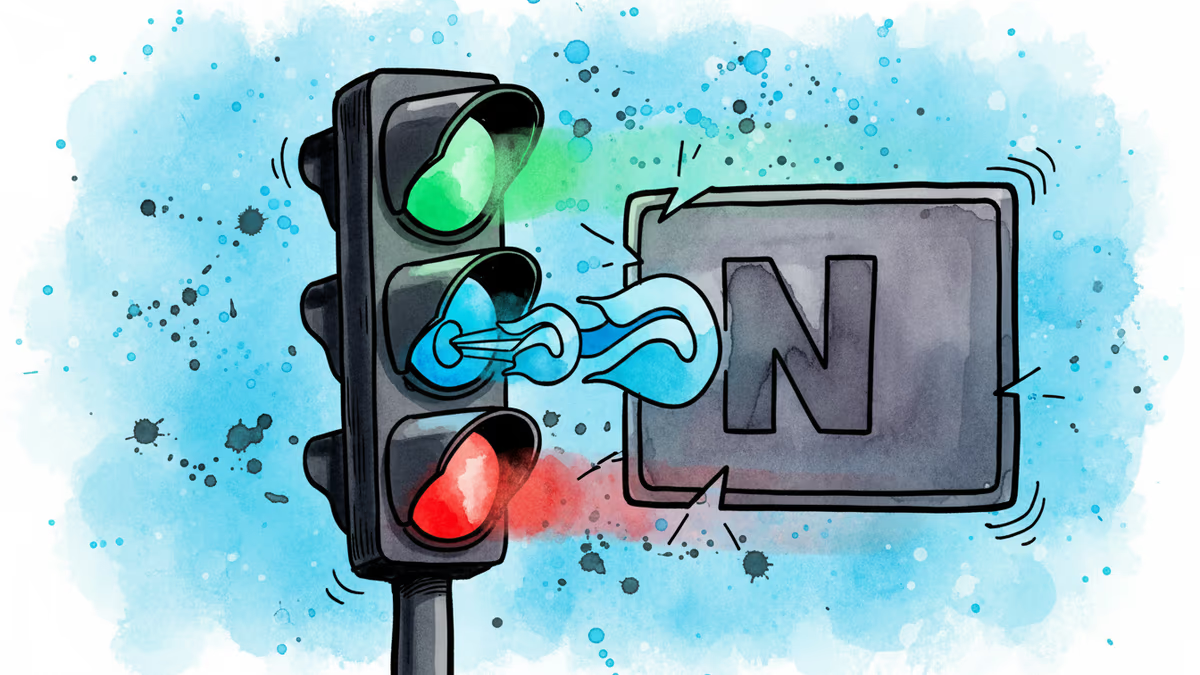
FCC Chairman supports Paramount-WBD merger while Netflix deal faced regulatory hurdles. A new regulatory playbook for streaming consolidation emerges.
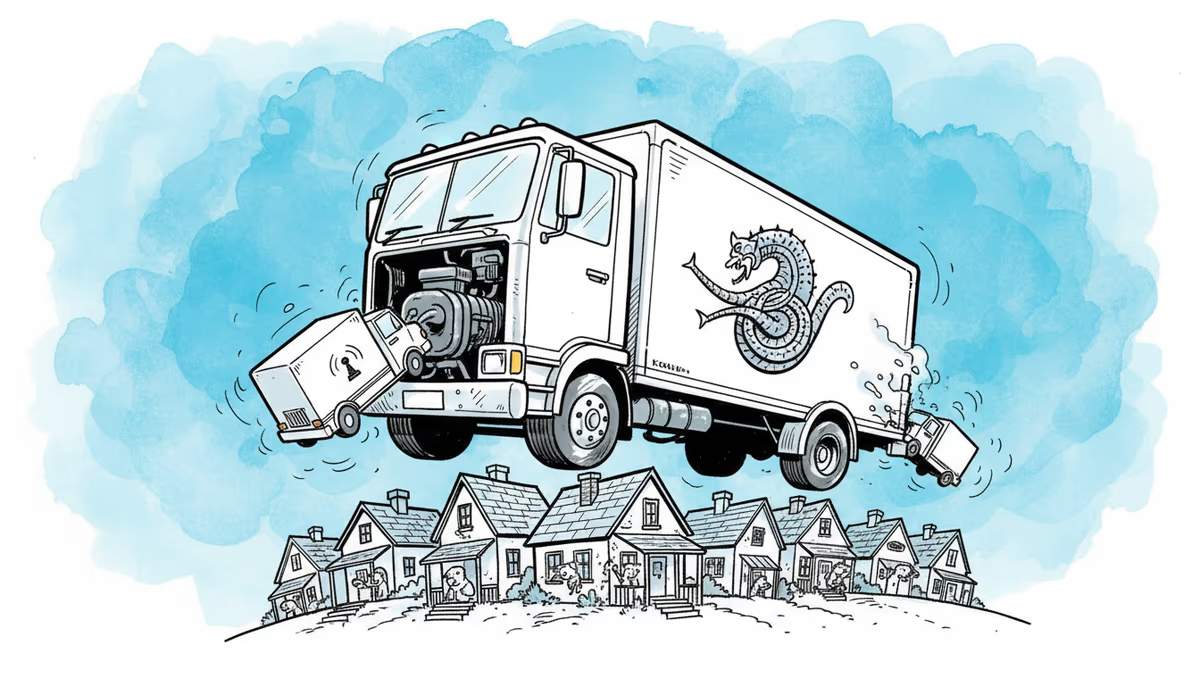
Charter's $34.5B Cox acquisition creates largest US ISP with 35.6M customers, surpassing Comcast. FCC approves despite monopoly concerns over pricing power
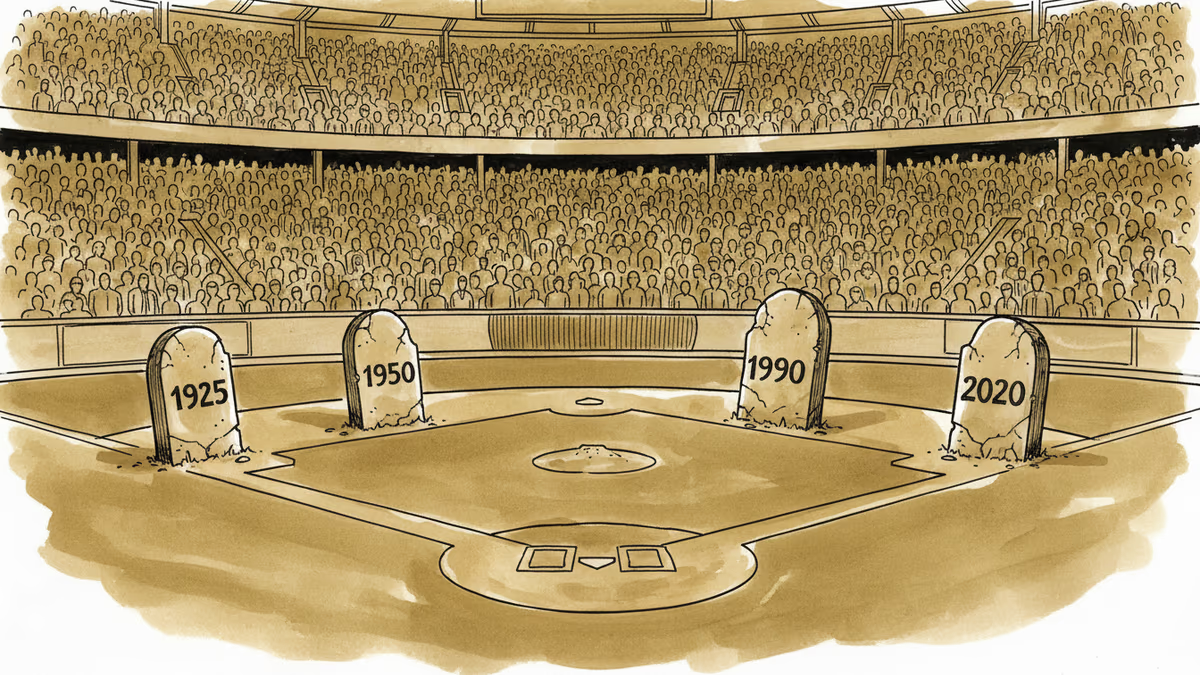
From 1925 to 2026, media has declared baseball's death countless times. Why crisis narratives persist and what they reveal about how sports evolve in the attention economy.
From a niche experiment in 2018 to a mainstream disruption in 2026, AI-generated music is forcing the industry to rethink creativity, copyright, and compensation.
FCC Chairman supports Paramount-WBD merger while Netflix deal faced regulatory hurdles. A new regulatory playbook for streaming consolidation emerges.
Charter's $34.5B Cox acquisition creates largest US ISP with 35.6M customers, surpassing Comcast. FCC approves despite monopoly concerns over pricing power
From 1925 to 2026, media has declared baseball's death countless times. Why crisis narratives persist and what they reveal about how sports evolve in the attention economy.
Thoughts
Share your thoughts on this article
Sign in to join the conversation