
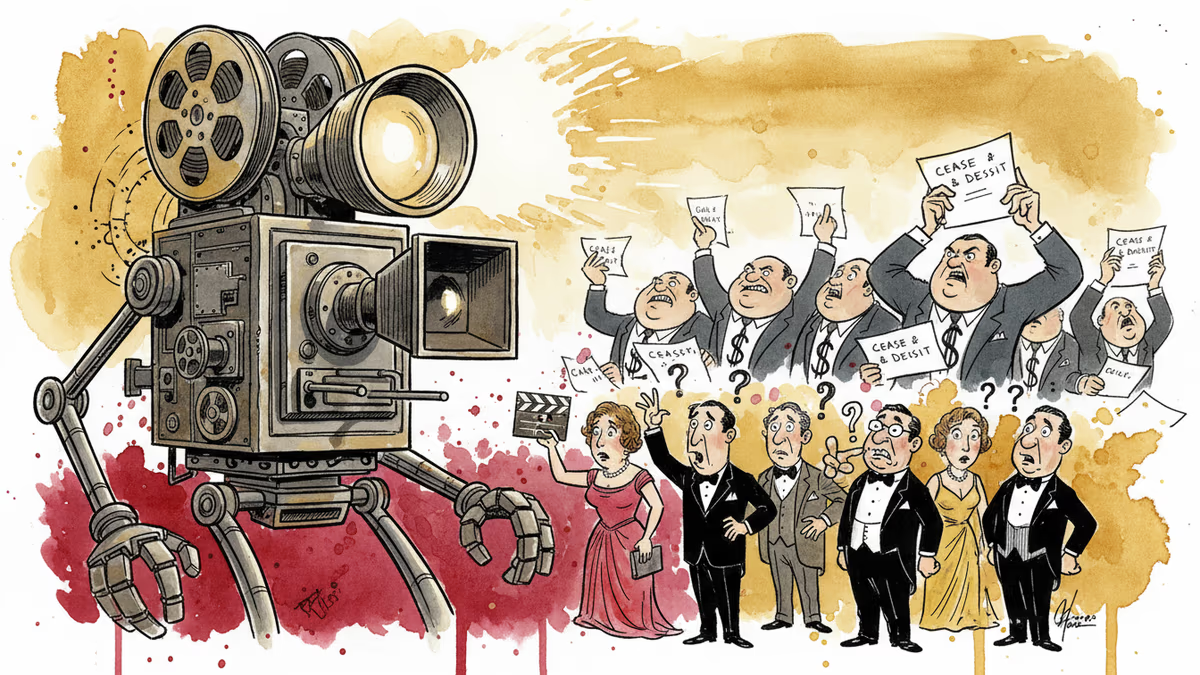
Why Hollywood Panicked Over a 15-Second Video
ByteDance's Seedance 2.0 AI video tool sparked immediate backlash from Disney, Paramount, and Hollywood unions. Here's why this matters beyond copyright law.
A Two-Line Prompt Just Broke Hollywood
Tom Cruise fighting Brad Pitt in a 15-second video. Not from a movie set, not from a deepfake studio, but from someone typing a simple text prompt into Seedance 2.0. When this clip hit X this week, it didn't just go viral—it sent shockwaves through an entire industry.
ByteDance, fresh off finalizing its TikTok sale deal, launched Seedance 2.0 to Chinese users via its Jianying app. Global CapCut users will get access soon. Like OpenAI's Sora, it generates videos from text prompts. Unlike Sora, it apparently has no meaningful guardrails against using real people's likenesses or studios' intellectual property.
The result? Hollywood's fastest collective meltdown in recent memory.
Studios Fire Back: "Virtual Smash-and-Grab"
Disney didn't mince words. In a cease-and-desist letter, the company accused ByteDance of a "virtual smash-and-grab of Disney's IP," claiming the Chinese firm was "hijacking Disney's characters." Videos featuring Spider-Man, Darth Vader, and Baby Yoda had already surfaced, looking disturbingly authentic.
Paramount followed Saturday with its own legal letter, noting that Seedance-generated content was "often indistinguishable, both visually and audibly" from their actual films and TV shows. The Motion Picture Association's CEO Charles Rivkin demanded ByteDance "immediately cease its infringing activity," calling it "unauthorized use of U.S. copyrighted works on a massive scale."
But here's the twist: Disney simultaneously maintains a three-year licensing deal with OpenAI. Same technology, different approach. The message is clear—collaborate or face legal action.
Creators' Existential Crisis: "It's Over for Us"

Deadpool screenwriter Rhett Reese's reaction to the Cruise-Pitt video was blunt: "I hate to say it. It's likely over for us." The Human Artistry Campaign, backed by Hollywood unions, condemned Seedance 2.0 as "an attack on every creator around the world."
The fear is palpable, but is it justified? History suggests otherwise. When photography emerged, painters feared obsolescence. When film arrived, theater actors panicked. When digital editing tools appeared, traditional editors worried about their future. Each time, industries evolved rather than disappeared.
The real question isn't whether AI will replace human creativity, but how it will reshape the creative process itself.
The Regulatory Scramble: Playing Catch-Up
What makes Seedance 2.0 different from previous AI controversies is the speed and scale. Within 24 hours, it had generated enough copyrighted content to trigger legal action from multiple major studios. Traditional copyright enforcement—already struggling with digital piracy—seems woefully inadequate for AI-generated content.
This isn't just a Hollywood problem. Every creative industry faces the same challenge: how do you protect intellectual property when AI can replicate it instantly? The current legal framework, built for human infringement, may be fundamentally incompatible with AI capabilities.
Regulators worldwide are scrambling to catch up, but technology moves faster than legislation. By the time comprehensive AI copyright laws are in place, the landscape will have shifted again.
The Bigger Picture: Democratization vs. Protection
Seedance 2.0 represents a broader tension in the AI era: democratization versus protection. The tool gives anyone Hollywood-level production capabilities, potentially leveling the creative playing field. But it also threatens the economic foundations of an industry built on exclusive content creation.
For consumers, the implications are complex. Cheaper, more accessible content creation could mean more diverse entertainment options. But it might also mean fewer original, high-budget productions if studios can't protect their investments.
Authors
Related Articles
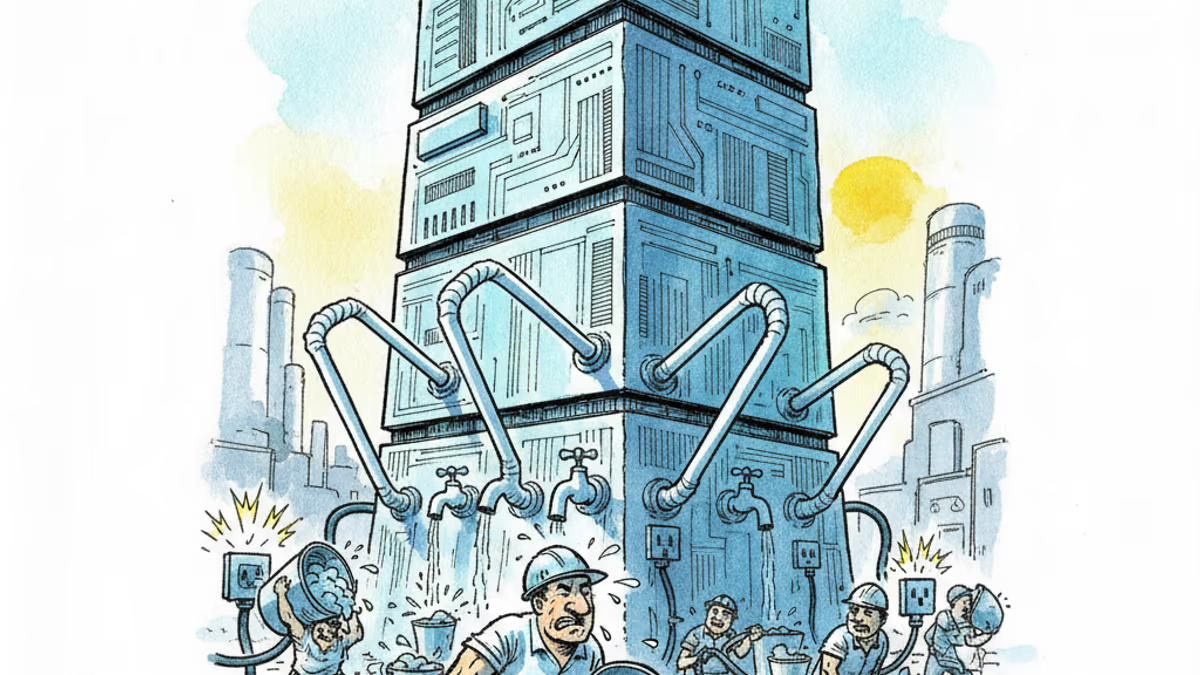
Samsung and SK unveiled a chip and AI investment package worth thousands of trillions of won on June 29. The headline number swings wildly by outlet, but the real contest isn't capital — it's water and power.
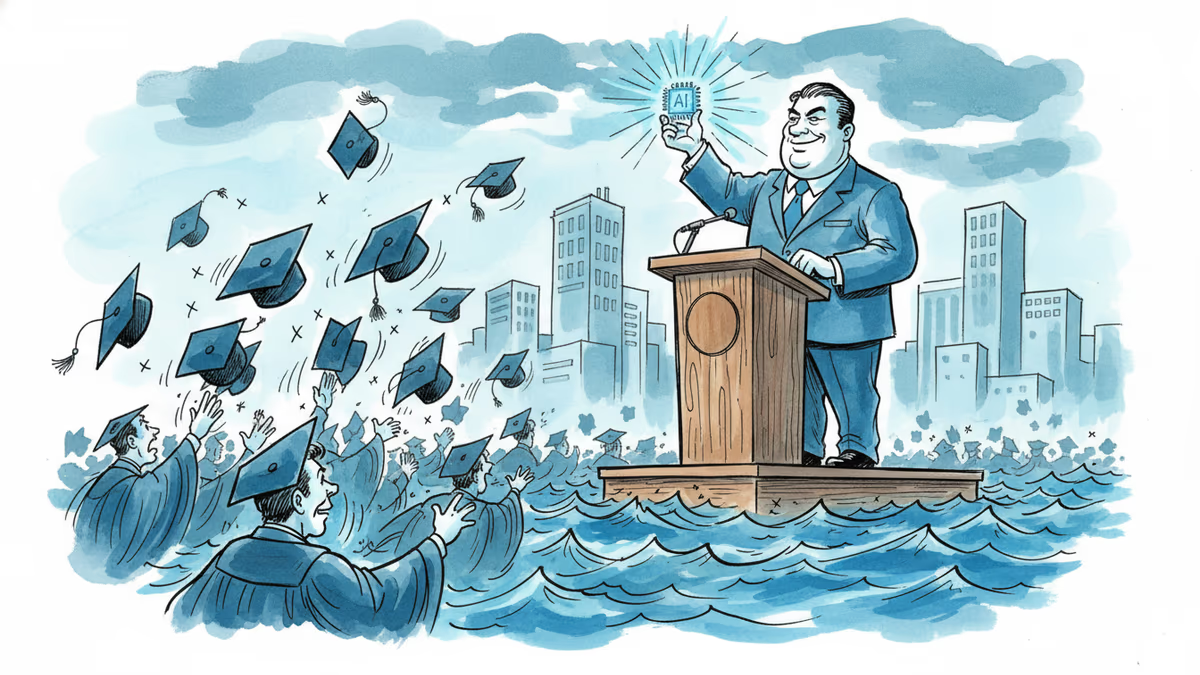
Viral videos show 2026 graduates jeering executives who praise AI at commencement ceremonies. It's not just rudeness — it's a signal about who pays for technological optimism.
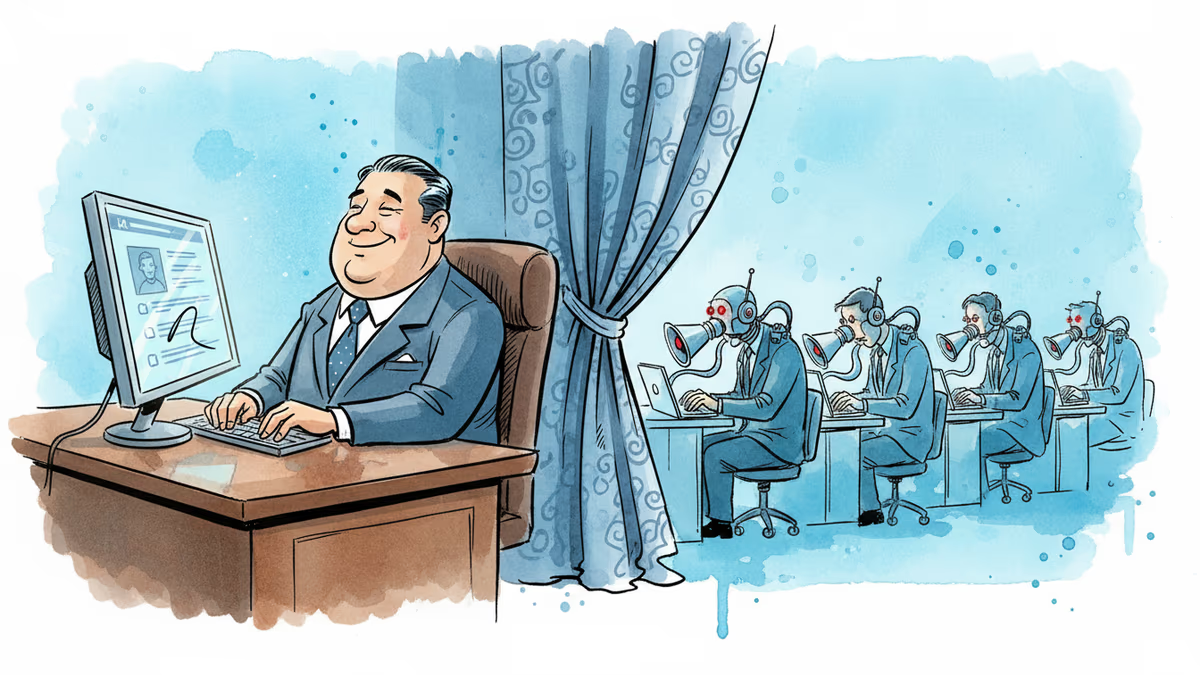
Filipino virtual assistants using AI to ghost-manage LinkedIn profiles for executives is now a structured industry. 30 comments a day, fake engagement rings, and a platform struggling to tell real from fabricated.
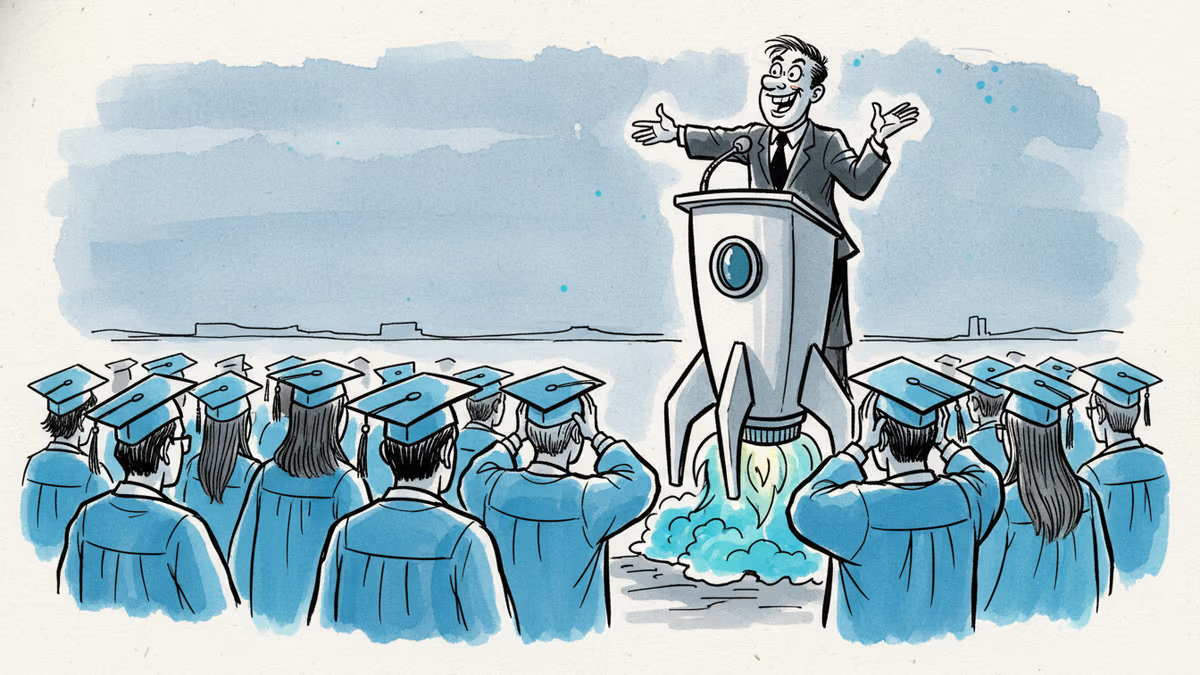
Two commencement speakers learned the hard way that AI enthusiasm doesn't land well with today's graduates. The backlash reveals a widening gap between tech optimism and Gen Z's economic reality.
Samsung and SK unveiled a chip and AI investment package worth thousands of trillions of won on June 29. The headline number swings wildly by outlet, but the real contest isn't capital — it's water and power.
Viral videos show 2026 graduates jeering executives who praise AI at commencement ceremonies. It's not just rudeness — it's a signal about who pays for technological optimism.
Filipino virtual assistants using AI to ghost-manage LinkedIn profiles for executives is now a structured industry. 30 comments a day, fake engagement rings, and a platform struggling to tell real from fabricated.
Two commencement speakers learned the hard way that AI enthusiasm doesn't land well with today's graduates. The backlash reveals a widening gap between tech optimism and Gen Z's economic reality.
Thoughts
Share your thoughts on this article
Sign in to join the conversation