
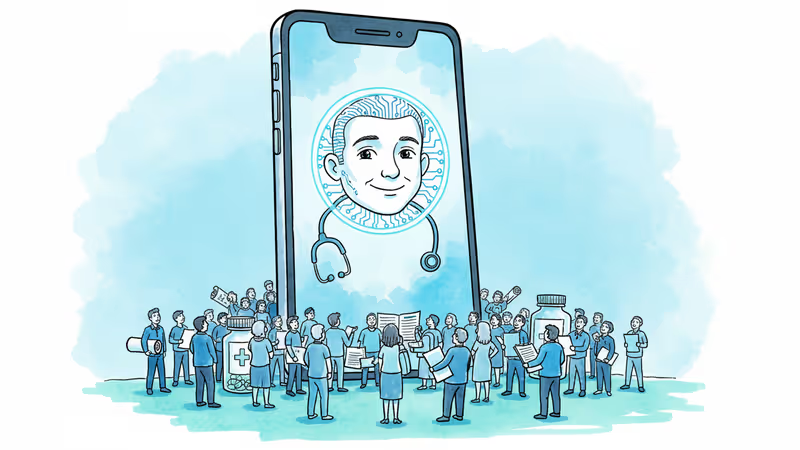
30 Million Users Trust AI for Healthcare: Revolution or Risk?
Ant Group's AI chatbot Ant Afu has gained 30 million users in just 7 months, integrating medical appointments, test analysis, and insurance within Alipay's ecosystem. What makes this digital health revolution so compelling?
30 million people now turn to an AI chatbot for their health concerns. That's the user base Ant Group's digital health companion Ant Afu has built in just seven months since its June 2025 launch. More striking? Over half of these users live in small cities, far from major medical centers.
Beyond Google for Health Questions
Ant Afu isn't just answering "Do I have a fever?" It's booking hospital appointments, analyzing test results, reminding users to take medication, and processing insurance reimbursements—all within Alipay's ecosystem. This integration gives Ant a massive advantage over competitors who treat healthcare as a standalone service.
China's primary care system remains underdeveloped. Patients with everything from flu to cancer crowd into sprawling public hospitals concentrated in major cities. Long waits, rushed consultations, and exhausted clinicians create a perfect storm of dissatisfaction. Add a rapidly aging population, and the demand for alternatives becomes explosive.
JD.com, ByteDance, and Baidu have all launched online medical consultation tools, but Ant's positioning is unique. Alipay already hosts appointment and payment systems for countless hospitals. Millions access their national medical insurance accounts through the platform.
The Ecosystem Advantage
Last January, Ant acquired Haodf, an online consultation portal with over 300,000 registered physicians. This wasn't just an acquisition—it was strategic infrastructure building. "For startups, the bureaucratic red tape and initial investment required to build the platform, be compliant with healthcare data regulations, and deal with various government agencies seem like too big a hurdle," explains Ivy Yang, founder of New York-based consulting firm Wavelet Strategy.

Meanwhile, U.S. AI companies are expanding healthcare offerings, but they don't yet offer direct access to the country's fragmented network of private providers and insurers. This month, both OpenAI and Anthropic announced consumer-facing health tools, with ChatGPT and Claude now analyzing medical reports and fitness data. But they're still playing catch-up to integrated ecosystems like Ant's.
Marketing Blitz and Founder Vision
Ant has spent tens of millions marketing Afu across China. Ads have appeared in subway stations, social media feeds, public restrooms, and even painted on rural walls. By January's end, Afu ranked among the top ten most-downloaded iOS apps in China.
Billionaire founder Jack Ma personally named the chatbot Afu because it "made the chatbot sound like a friend," according to CEO Han Xinyi. Ma envisions the app eventually launching in underdeveloped parts of Africa and Southeast Asia—a global health companion for underserved markets.
"He really cares about whether or not Afu can be like an AI friend that offers emotional companionship and humane care," Han told Chinese tech outlet Latepost, "rather than being just a tool for solving professional problems."
The Unregulated Frontier
But this AI healthcare boom raises serious questions. A recent Guardian investigation found Google's AI summaries giving inaccurate health advice. Academic research has identified racial and socioeconomic biases in AI diagnostic tools. The expanding role of AI in patient care remains largely unregulated worldwide.
In China, where digital adoption often outpaces regulatory frameworks, millions are essentially beta-testing AI healthcare at scale. The question isn't whether this will influence global healthcare—it's how quickly other markets will follow suit.
Authors
Related Articles
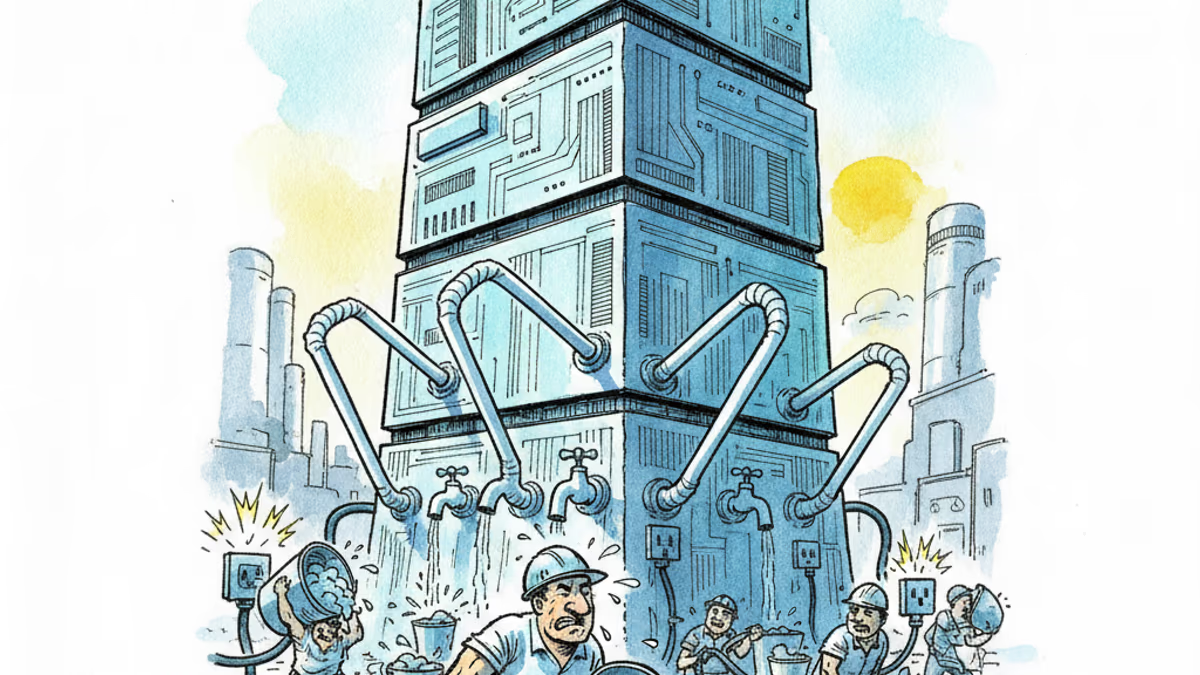
Samsung and SK unveiled a chip and AI investment package worth thousands of trillions of won on June 29. The headline number swings wildly by outlet, but the real contest isn't capital — it's water and power.
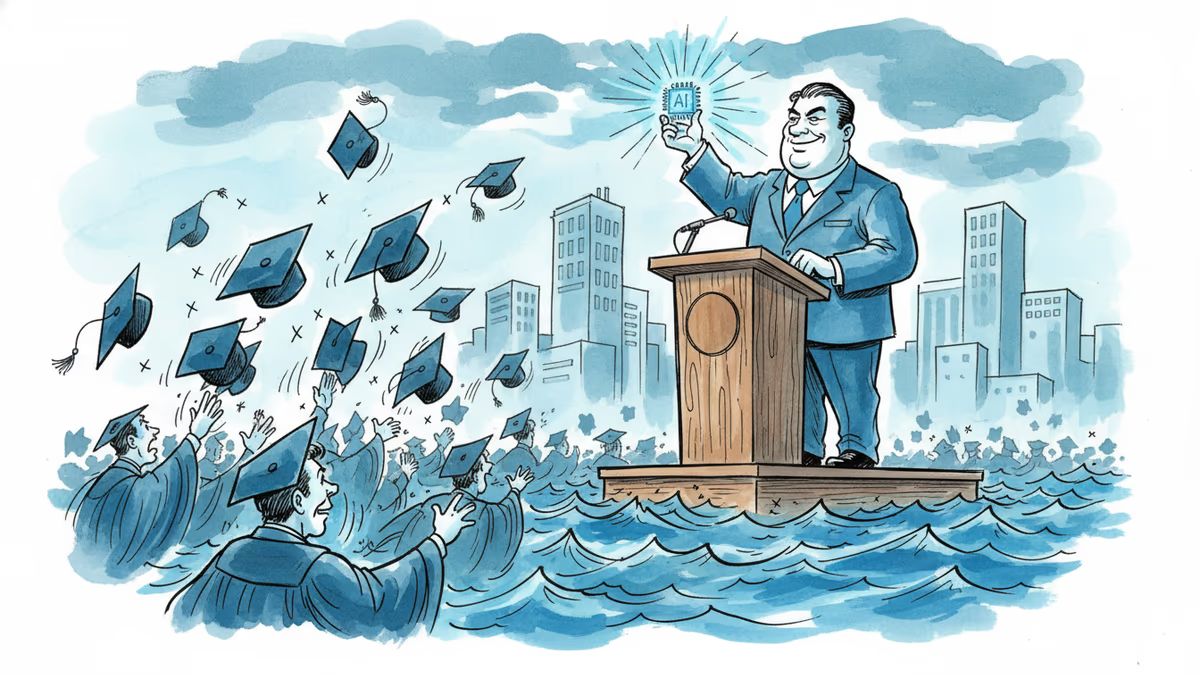
Viral videos show 2026 graduates jeering executives who praise AI at commencement ceremonies. It's not just rudeness — it's a signal about who pays for technological optimism.
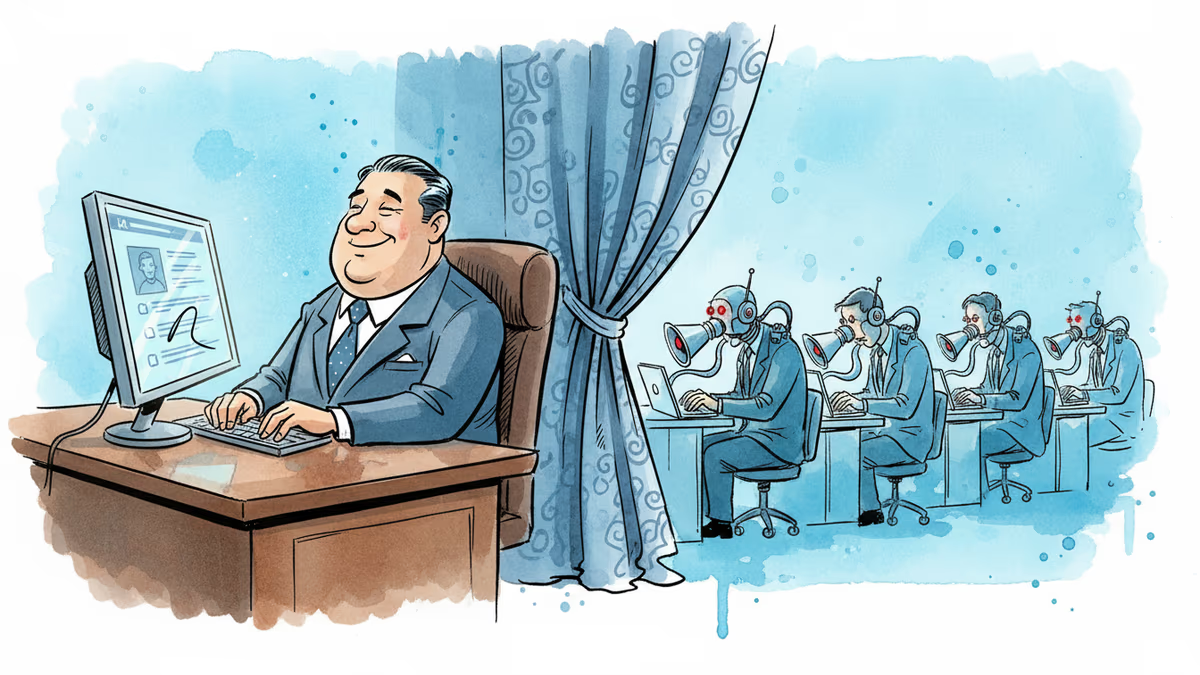
Filipino virtual assistants using AI to ghost-manage LinkedIn profiles for executives is now a structured industry. 30 comments a day, fake engagement rings, and a platform struggling to tell real from fabricated.
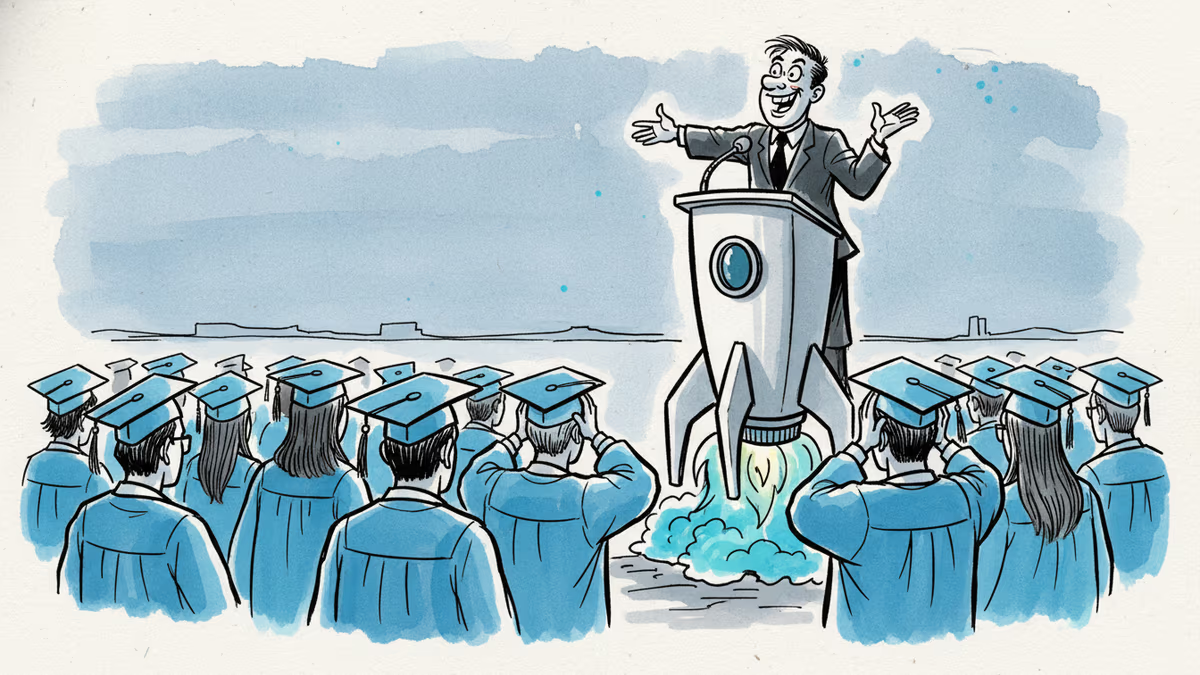
Two commencement speakers learned the hard way that AI enthusiasm doesn't land well with today's graduates. The backlash reveals a widening gap between tech optimism and Gen Z's economic reality.
Samsung and SK unveiled a chip and AI investment package worth thousands of trillions of won on June 29. The headline number swings wildly by outlet, but the real contest isn't capital — it's water and power.
Viral videos show 2026 graduates jeering executives who praise AI at commencement ceremonies. It's not just rudeness — it's a signal about who pays for technological optimism.
Filipino virtual assistants using AI to ghost-manage LinkedIn profiles for executives is now a structured industry. 30 comments a day, fake engagement rings, and a platform struggling to tell real from fabricated.
Two commencement speakers learned the hard way that AI enthusiasm doesn't land well with today's graduates. The backlash reveals a widening gap between tech optimism and Gen Z's economic reality.
Thoughts
Share your thoughts on this article
Sign in to join the conversation