
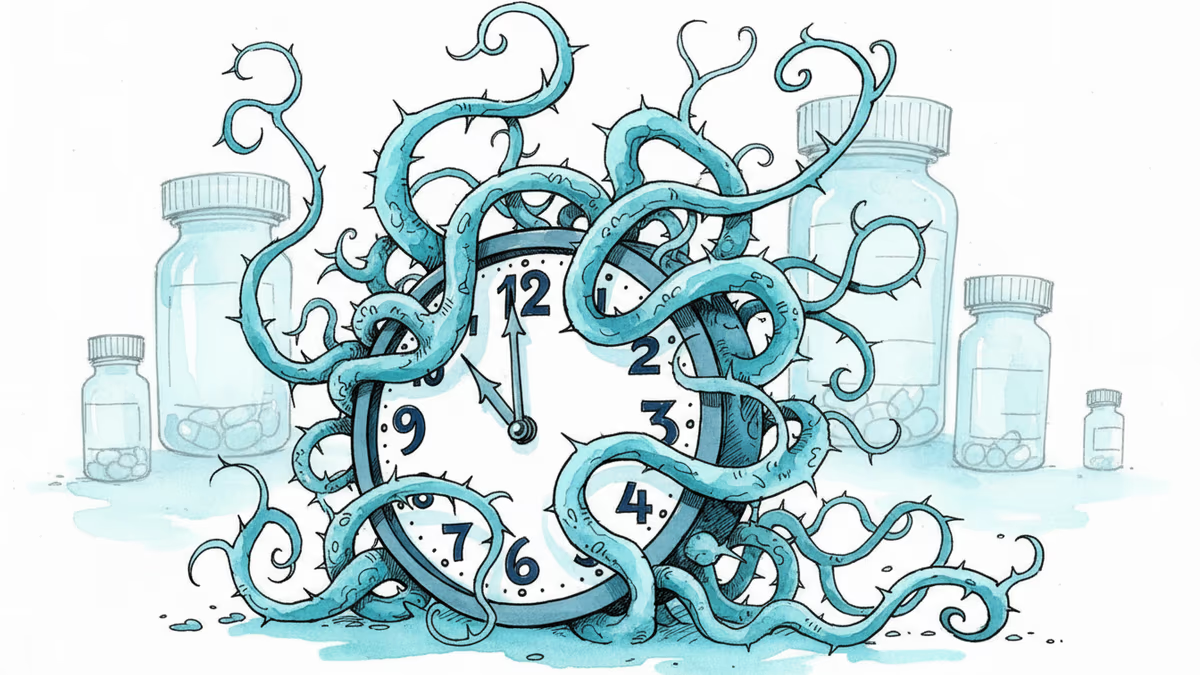
Can 15 Minutes of DMT Replace Years of Antidepressants?
New research shows DMT can treat depression in 15 minutes without hallucinations. Could this fast-acting psychedelic revolutionize mental healthcare and challenge Big Pharma's dominance?
$280 billion. That's the global antidepressant market size, built on medications that take weeks to work and often don't work at all. Now, a compound that acts in 15 minutes is threatening to upend everything.
DMT (dimethyltryptamine) has emerged from the shadows of ayahuasca ceremonies into clinical trials, showing remarkable promise for treating depression without the hours-long hallucinations that have limited other psychedelics. The implications stretch far beyond medicine.
The Speed Advantage
Traditional antidepressants like Prozac or Zoloft require 4-6 weeks to show effects, if they work at all. About 30% of patients don't respond to first-line treatments. DMT's rapid action comes from its unique pharmacology—the body quickly breaks it down, but not before it triggers neuroplasticity changes that can last for months.
This isn't just about convenience. In emergency psychiatric settings, where suicide risk is high, waiting weeks for medication to work can be life-or-death. DMT could transform crisis intervention from damage control to immediate healing.
Big Pharma's Dilemma
Pharmaceutical giants have built empires on chronic conditions requiring daily pills. A treatment that works in minutes and lasts for months threatens this model fundamentally. Johnson & Johnson's ketamine-based Spravato already showed the market potential—it generated $900 million in 2023 despite requiring multiple clinic visits.

Startups like Compass Pathways and MindMed are racing to develop psychedelic therapies, attracting billions in investment. But they face the same challenge: How do you build sustainable revenue from treatments that work too well?
The Regulation Maze
The FDA's approach to psychedelics remains cautious but evolving. DMT's Schedule I status creates research barriers, yet breakthrough therapy designations for similar compounds signal changing attitudes. The agency faces pressure from both sides—patient advocates demanding access and conservatives warning about drug normalization.
European regulators are moving faster. The European Medicines Agency has been more receptive to psychedelic research, potentially creating a competitive advantage for EU-based companies.
Cultural Shift or Medical Fad?
Beyond pharmacology lies a deeper question: Are we witnessing a fundamental shift in how we view mental health treatment? The psychedelic renaissance coincides with growing skepticism about traditional psychiatry and pharmaceutical solutions.
Younger patients, especially, are drawn to treatments that promise not just symptom management but transformative healing. This aligns with broader wellness trends emphasizing holistic health over pill-popping.
Authors
Related Articles
A $7M quantum computing competition is testing whether today's noisy, limited quantum machines can actually help human health—before the powerful ones we've been promised ever arrive.
A Caribbean research facility uses extended DMT trips to study encounters with otherworldly entities. Are they hallucinations or something more? The quest to decode consciousness takes a radical turn.
Middle East missile strikes trigger global doomscrolling epidemic. Neuroscience reveals why we can't stop scrolling through bad news and how to break free.
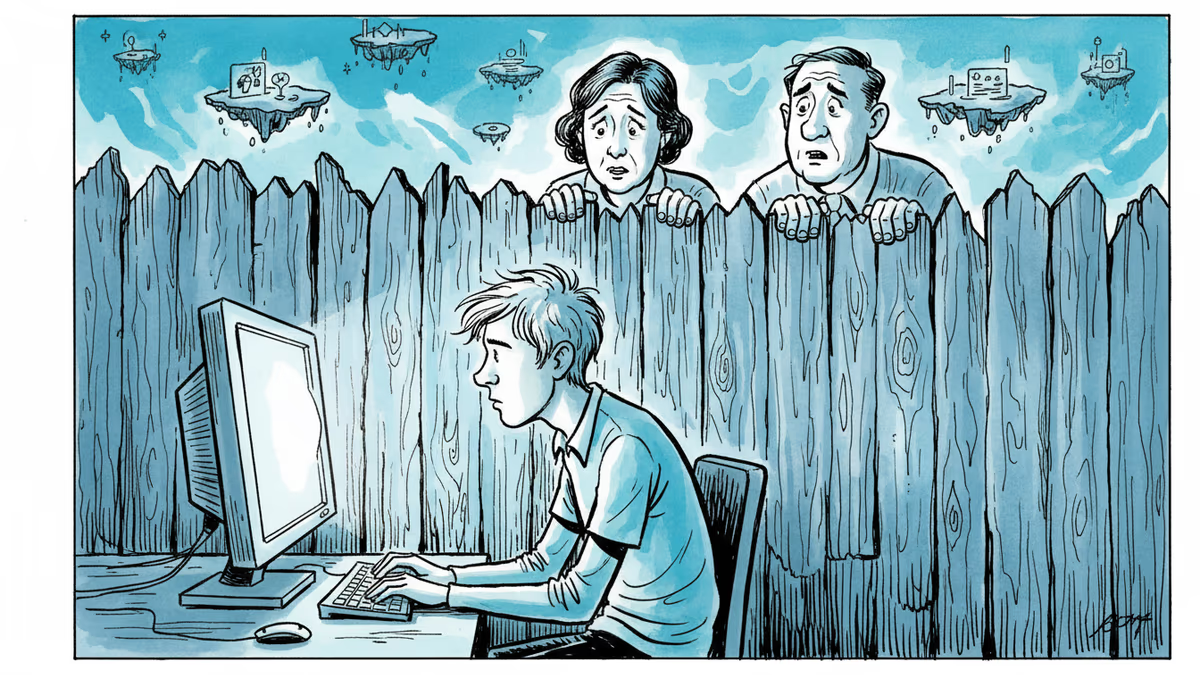
Instagram's new suicide search alerts for parents raise questions about whether surveillance-based solutions truly protect teens or simply push their struggles underground.
A $7M quantum computing competition is testing whether today's noisy, limited quantum machines can actually help human health—before the powerful ones we've been promised ever arrive.
A Caribbean research facility uses extended DMT trips to study encounters with otherworldly entities. Are they hallucinations or something more? The quest to decode consciousness takes a radical turn.
Middle East missile strikes trigger global doomscrolling epidemic. Neuroscience reveals why we can't stop scrolling through bad news and how to break free.
Instagram's new suicide search alerts for parents raise questions about whether surveillance-based solutions truly protect teens or simply push their struggles underground.
Thoughts
Share your thoughts on this article
Sign in to join the conversation