

Hypervirulent Bacteria Global Rise 2026: A Deadly Case in New England
Explore the case of a 63-year-old man facing multi-organ failure due to a hypervirulent bacteria infection in 2026. Analysis of the global rise of aggressive pathogens.
It started with a single bad meal. Now, a hypervirulent bacteria is spreading across the globe, turning common food poisoning symptoms into catastrophic multi-organ failure. A recent case in New England highlights the terrifying speed at which these emerging pathogens can dismantle the human body.
From Stomach Upset to Multi-Organ Invasion
A 63-year-old man, previously healthy, sought medical attention after experiencing a persistent cough and vision loss. What doctors found was a medical nightmare: imaging revealed over 15 lung nodules and a massive 8.6 cm liver abscess. The infection hadn't stopped there; it had crossed the blood-brain barrier and settled in his right eye.

The patient traced the onset back to three weeks prior, when he consumed what he described as "bad meat." While the initial gastrointestinal symptoms faded, the bacteria were silently colonizing his vital organs. Despite aggressive antibiotic treatment and oxygen therapy, the hypervirulent strain continued its assault, showcasing a level of aggression rarely seen in standard infections.
The Global Threat of Hypervirulence
Unlike opportunistic infections that target the immunocompromised, these hypervirulent strains are increasingly capable of overwhelming healthy individuals. Their ability to spread through the bloodstream and create metastatic abscesses marks a significant shift in the biological threat landscape of 2026.
Authors
Related Articles
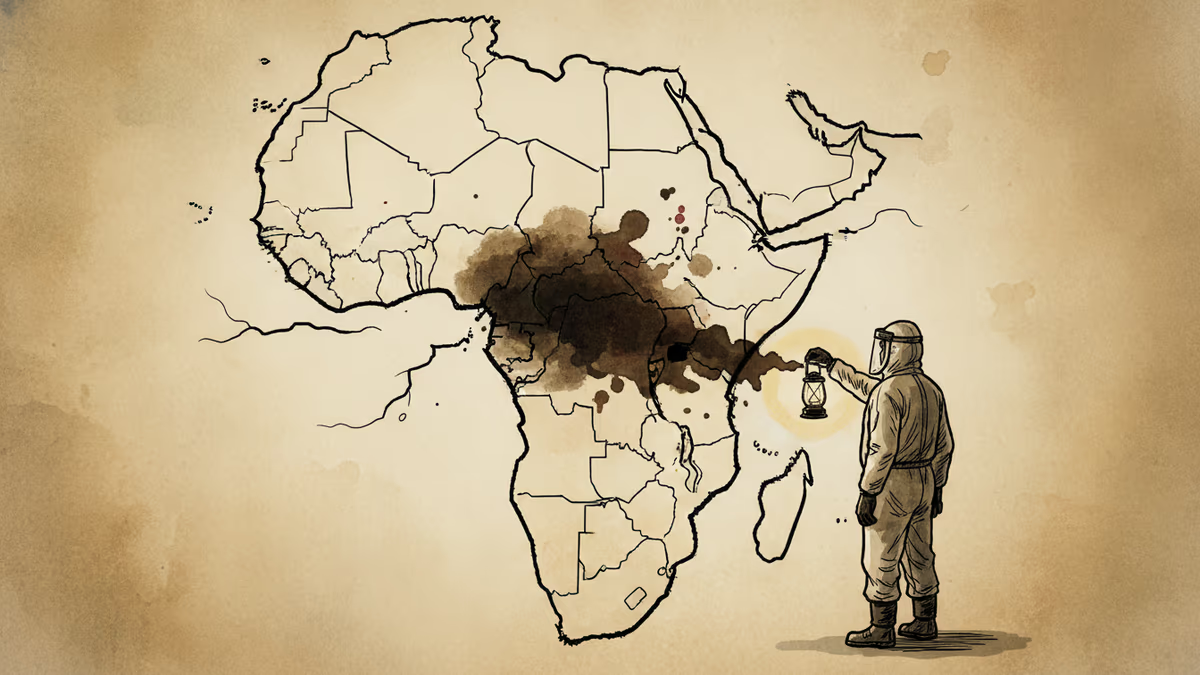
The DRC Ebola outbreak has already crossed into Uganda and earned a WHO emergency declaration. The case count isn't the alarming part—the gaps in detection are.
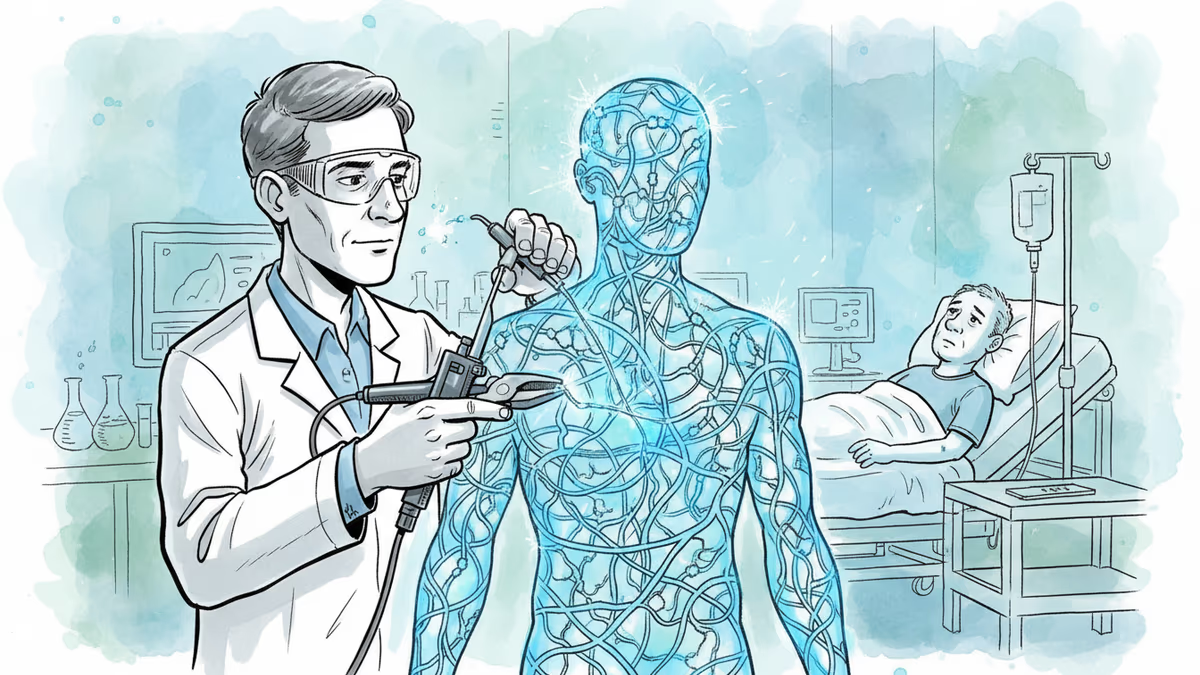
CAR T cell therapy, proven in blood cancers, is now in hundreds of clinical trials for MS, lupus, and other autoimmune conditions. What the science shows—and what it doesn't yet.
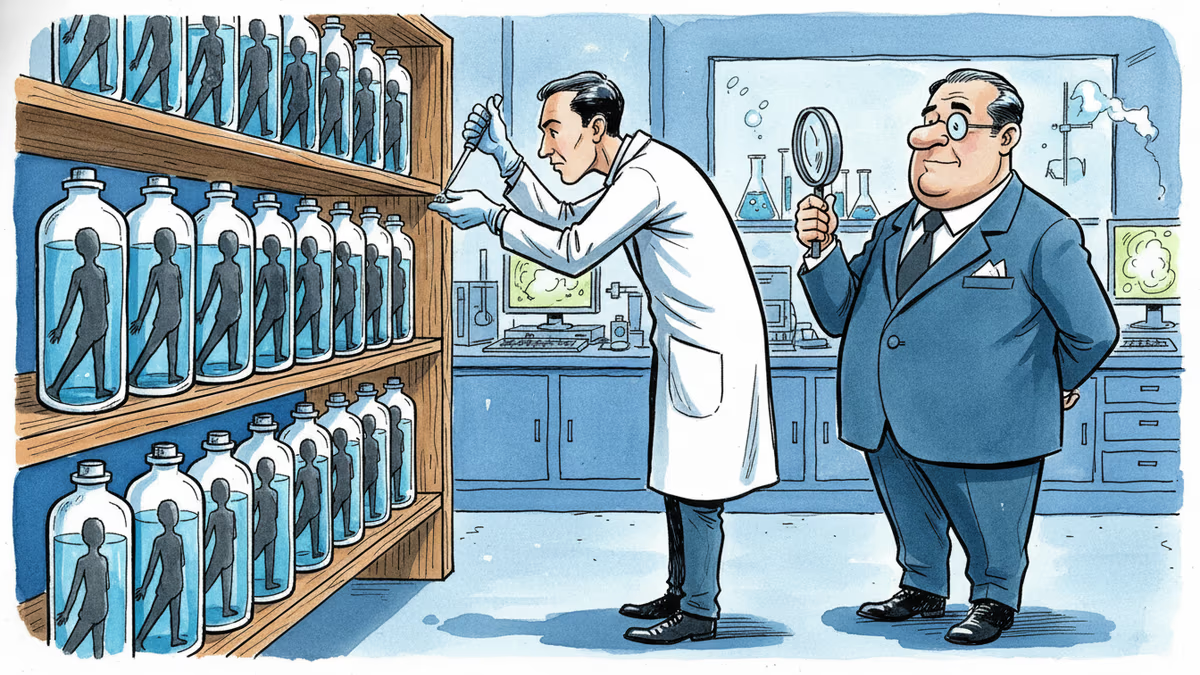
R3 Bio wants to grow human bodies without brains as biological backups. The science is speculative. The ethics are explosive. And the legal framework doesn't exist yet.
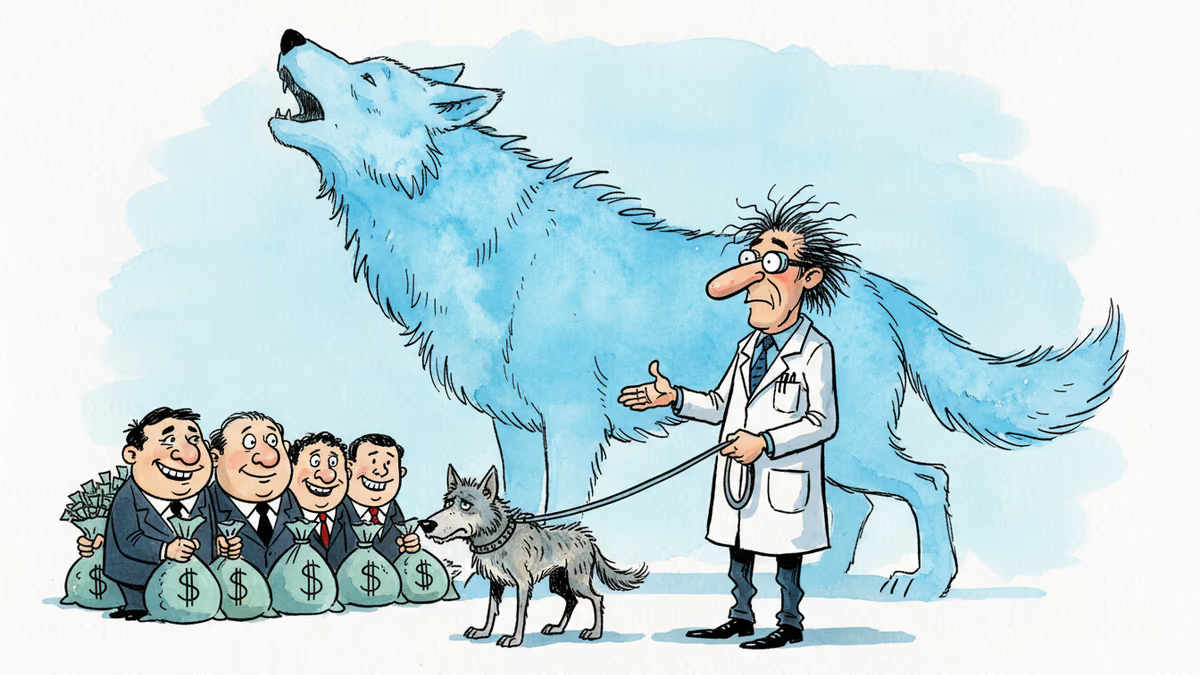
Colossal Biosciences raised hundreds of millions to resurrect woolly mammoths and dire wolves. What they're actually doing is more complicated—and more interesting.
The DRC Ebola outbreak has already crossed into Uganda and earned a WHO emergency declaration. The case count isn't the alarming part—the gaps in detection are.
CAR T cell therapy, proven in blood cancers, is now in hundreds of clinical trials for MS, lupus, and other autoimmune conditions. What the science shows—and what it doesn't yet.
R3 Bio wants to grow human bodies without brains as biological backups. The science is speculative. The ethics are explosive. And the legal framework doesn't exist yet.
Colossal Biosciences raised hundreds of millions to resurrect woolly mammoths and dire wolves. What they're actually doing is more complicated—and more interesting.
Thoughts
Share your thoughts on this article
Sign in to join the conversation