
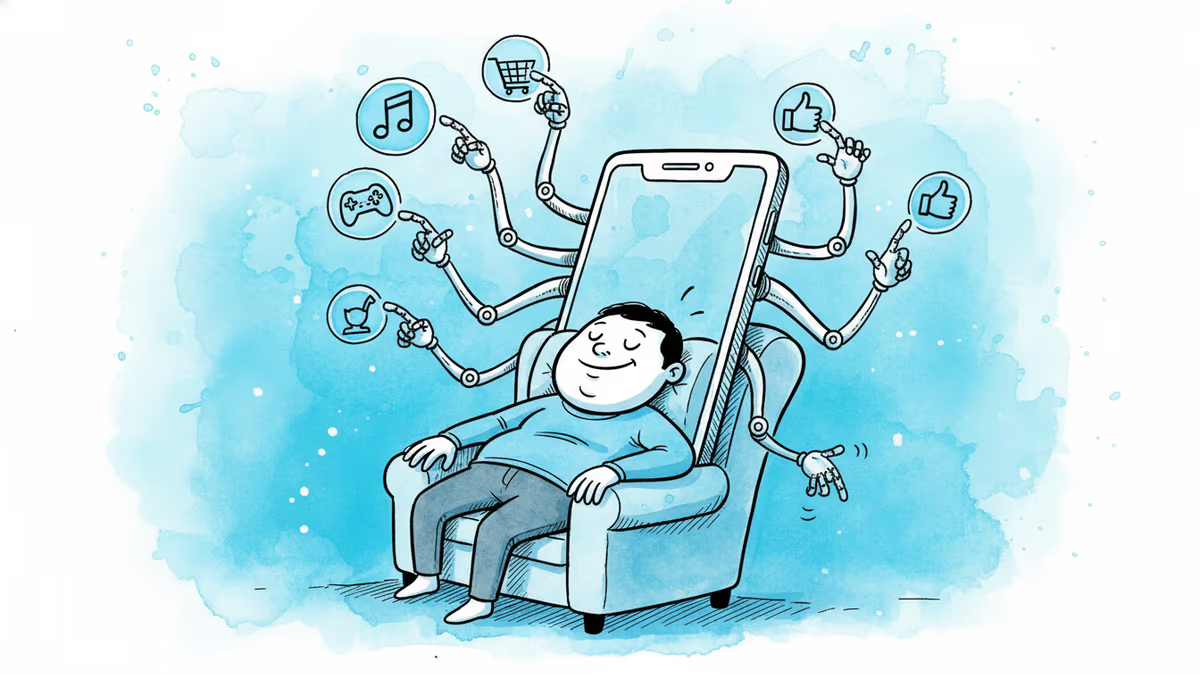
Your Phone Just Became Your Personal Assistant
Google's Gemini AI on Pixel phones can now order food, book rides, and complete tasks on your behalf across select apps like Uber and Grubhub. Is this the dawn of true AI agents?
The $2.4 Trillion Question: Who Controls Your Apps?
Your phone just learned to think for itself. Google's Gemini AI on Pixel 10 devices can now order your dinner, book your ride, and handle tasks across apps while you binge-watch Netflix. It's not just voice commands anymore—it's actual digital labor.
This March update brings "agentic" capabilities to Pixel 10, Pixel 10 Pro, and Pixel 10 Pro XL users. Say "order Thai food" and Gemini opens Grubhub, browses menus, selects items, and completes checkout. You can supervise or interrupt anytime, but the AI does the heavy lifting.
The feature debuted at Samsung's Unpacked event last week, but Google beat them to market. The race for AI agents—software that acts on your behalf—has officially begun.
Apps Become Invisible Infrastructure
Currently, Gemini works with "select" apps including Uber and Grubhub. The keyword is "select"—each integration requires individual partnerships, security reviews, and API negotiations. Google isn't just adding features; it's reshaping how we interact with digital services.
For users, it's pure convenience. Complex multi-step processes become single voice commands. Accessibility improves dramatically for elderly users and those with disabilities.

For app developers, it's complicated. Companies like Uber and Grubhub are essentially outsourcing their user interface to Google. They lose direct brand interaction and user data collection opportunities. In exchange, they gain access to Google's massive user base and the convenience factor that might drive more frequent usage.
The Platform Power Play
This isn't just about convenience—it's about control. Google is positioning itself as the gatekeeper between users and services. Every interaction flows through Gemini, giving Google unprecedented insight into user behavior across platforms.
Silicon Valley's reaction is split. Startups see opportunity in building AI-native services. Established app companies worry about becoming commoditized backends. "We're becoming the plumbing," one app developer told us privately.
Privacy advocates raise concerns. When AI handles transactions on your behalf, who's responsible for data protection? How much should the AI know about your preferences and financial information?
The Bigger Picture: Work Redefined
This feature hints at a larger transformation. If AI can handle routine digital tasks, what happens to the $4.2 trillion digital services economy? Jobs in customer service, data entry, and routine digital work face disruption.
But history suggests new roles emerge. Someone needs to train these AI agents, monitor their performance, and handle exceptions. The question isn't whether AI will replace human work, but how quickly we can adapt.
Authors
Related Articles
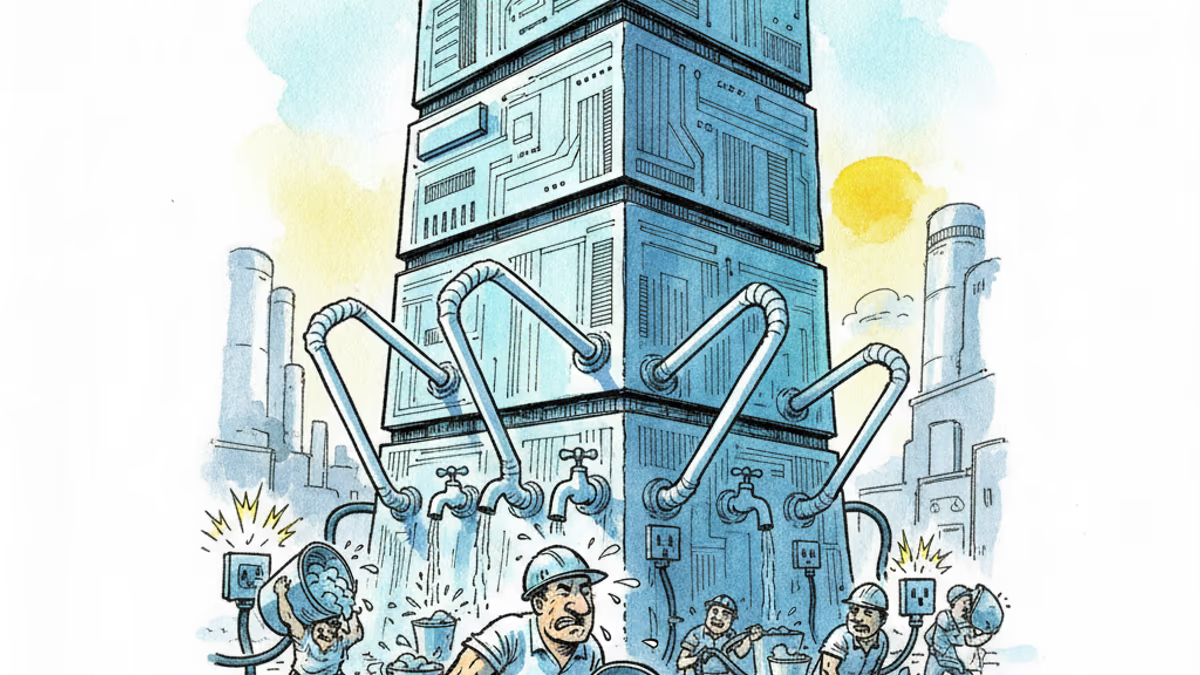
Samsung and SK unveiled a chip and AI investment package worth thousands of trillions of won on June 29. The headline number swings wildly by outlet, but the real contest isn't capital — it's water and power.
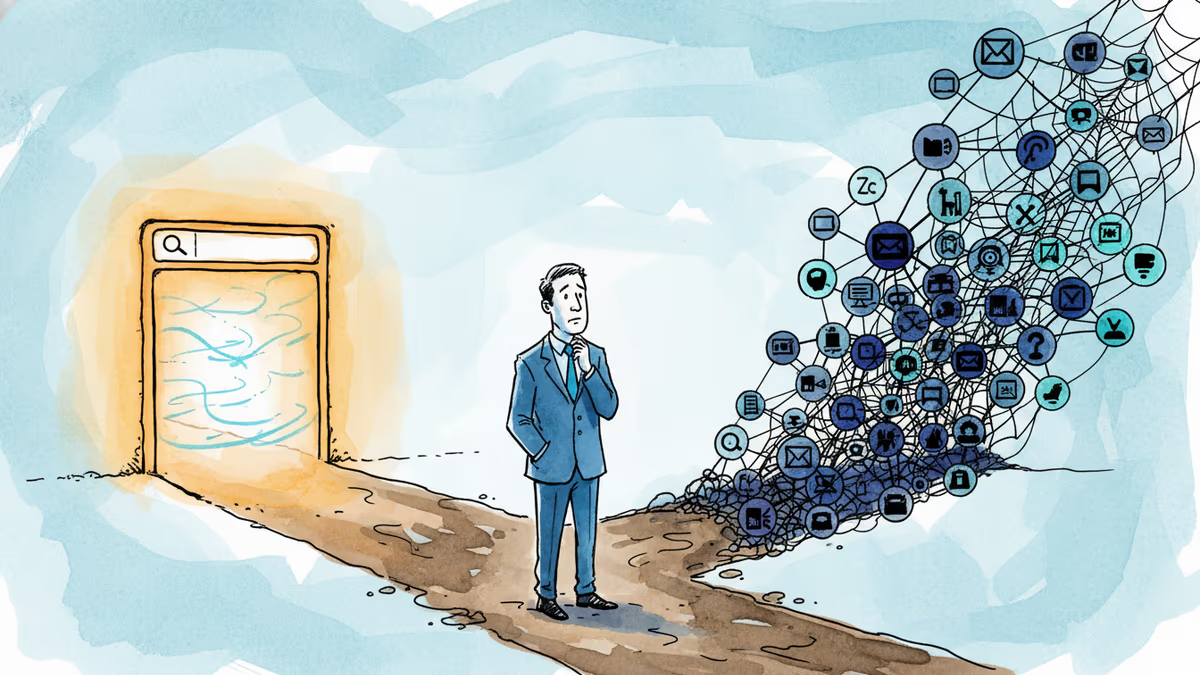
In a post-Google I/O interview, Sundar Pichai acknowledged flawed search results, real AI anxiety, and an AGI timeline that makes the label irrelevant. Here's what he said — and what it means.
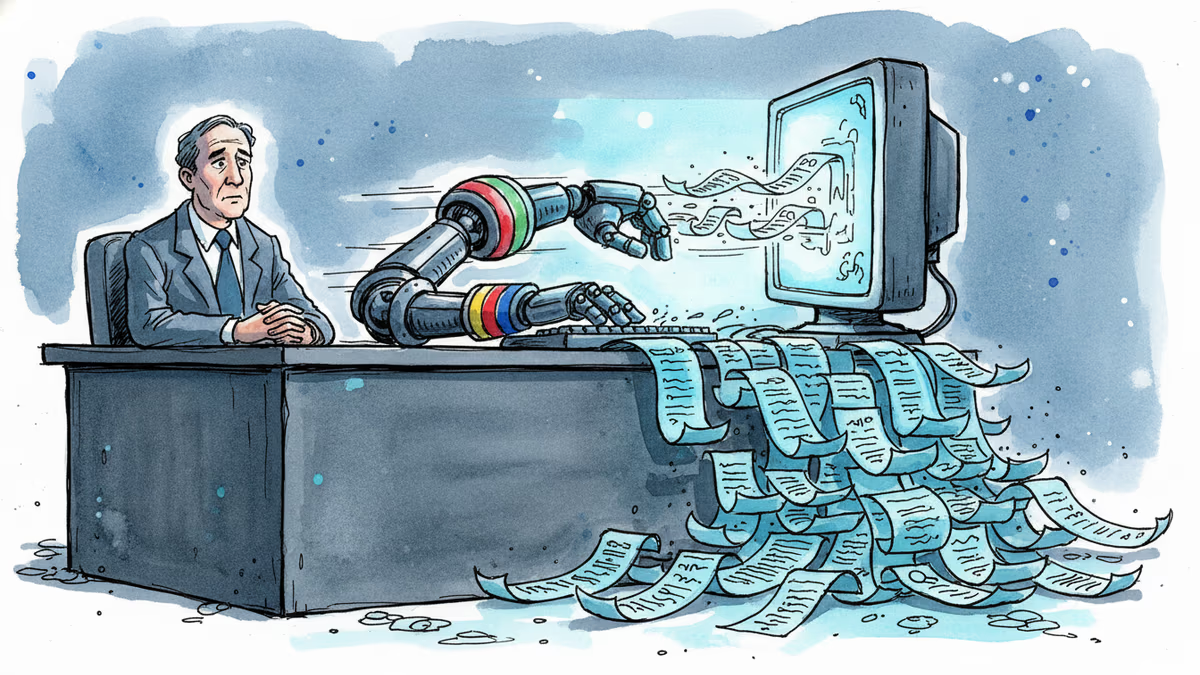
Google is building AI agents that search the web proactively, without user prompting. That's not just a product update — it's a fundamental shift in who controls the information you receive.
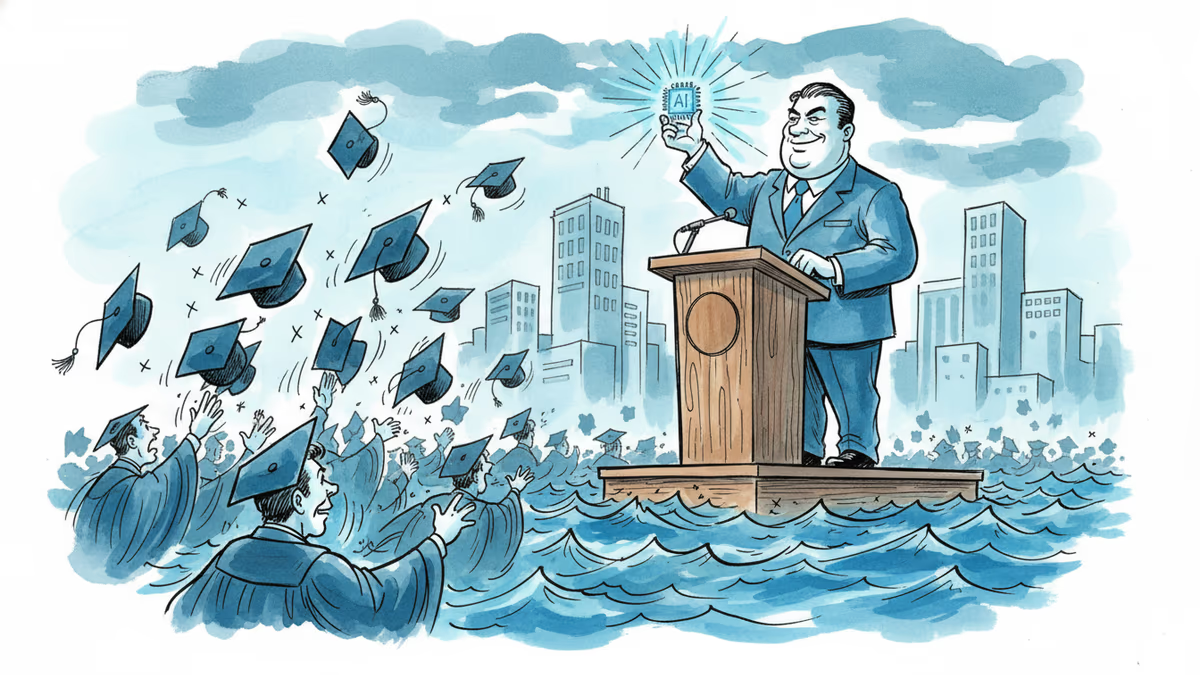
Viral videos show 2026 graduates jeering executives who praise AI at commencement ceremonies. It's not just rudeness — it's a signal about who pays for technological optimism.
Samsung and SK unveiled a chip and AI investment package worth thousands of trillions of won on June 29. The headline number swings wildly by outlet, but the real contest isn't capital — it's water and power.
In a post-Google I/O interview, Sundar Pichai acknowledged flawed search results, real AI anxiety, and an AGI timeline that makes the label irrelevant. Here's what he said — and what it means.
Google is building AI agents that search the web proactively, without user prompting. That's not just a product update — it's a fundamental shift in who controls the information you receive.
Viral videos show 2026 graduates jeering executives who praise AI at commencement ceremonies. It's not just rudeness — it's a signal about who pays for technological optimism.
Thoughts
Share your thoughts on this article
Sign in to join the conversation