

Google TV Gemini AI Features 2026: The Living Room Becomes Truly Intelligent at CES
Google unveiled new Gemini AI features for Google TV at CES 2026. Control settings with your voice, search for shows using natural language, and reimagine your photos.
Stop scrolling through endless menus and start talking. At CES 2026 in Las Vegas, Google just unveiled a massive upgrade for Google TV, integrating its Gemini AI to transform the television from a static screen into a conversational partner. It's not just about watching anymore; it's about an interactive experience that understands exactly what you want.
Talk to Your TV Like a Human: Google TV Gemini AI Features
The most impressive part of the update is how it handles natural language. According to reports from the event, you don't need to remember show titles anymore. You can simply ask, "What's that new hospital drama everyone's talking about?" or describe a plot you vaguely remember. Gemini will analyze the context and find it for you.
Perhaps the most practical addition is voice-controlled settings. Instead of digging through complicated menus to fix audio issues, you can just say, "I can't hear the dialogue." Gemini will instantly adjust the Google TV settings without pausing your show. It's a seamless way to optimize your viewing experience on the fly.

Reimagining Memories and Learning
Beyond entertainment, Google is pushing the TV as an educational and personal tool. With the new "reimagine" feature, users can query their Google Photos library and apply artistic AI styles to create cinematic slideshows. For those looking to learn, the TV can now provide deep dives into complex topics through narrated interactive overviews, effectively turning the living room into a classroom.
- Initial Rollout: Select TCL televisions followed by a broader release.
- Requirements: Android TV OS 14 or higher and an active internet connection.
Authors
Related Articles

In a post-Google I/O interview, Sundar Pichai acknowledged flawed search results, real AI anxiety, and an AGI timeline that makes the label irrelevant. Here's what he said — and what it means.
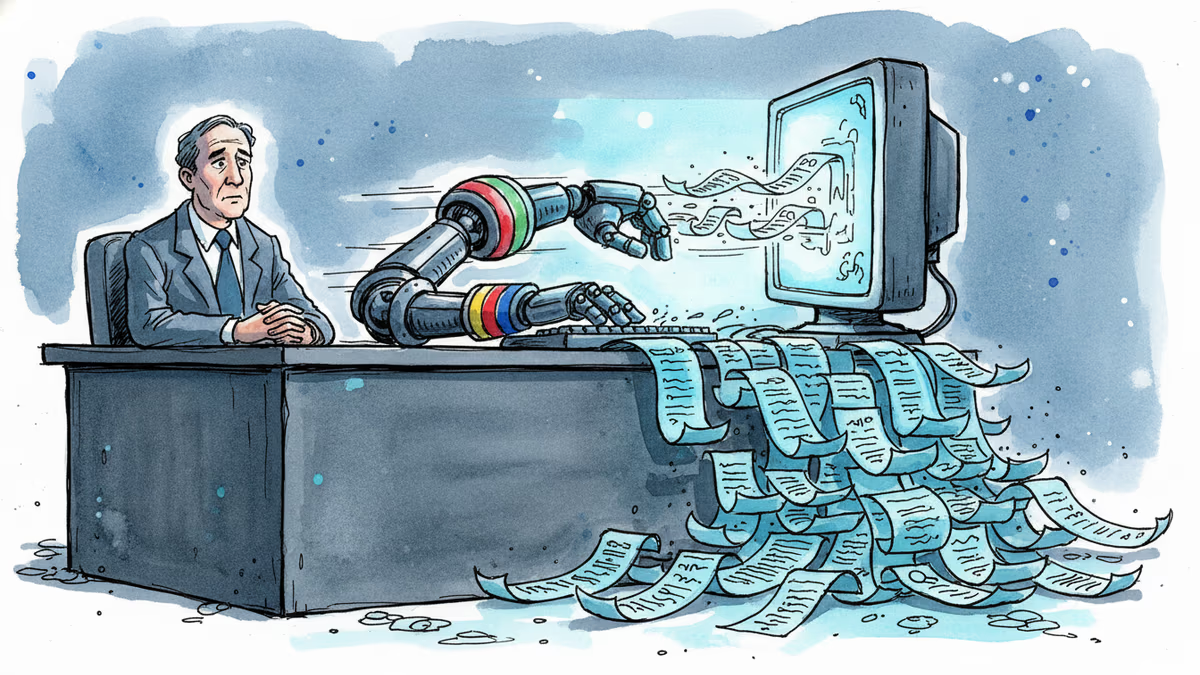
Google is building AI agents that search the web proactively, without user prompting. That's not just a product update — it's a fundamental shift in who controls the information you receive.
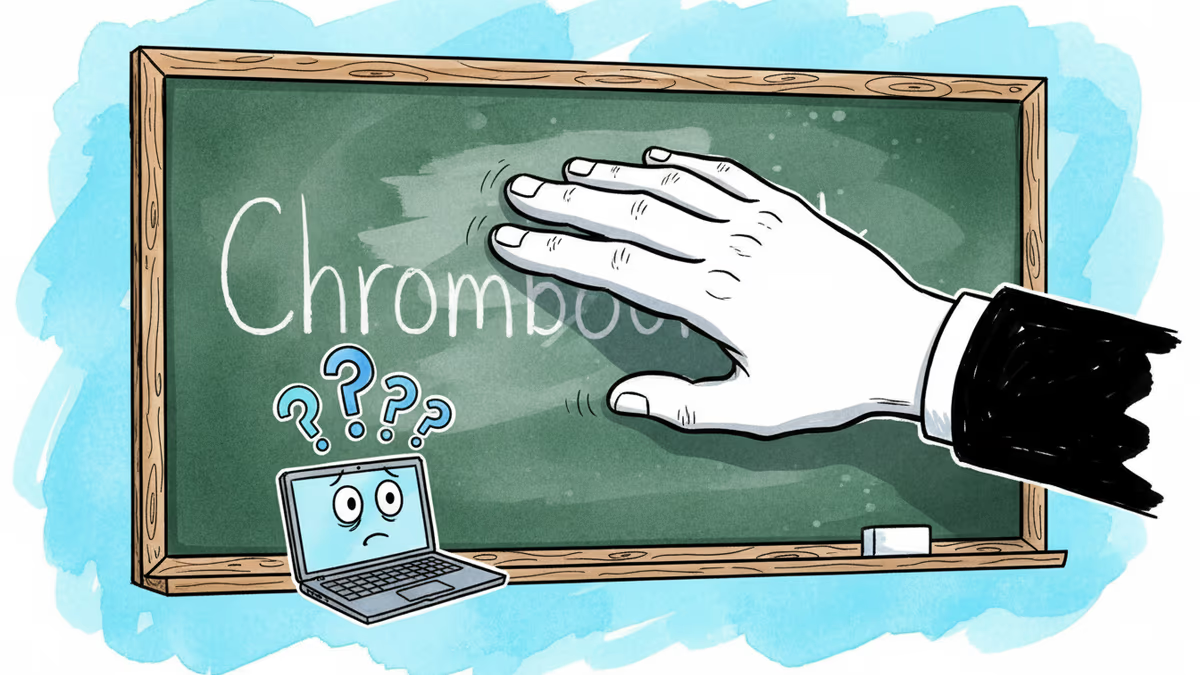
Google unveiled the 'Googlebook' platform to replace Chromebook and ChromeOS—but revealed zero hardware specs. What's the strategy, and what does it mean for users, manufacturers, and the education market?
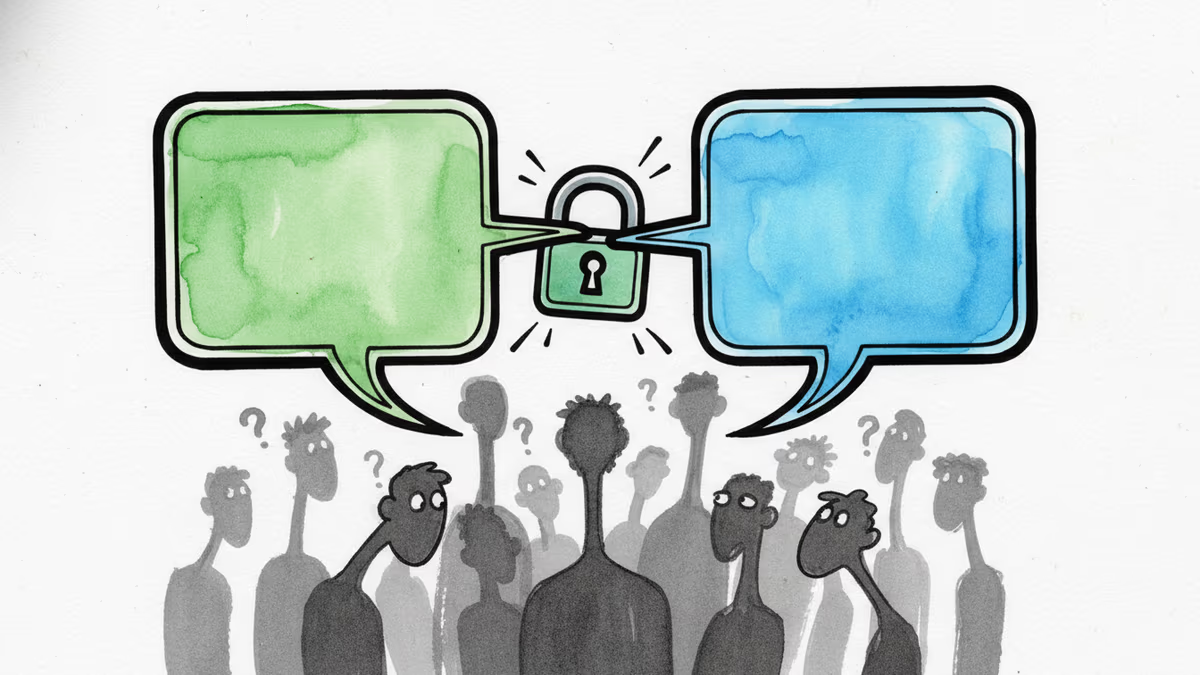
After 15 years of fragmented mobile messaging, Apple and Google are rolling out end-to-end encrypted RCS messaging between iPhones and Android devices. Here's what changed, why it took so long, and what it means for your privacy.
In a post-Google I/O interview, Sundar Pichai acknowledged flawed search results, real AI anxiety, and an AGI timeline that makes the label irrelevant. Here's what he said — and what it means.
Google is building AI agents that search the web proactively, without user prompting. That's not just a product update — it's a fundamental shift in who controls the information you receive.
Google unveiled the 'Googlebook' platform to replace Chromebook and ChromeOS—but revealed zero hardware specs. What's the strategy, and what does it mean for users, manufacturers, and the education market?
After 15 years of fragmented mobile messaging, Apple and Google are rolling out end-to-end encrypted RCS messaging between iPhones and Android devices. Here's what changed, why it took so long, and what it means for your privacy.
Thoughts
Share your thoughts on this article
Sign in to join the conversation