

MIT 10 Breakthrough Technologies 2026: The Hard Science Pivot
Explore the MIT 10 Breakthrough Technologies 2026. From EVTOLs to nuclear fusion, the focus is shifting from social apps to solving the world's most critical problems.
"We were promised flying cars, instead we got 140 characters." This iconic quip from Peter Thiel defined an era of tech cynicism. For over 15 years, the industry seemed more focused on delivering burritos and sharing photos than on solving the planet's existential threats. But the tide's finally turning.
MIT 10 Breakthrough Technologies 2026: Real Tech is Back
According to MIT Technology Review, the focus has shifted from business model disruptions to genuine scientific breakthroughs. While the 2010s were marred by the empty promises of startups like Theranos, the 10 breakthrough technologies of today are built on much firmer ground. We're seeing tangible progress in Quantum computing, Nuclear fusion, and Carbon capture.
Even the long-mocked flying car is no longer a joke. EVTOL (electric vertical takeoff and landing) vehicles are moving from blueprints to reality. These aircraft can lift off without a runway, promising to revolutionize urban mobility. Alongside this, mRNA vaccines and Gene editing are proving that tech can do more than just entertain—it can save lives at scale.

The Shift from Hype to Hard Problems
Technology is a double-edged sword. While 2023 saw the rise of cheap military drones, the majority of current breakthroughs aim for the better: fighting climate change and curing incurable diseases. It's a reminder that while the 'tech bro' manifestos are often criticized, their core tenet remains valid—we can and must solve big problems.
We're moving into a quieter, more deliberate phase of the future. The era of 'moving fast and breaking things' is being replaced by 'thinking deep and building better.' As we face insurmountable hyperobjects like global warming, these scientific tools are our best and perhaps only hope.
Authors
Related Articles
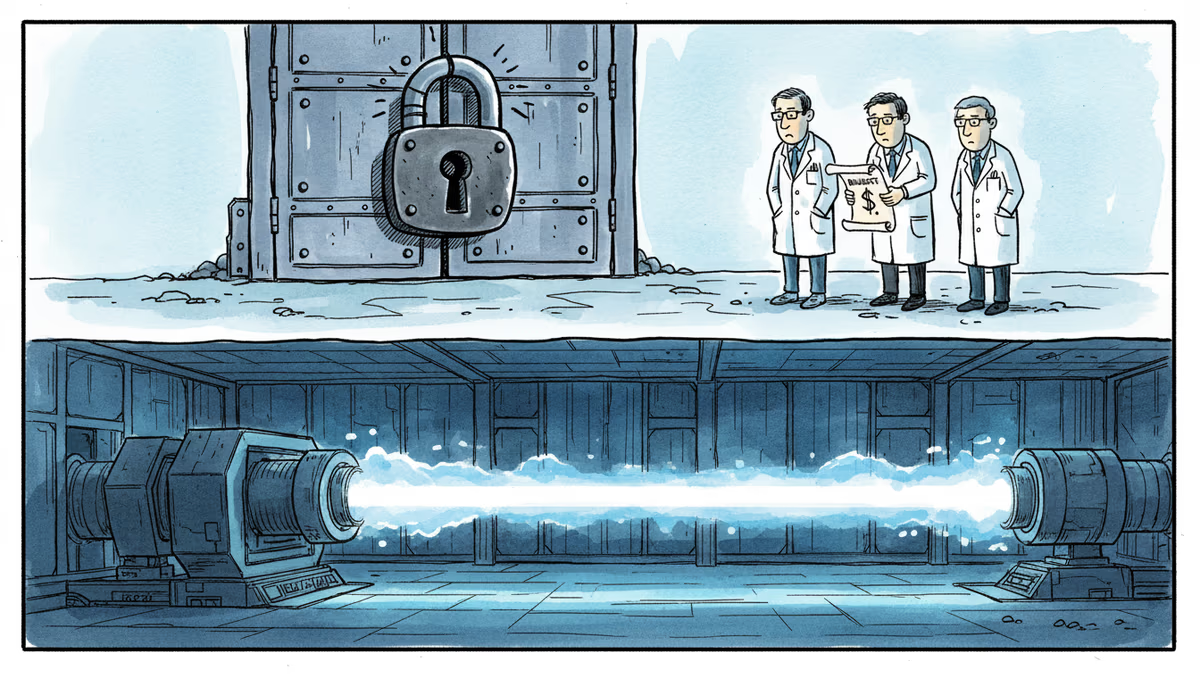
The Texas Petawatt laser—capable of outpowering the entire US electrical grid for a trillionth of a second—has shut down due to funding cuts. What does this mean for fusion energy and America's scientific future?
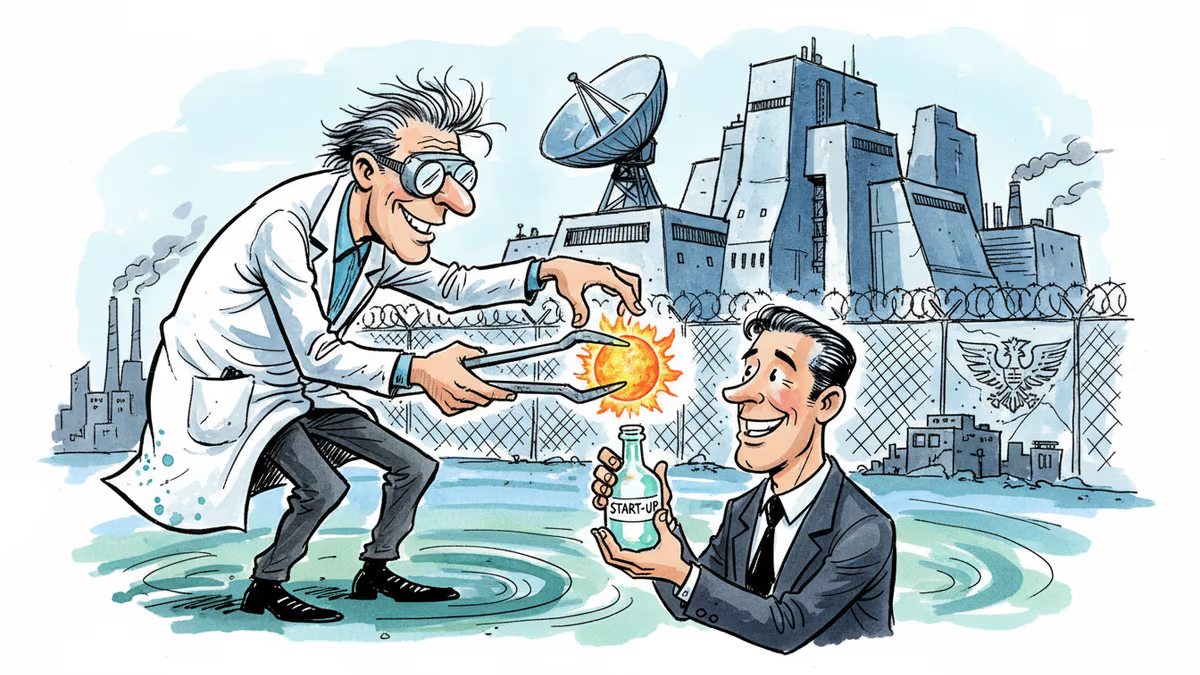
Inertia Enterprises just signed three agreements with Lawrence Livermore National Laboratory, licensing nearly 200 patents. Is this the moment laser fusion gets serious about the grid?
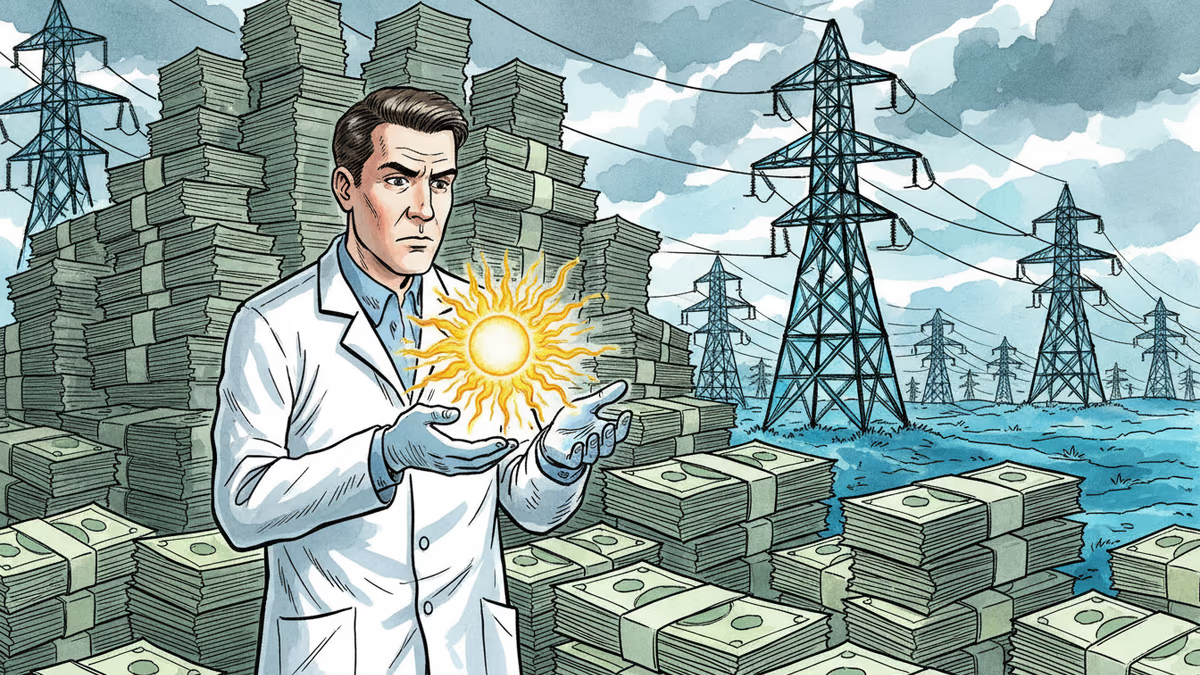
Fusion startups have raised over $10 billion as energy demand from AI data centers surges. Here's what's actually being built, which approaches are closest, and why this time might—just might—be different.

Europe pours billions into early-stage climate startups, only to watch them fail at Series B. New funds like Kembara are trying to bridge this 'valley of death.
The Texas Petawatt laser—capable of outpowering the entire US electrical grid for a trillionth of a second—has shut down due to funding cuts. What does this mean for fusion energy and America's scientific future?
Inertia Enterprises just signed three agreements with Lawrence Livermore National Laboratory, licensing nearly 200 patents. Is this the moment laser fusion gets serious about the grid?
Fusion startups have raised over $10 billion as energy demand from AI data centers surges. Here's what's actually being built, which approaches are closest, and why this time might—just might—be different.
Europe pours billions into early-stage climate startups, only to watch them fail at Series B. New funds like Kembara are trying to bridge this 'valley of death.
Thoughts
Share your thoughts on this article
Sign in to join the conversation