
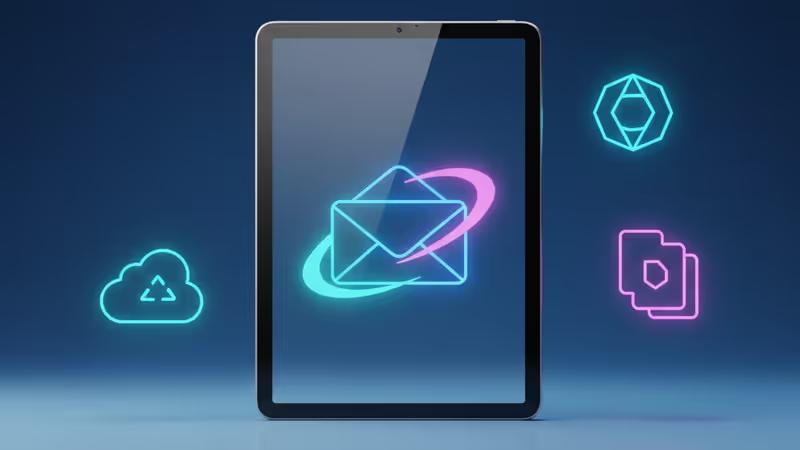
Goodbye Embarrassment: Google Spotted Testing Gmail Address Change Feature
Google may soon allow users to change their @gmail.com addresses without losing account data. Discover the details of the Gmail address change update.
Your cringeworthy middle school email address might finally have an expiration date. Tech site 9to5Google recently discovered evidence that Google is rolling out the ability to update your Gmail address change update without losing your precious files, records, or account history.
The Gmail Address Change Update: What We Know
The potential change was first spotted on a Hindi-language Google Account support page. According to the translated text, users can change their address ending in @gmail.com to a completely new one within the same domain. The forum post indicated that this feature is "gradually rolling out to all users."

If you'd like, you can change your Google Account email address that ends in gmail.com to a new email address that ends in gmail.com.
Data Continuity and Global Availability
Currently, the English version of the support page still states that users "usually can't change" their @gmail.com addresses. This suggests a phased deployment where certain regions or languages see the update first. If confirmed, this would eliminate the need to migrate years of Google Drive and Google Photos data to a new account just for the sake of a professional-sounding username.
Authors
Related Articles
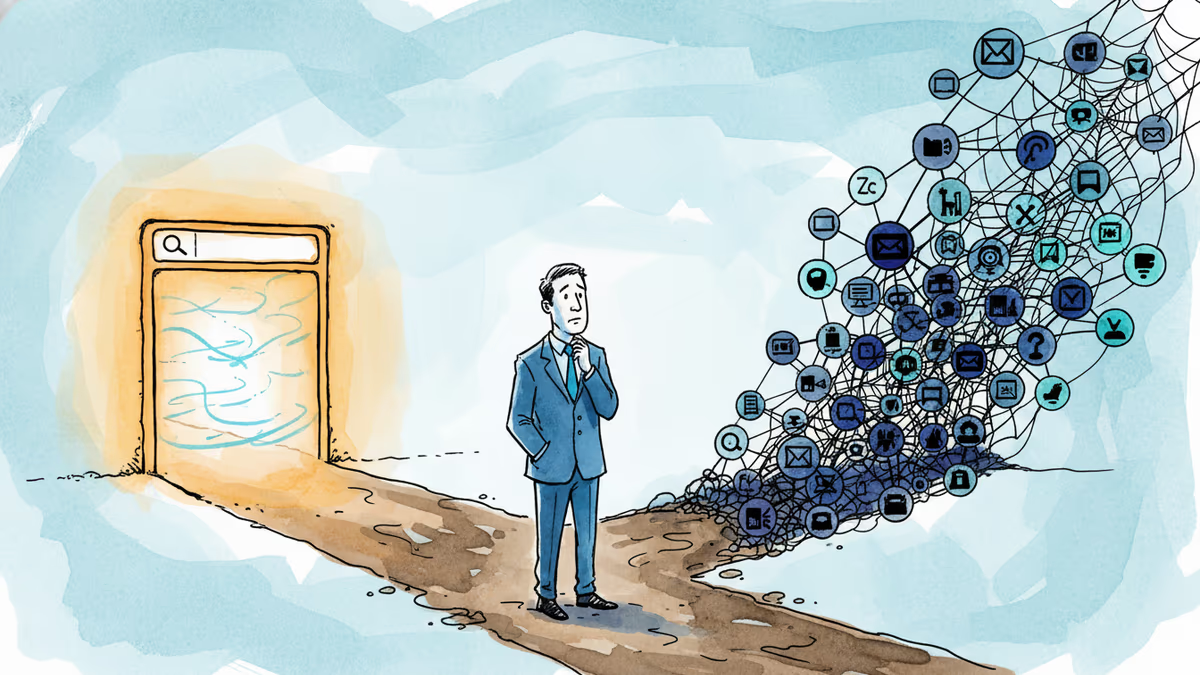
In a post-Google I/O interview, Sundar Pichai acknowledged flawed search results, real AI anxiety, and an AGI timeline that makes the label irrelevant. Here's what he said — and what it means.
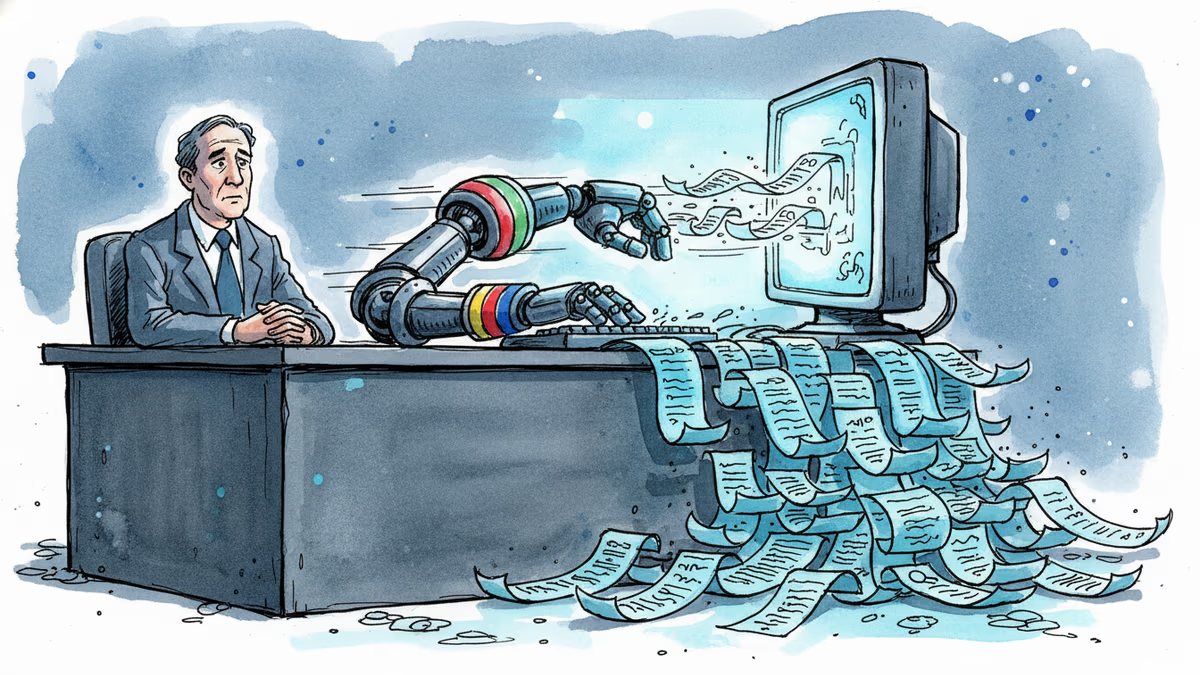
Google is building AI agents that search the web proactively, without user prompting. That's not just a product update — it's a fundamental shift in who controls the information you receive.
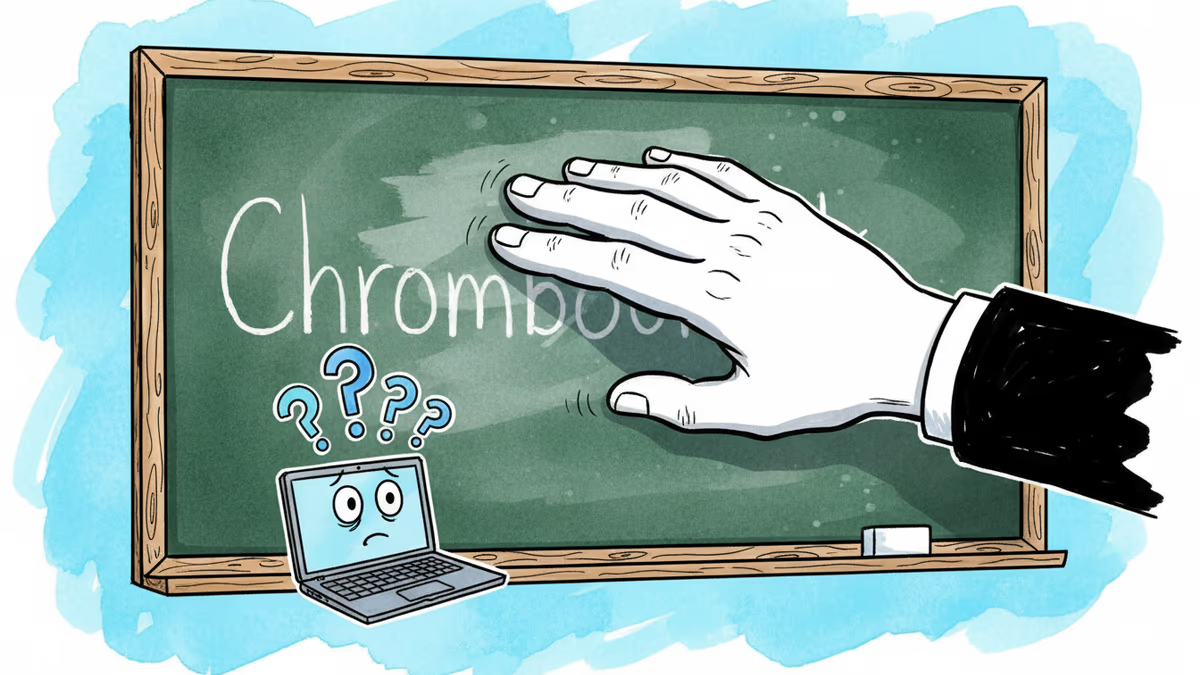
Google unveiled the 'Googlebook' platform to replace Chromebook and ChromeOS—but revealed zero hardware specs. What's the strategy, and what does it mean for users, manufacturers, and the education market?
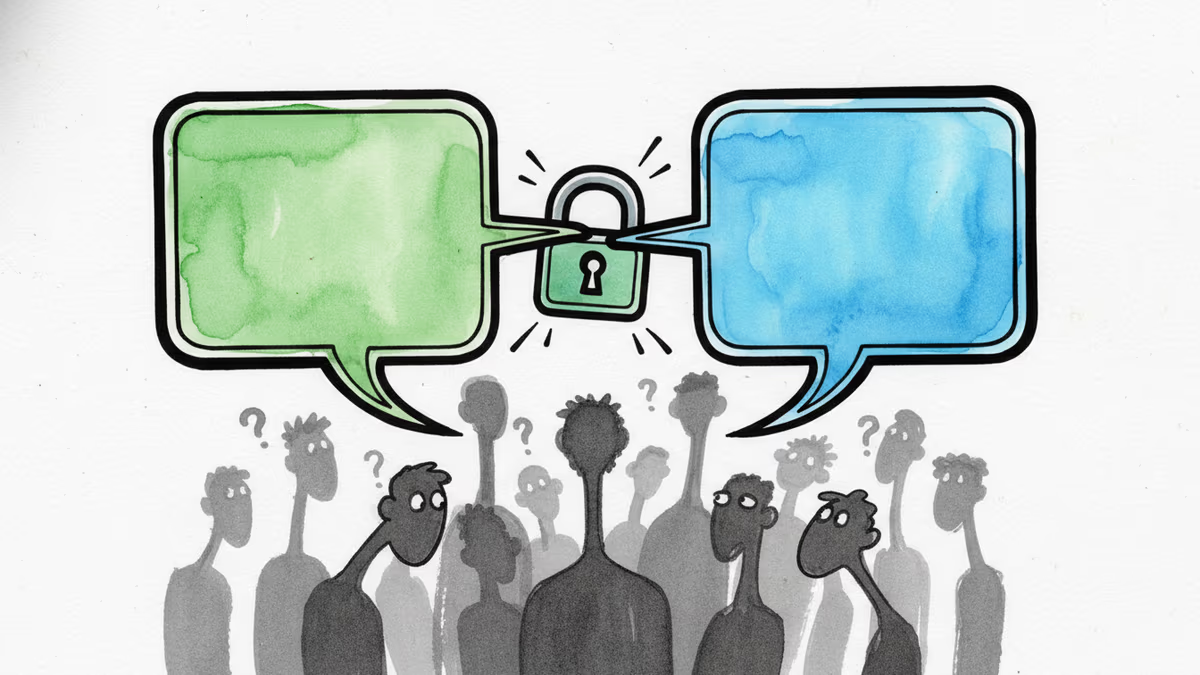
After 15 years of fragmented mobile messaging, Apple and Google are rolling out end-to-end encrypted RCS messaging between iPhones and Android devices. Here's what changed, why it took so long, and what it means for your privacy.
In a post-Google I/O interview, Sundar Pichai acknowledged flawed search results, real AI anxiety, and an AGI timeline that makes the label irrelevant. Here's what he said — and what it means.
Google is building AI agents that search the web proactively, without user prompting. That's not just a product update — it's a fundamental shift in who controls the information you receive.
Google unveiled the 'Googlebook' platform to replace Chromebook and ChromeOS—but revealed zero hardware specs. What's the strategy, and what does it mean for users, manufacturers, and the education market?
After 15 years of fragmented mobile messaging, Apple and Google are rolling out end-to-end encrypted RCS messaging between iPhones and Android devices. Here's what changed, why it took so long, and what it means for your privacy.
Thoughts
Share your thoughts on this article
Sign in to join the conversation