

The $2,000 AI Ad That's Shaking Up Madison Avenue
Kalshi's $2,000 AI-generated commercial reveals how artificial intelligence is disrupting traditional advertising. What does this mean for creativity, jobs, and the future of marketing?
$2,000. That's all it cost Kalshi to produce their latest commercial. In an industry where a single TV spot can easily run into the hundreds of thousands—or even millions—this isn't just cost-cutting. It's a fundamental shift that could reshape how we think about advertising altogether.
According to The Verge, ad agencies are embracing AI-generated commercials with surprising enthusiasm. The math is simple: production costs drop by 99%, timelines shrink from weeks to days, and the creative possibilities seem endless. But behind these impressive numbers lies a more complex story about what happens when artificial intelligence meets human creativity.
The Creative Conundrum
Advertising has always been about more than selling products. It's storytelling, emotion, and art wrapped in a commercial package. For decades, the industry has prided itself on campaigns that don't just inform but inspire, entertain, and sometimes even move people to tears. Now AI promises to deliver all of this for the price of a decent laptop.
Kalshi's commercial demonstrates the practical reality of AI advertising. No film crews, no casting calls, no location shoots, no post-production marathons. Just algorithms analyzing scripts, generating footage, and assembling the final product. The result? A polished commercial that looks professionally made because, in many ways, it is.
Yet this efficiency raises uncomfortable questions. Can an algorithm truly understand human emotion? Does creativity require human experience, or can it be reduced to patterns and data points that machines can master?
Industry Earthquake
The advertising world isn't just watching this transformation—it's actively driving it. Major agencies like WPP, Ogilvy, and BBDO are investing heavily in AI creative tools. They're not just experimenting; they're building entire workflows around artificial intelligence.

The implications extend far beyond cost savings. AI can generate dozens of ad variations simultaneously, test them in real-time, and optimize based on performance data. This level of iteration and personalization was previously impossible at scale. Imagine creating 50 different versions of the same commercial, each tailored to specific demographics, and running them all simultaneously to see which performs best.
For smaller businesses and startups, this democratizes advertising in unprecedented ways. A company with a $10,000 marketing budget can now produce content that rivals what major corporations spend millions on. The playing field isn't just leveling—it's being completely reconstructed.
The Human Element
But here's where it gets interesting: consumers are starting to notice. Early research suggests people have complex reactions to AI-generated content. When the quality is high, they don't seem to care much about how it was made. But there's also a growing awareness—and sometimes skepticism—about authenticity.
Some viewers find AI ads slightly "off," even when they can't pinpoint exactly why. Others appreciate the novelty and technical achievement. The question isn't whether AI can make good ads—Kalshi has already proven it can. The question is whether AI can make ads that genuinely connect with human experiences.
This is particularly relevant as consumers become more conscious of AI's role in their daily lives. Will "Made with AI" become a selling point or a warning label? The answer likely depends on execution, transparency, and cultural context.
The Talent Dilemma
Perhaps the most sensitive aspect of this shift is its impact on creative professionals. Directors, cinematographers, editors, and countless other specialists have built careers around the technical and artistic challenges of ad production. If AI can handle these tasks for $2,000, what happens to their expertise?
Some industry veterans argue that AI will augment rather than replace human creativity. They envision a future where creatives focus on strategy, concept development, and emotional intelligence while AI handles execution. Others worry that once the technical barriers disappear, the perceived value of creative work will plummet.
The reality is probably somewhere in between. AI excels at certain types of content—particularly straightforward product demos or data-driven messaging. But complex emotional narratives, cultural nuance, and breakthrough creative concepts still seem to require human insight.
Authors
Related Articles

Samsung and SK unveiled a chip and AI investment package worth thousands of trillions of won on June 29. The headline number swings wildly by outlet, but the real contest isn't capital — it's water and power.
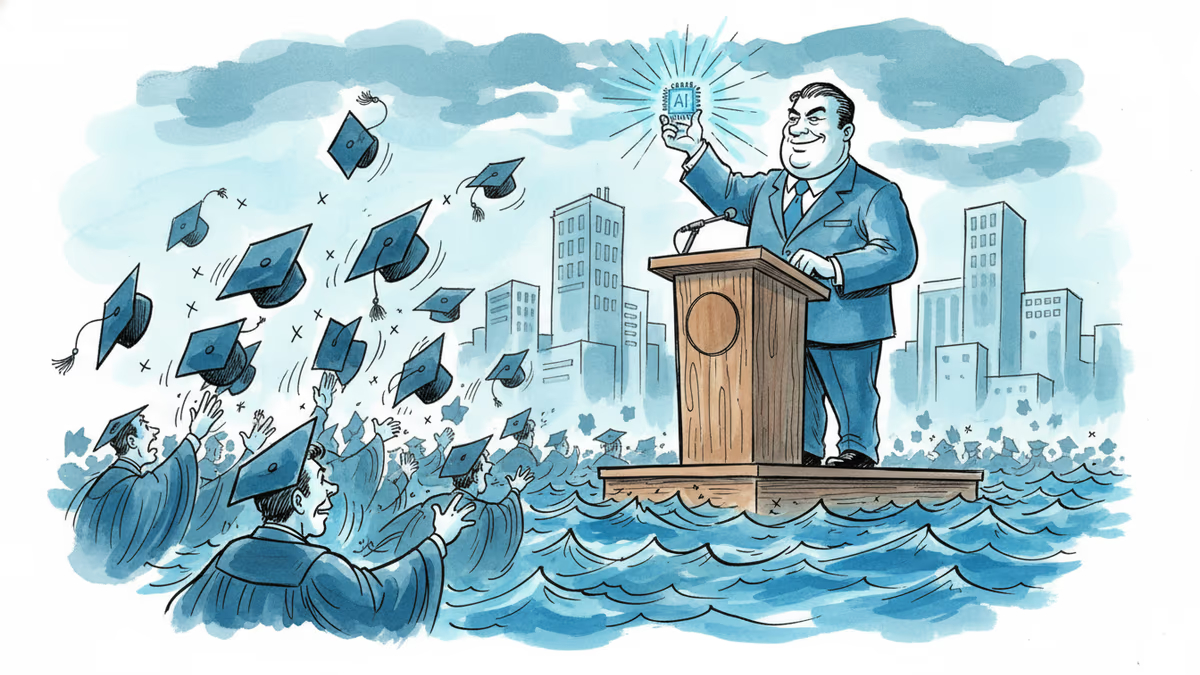
Viral videos show 2026 graduates jeering executives who praise AI at commencement ceremonies. It's not just rudeness — it's a signal about who pays for technological optimism.
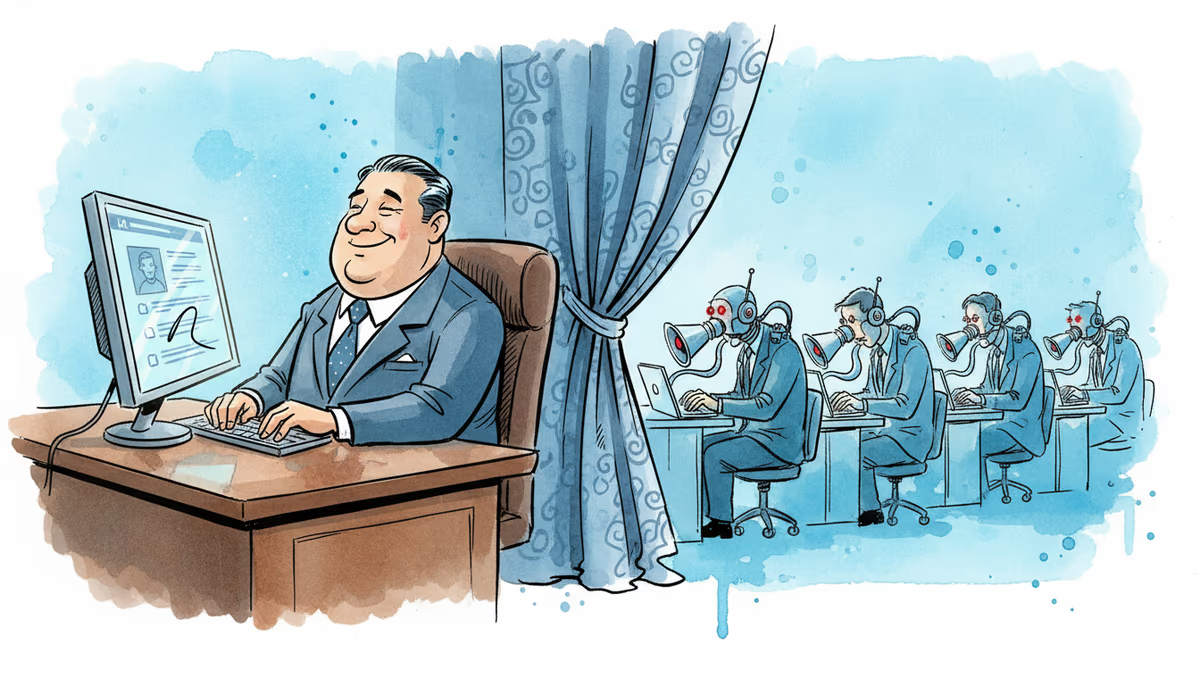
Filipino virtual assistants using AI to ghost-manage LinkedIn profiles for executives is now a structured industry. 30 comments a day, fake engagement rings, and a platform struggling to tell real from fabricated.
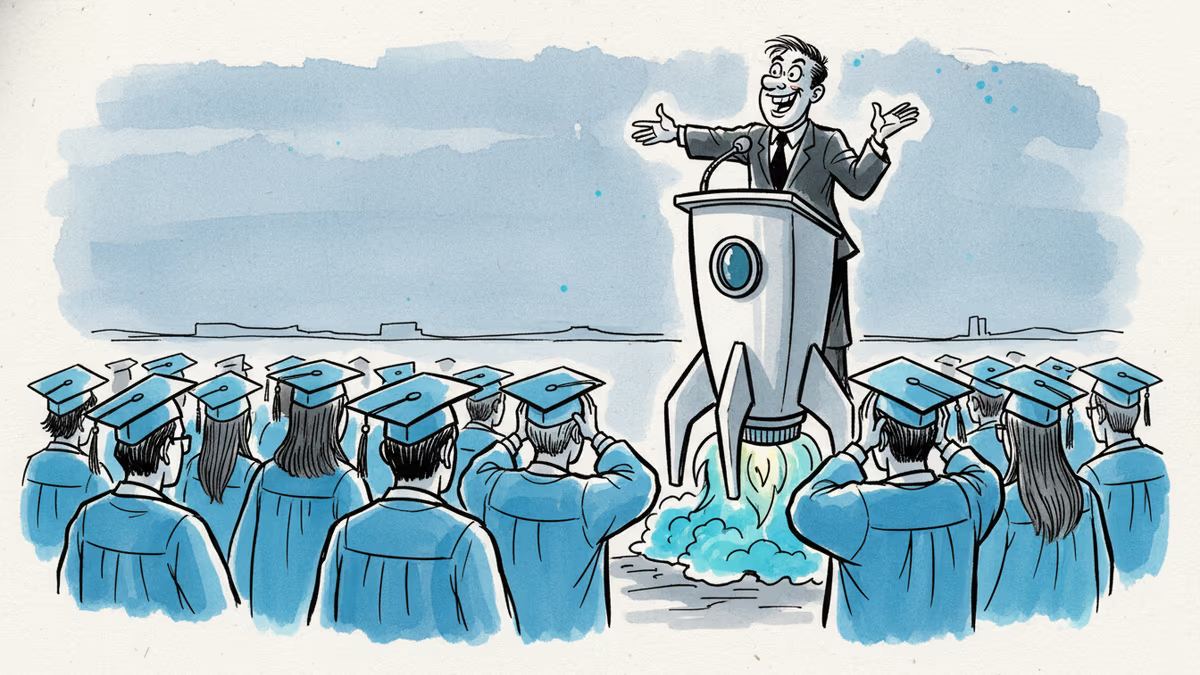
Two commencement speakers learned the hard way that AI enthusiasm doesn't land well with today's graduates. The backlash reveals a widening gap between tech optimism and Gen Z's economic reality.
Samsung and SK unveiled a chip and AI investment package worth thousands of trillions of won on June 29. The headline number swings wildly by outlet, but the real contest isn't capital — it's water and power.
Viral videos show 2026 graduates jeering executives who praise AI at commencement ceremonies. It's not just rudeness — it's a signal about who pays for technological optimism.
Filipino virtual assistants using AI to ghost-manage LinkedIn profiles for executives is now a structured industry. 30 comments a day, fake engagement rings, and a platform struggling to tell real from fabricated.
Two commencement speakers learned the hard way that AI enthusiasm doesn't land well with today's graduates. The backlash reveals a widening gap between tech optimism and Gen Z's economic reality.
Thoughts
Share your thoughts on this article
Sign in to join the conversation