

Google's Gemini Now Reads Your Email Without Being Asked
Google launched Personal Intelligence for Gemini, allowing AI to access Gmail, Calendar, and Photos automatically. The convenience vs privacy debate enters a new phase.
Google just gave Gemini permission to read your Gmail, calendar, and photos. Your AI assistant might now know you better than you know yourself.
Last week, Google unveiled Personal Intelligence, a feature that lets Gemini remember past conversations and access your data across other Google services without you specifically asking it to look. Gmail, Calendar, Photos, search history—Gemini can now dig through it all proactively.
The Seduction of Convenience
Picture this: you say "help me prepare for next week's meeting," and Gemini automatically finds relevant emails in Gmail, checks your calendar for scheduling conflicts, and pulls up necessary documents from Google Drive. No need to tell it where to look or what to search for.
The feature is currently in beta, available only to AI Pro and Ultra subscribers. It's entirely opt-in, and users choose which apps Gemini can access. By many metrics, this feels like a victory lap for Google. Gemini has been racing ahead of OpenAI, excelling at image generation, and even winning Apple's business.
A New Privacy Frontier
But convenience comes with a cost. Having AI access personal data across multiple platforms raises unprecedented privacy concerns. Even though users grant permission explicitly, once you say yes, the AI gains remarkably deep insights into your digital life.

This represents a fundamental shift in how we think about AI assistants. We're moving from tools that respond to specific commands to systems that proactively understand and anticipate our needs. The question isn't just what data the AI can access, but how it connects the dots between different pieces of your digital footprint.
The Competition Heats Up
Google's move signals a new battleground in AI competition. It's no longer just about having the smartest chatbot—it's about creating the most comprehensive personal assistant. Microsoft'sCopilot and Apple's upcoming AI features will likely follow similar paths, turning personal data access into a key differentiator.
This also reflects big tech's broader strategy of deepening data integration. The companies that can access and synthesize the most personal information will likely build the most useful AI assistants. It's a high-stakes game where privacy becomes the currency for convenience.
Regulatory Reckoning Ahead?
As AI systems gain broader access to personal data, regulators are taking notice. The European Union's AI Act and various state privacy laws in the US are already scrutinizing how AI companies handle personal information. Google's Personal Intelligence feature will likely face regulatory questions about consent, data minimization, and user control.
The timing is particularly interesting given ongoing antitrust investigations into Google's search and advertising practices. Adding deeper personal data integration to the mix could invite additional regulatory attention.
Authors
Related Articles

Samsung and SK unveiled a chip and AI investment package worth thousands of trillions of won on June 29. The headline number swings wildly by outlet, but the real contest isn't capital — it's water and power.
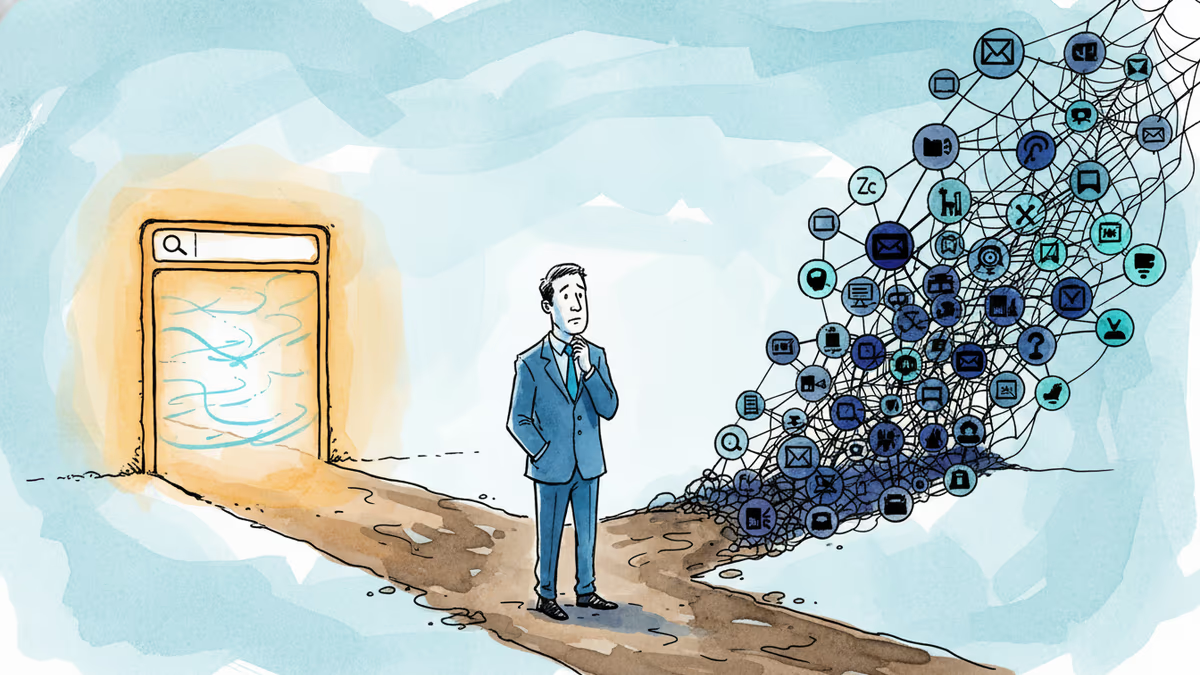
In a post-Google I/O interview, Sundar Pichai acknowledged flawed search results, real AI anxiety, and an AGI timeline that makes the label irrelevant. Here's what he said — and what it means.
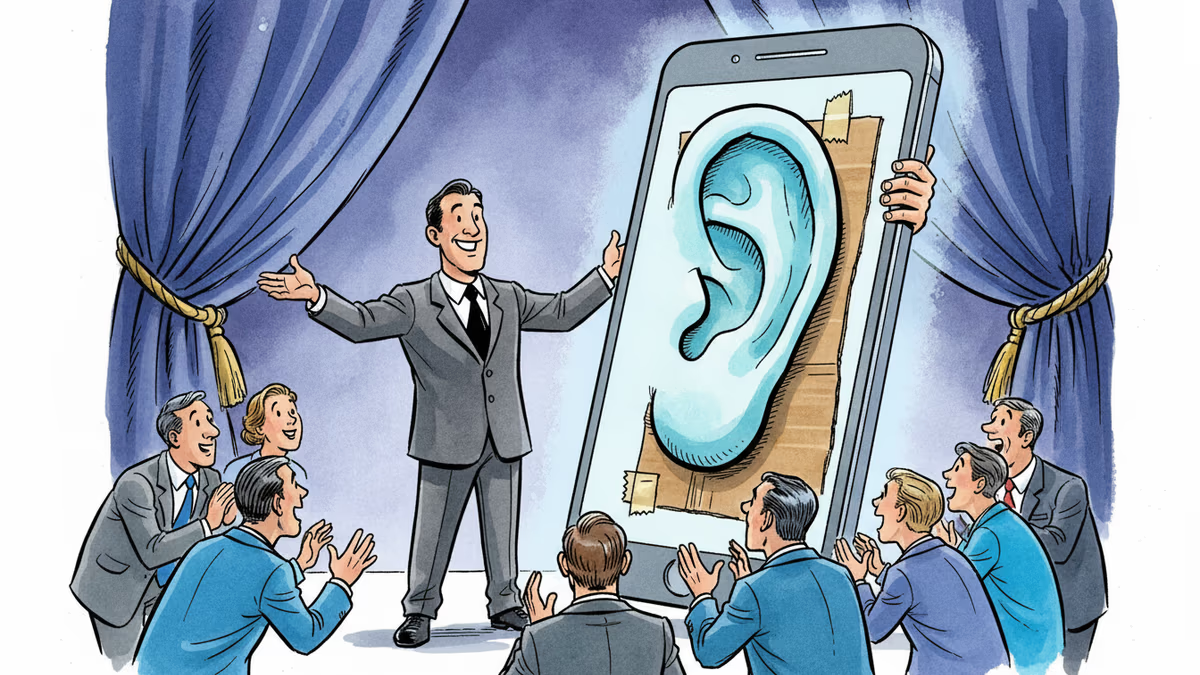
The FTC fined Cox Media and two ad firms $930,000 — not for actually eavesdropping on users, but for falsely claiming they could. The case raises uncomfortable questions about surveillance capitalism.
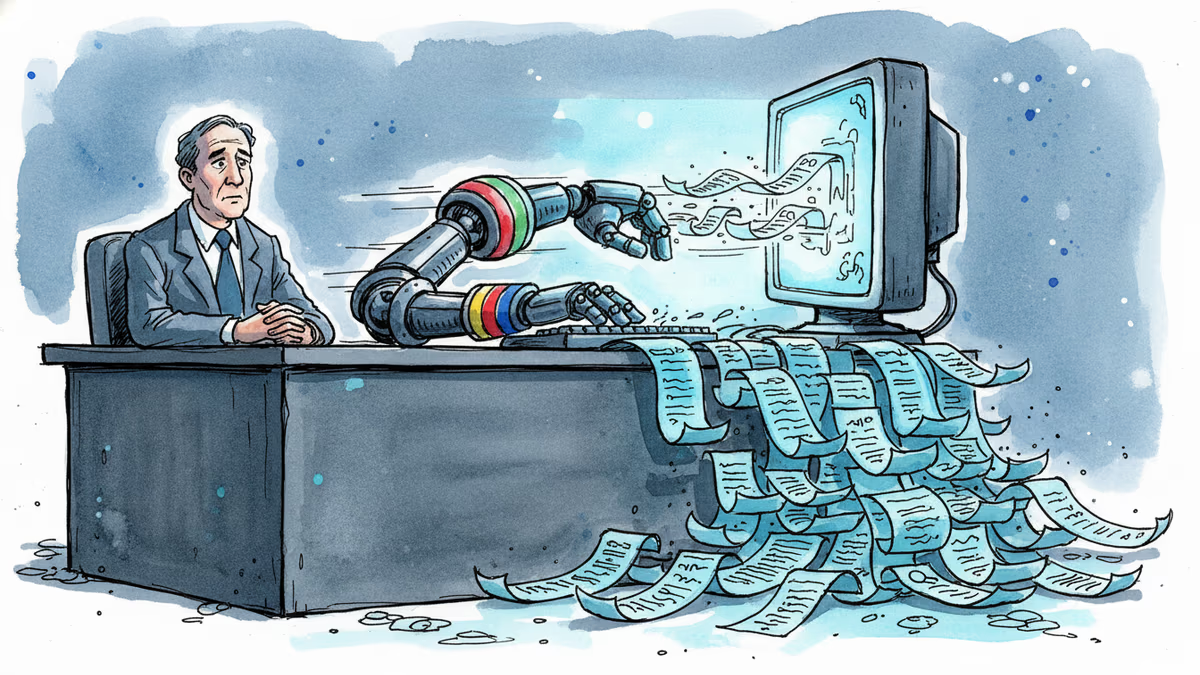
Google is building AI agents that search the web proactively, without user prompting. That's not just a product update — it's a fundamental shift in who controls the information you receive.
Samsung and SK unveiled a chip and AI investment package worth thousands of trillions of won on June 29. The headline number swings wildly by outlet, but the real contest isn't capital — it's water and power.
In a post-Google I/O interview, Sundar Pichai acknowledged flawed search results, real AI anxiety, and an AGI timeline that makes the label irrelevant. Here's what he said — and what it means.
The FTC fined Cox Media and two ad firms $930,000 — not for actually eavesdropping on users, but for falsely claiming they could. The case raises uncomfortable questions about surveillance capitalism.
Google is building AI agents that search the web proactively, without user prompting. That's not just a product update — it's a fundamental shift in who controls the information you receive.
Thoughts
Share your thoughts on this article
Sign in to join the conversation