

DHS Backs Down from Fight to Unmask Anonymous ICE Monitors (2026)
DHS has withdrawn its legal attempt to unmask anonymous social media accounts monitoring ICE in Pennsylvania. Read about the First Amendment win and the debate over agent privacy.
The digital mask stays on. The Department of Homeland Security (DHS) has officially backed down from its legal battle to identify the owners of Instagram and Facebook accounts that monitor Immigration and Customs Enforcement (ICE) activities in Pennsylvania.
DHS ICE Social Media Unmasking Retreat
One anonymous account holder, identified as John Doe, sued to block ICE from unmasking him and other online critics through summonses sent to Meta. Doe argued that the government's pursuit infringed on core First Amendment-protected activities. Initially, DHS fought back, claiming that community watch groups put agents in danger by posting photos and video of their faces, license plates, and weapons.

Contradictions in Agent Privacy
DHS Secretary Kristi Noem has frequently alleged that identifying ICE agents is a crime. However, this stance faced scrutiny when Wired reported that many ICE employees maintain easily discoverable LinkedIn profiles. By withdrawing the summonses, DHS avoids a definitive court ruling that could have set a stricter precedent against government surveillance of digital dissent.
Authors
Related Articles
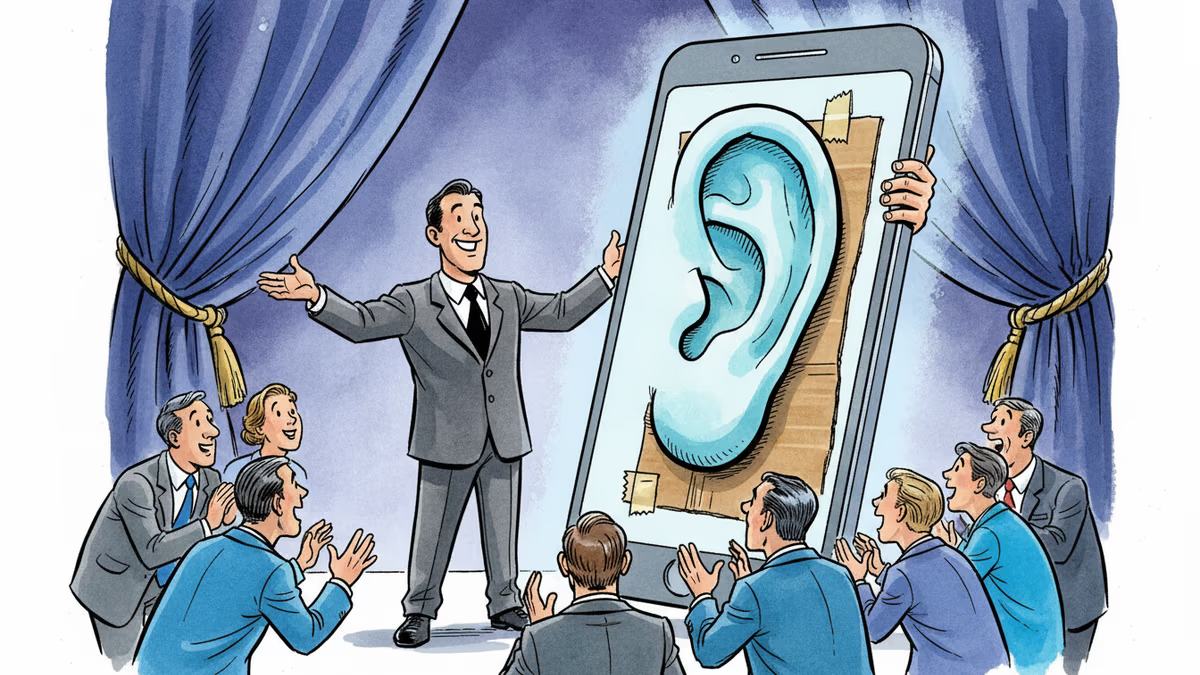
The FTC fined Cox Media and two ad firms $930,000 — not for actually eavesdropping on users, but for falsely claiming they could. The case raises uncomfortable questions about surveillance capitalism.
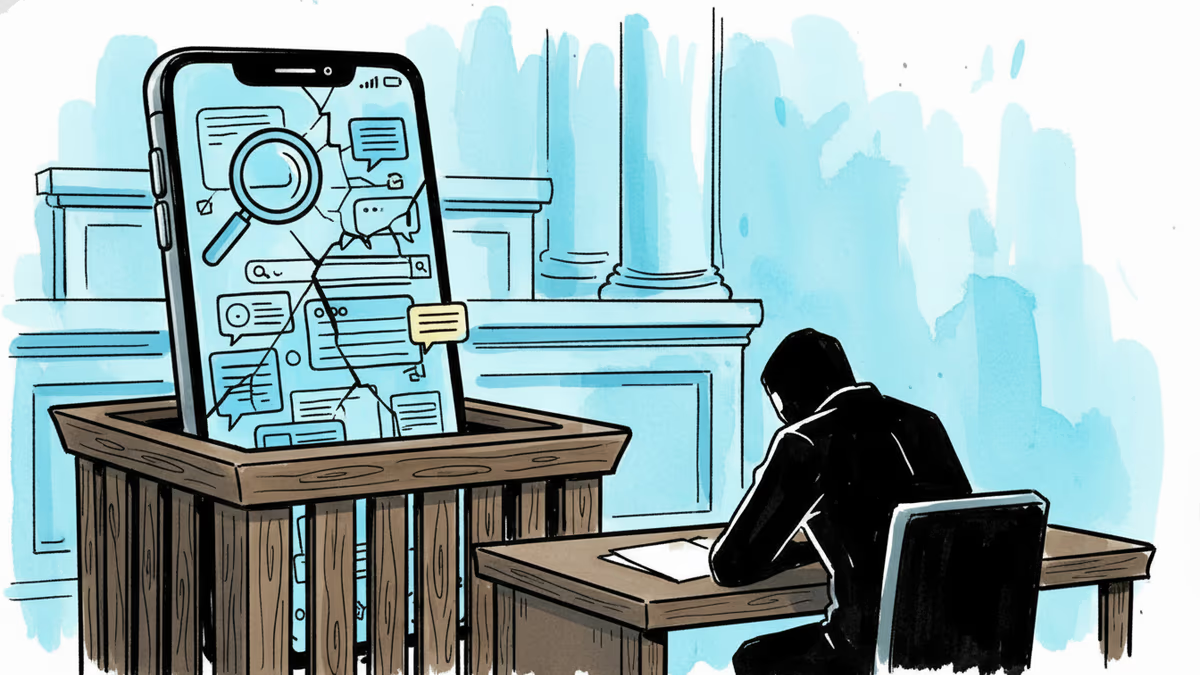
A Utah woman was sentenced to life in prison partly because of her Google searches and deleted texts. The Kouri Richins case reveals how digital footprints have become the courtroom's most reliable witness.
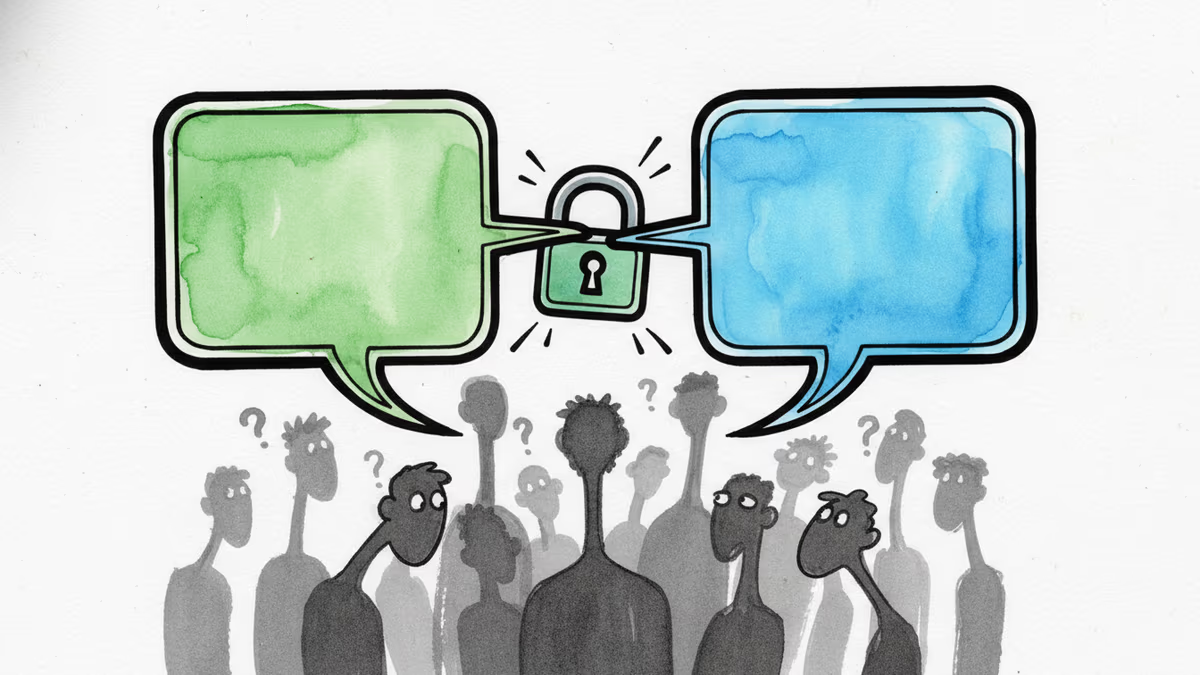
After 15 years of fragmented mobile messaging, Apple and Google are rolling out end-to-end encrypted RCS messaging between iPhones and Android devices. Here's what changed, why it took so long, and what it means for your privacy.
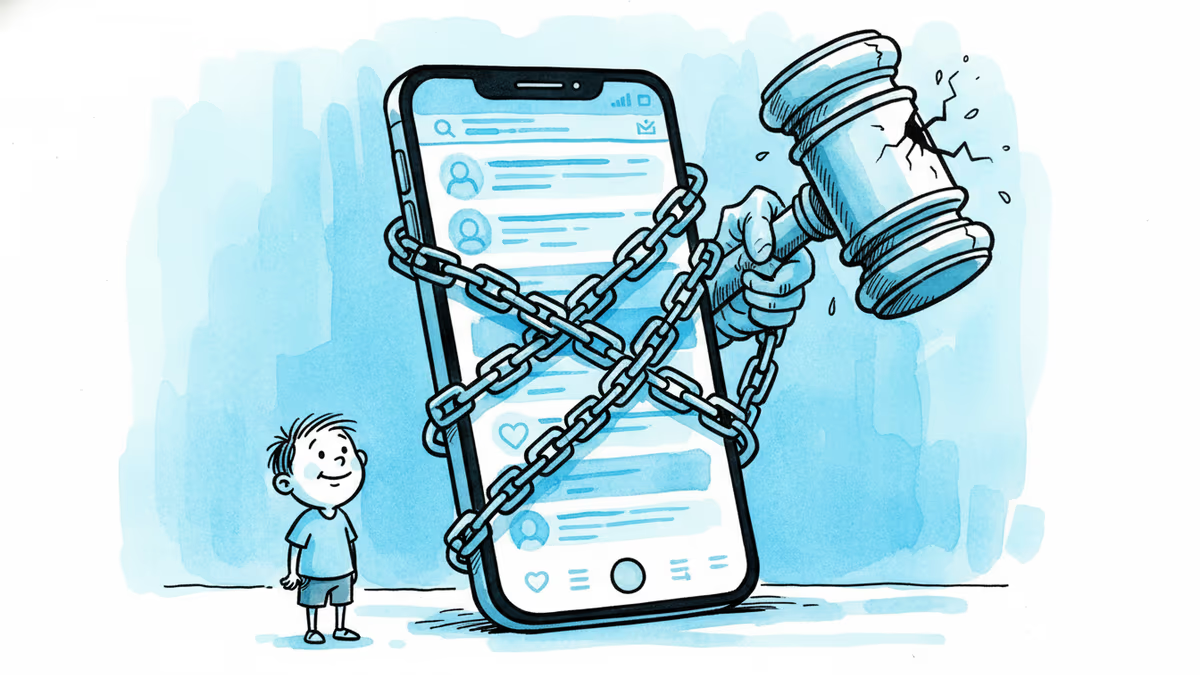
New Mexico already won $375 million from Meta. Now it wants something harder to give: a court order forcing Facebook, Instagram, and WhatsApp to redesign themselves. A three-week trial starts Monday.
The FTC fined Cox Media and two ad firms $930,000 — not for actually eavesdropping on users, but for falsely claiming they could. The case raises uncomfortable questions about surveillance capitalism.
A Utah woman was sentenced to life in prison partly because of her Google searches and deleted texts. The Kouri Richins case reveals how digital footprints have become the courtroom's most reliable witness.
After 15 years of fragmented mobile messaging, Apple and Google are rolling out end-to-end encrypted RCS messaging between iPhones and Android devices. Here's what changed, why it took so long, and what it means for your privacy.
New Mexico already won $375 million from Meta. Now it wants something harder to give: a court order forcing Facebook, Instagram, and WhatsApp to redesign themselves. A three-week trial starts Monday.
Thoughts
Share your thoughts on this article
Sign in to join the conversation