

FTC Meta Antitrust Appeal 2026: Challenging the Social Media Monopoly Ruling
The FTC is appealing its antitrust loss against Meta. Learn about the key legal arguments regarding the FTC Meta antitrust appeal 2026, Judge Boasberg's ruling, and TikTok's influence.
The legal crusade against Big Tech's dominance is far from over. The FTC officially announced on Tuesday its decision to appeal the recent loss in its high-stakes antitrust lawsuit against Meta.
According to The Verge, the federal agency is challenging the ruling delivered in November 2025 by US District Court Judge James Boasberg. The judge had concluded that the government failed to prove Meta maintained an illegal monopoly over social networking services intended for connecting with friends and family.
Key Friction Points in the FTC Meta Antitrust Appeal 2026

A major hurdle for the FTC has been the definition of the market itself. Judge Boasberg noted the agency faced an "uphill battle" partly because the market had evolved significantly during the 5 years between the initial filing and the trial.
The explosive rise of TikTok and shifting consumer habits toward short-form video content have complicated the government's argument that Meta remains the sole gatekeeper of social connections. Meta has consistently argued that it competes fiercely with a wide range of digital platforms.
Authors
Related Articles
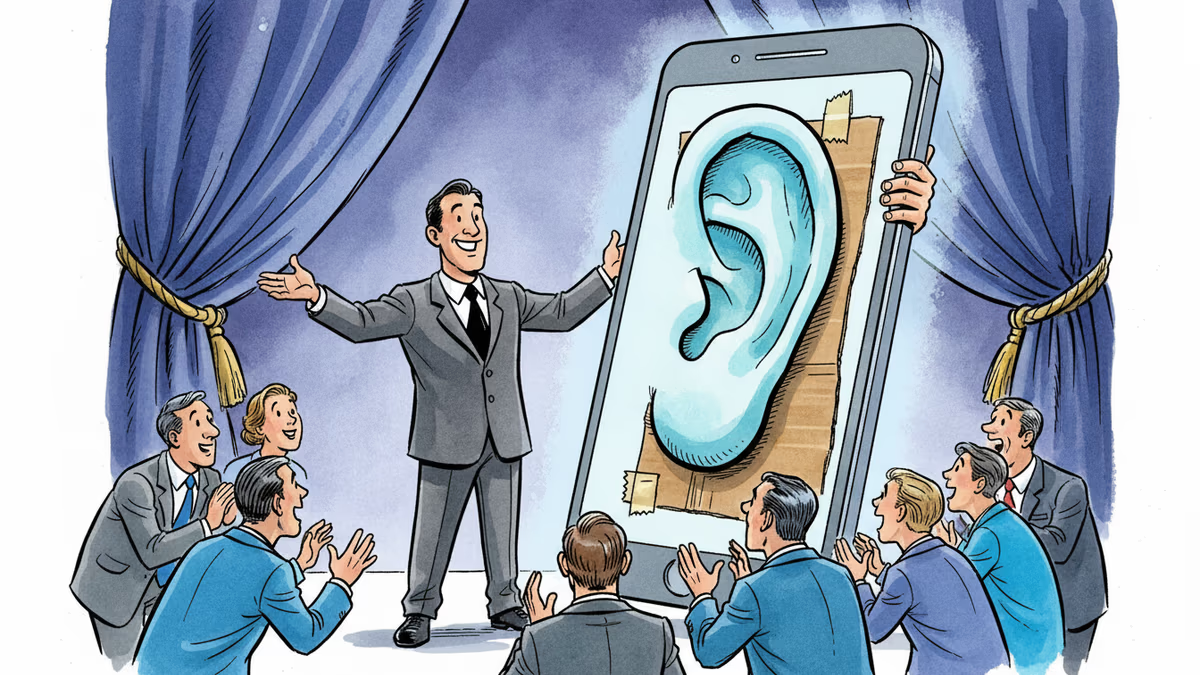
The FTC fined Cox Media and two ad firms $930,000 — not for actually eavesdropping on users, but for falsely claiming they could. The case raises uncomfortable questions about surveillance capitalism.
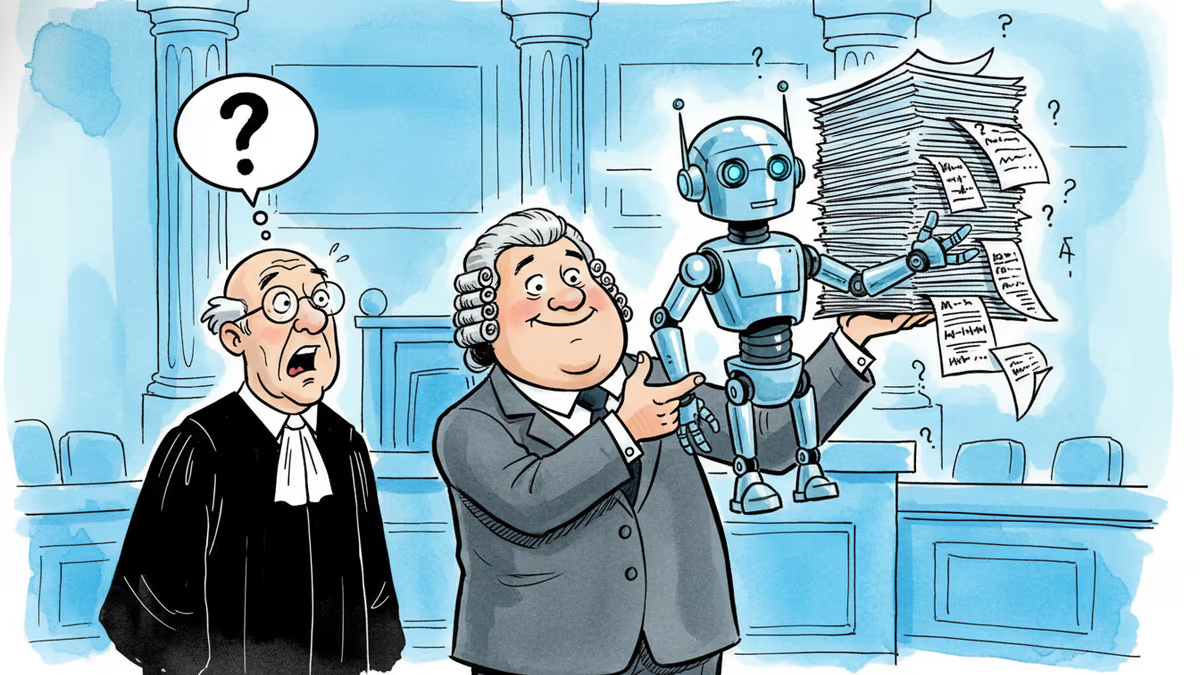
A law firm marketing itself on AI-powered legal success submitted fake citations in a federal appeal. Now its lawyers face sanctions — and the broader AI legal industry faces a credibility crisis.
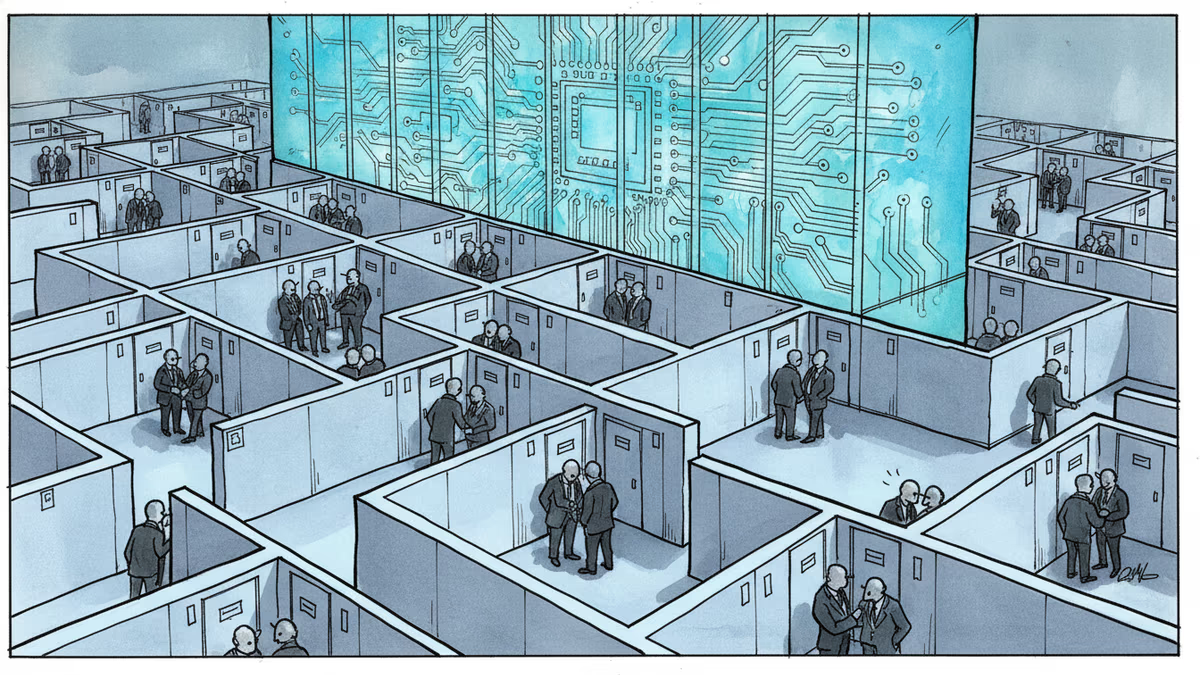
Behind every congressional hearing on Big Tech, there's a quieter room where the real rules get negotiated. As AI regulation, antitrust battles, and privacy law converge on Capitol Hill in 2026, the stakes have never been higher.
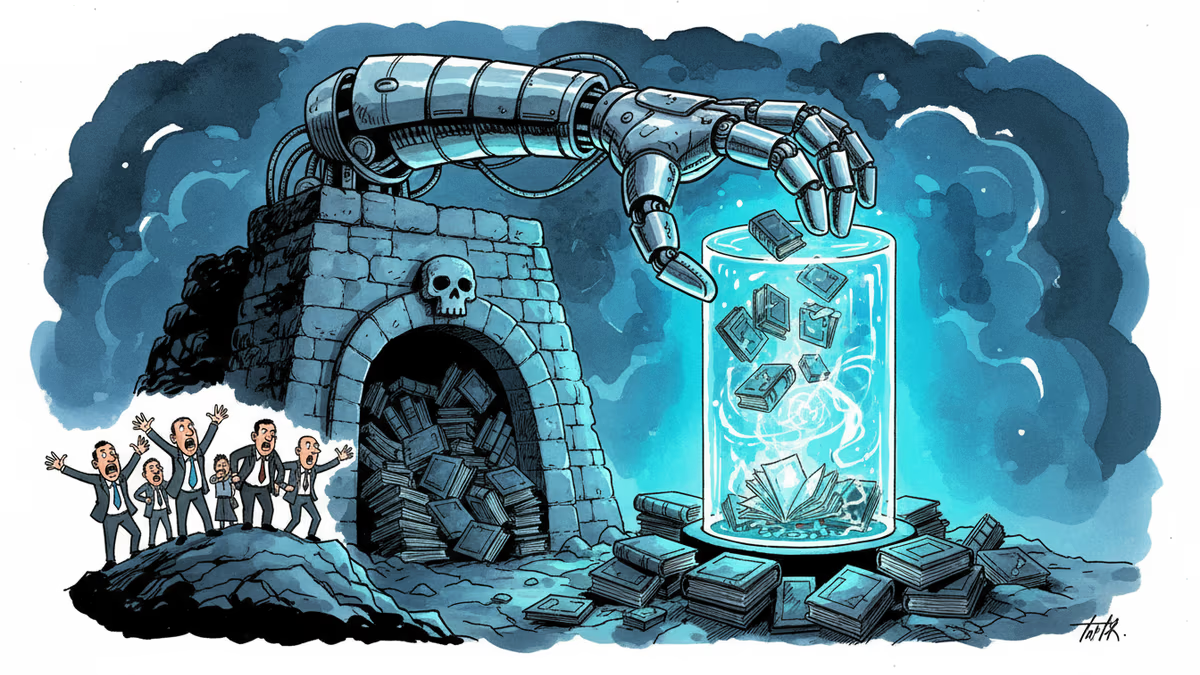
Five major publishers and author Scott Turow have filed a class action lawsuit against Meta, alleging the company used illegal pirate sites like LibGen to train its Llama AI models without permission.
The FTC fined Cox Media and two ad firms $930,000 — not for actually eavesdropping on users, but for falsely claiming they could. The case raises uncomfortable questions about surveillance capitalism.
A law firm marketing itself on AI-powered legal success submitted fake citations in a federal appeal. Now its lawyers face sanctions — and the broader AI legal industry faces a credibility crisis.
Behind every congressional hearing on Big Tech, there's a quieter room where the real rules get negotiated. As AI regulation, antitrust battles, and privacy law converge on Capitol Hill in 2026, the stakes have never been higher.
Five major publishers and author Scott Turow have filed a class action lawsuit against Meta, alleging the company used illegal pirate sites like LibGen to train its Llama AI models without permission.
Thoughts
Share your thoughts on this article
Sign in to join the conversation