

Sparkli AI Edtech 2026: How Former Googlers Are Reinventing Kids' Curiosity
Sparkli, founded by former Google employees, raises $5 million for its interactive AI learning app. Discover how Sparkli AI Edtech 2026 is changing education for kids.
Why show a picture of Mars when your child can explore it in an interactive expedition? Three former Google employees have launched Sparkli, a generative AI-powered app that's moving beyond the 'wall of text' problem found in tools like ChatGPT to offer truly immersive learning for kids.
Key Features of Sparkli AI Edtech 2026
Founded by Lax Poojary, Lucie Marchand, and Myn Kang, Sparkli uses generative AI to create customized media assets on the fly. When a child asks a complex question, the app generates a mix of audio, video, images, and quizzes within 2 minutes. The startup recently secured 5 million dollars in pre-seed funding led by Founderful, marking a significant milestone in the AI edtech sector.
Bridging the Gap Between Fun and Education

Sparkli doesn't just focus on coding or science; it covers modern life skills like financial literacy and entrepreneurship. The app is designed for children aged 5-12 and includes features like daily rewards and streaks, inspired by Duolingo. Safety is also a top priority, with a dedicated teacher module and pedagogical experts on the founding team to ensure the content is both safe and effective.
- Content Generation: Complete learning path in under 2 minutes
- Pilot Scope: Over 100,000 students in current school networks
- Release Date: Consumer access planned for mid-2026
Currently, Sparkli is testing its product in over 20 schools. While pricing for individual parents hasn't been finalized, the startup aims to provide a more engaging alternative to passive video consumption or standard AI chatbots.
Authors
Related Articles

Google's Gmail Live lets you ask your inbox questions out loud. Announced at I/O 2026, it's AI's pitch to skeptics — and a reminder of how much Google already knows about you.
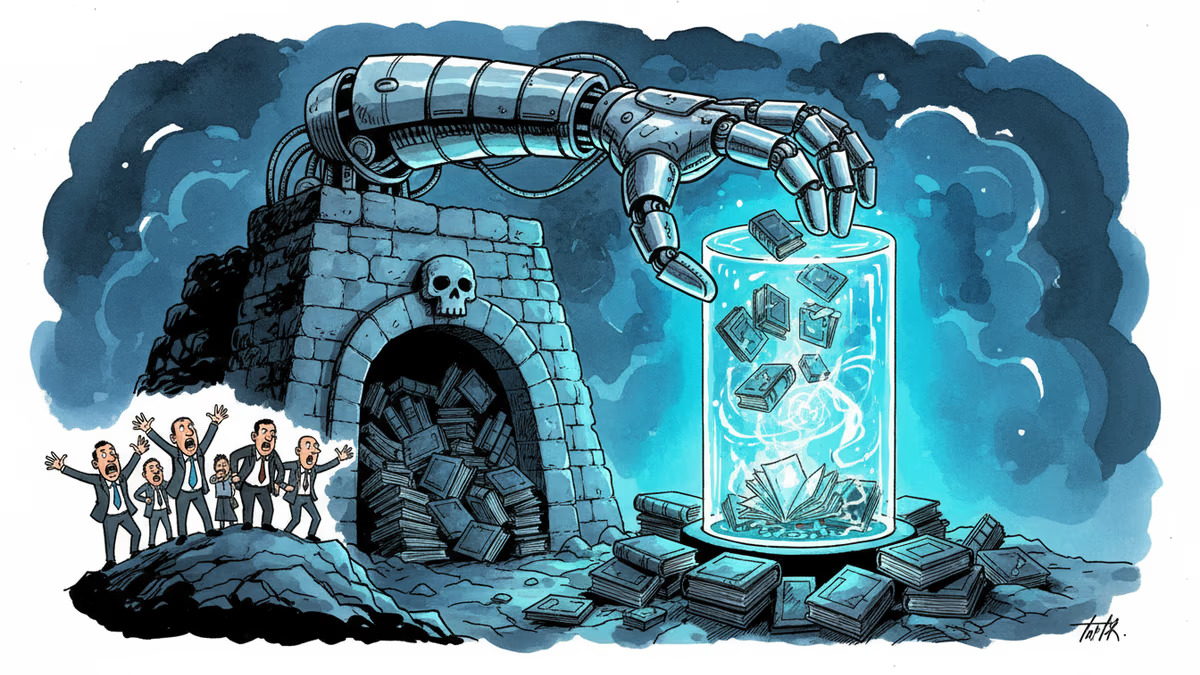
Five major publishers and author Scott Turow have filed a class action lawsuit against Meta, alleging the company used illegal pirate sites like LibGen to train its Llama AI models without permission.

Two ex-Apple engineers built an AI puck that only listens when you press it. At $179, Button is a deliberate bet that dedicated AI hardware beats the Swiss Army knife approach of smartphones.
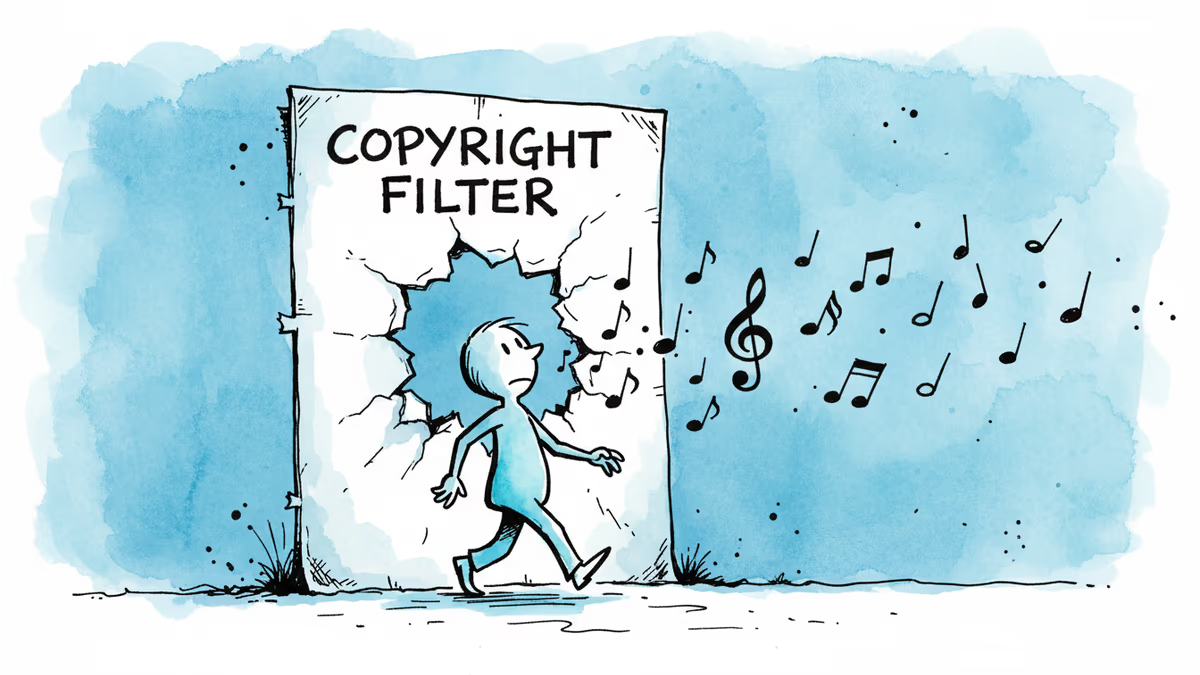
Suno's AI music platform claims to block copyrighted content, but researchers found its filters can be bypassed with minimal effort and free tools, generating near-identical imitations of Beyoncé, Black Sabbath, and more.
Google's Gmail Live lets you ask your inbox questions out loud. Announced at I/O 2026, it's AI's pitch to skeptics — and a reminder of how much Google already knows about you.
Five major publishers and author Scott Turow have filed a class action lawsuit against Meta, alleging the company used illegal pirate sites like LibGen to train its Llama AI models without permission.
Two ex-Apple engineers built an AI puck that only listens when you press it. At $179, Button is a deliberate bet that dedicated AI hardware beats the Swiss Army knife approach of smartphones.
Suno's AI music platform claims to block copyrighted content, but researchers found its filters can be bypassed with minimal effort and free tools, generating near-identical imitations of Beyoncé, Black Sabbath, and more.
Thoughts
Share your thoughts on this article
Sign in to join the conversation