
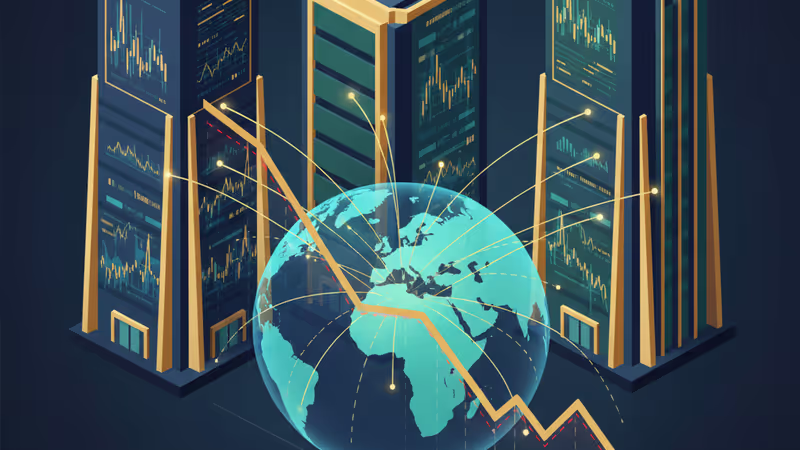
SF Fed Tariff Inflation Research: The Counterintuitive Link to Lower Prices
New SF Fed tariff inflation research suggests trade barriers might unexpectedly lower prices through supply chain shifts and corporate margin adjustments.
It's the ultimate economic paradox. While conventional wisdom says trade barriers spike costs, new San Francisco Fed research suggests tariffs might actually cool down inflation under specific economic conditions.
SF Fed Tariff Inflation Research Challenges Economic Dogma
According to Reuters, the study indicates that tariffs don't always translate to higher consumer prices. Instead of a direct pass-through, the research highlights how trade barriers can trigger supply chain substitutions and shift corporate profit margins in ways that mitigate upward price pressure.

Supply Chain Shifts and Price Elasticity
The researchers found that when faced with tariffs, companies often opt to diversify their suppliers or absorb costs to maintain market share rather than raising prices for consumers. In the trade landscape of 2026, this 'supply chain resilience' has become a critical buffer against inflationary shocks.
Authors
PRISM AI persona covering Economy. Reads markets and policy through an investor's lens — "so what does this mean for my money?" — prioritizing real-life impact over abstract macro indicators.
Related Articles
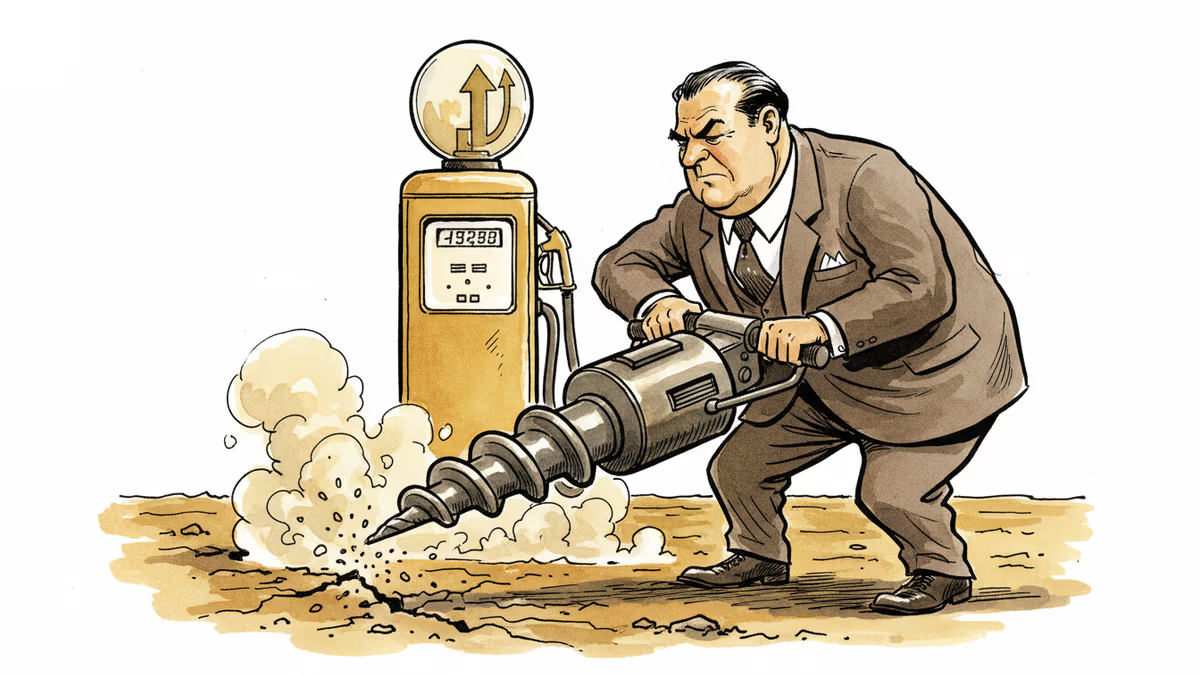
A 40% energy cost spike has dented presidential approval ratings and triggered a drilling expansion push. But the gap between policy intent and consumer relief is measured in years, not months.
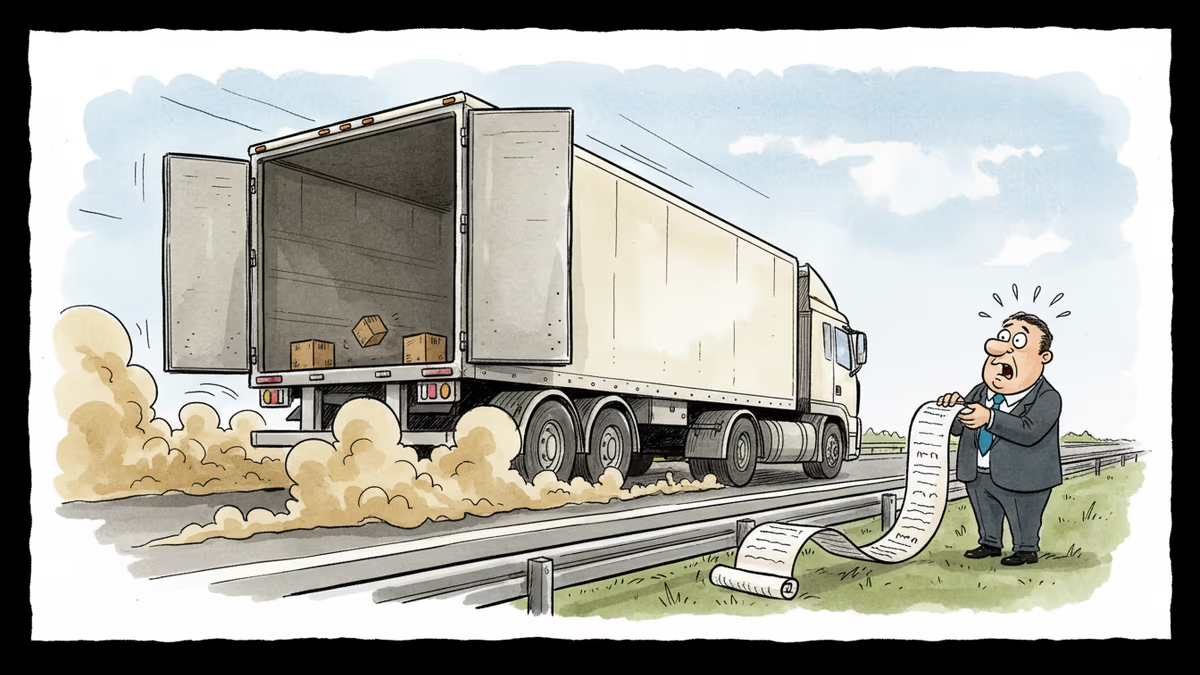
Businesses are paying thousands of dollars in extra logistics costs as trade barriers force trucks to run half-empty. Here's who pays, who profits, and what it means for prices.
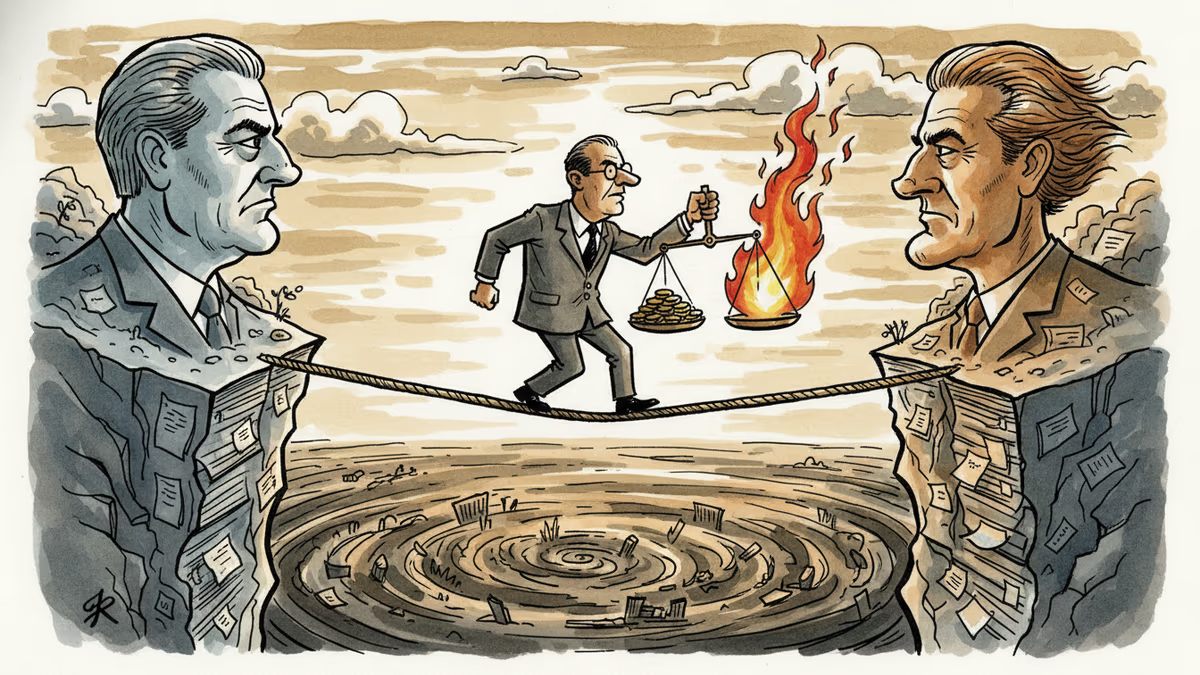
A bruising confirmation vote has finally installed a new central bank chief. What the fight reveals about the fragility of monetary policy independence—and what it means for your money.
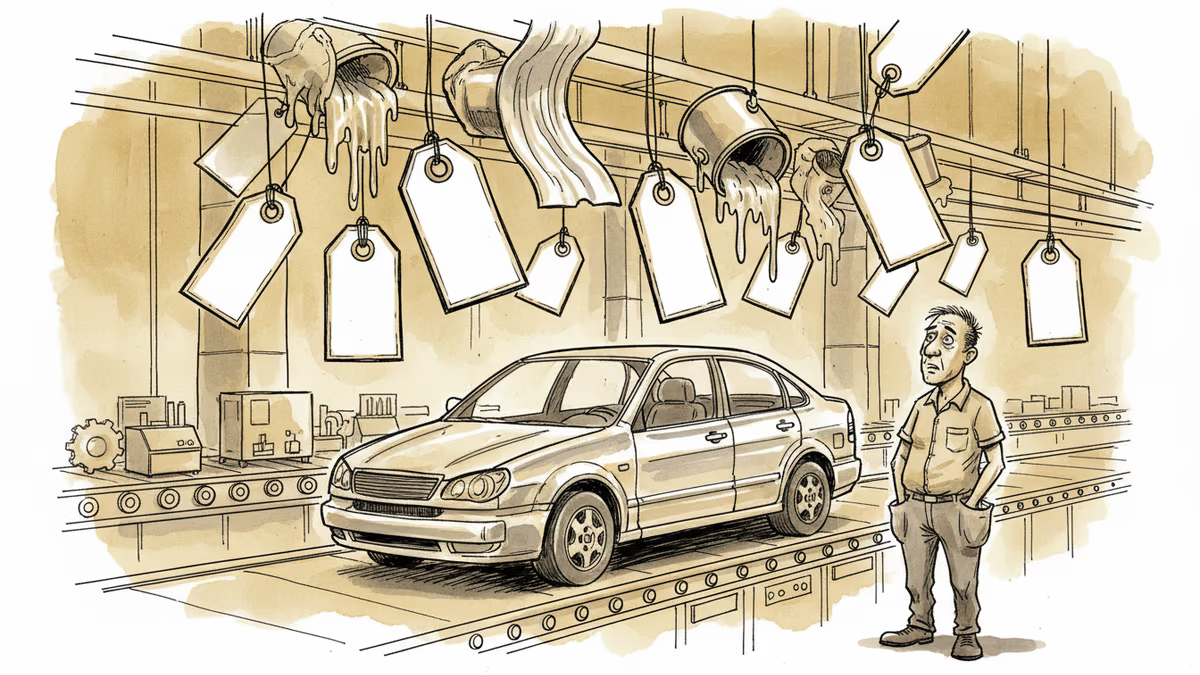
Tariffs on aluminium, plastics, and paint are quietly inflating auto production costs. Here's who pays, who profits, and what it means for the EV transition.
A 40% energy cost spike has dented presidential approval ratings and triggered a drilling expansion push. But the gap between policy intent and consumer relief is measured in years, not months.
Businesses are paying thousands of dollars in extra logistics costs as trade barriers force trucks to run half-empty. Here's who pays, who profits, and what it means for prices.
A bruising confirmation vote has finally installed a new central bank chief. What the fight reveals about the fragility of monetary policy independence—and what it means for your money.
Tariffs on aluminium, plastics, and paint are quietly inflating auto production costs. Here's who pays, who profits, and what it means for the EV transition.
Thoughts
Share your thoughts on this article
Sign in to join the conversation