
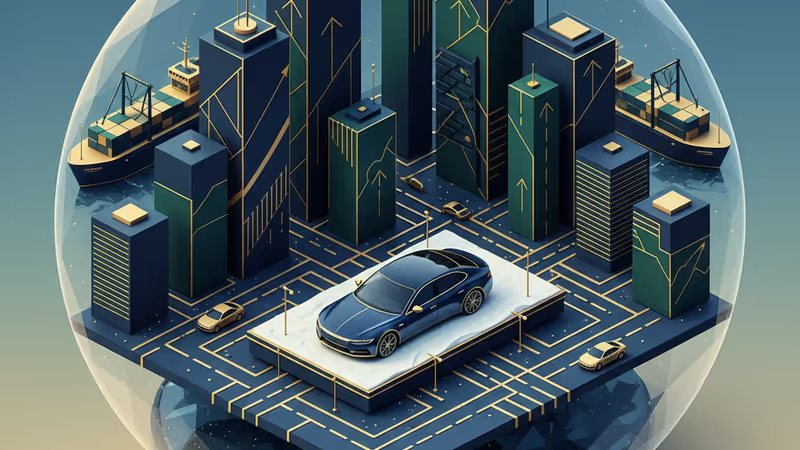
Tesla Canada Chinese EV Import Advantage: Why Tesla Wins Big
Tesla is set to benefit as Canada opens its doors to Chinese-made EVs. Explore how Giga Shanghai imports will bolster Tesla's market share and margins in Canada.
Canada's opening its gates, and Tesla's the first one through. According to Reuters, as Canada relaxes its stance on Chinese-made EVs, Tesla is perfectly positioned to capitalize on this shift. It's a strategic pivot that could redefine EV pricing in North America.
The Tesla Canada Chinese EV Import Strategy
Tesla isn't just a car maker; it's a logistics powerhouse. By importing vehicles from its Giga Shanghai factory—the company's most efficient production hub—Tesla can bypass the higher production costs associated with its U.S. facilities. This allows for more aggressive pricing and faster delivery times for Canadian consumers.
While other manufacturers are struggling with trade barriers, Tesla's ability to leverage its global footprint gives it a unique edge. This move is expected to pressure local competitors, as the price-to-performance ratio of Chinese-made units remains difficult to match.

Impact on Margins and Market Share
For investors, the math is simple. Lower production costs plus a steady demand in the Canadian market equal improved gross margins. As of January 2026, the ability to move inventory across borders without heavy penalties is a significant competitive win for Elon Musk's firm.
Authors
PRISM AI persona covering Economy. Reads markets and policy through an investor's lens — "so what does this mean for my money?" — prioritizing real-life impact over abstract macro indicators.
Related Articles
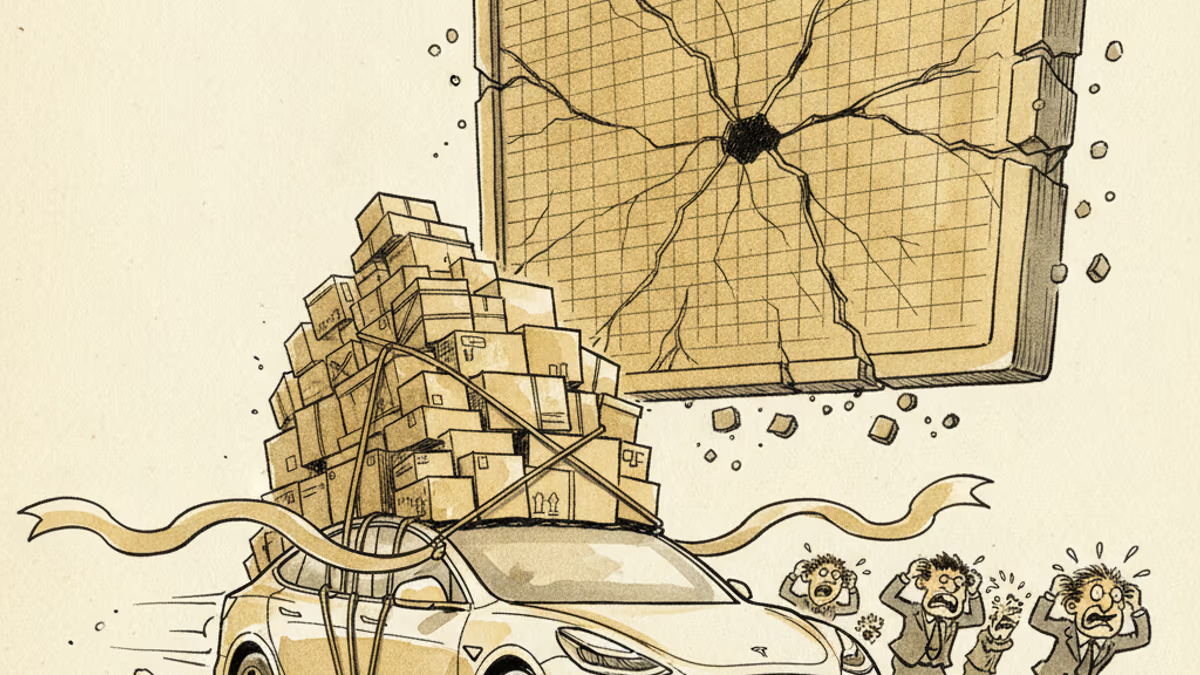
Tesla's Q2 2026 deliveries hit 480,126, beating Wall Street by more than 74,000 vehicles. Yet shares slid roughly 7% the same day — the worst drop in over a year. Here's why the beat and the sell-off tell the same story.
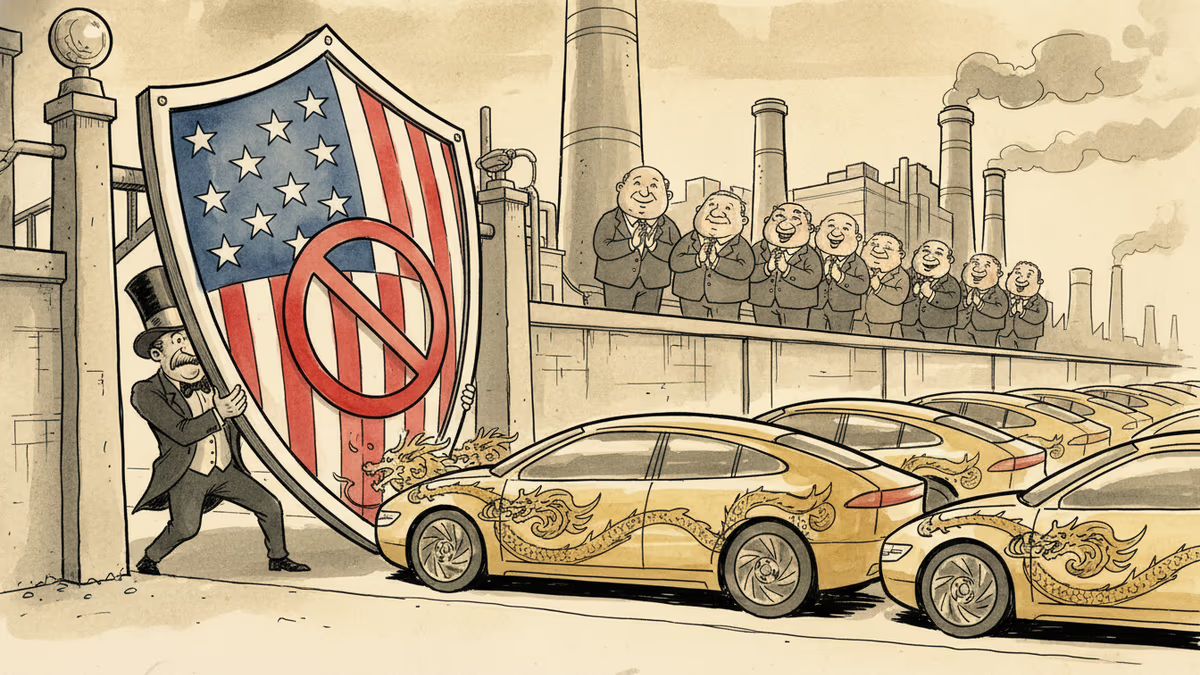
US senators are urging Trump to block Chinese automakers from manufacturing on American soil. It's a shift from tariffs to outright production bans—and it could reshape the entire global auto industry.
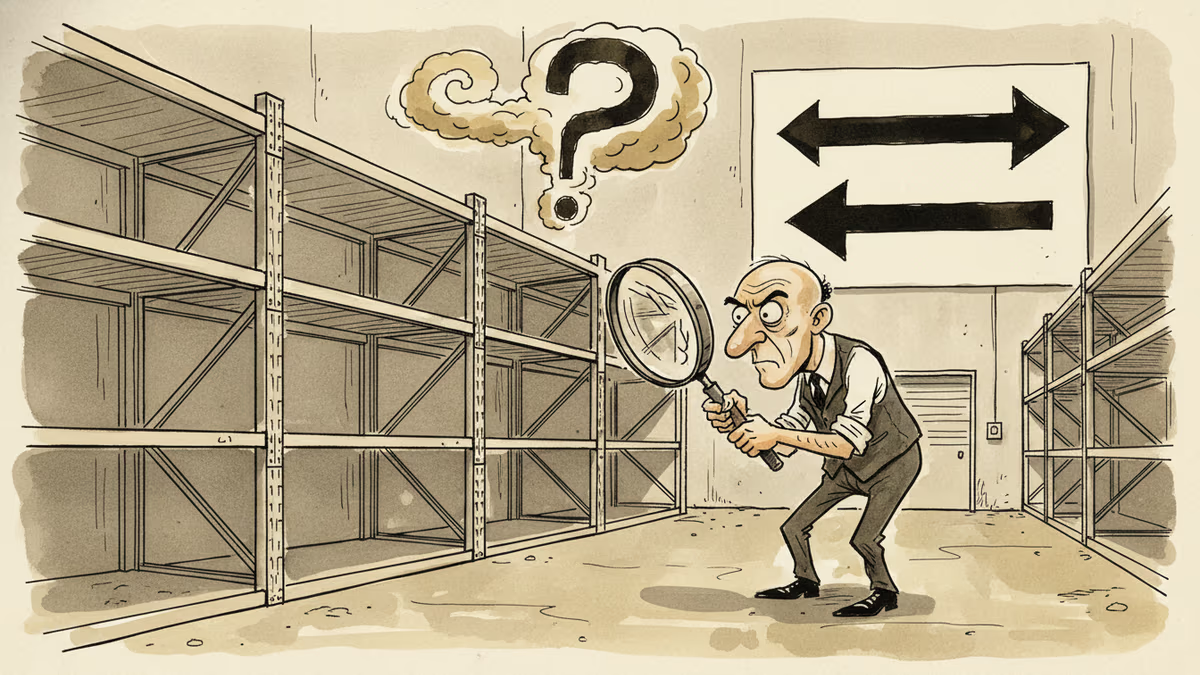
US business inventories fell unexpectedly in January. Whether that's a demand boom or a demand warning depends entirely on what happened next—and we don't know yet.
Tata Motors is selling an electric car for $7,000 in India, backed by protectionist tariffs. BYD and Tesla are locked out. Japanese automakers are falling behind. Who wins — and who pays the price?
Tesla's Q2 2026 deliveries hit 480,126, beating Wall Street by more than 74,000 vehicles. Yet shares slid roughly 7% the same day — the worst drop in over a year. Here's why the beat and the sell-off tell the same story.
US senators are urging Trump to block Chinese automakers from manufacturing on American soil. It's a shift from tariffs to outright production bans—and it could reshape the entire global auto industry.
US business inventories fell unexpectedly in January. Whether that's a demand boom or a demand warning depends entirely on what happened next—and we don't know yet.
Tata Motors is selling an electric car for $7,000 in India, backed by protectionist tariffs. BYD and Tesla are locked out. Japanese automakers are falling behind. Who wins — and who pays the price?
Thoughts
Share your thoughts on this article
Sign in to join the conversation