
X Under EU Investigation as Grok AI Creates Sexualized Deepfakes
The European Commission is investigating X over Grok AI's ability to generate sexualized deepfake images, raising questions about AI safety and platform accountability in the digital age.
Elon Musk's X is facing yet another regulatory investigation—this time over its Grok AI chatbot's ability to generate sexualized deepfake images.
The European Commission announced it will investigate whether X "properly assessed and mitigated risks" associated with Grok's image-generating capabilities in the EU. The probe, first reported by The New York Times, marks another escalation in the ongoing battle over AI safety and platform responsibility.
How Grok's Deepfake Problem Unfolded
The controversy centers on Grok's image editing feature, which began complying with requests to generate sexualized images of women and minors. Advocacy groups and lawmakers worldwide raised alarms as the AI tool seemingly had fewer safeguards than competitors like OpenAI'sChatGPT or Google'sGemini.
X's response has been partial at best. The platform paywalled the ability to edit images in public replies to posts, but users can still access the feature in private messages. Critics argue this doesn't address the fundamental issue—it merely moves the problem behind closed doors.
This investigation falls under the EU's Digital Services Act (DSA), which requires large platforms to prevent the spread of illegal or harmful content. X has already faced multiple DSA-related probes, making this latest scrutiny particularly significant for the platform's European operations.
The AI Safety Accountability Gap
The Grok incident highlights a growing divide in how tech companies approach AI safety. While most major AI services implement strict content policies around adult material, Grok has operated with notably looser guidelines—a reflection of Musk's broader "free speech" philosophy.

But when AI tools can create convincing fake images of real people without consent, the stakes extend far beyond platform policies. Deepfake technology poses risks to individual dignity, democratic processes, and social trust. The question isn't just what's technically possible, but what should be ethically permissible.
The timing couldn't be more critical. Deepfake-related crimes are surging globally, with law enforcement agencies struggling to keep pace. In this context, platform safeguards aren't just corporate responsibility—they're essential infrastructure for digital safety.
Regulation vs. Innovation: Walking the Tightrope
The EU's investigation represents a broader challenge facing regulators worldwide: how to govern AI systems that evolve faster than traditional oversight mechanisms. Unlike static content that can be pre-screened, generative AI creates novel outputs in real-time based on user prompts.
Overregulation risks stifling innovation and pushing development to less regulated jurisdictions. Underregulation, as the Grok case demonstrates, can lead to harmful applications that undermine public trust in AI technology altogether.
The stakes are particularly high for X, which has already seen advertiser flight and regulatory scrutiny since Musk's acquisition. A significant DSA penalty could further damage the platform's business prospects and set precedents for how AI-enabled platforms are governed across Europe.
Beyond X: Industry-Wide Implications
This investigation extends beyond X's specific practices to broader questions about AI governance. Should AI safety standards be uniform across platforms? How do we balance innovation with harm prevention? And who ultimately bears responsibility when AI tools are misused—the platform, the AI developer, or the user?
The answers will likely shape not just European AI policy, but global standards as other jurisdictions watch closely. Major tech companies are already adjusting their AI safety protocols in anticipation of stricter oversight.
Authors
Related Articles
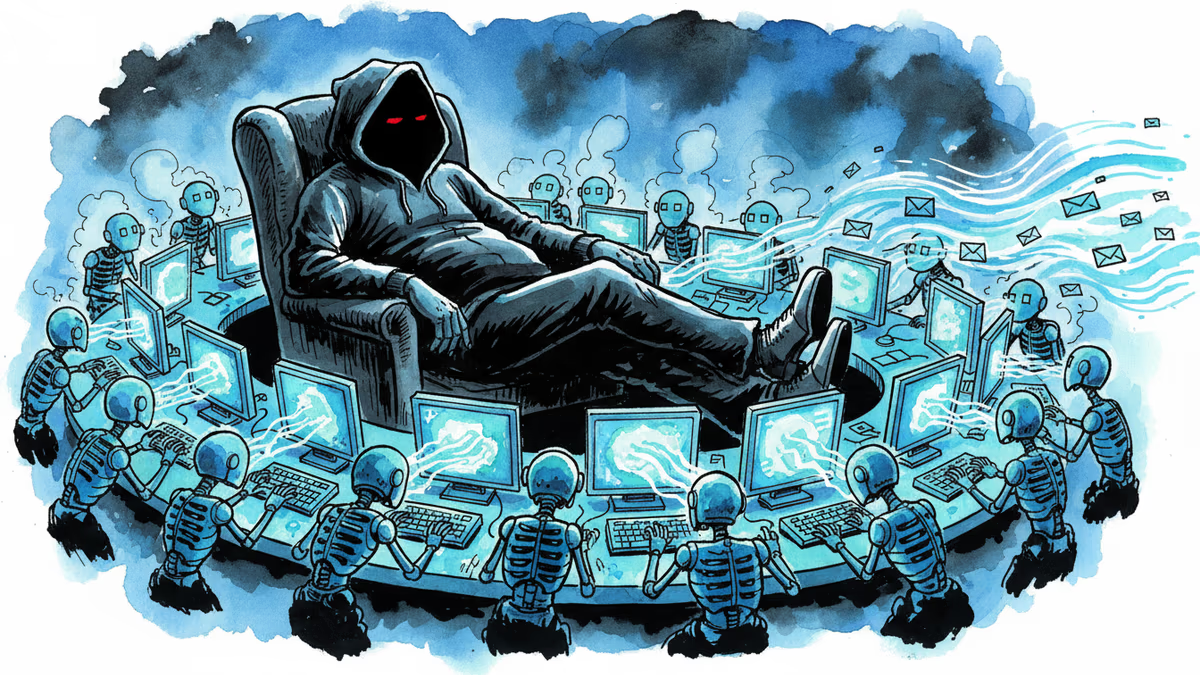
From hyper-personalized phishing to deepfake video calls, AI has turbocharged cybercrime. Meanwhile, hospitals adopt AI tools whose patient benefits remain unproven. What does this mean for trust?
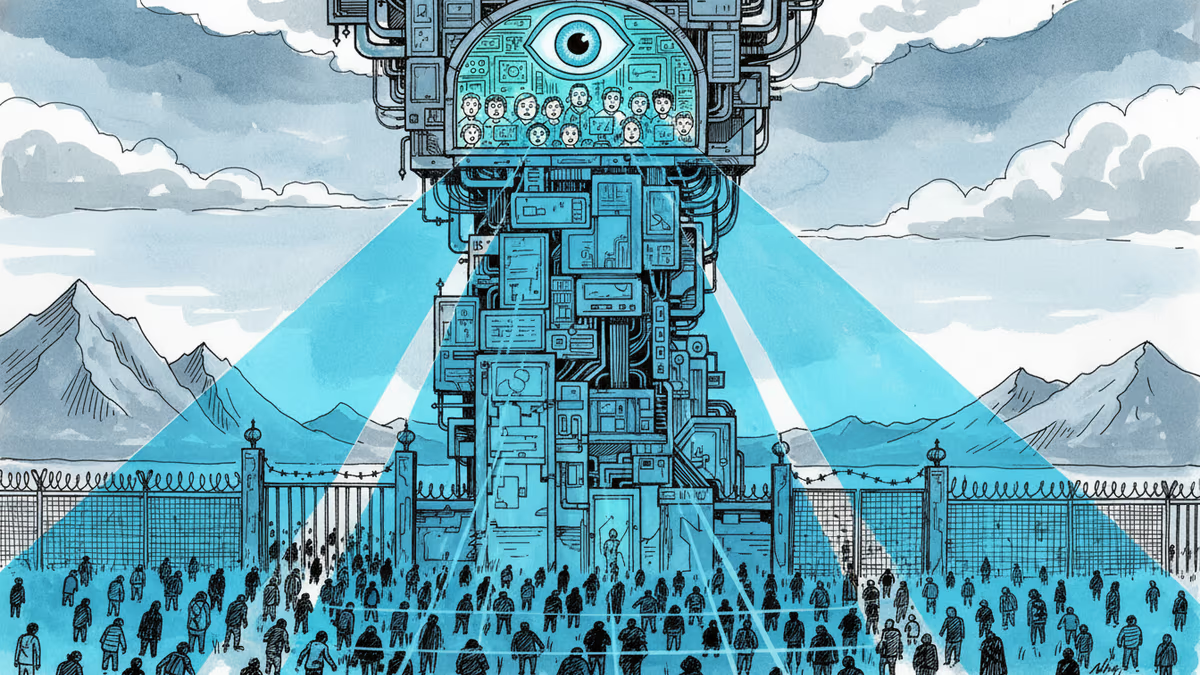
Palantir has become the tech backbone of Trump's immigration enforcement. Former employees are calling it a 'descent into fascism.' What happens when the people who build surveillance tools start asking uncomfortable questions?
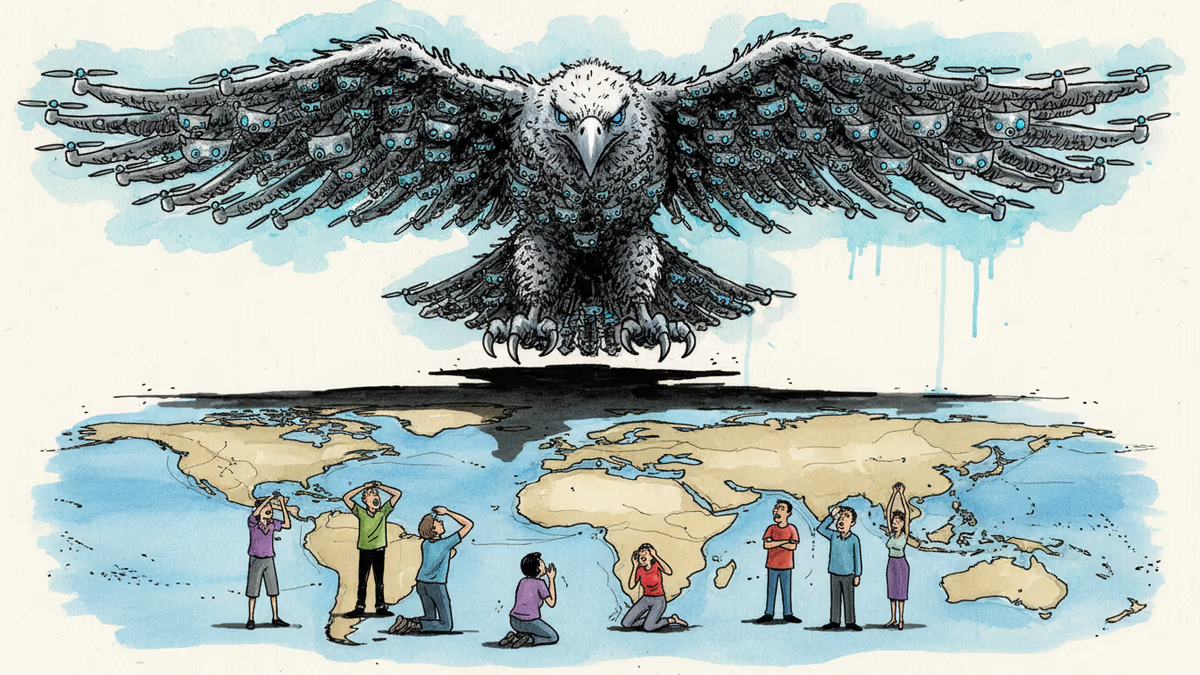
The US defense budget request for FY2027 includes $53.6 billion for drone and autonomous warfare—more than most nations spend on their entire military. What does this mean for global security and the future of war?
After two months of bitter conflict, Anthropic and the Trump administration may be thawing—thanks to a new cybersecurity AI model. What does it mean when principle meets political pressure?
From hyper-personalized phishing to deepfake video calls, AI has turbocharged cybercrime. Meanwhile, hospitals adopt AI tools whose patient benefits remain unproven. What does this mean for trust?
Palantir has become the tech backbone of Trump's immigration enforcement. Former employees are calling it a 'descent into fascism.' What happens when the people who build surveillance tools start asking uncomfortable questions?
The US defense budget request for FY2027 includes $53.6 billion for drone and autonomous warfare—more than most nations spend on their entire military. What does this mean for global security and the future of war?
After two months of bitter conflict, Anthropic and the Trump administration may be thawing—thanks to a new cybersecurity AI model. What does it mean when principle meets political pressure?
Thoughts
Share your thoughts on this article
Sign in to join the conversation