
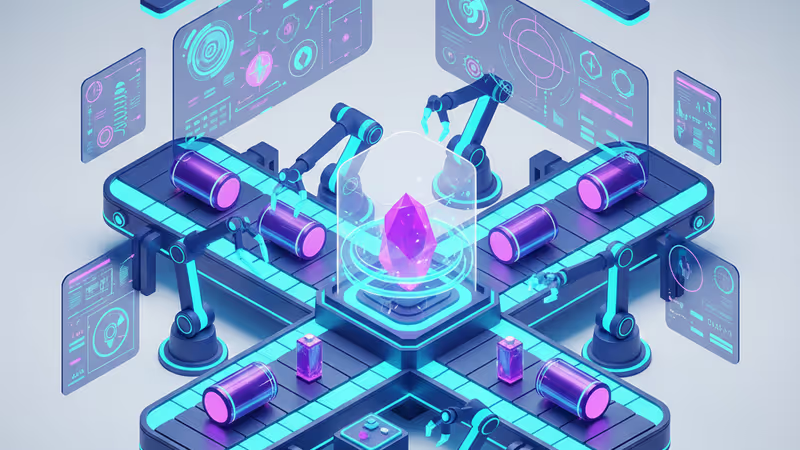
LG Energy Solution AI Transformation 2030: A Blueprint for 30% Productivity Boost
LG Energy Solution CEO Kim Dong-myung announces a bold AI transformation 2030 plan to boost productivity by 30% and secure a competitive edge in the EV and ESS markets.
AI is no longer a choice but a survival tool for the world's leading battery makers. On January 5, 2026, LG Energy Solution CEO Kim Dong-myung sent a clear message to employees: adapt or fall behind. The company's New Year strategy pivots heavily toward artificial intelligence to slash costs and sharpen its competitive edge in an increasingly crowded market.
LG Energy Solution AI Transformation 2030 Goals
According to reports from Yonhap and Reuters, the South Korean battery giant aims to improve productivity by at least 30% by 2030. The roadmap focuses on integrating AI into three pillars: product development, material innovation, and manufacturing operations. By digitizing the entire lifecycle of a battery, LG Energy Solution expects to achieve unprecedented operational efficiency.

Accelerating Global ESS and EV Projects
The CEO also emphasized turning recent deal wins into tangible results. The company plans to speed up its Energy Storage System (ESS) transition across North America, Europe, and China. This push follows significant milestones, including a recent 2 trillion won supply deal with Mercedes-Benz. Kim urged the workforce to ensure timely delivery and supply stability to maintain their leadership in the EV ecosystem.
Authors
Related Articles
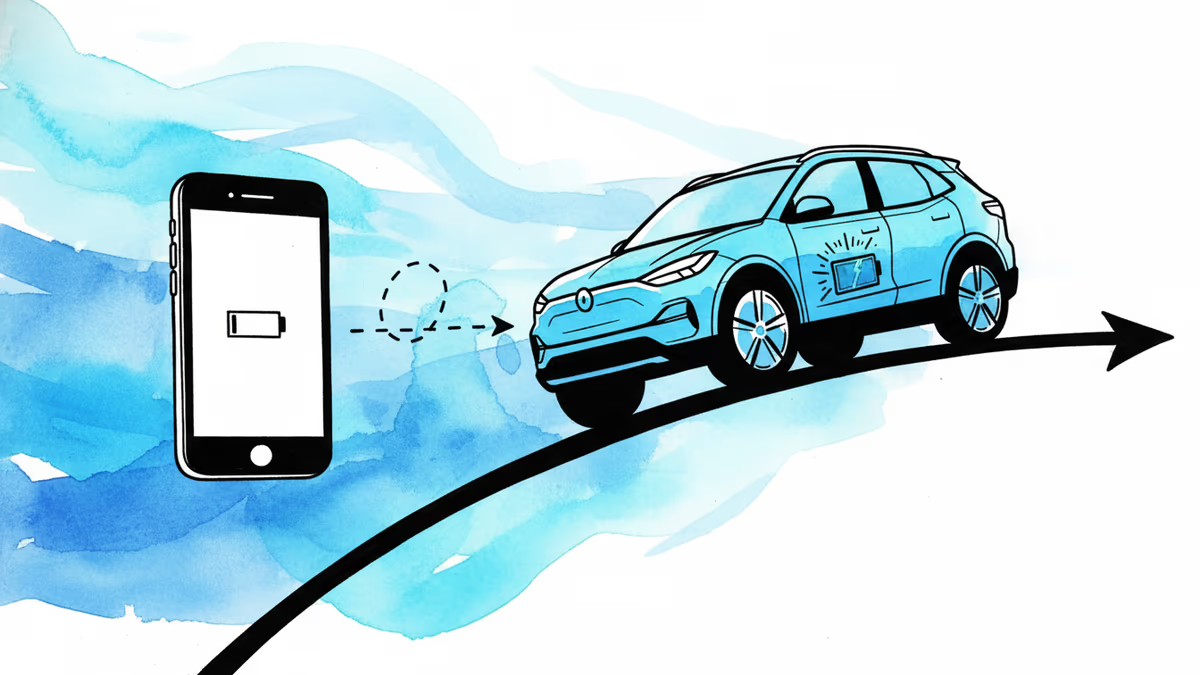
University of Michigan study reveals modern EV batteries lose only 2% capacity annually, lasting over a decade. How liquid cooling and thermal management changed everything.
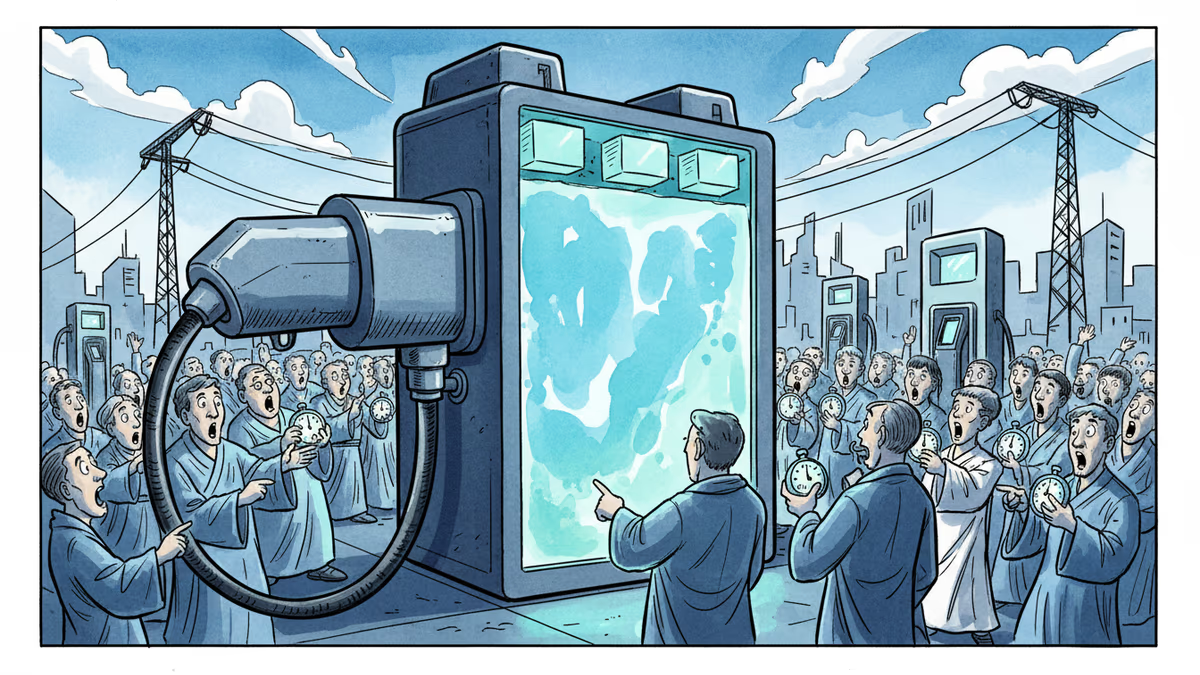
Chinese automaker BYD unveils battery technology that charges from 10% to 70% in just 5 minutes, potentially eliminating EVs' biggest weakness
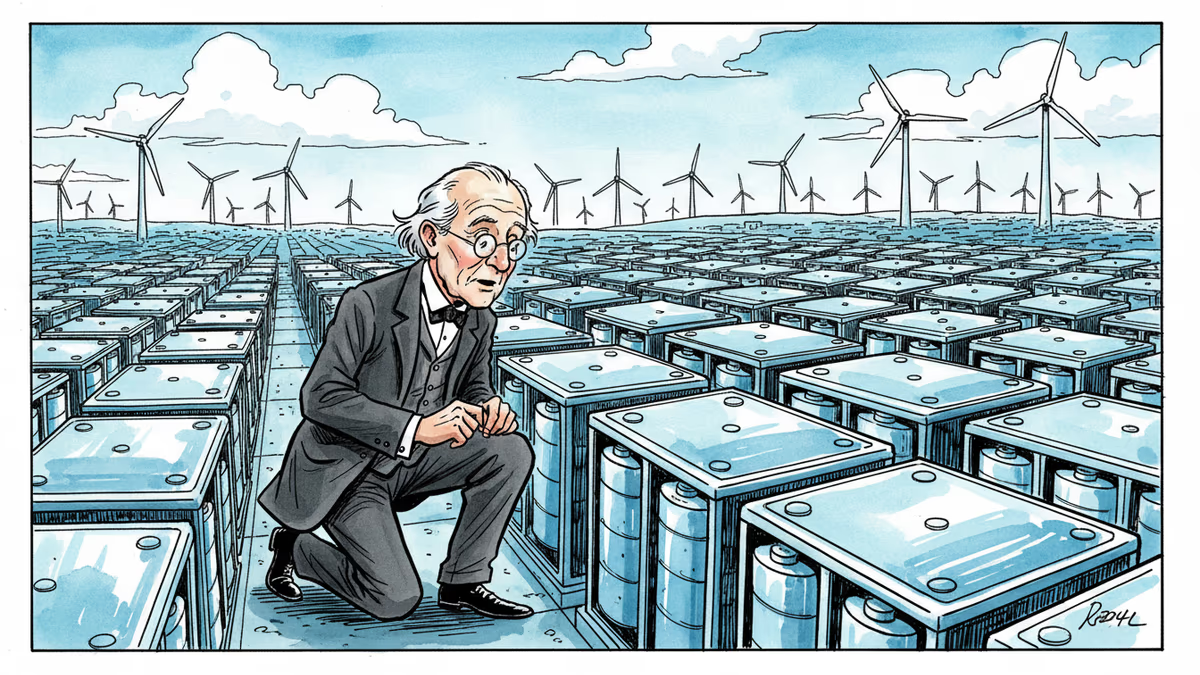
UCLA researchers revive Thomas Edison's nickel-iron battery concept with modern nanotechnology, potentially solving renewable energy storage challenges that stumped the grid for decades.
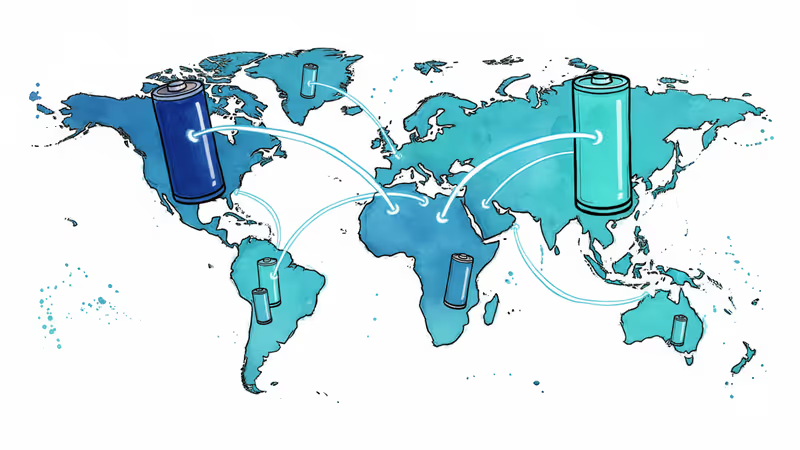
As electric vehicles surge past 25% of global sales, new battery chemistries and geopolitical shifts are reshaping the industry landscape in unexpected ways.
University of Michigan study reveals modern EV batteries lose only 2% capacity annually, lasting over a decade. How liquid cooling and thermal management changed everything.
Chinese automaker BYD unveils battery technology that charges from 10% to 70% in just 5 minutes, potentially eliminating EVs' biggest weakness
UCLA researchers revive Thomas Edison's nickel-iron battery concept with modern nanotechnology, potentially solving renewable energy storage challenges that stumped the grid for decades.
As electric vehicles surge past 25% of global sales, new battery chemistries and geopolitical shifts are reshaping the industry landscape in unexpected ways.
Thoughts
Share your thoughts on this article
Sign in to join the conversation