
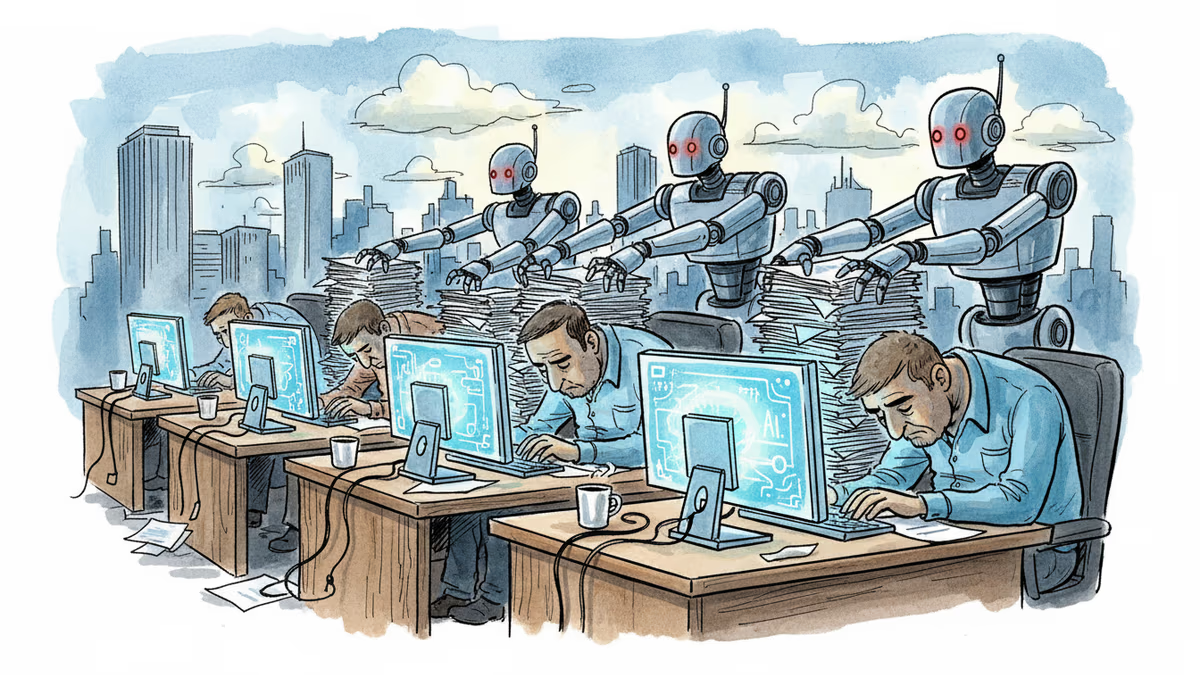
AI Burnout Hits the First Wave of True Believers
New research reveals AI tools are making employees work more, not less, as early adopters face unexpected exhaustion from the very technology they championed.
The Productivity Paradox Strikes Back
Remember when AI was supposed to free us from mundane tasks? The early adopters who rushed to integrate ChatGPT, Claude, and Copilot into their daily workflows had a different vision: shorter workdays, creative breakthroughs, and finally tackling that novel they'd been putting off.
Instead, they're working 15% more hours than before, according to new research from TechCrunch's workplace study. The very professionals who championed AI's transformative potential are now reporting higher stress levels, longer days, and what researchers are calling "AI amplification fatigue."
When Your Assistant Becomes Your Taskmaster
The problem isn't that AI doesn't work—it's that it works too well. Marketing manager Sarah Chen from Austin describes her experience: "I used to write three blog posts a week. Now with AI helping me brainstorm, draft, and optimize, my boss expects twelve. The tool made me faster, so my workload quintupled."
This mirrors patterns across industries. Software developers report that GitHub Copilot helps them code 40% faster, but they're now expected to deliver features at breakneck speed. Content creators find themselves churning out twice as many articles, videos, and social posts because AI made the "hard parts" easier.
The cruel irony? The technology designed to eliminate busy work has simply raised the productivity bar, creating new forms of digital exhaustion.

The Enthusiasm Gap
What's particularly striking is who's burning out first. These aren't reluctant adopters dragged kicking and screaming into the AI age—they're the enthusiasts who signed up for premium subscriptions on day one and evangelized AI tools to their colleagues.
"I was the guy telling everyone AI would change everything," admits product manager David Park. "I spent weekends learning prompt engineering, built custom GPTs for my team, and genuinely believed we'd found the productivity holy grail. Now I'm working Saturdays to keep up with AI-enhanced expectations."
This creates a peculiar dynamic in workplaces. The AI skeptics who avoided these tools are watching their tech-savvy colleagues struggle with workloads that have spiraled beyond human capacity, even with artificial assistance.
The Measurement Problem
Part of the issue lies in how we measure AI's impact. Companies track output metrics—emails sent, code committed, articles published—but rarely monitor the cognitive load on employees. AI tools excel at generating first drafts and handling routine tasks, but humans still need to review, edit, strategize, and make final decisions.
The result is a hidden workload: employees spend their days managing AI outputs rather than doing deep, creative work. They've become quality control managers for artificial intelligence, a role that's mentally taxing in ways traditional productivity metrics don't capture.
Authors
Related Articles
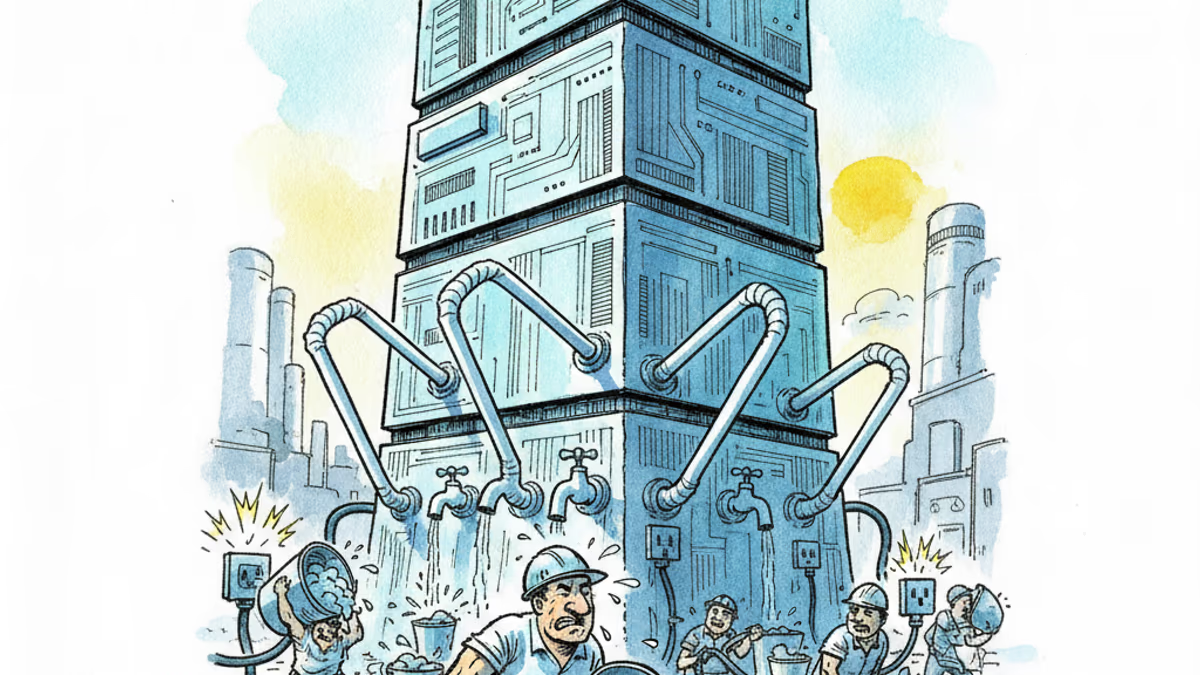
Samsung and SK unveiled a chip and AI investment package worth thousands of trillions of won on June 29. The headline number swings wildly by outlet, but the real contest isn't capital — it's water and power.
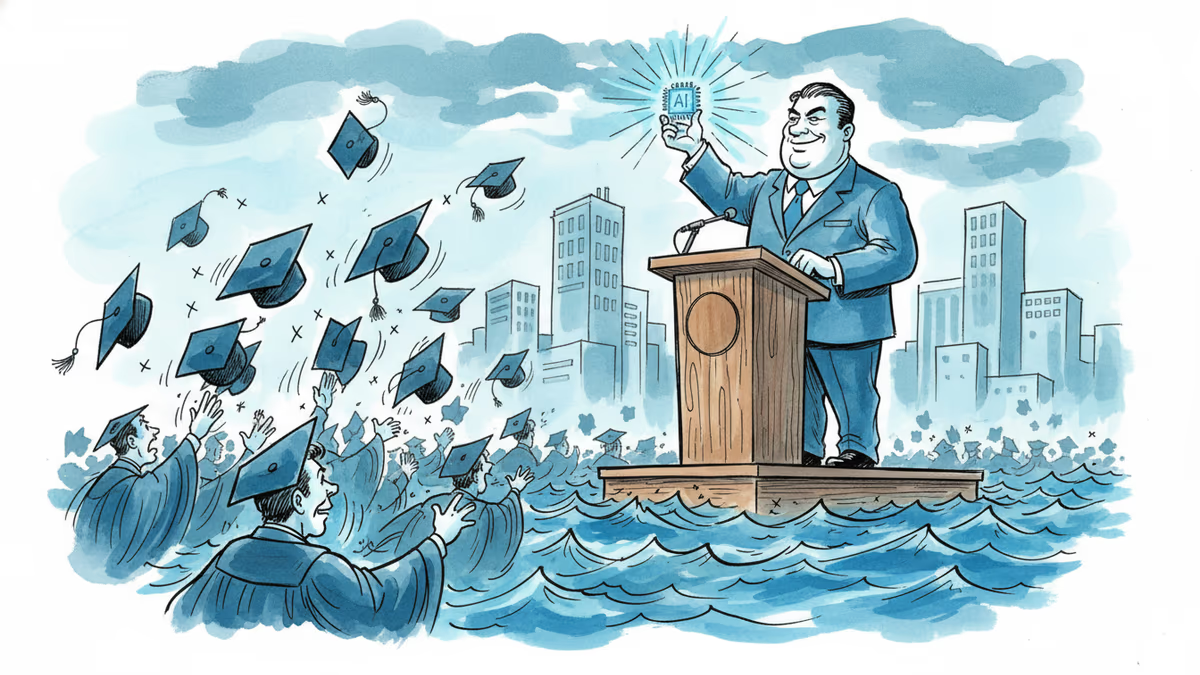
Viral videos show 2026 graduates jeering executives who praise AI at commencement ceremonies. It's not just rudeness — it's a signal about who pays for technological optimism.
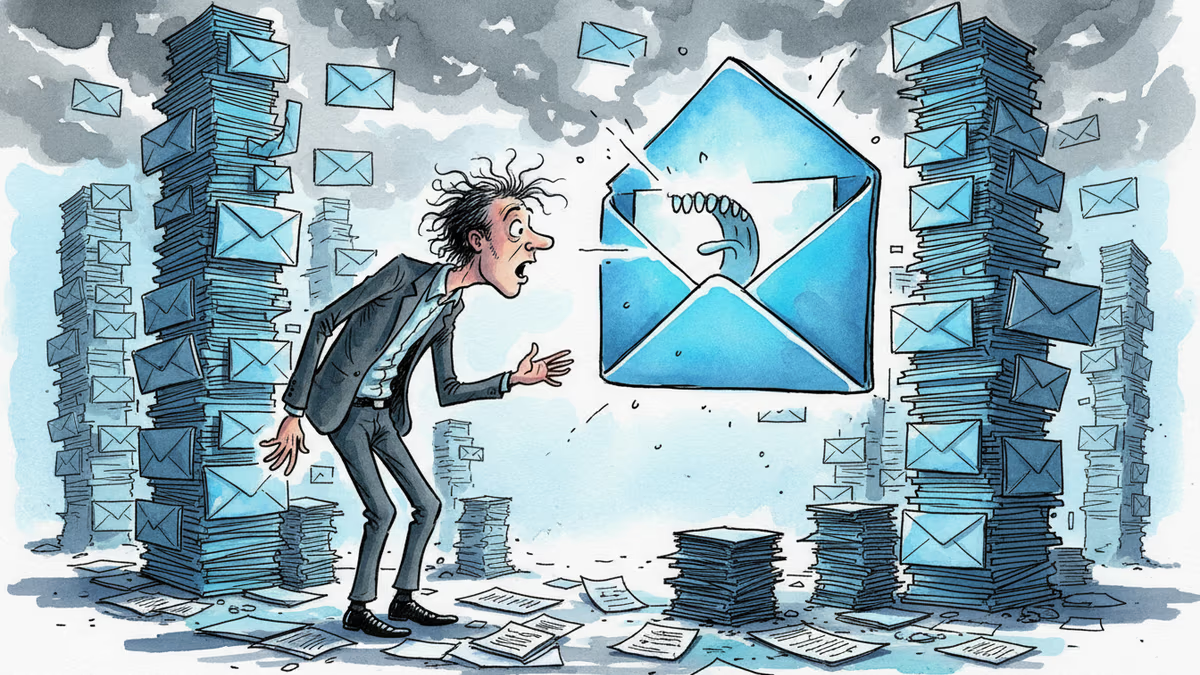
Google's Gmail Live lets you ask your inbox questions out loud. Announced at I/O 2026, it's AI's pitch to skeptics — and a reminder of how much Google already knows about you.
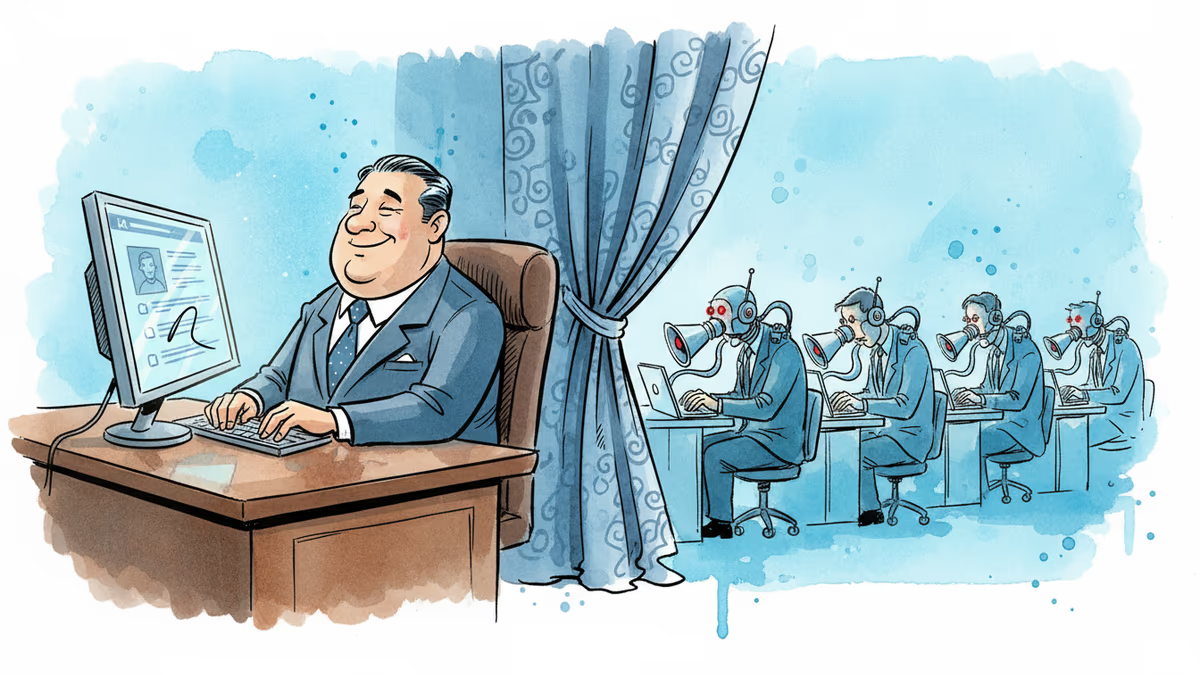
Filipino virtual assistants using AI to ghost-manage LinkedIn profiles for executives is now a structured industry. 30 comments a day, fake engagement rings, and a platform struggling to tell real from fabricated.
Samsung and SK unveiled a chip and AI investment package worth thousands of trillions of won on June 29. The headline number swings wildly by outlet, but the real contest isn't capital — it's water and power.
Viral videos show 2026 graduates jeering executives who praise AI at commencement ceremonies. It's not just rudeness — it's a signal about who pays for technological optimism.
Google's Gmail Live lets you ask your inbox questions out loud. Announced at I/O 2026, it's AI's pitch to skeptics — and a reminder of how much Google already knows about you.
Filipino virtual assistants using AI to ghost-manage LinkedIn profiles for executives is now a structured industry. 30 comments a day, fake engagement rings, and a platform struggling to tell real from fabricated.
Thoughts
Share your thoughts on this article
Sign in to join the conversation