

Discord Forces Global Age Verification: Teen Safety vs Digital Freedom
Discord mandates adult verification globally starting March. Unverified users default to teen-safe mode with content restrictions. Privacy advocates clash with parents over online safety measures.
150 Million Teen Users Face a New Digital Reality
Discord dropped a bombshell Monday: starting next month, every user must prove they're an adult or get locked into "teen-appropriate" mode. No verification? No access to age-restricted servers, no speaking in livestream channels, and automatic content filtering kicks in. For a platform with 150 million teen users, this isn't just a policy tweak—it's a seismic shift.
The restrictions are comprehensive. Unverified accounts can't join certain communities, participate in Discord's "stage" channels, or receive direct messages from unfamiliar users without warnings. The platform will also filter content it deems graphic or sensitive, essentially creating two-tier Discord experiences.
Parents Cheer, Teens Worry, Experts Skeptical
The announcement has split stakeholders into distinct camps. Parents, especially those who've struggled with their children's online exposure, are largely supportive. "Finally, a platform taking responsibility," says one parent advocacy group.
But privacy experts raise red flags. The Electronic Frontier Foundation warns that age verification systems often require invasive data collection, creating new privacy risks. "We're trading one problem for potentially bigger ones," argues a digital rights attorney.
Teens themselves feel caught in the middle. Many argue they're mature enough to navigate online spaces independently, while others appreciate the added safety measures. The generational divide is stark: those who grew up online versus those who worry about online dangers.

Regulatory Pressure Drives Big Tech's Hand
Discord's move isn't happening in a vacuum. The EU's Digital Services Act now requires platforms to assess risks to minors, while US states like California have passed comprehensive youth privacy laws. The UK's Online Safety Bill looms large, potentially requiring age verification across social platforms.
This regulatory wave is reshaping how platforms operate globally. Meta has introduced similar teen safety features on Instagram, while TikTok faces constant scrutiny over youth protection. The message is clear: protect minors or face consequences.
Yet technical challenges remain daunting. Current age verification methods rely on government IDs, credit cards, or biometric data—all problematic for privacy and accessibility. Critics argue these systems create barriers for legitimate users while determined teens will simply find workarounds.
The Unintended Consequences Question
Experts worry about broader implications. Will age verification become the new normal across all platforms? Could this create a "splinternet" where teens and adults inhabit separate digital worlds? Some researchers suggest this might actually harm teens by limiting their access to educational content and diverse perspectives.
There's also the global enforcement puzzle. Age verification standards vary dramatically across countries. What works in Germany might not work in India or Brazil. Discord must navigate this complexity while maintaining a unified user experience.
Authors
Related Articles
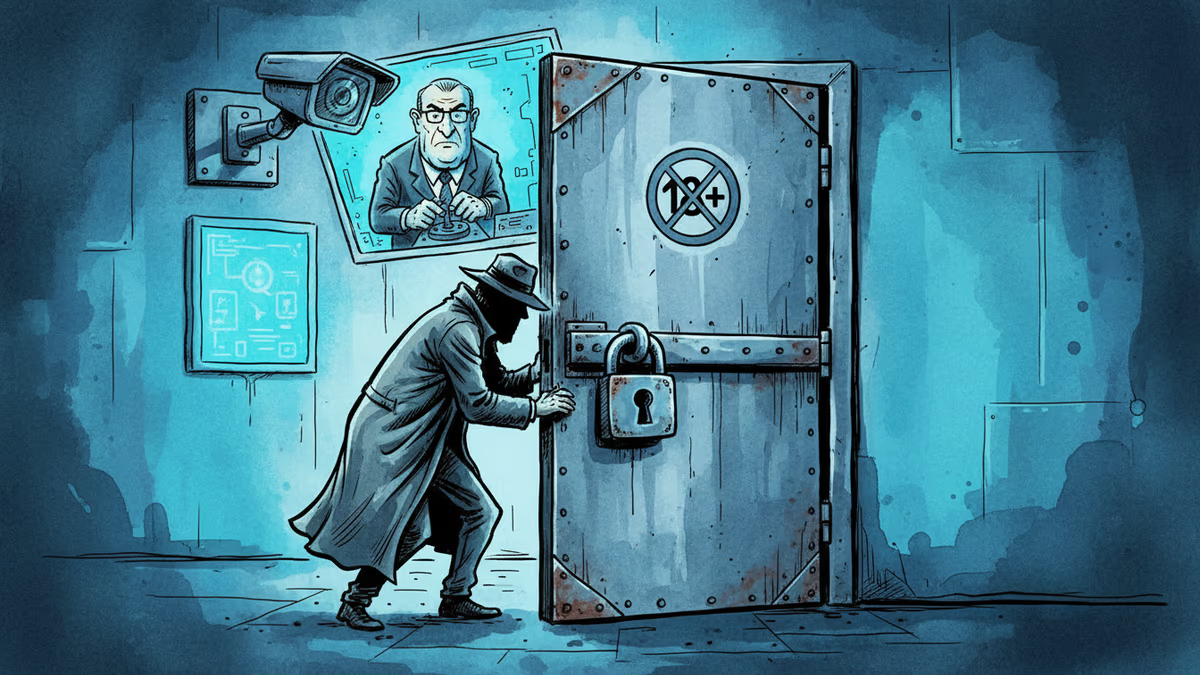
Age verification laws are turning VPNs from a niche privacy tool into everyday infrastructure. What happens when governments decide to shut the door?
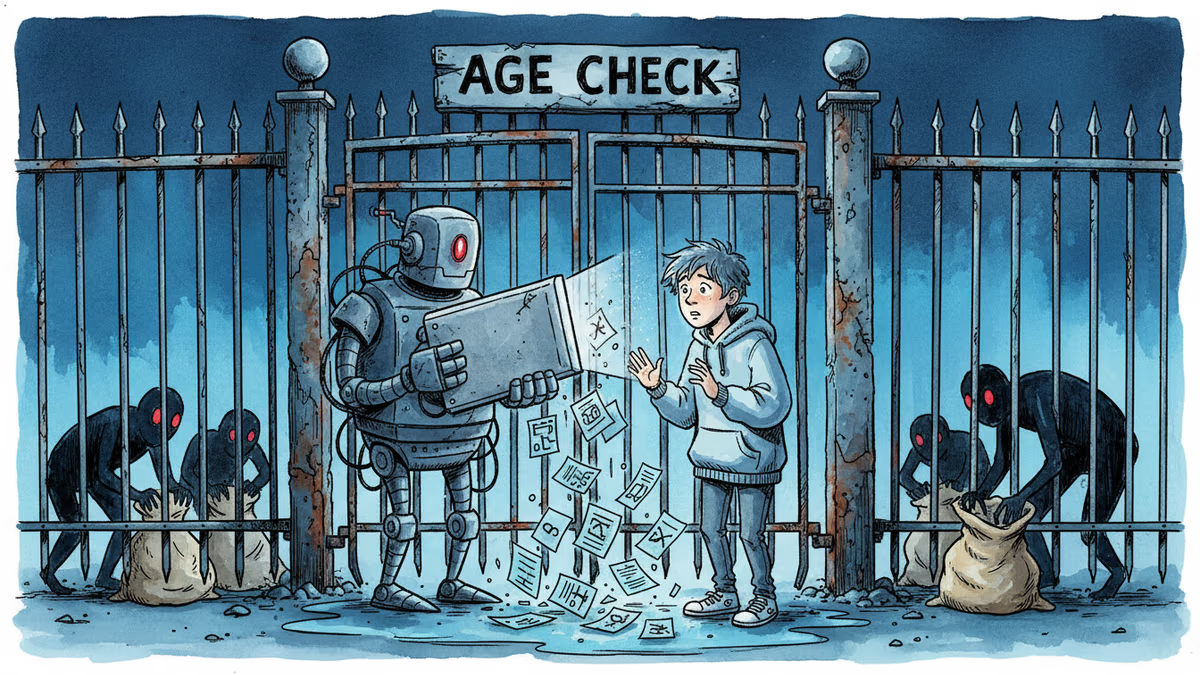
Discord's rapid U-turn on age verification exposed the hidden world of "age assurance" companies—and the uncomfortable trade-off between protecting kids and protecting everyone's privacy.
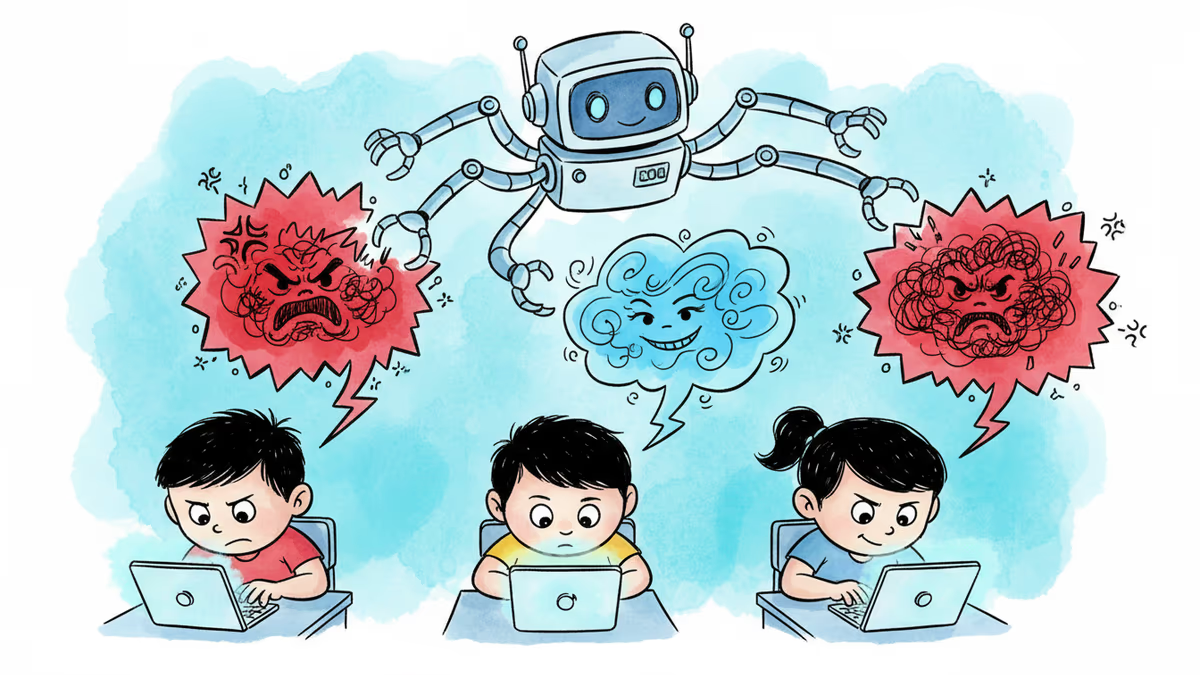
Roblox introduces AI-powered real-time chat rephrasing, replacing banned words with respectful alternatives instead of hash symbols. A new era of AI-moderated childhood communication begins.
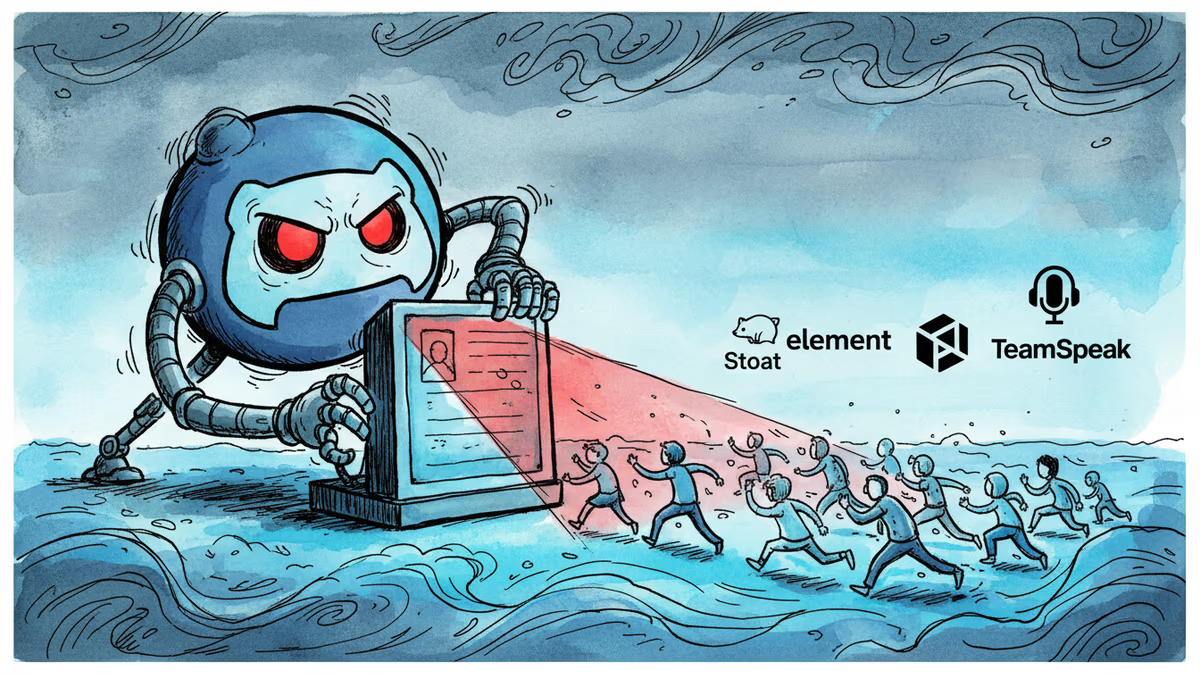
Discord's mandatory age verification by late 2026 has users seeking privacy-focused alternatives. From open-source platforms to gaming-first solutions, here are the top contenders.
Age verification laws are turning VPNs from a niche privacy tool into everyday infrastructure. What happens when governments decide to shut the door?
Discord's rapid U-turn on age verification exposed the hidden world of "age assurance" companies—and the uncomfortable trade-off between protecting kids and protecting everyone's privacy.
Roblox introduces AI-powered real-time chat rephrasing, replacing banned words with respectful alternatives instead of hash symbols. A new era of AI-moderated childhood communication begins.
Discord's mandatory age verification by late 2026 has users seeking privacy-focused alternatives. From open-source platforms to gaming-first solutions, here are the top contenders.
Thoughts
Share your thoughts on this article
Sign in to join the conversation