

Why Discord Really Delayed Age Verification by 18 Months
Discord postponed global age verification to late 2026 after users misunderstood the feature as mandatory face scans. The delay reveals deeper tensions in platform safety and privacy.
The Misunderstanding That Cost 18 Months
Discord just hit the brakes on its global age verification rollout, pushing it from next month to late 2026. The reason? A massive communication failure that left users thinking they'd need face scans and ID uploads just to send a message.
"Many of you walked away thinking we're requiring face scans and ID uploads from everyone just to use Discord," Discord CTO Stanislav Vishnevskiy wrote in a blog post. "That's not what's happening, but the fact that so many people believe it tells us we failed at our most basic job: clearly explaining what we're doing and why."
It's a rare admission from a tech company that they simply didn't explain themselves well enough. But the stakes here are enormous—400 million users worldwide were preparing for what they thought would be mandatory identity verification.
What Age Verification Actually Means
Discord promises to add more verification options before the global launch. Currently, the announced methods include ID uploads and facial scanning, but additional alternatives are in development.
This isn't just about checking a birthday. Age verification on a platform Discord's size means collecting sensitive personal data from millions of users across different legal jurisdictions. In privacy-conscious regions like Europe, this creates a regulatory minefield.
The company's challenge is building a system that satisfies child safety advocates while not alienating privacy-focused users who've made Discord their digital home.

Parents vs. Teens vs. Privacy Advocates
The delay has created three distinct camps with very different reactions.
Parents are largely frustrated. Many have been pushing for stronger age verification to protect their children from inappropriate content and predators. Another 18-month delay feels like kicking the can down the road on a critical safety issue.
Teen users are relieved. Age verification could mean increased parental oversight or access restrictions. For many teenagers, Discord isn't just a gaming platform—it's their primary social space, especially for LGBTQ+ youth who find community there.
Privacy advocates welcome the cautious approach. They've raised concerns about biometric data collection and storage security. The delay gives Discord time to address these fundamental questions about data protection.
The Global Platform Dilemma
Discord's struggle reflects a broader challenge facing tech platforms: how do you create one system that works across 190 countries with vastly different legal frameworks and cultural expectations?
South Korea requires robust age verification for online services. The EU's GDPR demands strict consent mechanisms. The US focuses on parental rights. China has its own data localization requirements. Discord needs to satisfy all of them simultaneously.
Competitors are watching closely. Telegram has faced similar pressures but taken a more hands-off approach. WhatsApp relies on phone number verification. TikTok has implemented various age-gating features but continues to face scrutiny.
Authors
Related Articles
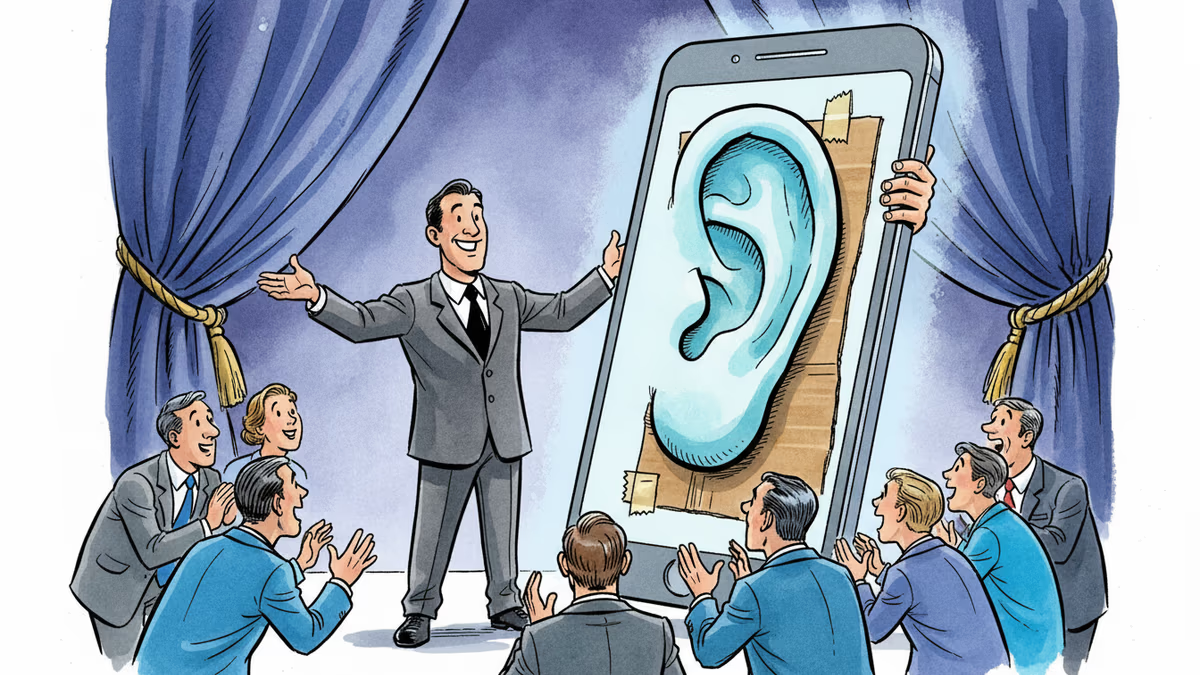
The FTC fined Cox Media and two ad firms $930,000 — not for actually eavesdropping on users, but for falsely claiming they could. The case raises uncomfortable questions about surveillance capitalism.
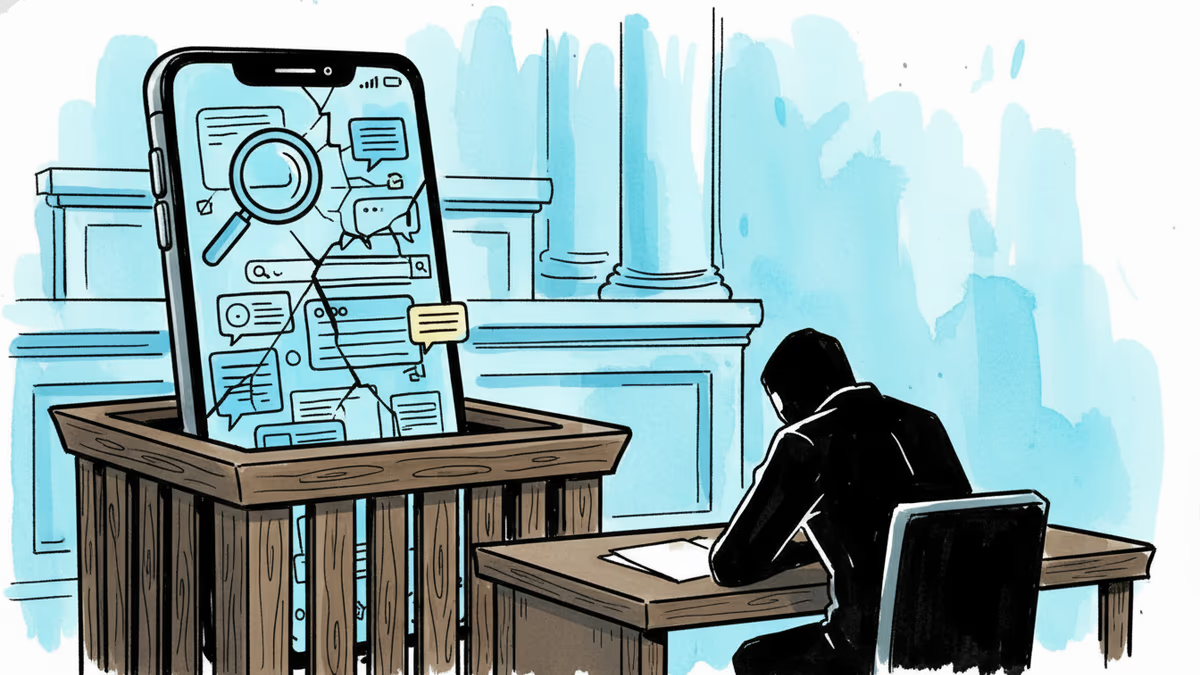
A Utah woman was sentenced to life in prison partly because of her Google searches and deleted texts. The Kouri Richins case reveals how digital footprints have become the courtroom's most reliable witness.
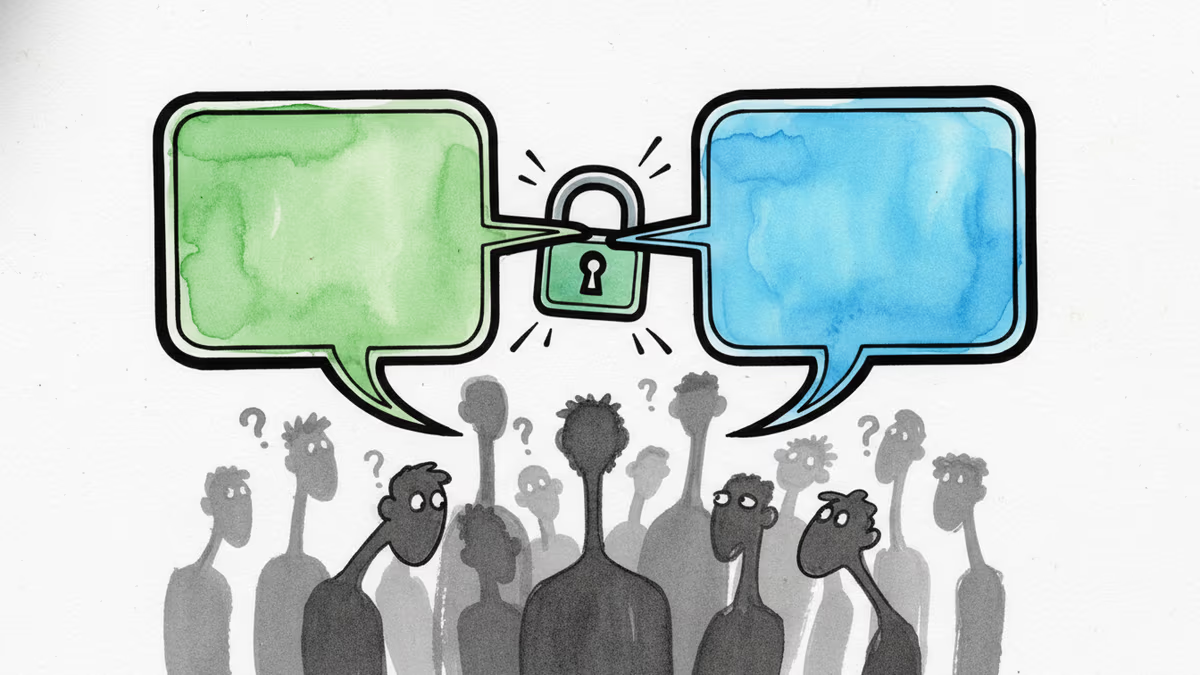
After 15 years of fragmented mobile messaging, Apple and Google are rolling out end-to-end encrypted RCS messaging between iPhones and Android devices. Here's what changed, why it took so long, and what it means for your privacy.
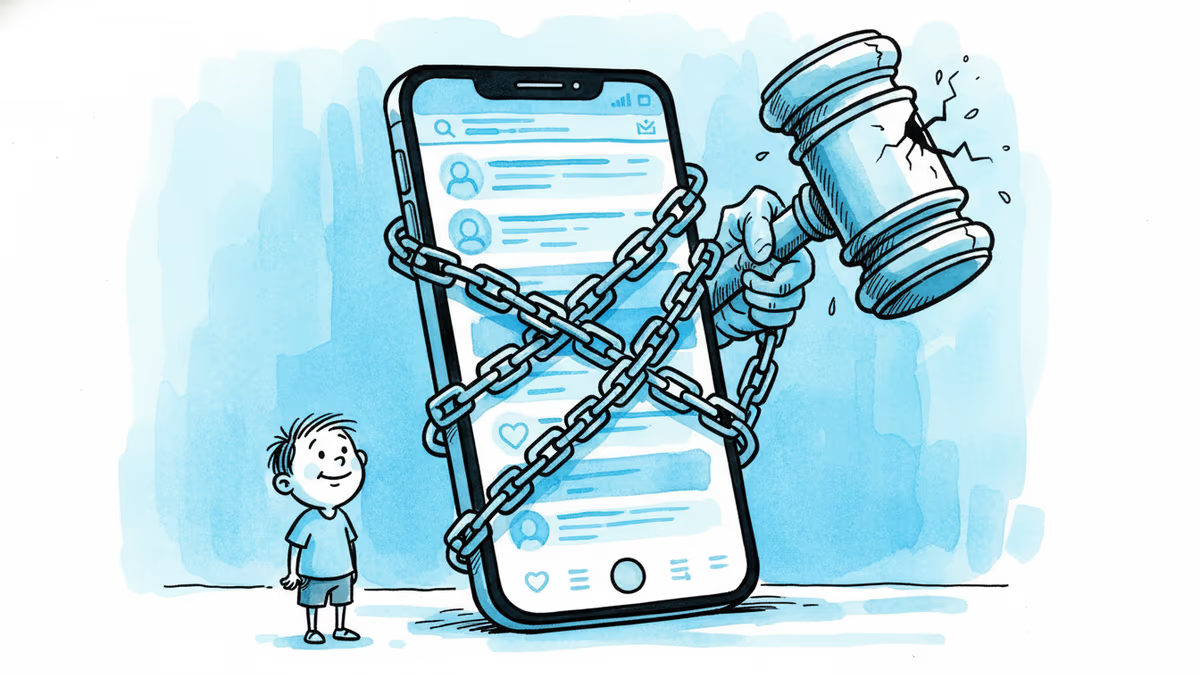
New Mexico already won $375 million from Meta. Now it wants something harder to give: a court order forcing Facebook, Instagram, and WhatsApp to redesign themselves. A three-week trial starts Monday.
The FTC fined Cox Media and two ad firms $930,000 — not for actually eavesdropping on users, but for falsely claiming they could. The case raises uncomfortable questions about surveillance capitalism.
A Utah woman was sentenced to life in prison partly because of her Google searches and deleted texts. The Kouri Richins case reveals how digital footprints have become the courtroom's most reliable witness.
After 15 years of fragmented mobile messaging, Apple and Google are rolling out end-to-end encrypted RCS messaging between iPhones and Android devices. Here's what changed, why it took so long, and what it means for your privacy.
New Mexico already won $375 million from Meta. Now it wants something harder to give: a court order forcing Facebook, Instagram, and WhatsApp to redesign themselves. A three-week trial starts Monday.
Thoughts
Share your thoughts on this article
Sign in to join the conversation