
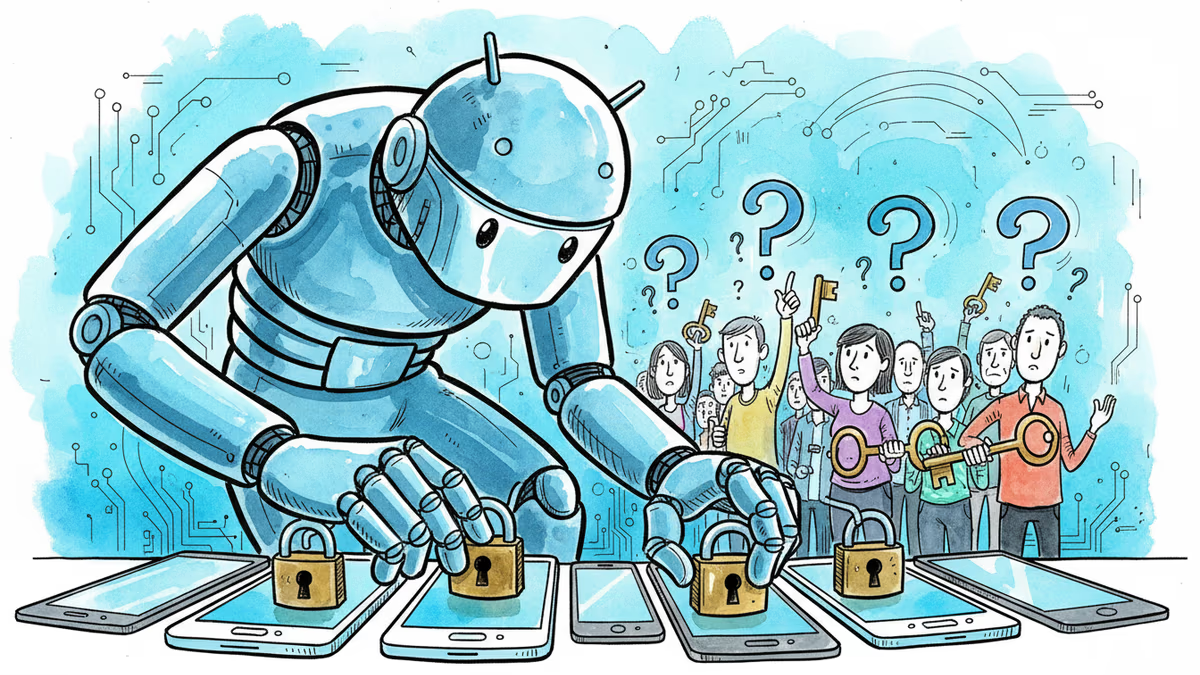
Android's Open Era Is Coming to an End
Google introduces developer verification for Android apps, marking a shift from the platform's 20-year commitment to openness. Security upgrade or freedom restriction?
The 20-Year Promise Google Is About to Break
When Google unveiled Android in 2007, it made a bold promise: the first "truly open" mobile operating system. Unlike the iPhone's walled garden, Android users could install apps from anywhere. That freedom defined the platform for nearly two decades. This year, it's ending.
Google's upcoming Android developer verification system will require app makers outside the Play Store to register with real names and pay fees. Refuse, and their apps won't install on virtually any Android device. Google calls it a "necessary evolution." Critics call it the end of Android as we knew it.
Security Theater or Genuine Protection?
Google's reasoning sounds solid on paper. Sideloading—installing apps outside official stores—has been a major vector for malware. The company points to rising security threats and user complaints about malicious apps. But dig deeper, and the picture gets murkier.
Most scam apps actually come through official channels. Last year, Google removed 2.7 million policy-violating apps from its own Play Store. Meanwhile, security researchers argue that determined bad actors will simply adapt to the new system, while legitimate developers—especially those in authoritarian countries—face new risks.
The Developer Divide

The response from developers tells the real story. Large studios shrug—they're already registered with Google anyway. But independent developers are spooked. "Real name registration is a privacy nightmare," says one developer who requested anonymity. "Especially if you're building apps that governments don't like."
This divide matters more than it seems. Android's vibrant ecosystem didn't emerge from corporate boardrooms—it grew from basement coders, student projects, and experimental apps that never would have survived corporate gatekeeping.
Following Apple's Playbook
The irony is unmistakable. Android is becoming what it once opposed: a tightly controlled platform where a single company decides what software you can run. Google Play Protect, mandatory app bundles, and now developer verification—each change chips away at user agency in the name of security.
Apple pioneered this approach, and it's undeniably effective at reducing malware. But it's also effective at reducing innovation, competition, and user choice. The question isn't whether Google's approach will work—it's whether the trade-offs are worth it.
The Regulatory Wild Card
Timing matters. This change comes as regulators worldwide scrutinize big tech's platform power. The EU's Digital Markets Act already forces Apple to allow sideloading. Google's move in the opposite direction seems tone-deaf, potentially inviting regulatory backlash.
But maybe that's the point. By positioning itself as the responsible platform prioritizing security, Google might be trying to shape the regulatory narrative before others shape it for them.
Authors
Related Articles
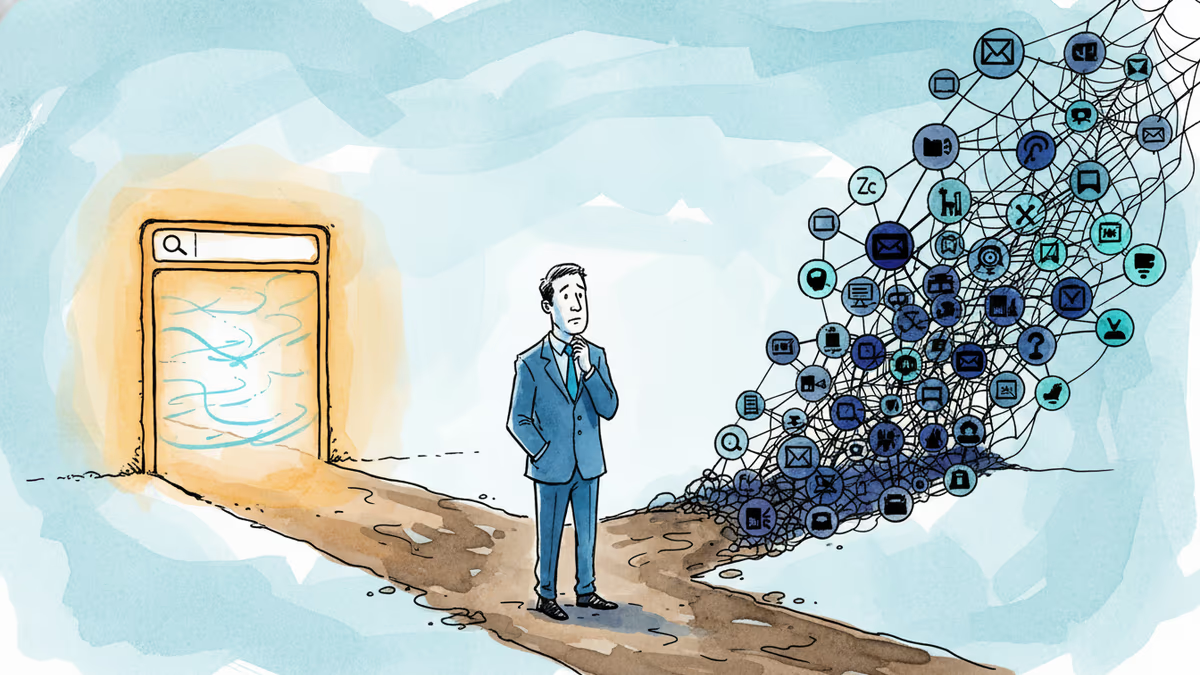
In a post-Google I/O interview, Sundar Pichai acknowledged flawed search results, real AI anxiety, and an AGI timeline that makes the label irrelevant. Here's what he said — and what it means.
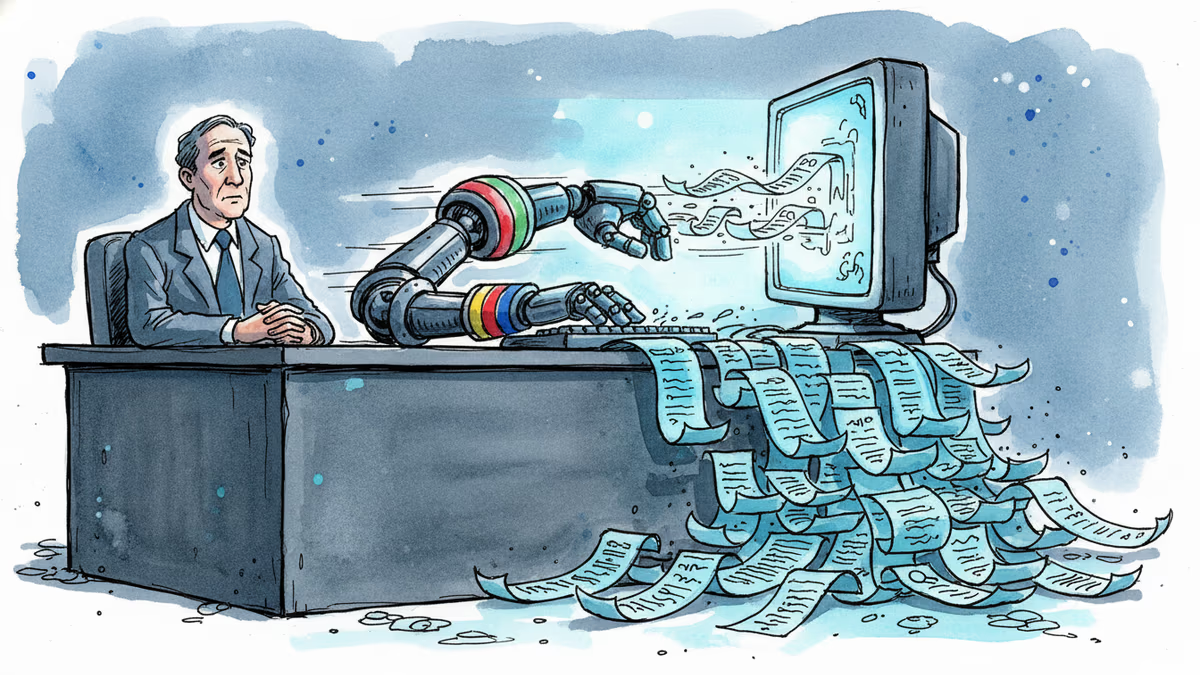
Google is building AI agents that search the web proactively, without user prompting. That's not just a product update — it's a fundamental shift in who controls the information you receive.
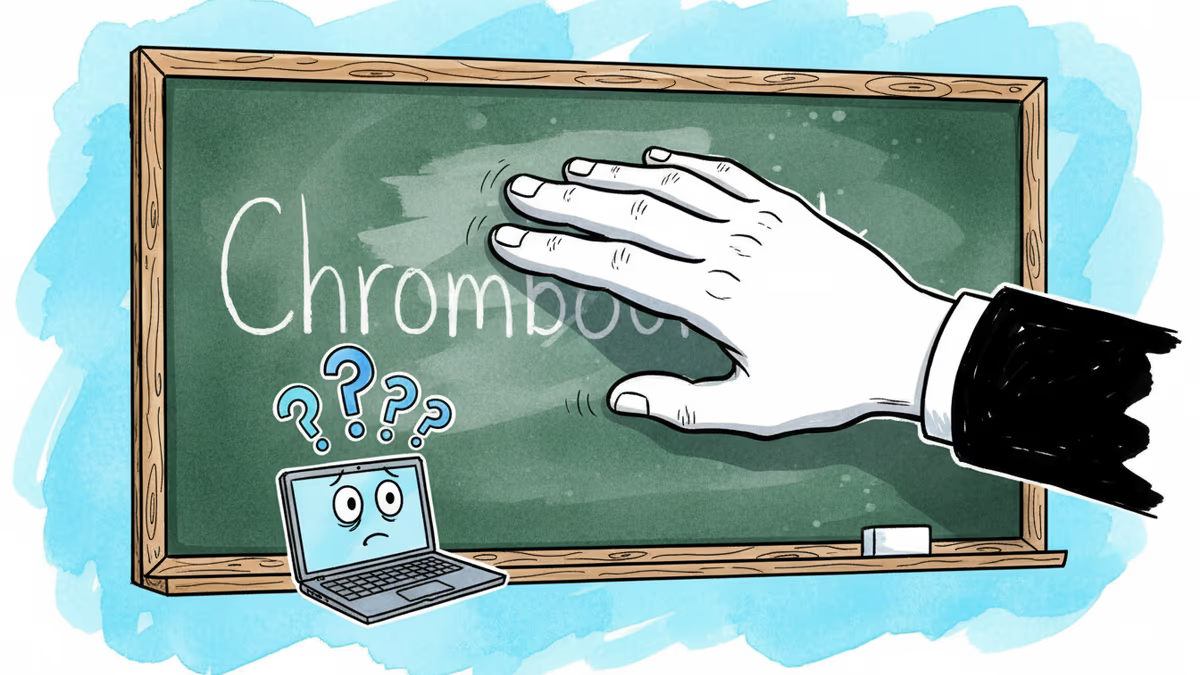
Google unveiled the 'Googlebook' platform to replace Chromebook and ChromeOS—but revealed zero hardware specs. What's the strategy, and what does it mean for users, manufacturers, and the education market?
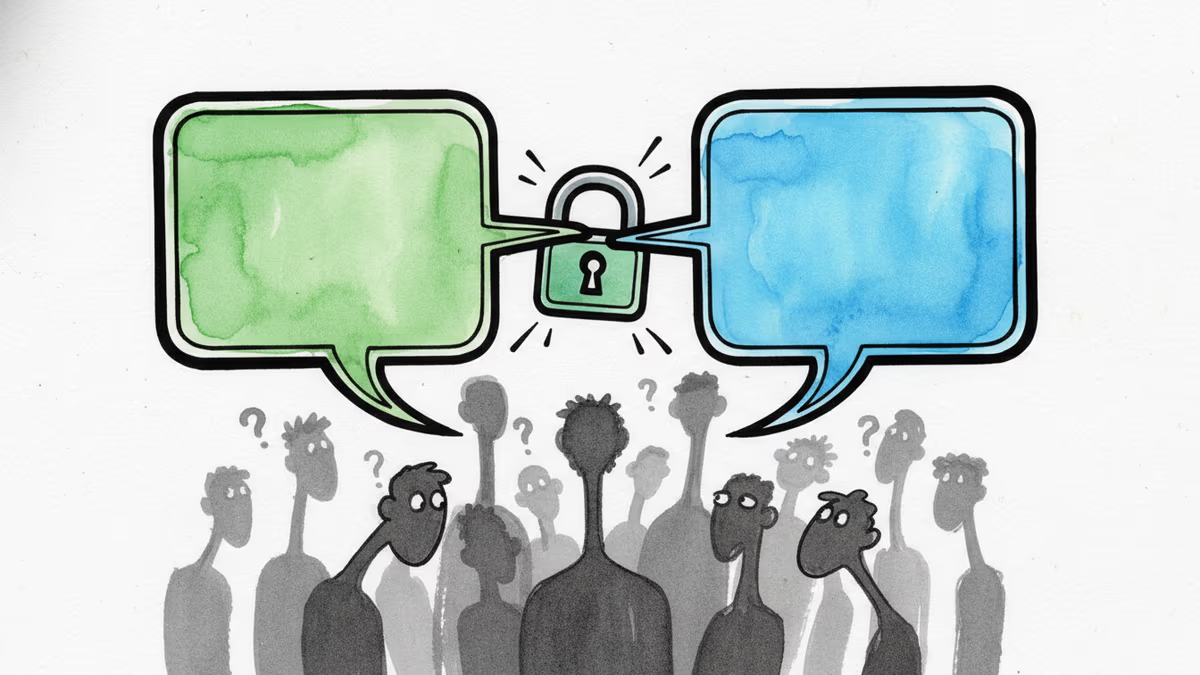
After 15 years of fragmented mobile messaging, Apple and Google are rolling out end-to-end encrypted RCS messaging between iPhones and Android devices. Here's what changed, why it took so long, and what it means for your privacy.
In a post-Google I/O interview, Sundar Pichai acknowledged flawed search results, real AI anxiety, and an AGI timeline that makes the label irrelevant. Here's what he said — and what it means.
Google is building AI agents that search the web proactively, without user prompting. That's not just a product update — it's a fundamental shift in who controls the information you receive.
Google unveiled the 'Googlebook' platform to replace Chromebook and ChromeOS—but revealed zero hardware specs. What's the strategy, and what does it mean for users, manufacturers, and the education market?
After 15 years of fragmented mobile messaging, Apple and Google are rolling out end-to-end encrypted RCS messaging between iPhones and Android devices. Here's what changed, why it took so long, and what it means for your privacy.
Thoughts
Share your thoughts on this article
Sign in to join the conversation