

EU Desflurane Ban 2026: Why Hospitals are Ditching the '7,000x Warming' Gas
As of January 1, 2026, the EU has officially restricted desflurane, a potent anesthetic gas. Learn how this 7,000x warming pollutant is being removed from hospitals worldwide.
What if the gas used to keep you asleep during surgery had the same climate impact as 1.6 million cars? That's the environmental cost of desflurane, a common anesthetic that's now being phased out by regulators and hospitals worldwide.
The Stakes of the EU Desflurane Ban 2026
On January 1, 2026, the European Union officially prohibited the use of desflurane except for rare medically necessary cases. According to Reuters, this drug is over 7,000 times more effective at warming the planet than carbon dioxide over a 20-year period. Approximately 1,000 tons of the gas are vented from medical facilities annually.

Global Shift: US Hospitals Follow Suit
While the EU has taken the lead with a formal ban, numerous hospitals in the United States have already voluntarily stopped using the drug. It's not just about the regulations; it's about the ethics of care. Doctors are increasingly switching to alternatives like sevoflurane or intravenous anesthesia, which offer similar patient outcomes with a fraction of the carbon footprint.
Authors
Related Articles
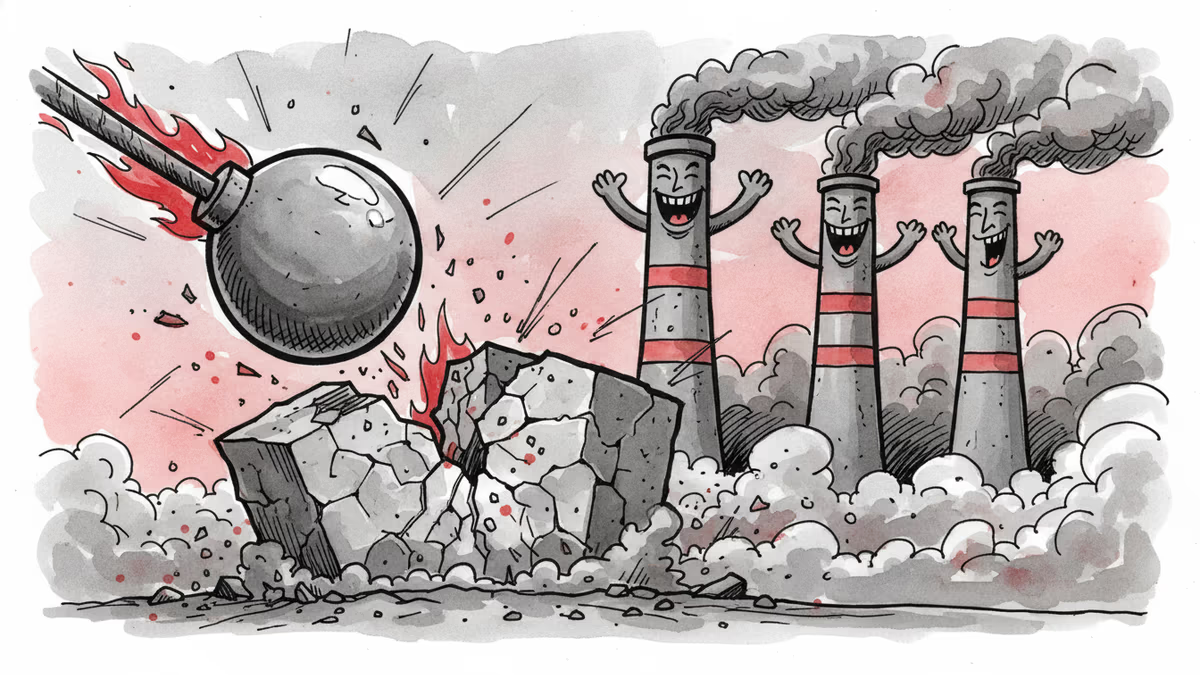
Trump administration eliminates EPA's endangerment finding that enabled greenhouse gas regulations since 2009, potentially reshaping climate policy across all sectors
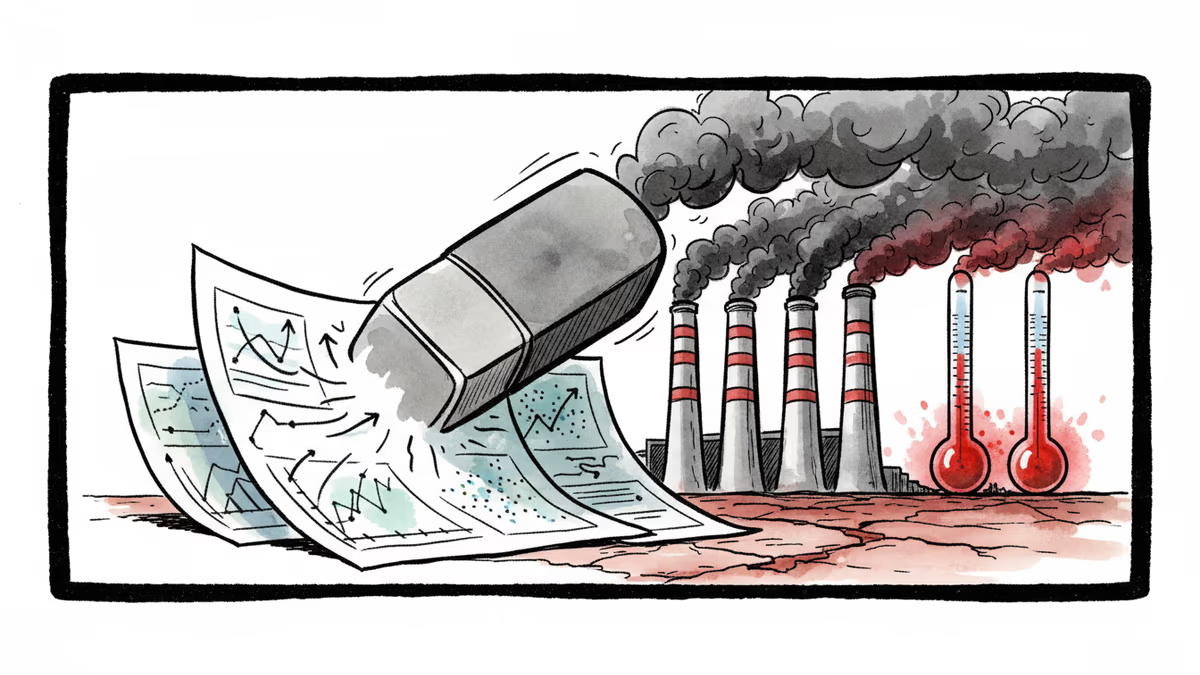
Trump administration set to revoke EPA's 17-year scientific finding on greenhouse gas dangers, dismantling legal foundation for climate action amid record-breaking heat and extreme weather costs.
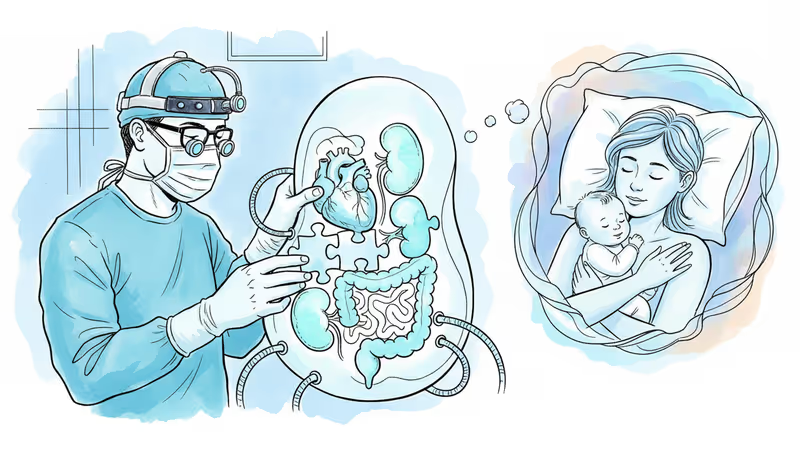
A groundbreaking surgical procedure temporarily relocates reproductive organs during cancer treatment, allowing patients to preserve fertility. Baby Lucien represents hope for thousands facing this devastating choice.
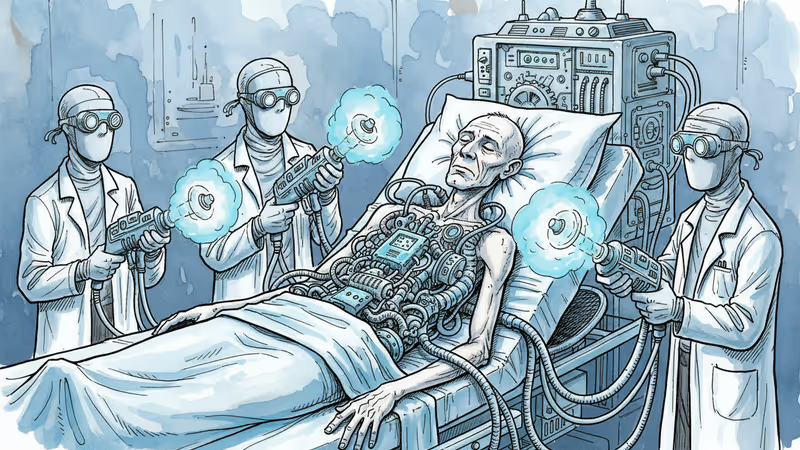
A 33-year-old man survived 48 hours with no lungs using a custom artificial lung system at Northwestern University, opening new possibilities for previously hopeless transplant cases.
Trump administration eliminates EPA's endangerment finding that enabled greenhouse gas regulations since 2009, potentially reshaping climate policy across all sectors
Trump administration set to revoke EPA's 17-year scientific finding on greenhouse gas dangers, dismantling legal foundation for climate action amid record-breaking heat and extreme weather costs.
A groundbreaking surgical procedure temporarily relocates reproductive organs during cancer treatment, allowing patients to preserve fertility. Baby Lucien represents hope for thousands facing this devastating choice.
A 33-year-old man survived 48 hours with no lungs using a custom artificial lung system at Northwestern University, opening new possibilities for previously hopeless transplant cases.
Thoughts
Share your thoughts on this article
Sign in to join the conversation