
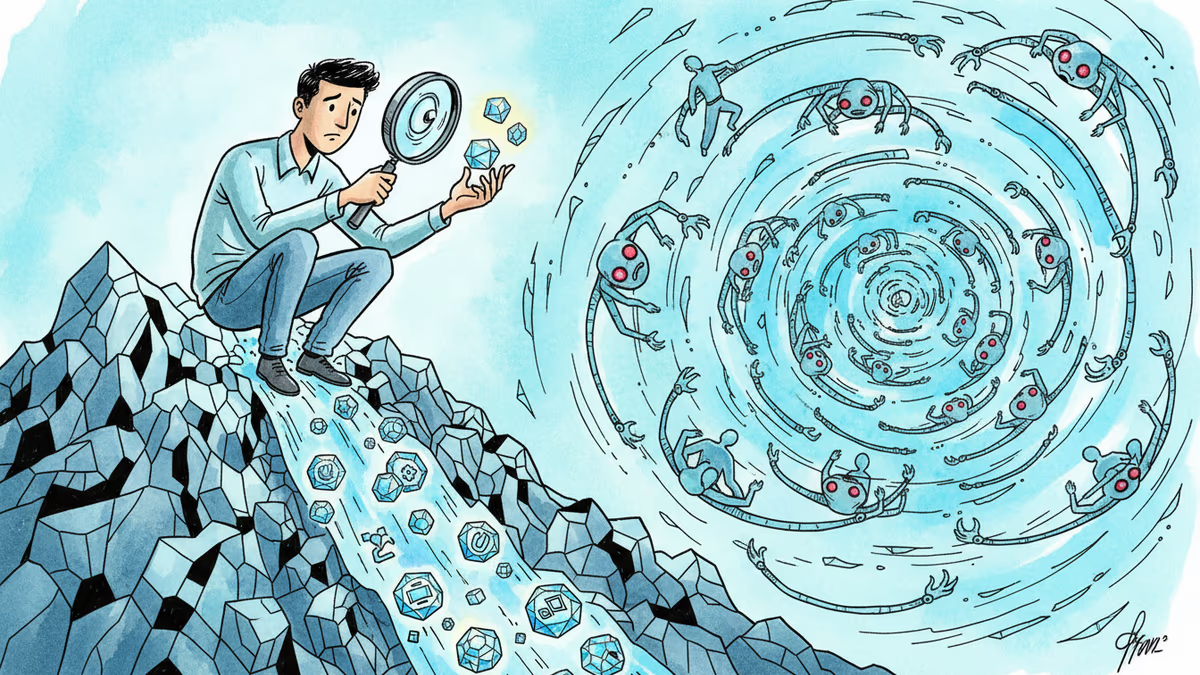
The Curation Economy Is Quietly Winning
The Verge's Installer newsletter hits 116 issues, revealing how human curation is beating algorithmic feeds in the attention economy. What does this mean for media and discovery?
Issue 116 and Counting
David Pierce sends out The Verge'sInstaller newsletter every Friday, calling it "your guide to the best and Verge-iest stuff in the world." This week marked issue 116, covering everything from Letterboxd reviews to AI influencers to a Mac calendar app called Dot.
That number—116—represents more than consistent publishing. It signals a quiet revolution in how we discover things online. While tech giants pour billions into recommendation algorithms, a simple weekly email is proving that human curation might be the antidote to algorithmic overwhelm.
The Paradox of Choice
Installer's power isn't in its technology—it's in its editing. Pierce sifts through hundreds of apps, tools, and content pieces each week, selecting only what truly matters. His recommendations can drive thousands of downloads for unknown apps overnight.
This flies in the face of personalization orthodoxy. While Meta and TikTok use vast datasets to predict what you'll like, Installer asks you to trust one person's taste. Paradoxically, this "inefficient" approach often leads to better discoveries than algorithmic feeds.
The difference? Algorithms optimize for engagement. Curators optimize for utility.

The Economics of Attention
Newsletter economics work differently than platform economics. Social media platforms want you to scroll endlessly. Newsletter curators want you to leave—to actually try the things they recommend.
This creates a different relationship with readers. Instead of maximizing time-on-site, successful newsletters maximize action taken. Pierce's success isn't measured in minutes watched but in apps downloaded, books bought, and habits changed.
For advertisers, this represents a fundamental shift. A newsletter recommendation carries the weight of personal endorsement, not algorithmic placement. It's closer to word-of-mouth than traditional advertising.
The Curator Class
Pierce isn't alone. Across industries, individual curators are building influence that rivals institutional media. Morning Brew's founders turned daily email curation into a $75 million exit. Substack has minted dozens of six-figure newsletter writers.
This represents a new form of media power—distributed, personal, and trust-based. When algorithms feel increasingly manipulative, human judgment feels refreshingly honest.
But it also raises questions about scale and sustainability. Can curation-based media grow without losing the personal touch that makes it valuable?
The rise of newsletter culture suggests we're hungry for fewer, better choices. But as curation itself becomes algorithmic, how do we preserve the human insight that makes it valuable in the first place?
Authors
Related Articles
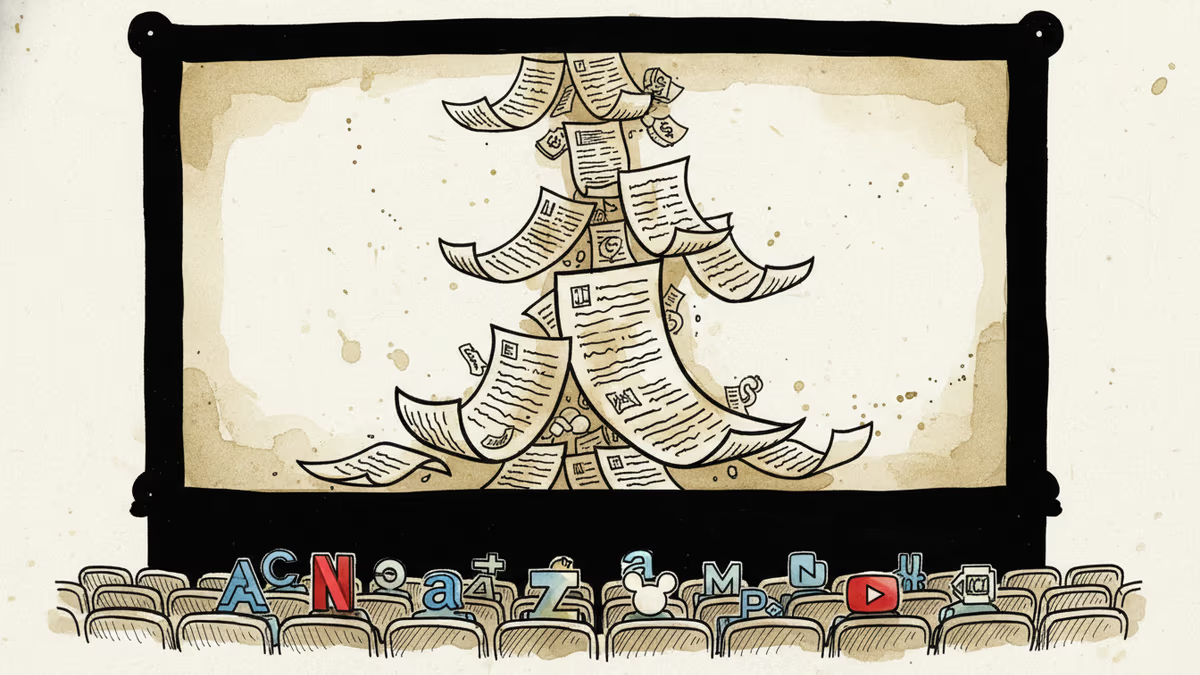
Paramount-Warner merger creates streaming giant with 200M+ subscribers after Netflix abandoned WBD deal. What this mega-consolidation means for content and competition.
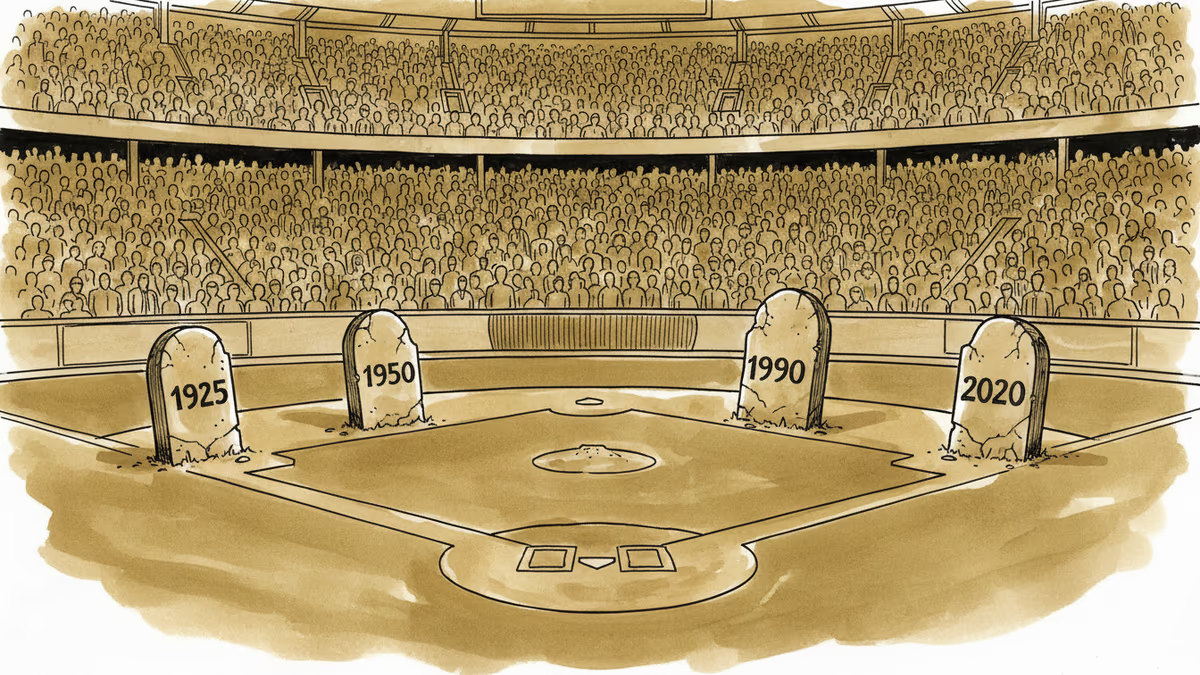
From 1925 to 2026, media has declared baseball's death countless times. Why crisis narratives persist and what they reveal about how sports evolve in the attention economy.
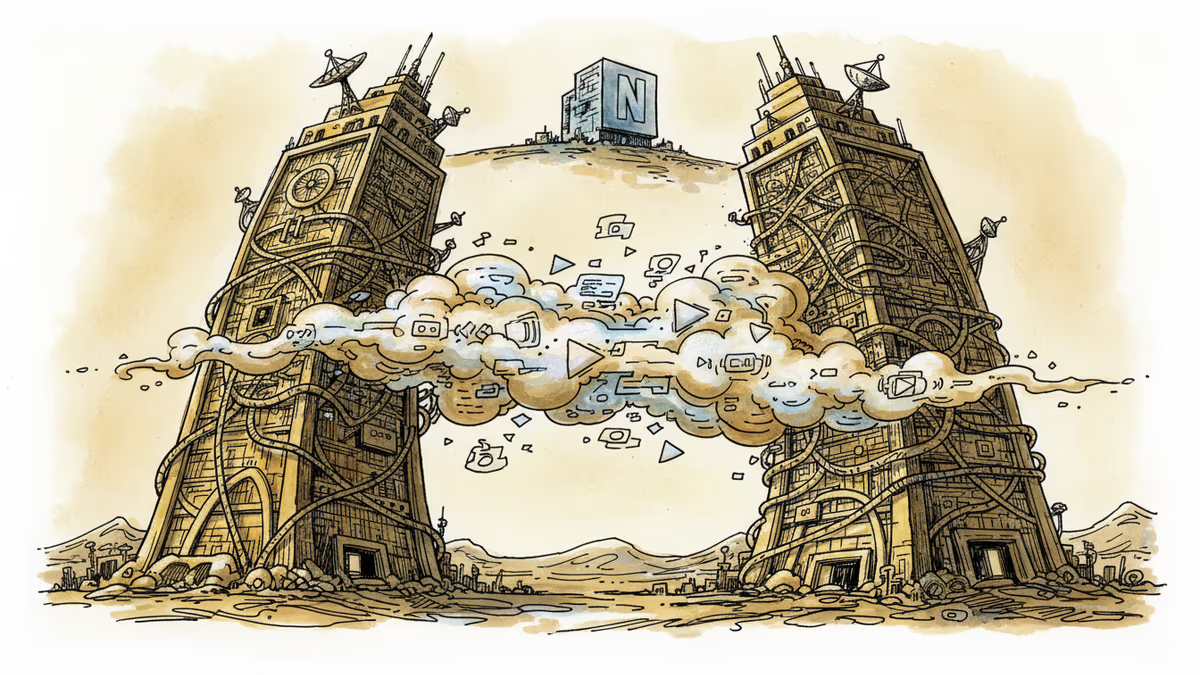
Warner Bros. Discovery and Paramount announce $83B merger after Netflix withdraws from bidding war. Analysis of streaming consolidation and industry implications.
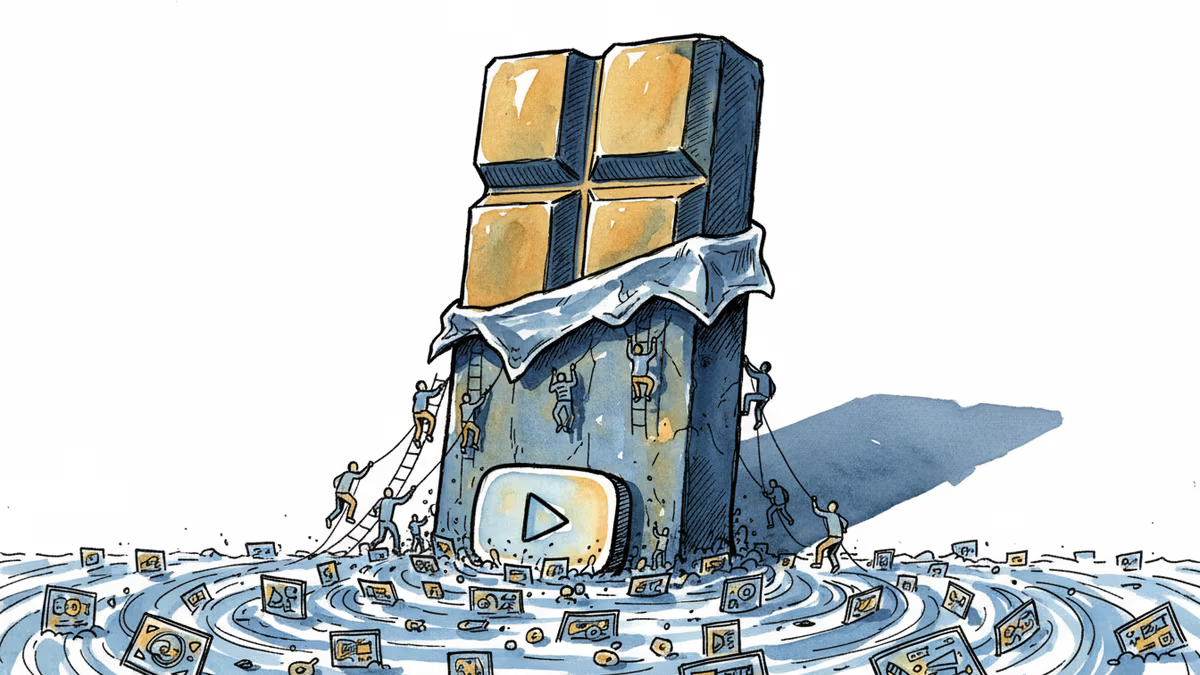
The world's biggest YouTuber lost money on media while his chocolate brand thrived. As AI floods the market with content, creators are scrambling to find new business models.
Paramount-Warner merger creates streaming giant with 200M+ subscribers after Netflix abandoned WBD deal. What this mega-consolidation means for content and competition.
From 1925 to 2026, media has declared baseball's death countless times. Why crisis narratives persist and what they reveal about how sports evolve in the attention economy.
Warner Bros. Discovery and Paramount announce $83B merger after Netflix withdraws from bidding war. Analysis of streaming consolidation and industry implications.
The world's biggest YouTuber lost money on media while his chocolate brand thrived. As AI floods the market with content, creators are scrambling to find new business models.
Thoughts
Share your thoughts on this article
Sign in to join the conversation