
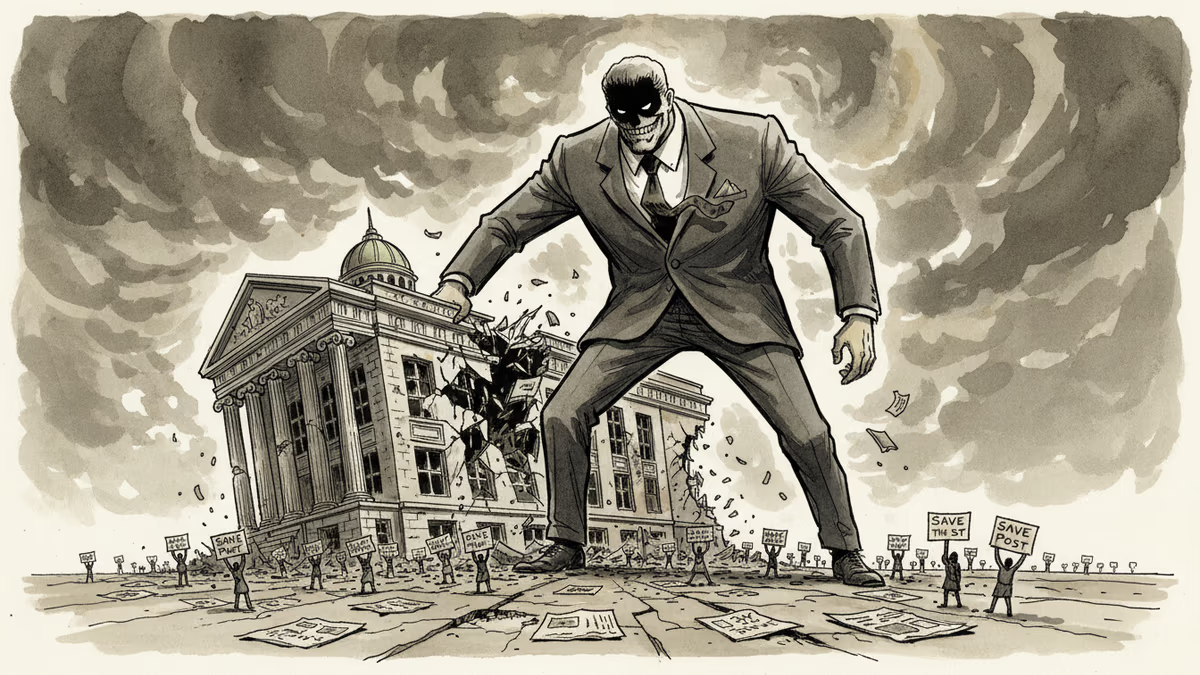
Bezos Stays Silent as Washington Post Axes 400 Jobs
The Washington Post fired 400 staffers and ousted its CEO, but owner Jeff Bezos remains silent. Media professionals question his real agenda behind the newsroom bloodbath.
The Silence That Speaks Volumes
400 people lost their jobs at The Washington Post last week. That's nearly a third of the newsroom. But here's what's more telling: Jeff Bezos hasn't said a word about it publicly.
The timing couldn't be more suspicious. CEO Will Lewis got the boot right after announcing the layoffs, and multiple desks were shuttered entirely. For a newspaper that Bezos bought for $250 million in 2013, promising to restore its glory, this looks less like restructuring and more like demolition.
Staff gathered outside the Post's headquarters with "Save The Post" signs, but they weren't just protesting job cuts. They're questioning whether their billionaire owner still believes in journalism—or if he's got other plans.
The Subscription Exodus Nobody Talks About
Here's the number that matters: 250,000 subscribers canceled after Bezos blocked the Post's endorsement of Kamala Harris before the 2024 election. That's roughly $25 million in annual revenue walking out the door.
The message was clear—readers don't want their news filtered through a billionaire's political calculations. But Bezos doubled down anyway, signaling support for Trump's administration while his newspaper's credibility tanked.
"We're not Amazon's PR department," one veteran reporter told colleagues during an all-hands meeting. The sentiment reflects a deeper anxiety: Is the Post becoming just another asset in Bezos's empire, subject to the same ruthless efficiency metrics as his warehouses?

The Billionaire Media Playbook
Bezos isn't alone in this game. Elon Musk gutted 80% of Twitter's staff after his $44 billion acquisition. Rupert Murdoch continues wielding influence through his media properties. The pattern is consistent: buy influence, cut costs, control narrative.
But there's a crucial difference. Murdoch built his empire understanding media economics. Musk and Bezos treat media properties like tech platforms—expecting them to scale and optimize like software. The problem? Journalism doesn't work that way.
The Post's layoffs signal something larger: traditional media economics are colliding with Silicon Valley's growth-at-all-costs mentality. The casualties aren't just jobs—they're the institutional knowledge and relationships that make quality journalism possible.
What Media Professionals Should Watch
Three trends are accelerating:
Consolidation: Independent newsrooms are becoming extinct. When billionaires own the major outlets, who watches the watchers?
Politicization: Media ownership is increasingly tied to political influence rather than business returns. The Post's endorsement controversy proves owners will sacrifice credibility for access.
Subscription Volatility: Audiences are more willing to cancel subscriptions over editorial decisions. This creates pressure for owners to either double down on independence or abandon it entirely.
Authors
Related Articles
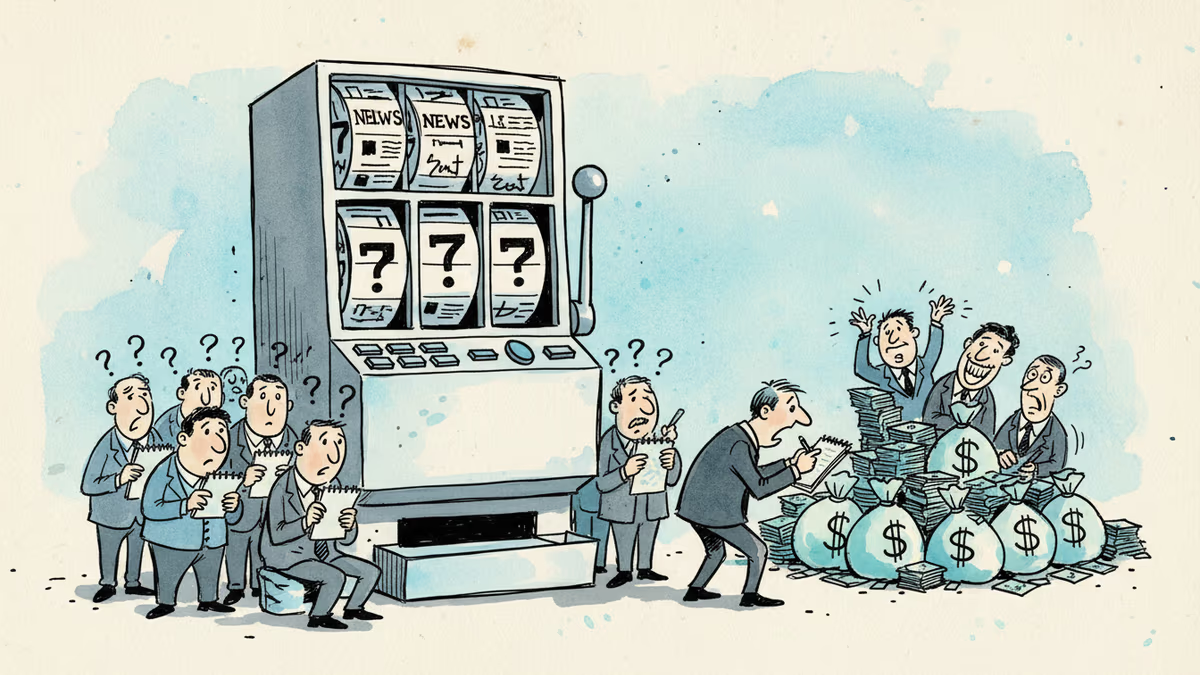
As Polymarket and Kalshi expand news partnerships, insider trading concerns mount. The line between gambling and information is blurring dangerously.
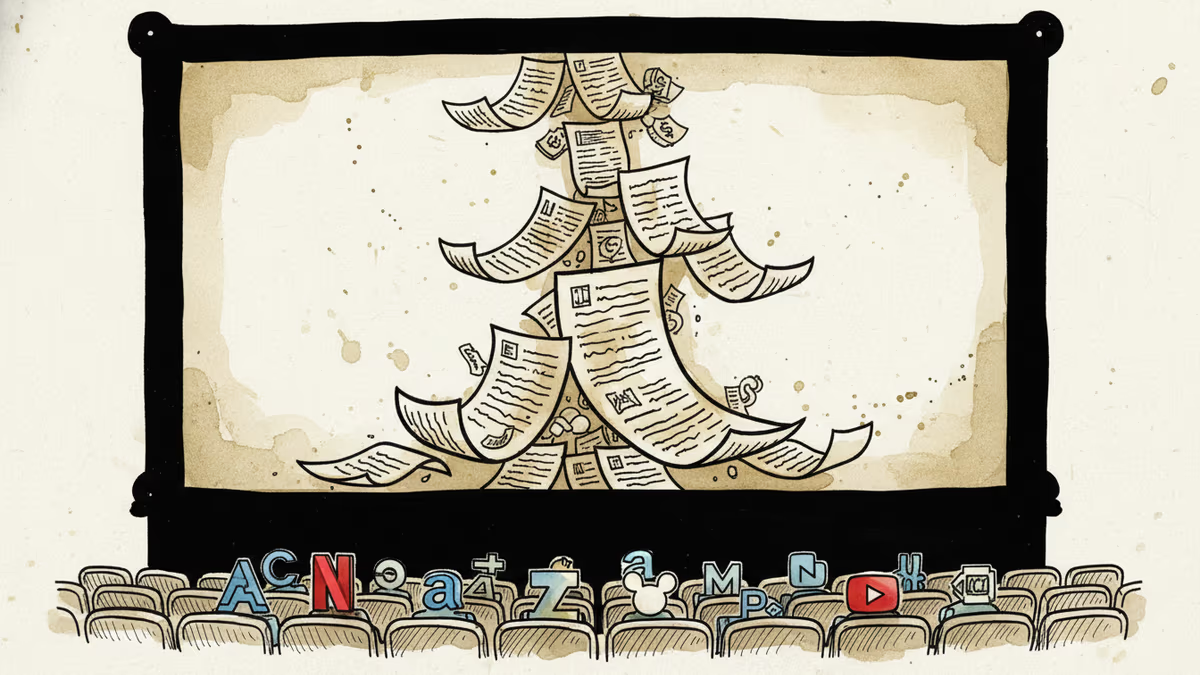
Paramount-Warner merger creates streaming giant with 200M+ subscribers after Netflix abandoned WBD deal. What this mega-consolidation means for content and competition.
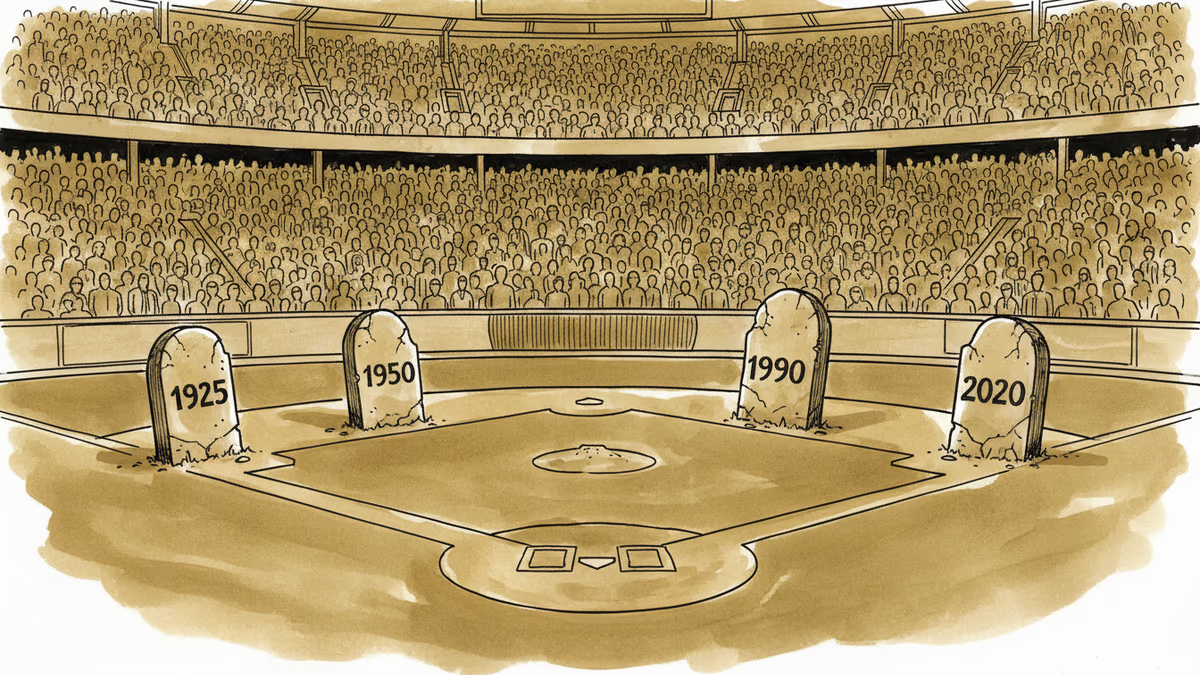
From 1925 to 2026, media has declared baseball's death countless times. Why crisis narratives persist and what they reveal about how sports evolve in the attention economy.
Warner Bros. Discovery and Paramount announce $83B merger after Netflix withdraws from bidding war. Analysis of streaming consolidation and industry implications.
As Polymarket and Kalshi expand news partnerships, insider trading concerns mount. The line between gambling and information is blurring dangerously.
Paramount-Warner merger creates streaming giant with 200M+ subscribers after Netflix abandoned WBD deal. What this mega-consolidation means for content and competition.
From 1925 to 2026, media has declared baseball's death countless times. Why crisis narratives persist and what they reveal about how sports evolve in the attention economy.
Warner Bros. Discovery and Paramount announce $83B merger after Netflix withdraws from bidding war. Analysis of streaming consolidation and industry implications.
Thoughts
Share your thoughts on this article
Sign in to join the conversation