
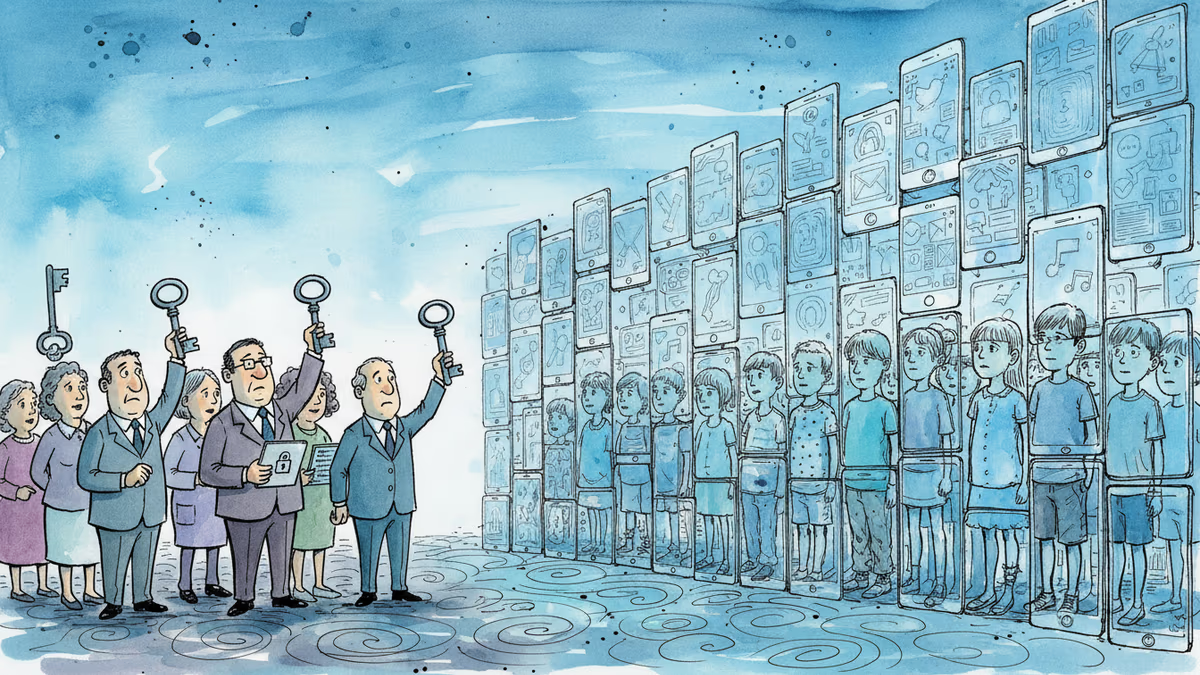
The Global Rush to Ban Social Media for Kids Under 16
Following Australia's groundbreaking ban, 10+ countries are restricting teen social media access. But critics warn of privacy invasion and ineffective enforcement. What's driving this worldwide movement?
$34.4 million. That's the penalty Australian social media companies face for letting kids under 16 on their platforms. In December 2024, Australia became the first country to implement such a ban. Two months later, over 10 nations are drafting similar legislation.
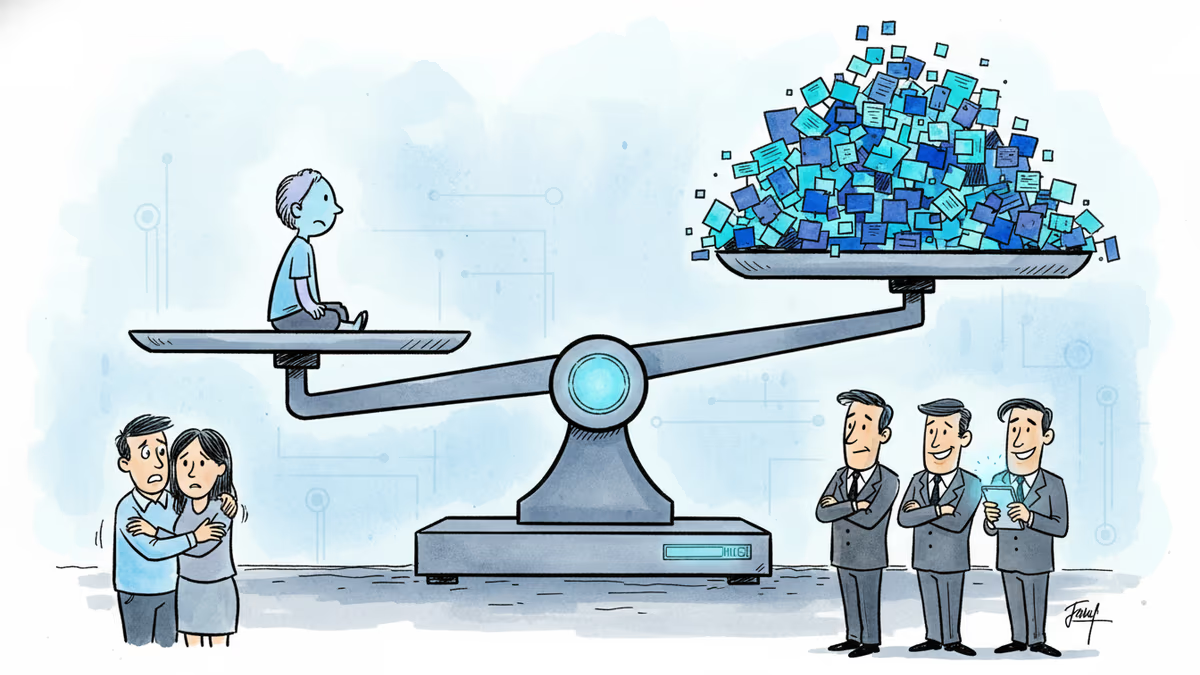
This isn't just about screen time limits anymore. It's about who controls the digital childhood.
Australia's Digital Iron Curtain
The banned list is specific: Facebook, Instagram, TikTok, Snapchat, X, YouTube, Reddit, Twitch, and Kick. But WhatsApp and YouTube Kids get a pass. Why the distinction?
The key differentiator appears to be algorithmic feeds. Platforms that use recommendation systems and infinite scroll to drive engagement are targeted, while direct communication tools and educational content remain accessible.
Companies can't rely on users simply entering their age. They must implement multiple verification methods – potentially including facial recognition, credit card verification, or government ID linking. The technical and privacy implications are staggering.
Europe's Domino Effect
Denmark set the bar at under 15, going one year younger than Australia. France's parliament passed similar legislation. Germany's conservatives are pushing their proposal, though coalition partners show hesitation.
The variations are telling. Slovenia focuses specifically on "content-sharing platforms." The UK is considering targeting compulsive-use features like endless scrolling before implementing outright bans.
Even Malaysia joined the movement, suggesting this transcends Western regulatory culture.

The Tech Industry Pushback
Meta, TikTok, and other platforms argue these bans are fundamentally unenforceable. Teens will use VPNs, lie about their age, or migrate to unregulated platforms, they claim.
Amnesty Tech calls the measures "ineffective" and warns of invasive age verification creating broader privacy risks. The criticism isn't just from Big Tech – digital rights groups worry about setting precedents for government internet control.
Yet governments seem undeterred. Spain is even considering making social media executives personally liable for hate speech on their platforms.
The Enforcement Reality Check
Australia's ban took effect, but workaround guides are already circulating online. VPN downloads have spiked among Australian teens. Some are simply moving to platforms not covered by the ban.
The age verification challenge is immense. Requiring government ID creates privacy concerns. Facial recognition raises surveillance fears. Credit card verification excludes families without banking access.
Meanwhile, the $34.4 million penalties remain largely theoretical until the first major enforcement action.
Parents vs. Digital Natives
Public opinion is split generationally. Parents largely support the measures, citing concerns about cyberbullying, mental health, and predator exposure. A recent survey showed 77% of Australian parents favor the ban.
But many teens and young adults view this as digital authoritarianism. They argue social media provides crucial peer support, educational content, and social justice organizing tools that traditional institutions don't offer.
The disconnect is profound: adults see protection, youth see oppression.
Authors
Related Articles
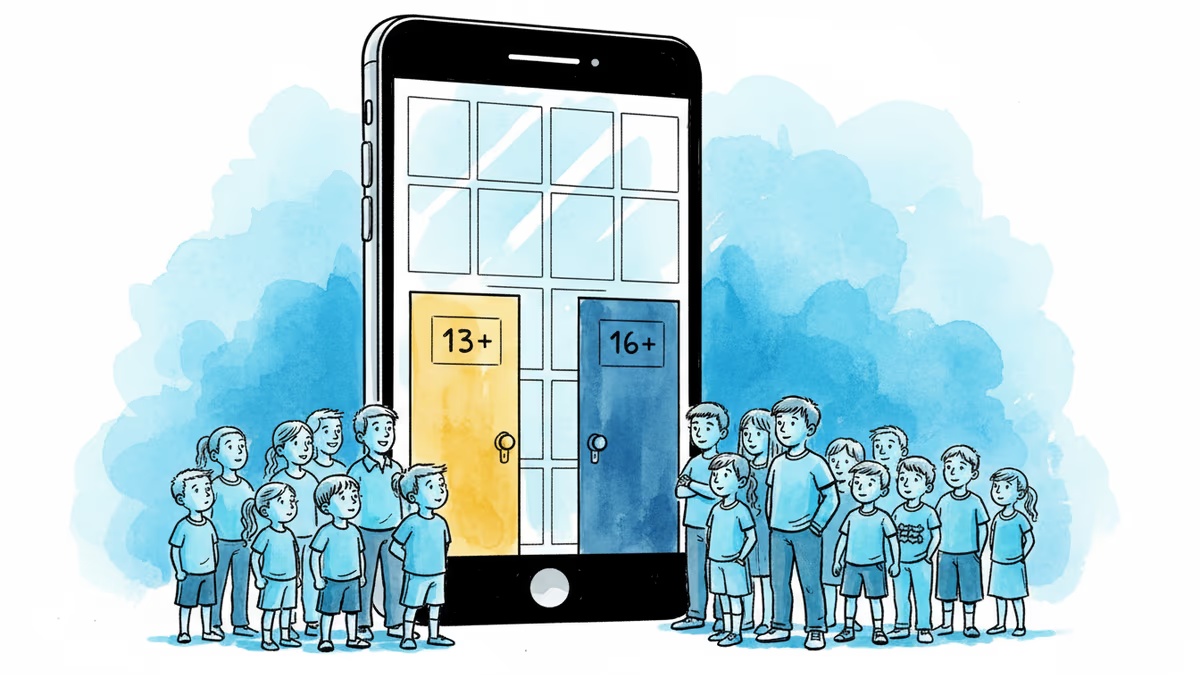
Indonesia introduces age-tiered social media restrictions, allowing 13+ for low-risk platforms and 16+ for high-risk ones. How does this compare to Australia's blanket ban?
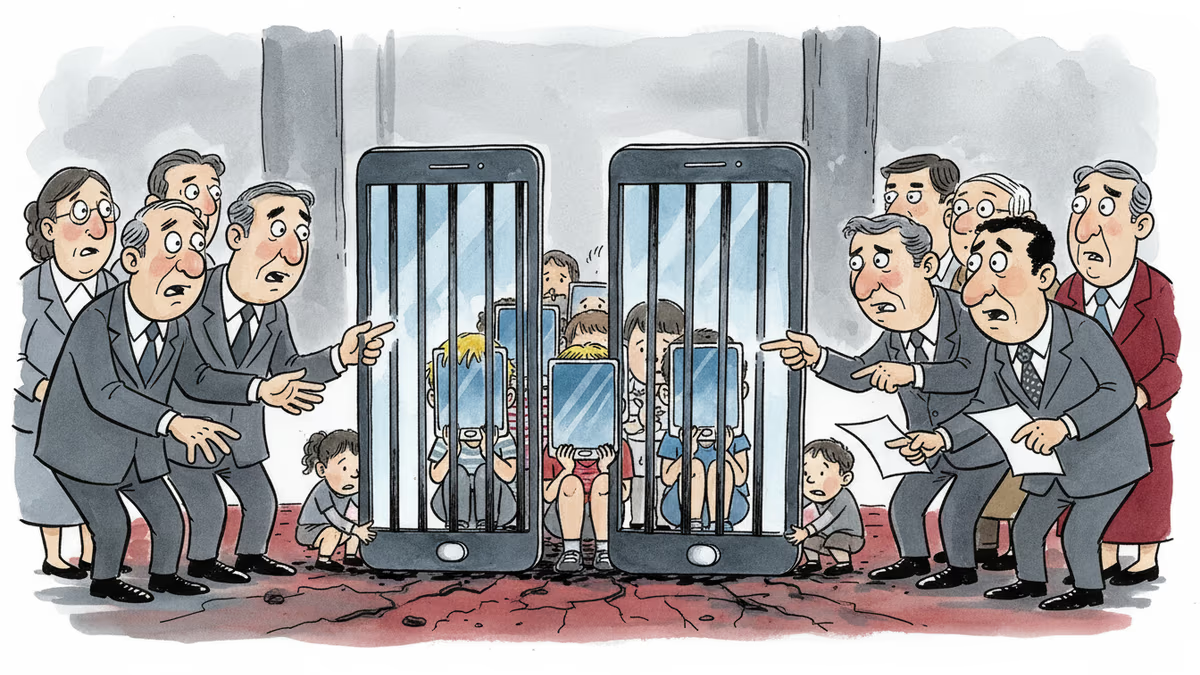
From Australia's $34M fines to France's parliamentary vote, 10 countries are restricting teen social media access. A global experiment in digital parenting begins.
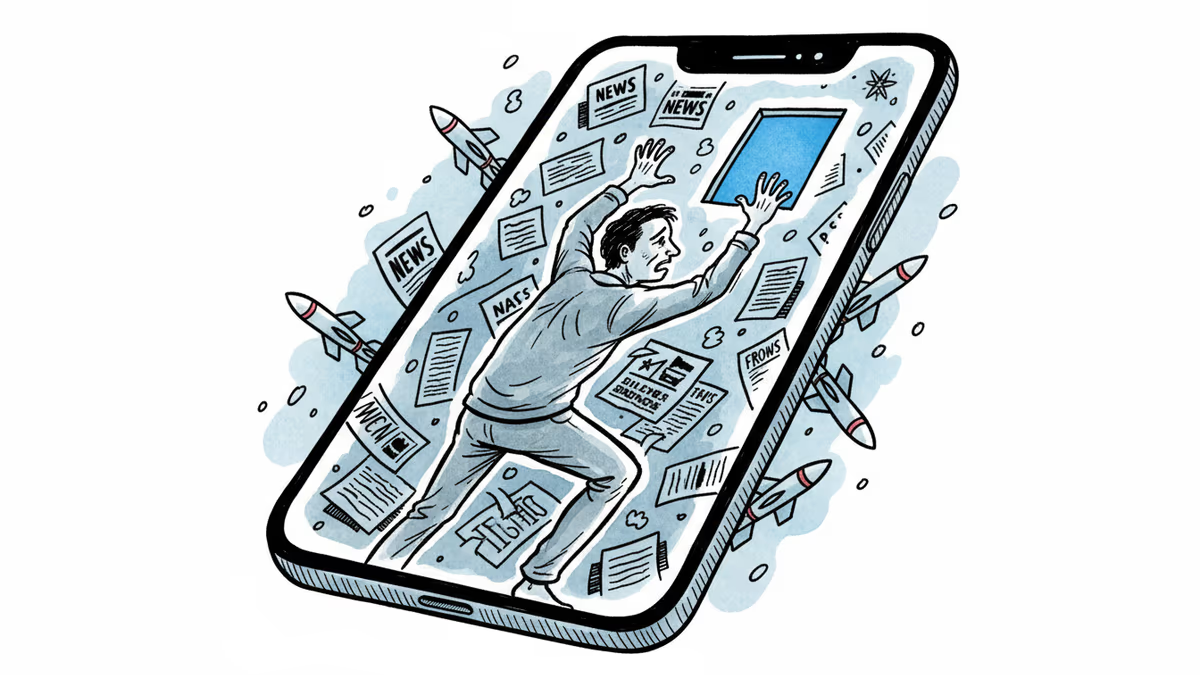
Middle East missile strikes trigger global doomscrolling epidemic. Neuroscience reveals why we can't stop scrolling through bad news and how to break free.
Federal Trade Commission announces enforcement pause on children's privacy law for websites using age verification tech. Child protection vs privacy rights debate intensifies.
Indonesia introduces age-tiered social media restrictions, allowing 13+ for low-risk platforms and 16+ for high-risk ones. How does this compare to Australia's blanket ban?
From Australia's $34M fines to France's parliamentary vote, 10 countries are restricting teen social media access. A global experiment in digital parenting begins.
Middle East missile strikes trigger global doomscrolling epidemic. Neuroscience reveals why we can't stop scrolling through bad news and how to break free.
Federal Trade Commission announces enforcement pause on children's privacy law for websites using age verification tech. Child protection vs privacy rights debate intensifies.
Thoughts
Share your thoughts on this article
Sign in to join the conversation