

53 Deaths Later, Trump Still Called It a 'Success
Trump abruptly replaced DHS Secretary Kristi Noem after a tenure marked by record custody deaths and controversial enforcement tactics. What this means for immigration policy ahead.
53 Deaths Later, Trump Still Called It a 'Success'
Kristi Noem is out as head of the Department of Homeland Security. President Trump announced her replacement Thursday via Truth Social, praising her "numerous and spectacular results (especially on the Border!)." But the numbers tell a different story.
Under Noem's watch, 53 people died in ICE or CBP custody last year—a record high. Federal agents killed two U.S. citizens in Minneapolis, whom Noem publicly labeled "domestic terrorists" despite contradictory video evidence. A secretive policy allowed agents to raid homes without warrants, leading to wrong-house raids where citizens were removed at gunpoint.
Yet Trump called it spectacular. This disconnect reveals everything about how the administration measures "success."
The Mullin Upgrade: From Controversy to Hardline
Senator Markwayne Mullin of Oklahoma will replace Noem, bringing his own brand of enforcement philosophy. A former plumber turned mixed martial arts fighter turned congressman, Mullin represents Trump's preference for loyalists over technocrats. Trump called him a "MAGA Warrior"—a telling choice of words for someone inheriting America's most sprawling security apparatus.
The timing isn't coincidental. Noem's final week included two days of brutal Congressional hearings where even Republican senators called for her resignation. The breaking point? She revealed that Trump had approved a $200 million DHS ad campaign centered around her personal brand—a move that reportedly infuriated the president.

The Real Story: Bureaucratic Paralysis
Beyond the headlines about enforcement tactics lies a more mundane but equally damaging reality: administrative breakdown. Noem insisted on personally approving every DHS contract or grant over $100,000. The result? Over 1,000 contracts backed up at FEMA alone, according to Senate Democrats.
FEMA employees told WIRED this micromanagement made the agency less prepared for disasters. When bureaucracy becomes personal control, the system breaks down—regardless of political ideology.
Noem also clashed with White House border czar Tom Homan over deportation strategy. While Homan pushed for strategic targeting, Noem and senior adviser Corey Lewandowski reportedly obsessed over raw arrest numbers. The September meeting between Noem, Lewandowski, and Trump grew "contentious," according to CNN. The Wall Street Journal reported Lewandowski tried to fire a pilot mid-flight for failing to transfer Noem's blanket between planes.
These aren't policy disagreements—they're management failures.
What Mullin's Appointment Signals
Mullin's background suggests a different approach. As a businessman, he understands operational efficiency. As a former House member who moved to the Senate in 2022, he's navigated both chambers of Congress. His decade in the House included oversight of federal agencies—experience Noem lacked as a governor.
But his "MAGA Warrior" credentials also suggest continuity in enforcement philosophy. Mullin has consistently supported aggressive immigration measures and defended Trump's policies. The question isn't whether enforcement will soften—it's whether it will become more competent.
The $38 billion mass detention camp project continues. The warrantless raid policy remains in effect. The difference may be in execution rather than ideology.
Authors
Related Articles

Josh D'Amaro took over Disney with a bold Disney Plus vision. Days later, he's in a First Amendment fight with the Trump administration over The View. What does this mean for media freedom?
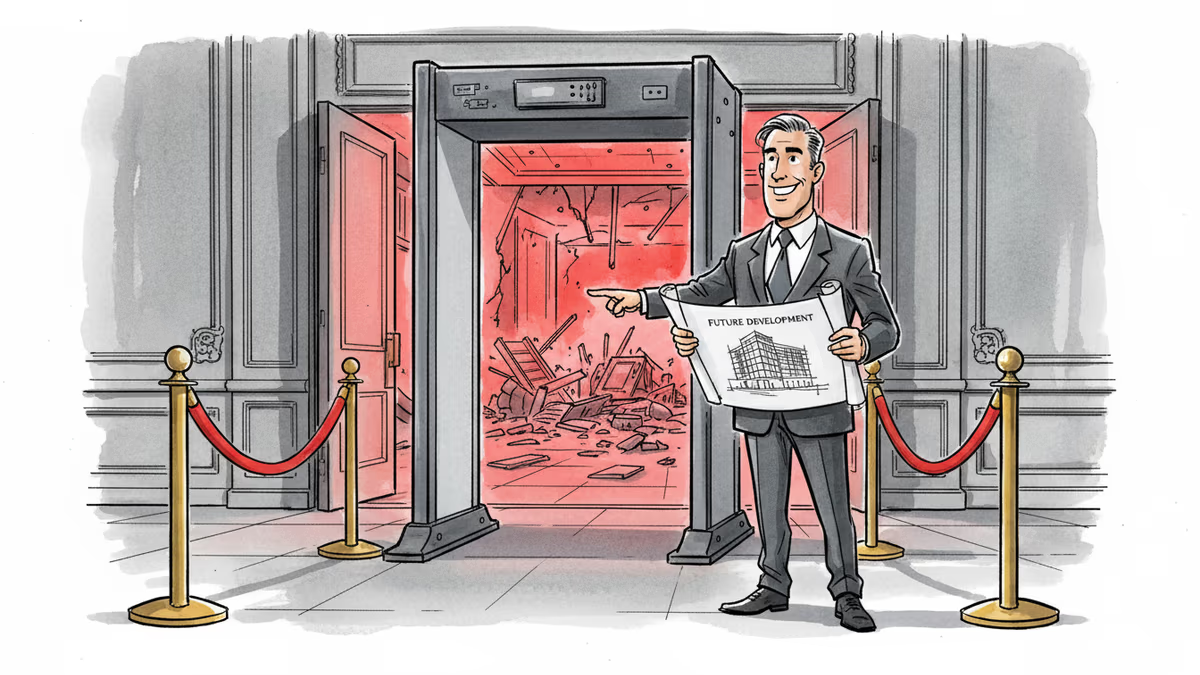
A gunman attacked a Secret Service checkpoint at the White House Correspondents' Dinner. Trump's first public reaction wasn't about security. It was about his $400M ballroom project.

Hours after an armed suspect attempted to breach the White House Correspondents Dinner, Trump used the security scare to publicly defend his White House ballroom project. What does that tell us?

Palantir has become the tech backbone of Trump's immigration enforcement. Former employees are calling it a 'descent into fascism.' What happens when the people who build surveillance tools start asking uncomfortable questions?
Josh D'Amaro took over Disney with a bold Disney Plus vision. Days later, he's in a First Amendment fight with the Trump administration over The View. What does this mean for media freedom?
A gunman attacked a Secret Service checkpoint at the White House Correspondents' Dinner. Trump's first public reaction wasn't about security. It was about his $400M ballroom project.
Hours after an armed suspect attempted to breach the White House Correspondents Dinner, Trump used the security scare to publicly defend his White House ballroom project. What does that tell us?
Palantir has become the tech backbone of Trump's immigration enforcement. Former employees are calling it a 'descent into fascism.' What happens when the people who build surveillance tools start asking uncomfortable questions?
Thoughts
Share your thoughts on this article
Sign in to join the conversation