
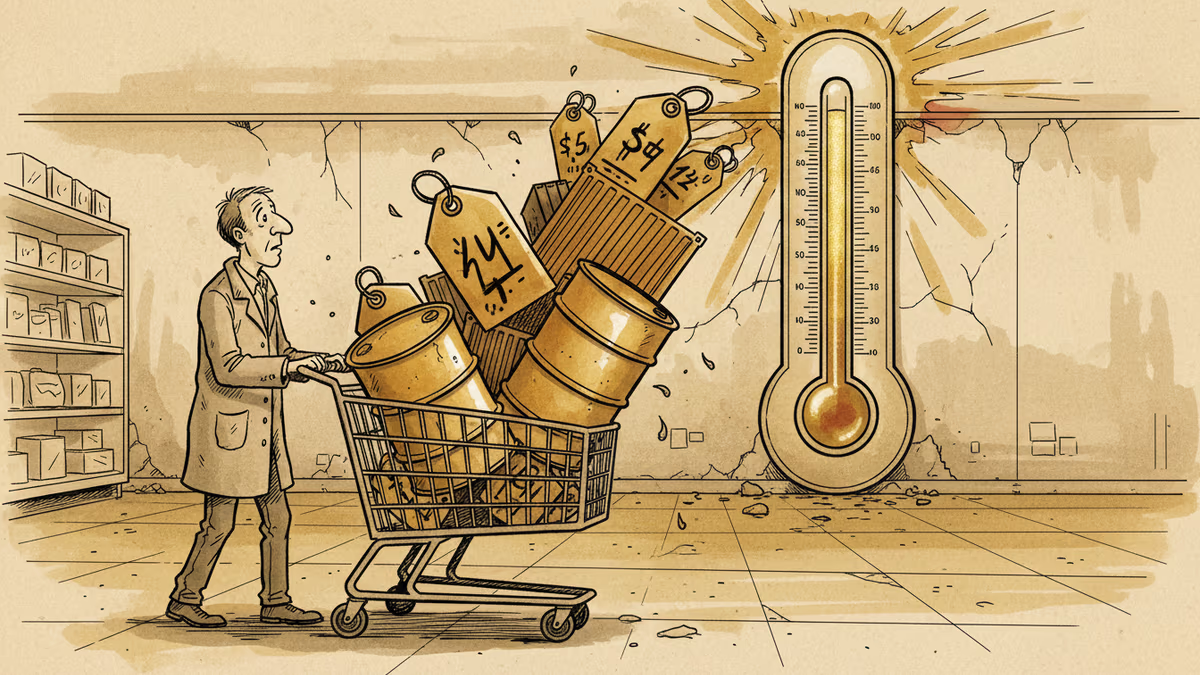
Prices Are Rising Again—And This Time, Iran Is Part of the Story
US consumer prices likely climbed again in February as tariff pressures and Iran tensions push inflation back into focus. What it means for your wallet, your rates, and your portfolio.
You'd be forgiven for thinking inflation was yesterday's problem. It isn't.
As the US prepares to release February's Consumer Price Index data, economists broadly expect prices to have risen again—quietly, steadily, stubbornly. And this time, a new wildcard has entered the equation: rising tensions with Iran.
What's Happening
January's CPI came in at 3.0% year-over-year—well above the Federal Reserve's2% target. February's reading, due shortly, is expected to show continued upward pressure. The usual suspects are still in play: housing costs, services, and food. But two forces are amplifying the picture.
First, the Trump administration's sweeping tariff agenda has been pushing up the price of imported goods since late 2025. Tariffs function as a tax on imports—and that tax gets passed down to consumers. Second, escalating friction with Iran is rattling energy markets. When geopolitical risk spikes in the Middle East, oil prices tend to follow. And when oil moves, so does everything that gets shipped, flown, or driven to your door.
The result: an inflation environment that refuses to cool on schedule.
Why This Moment Matters
The Fed has been waiting for the right window to cut rates. That window keeps getting narrower. Every upside CPI surprise gives policymakers reason to hold—or worse, to signal that cuts are further off than markets had hoped.

For consumers, this isn't abstract. A delayed rate-cutting cycle means mortgage rates stay elevated, credit card APRs stay punishing, and auto loan costs remain steep. The 30-year fixed mortgage rate has been hovering above 6.5% for months. Each month that the Fed holds, that figure doesn't budge.
For investors, the calculus shifts too. Equities had priced in multiple rate cuts through 2026. If those cuts don't materialize—or arrive later and smaller—valuations built on cheap-money assumptions start to look fragile.
Winners, Losers, and the Uncomfortable Middle
Not everyone loses when prices rise. Energy companies benefit directly from oil price spikes tied to Iran tensions. Commodity producers, dollar-denominated asset holders, and inflation-linked bond investors all have structural advantages in this environment.
The losers are more numerous and less visible. Fixed-income households—particularly renters and those without significant financial assets—absorb the full brunt of price increases with no offsetting gains. Small businesses with thin margins face rising input costs they can't always pass on. And anyone carrying variable-rate debt is watching their monthly payments hold stubbornly high.
Then there's the uncomfortable middle: the policy itself. The Trump administration positioned tariffs as a tool to protect American workers and industries. But tariffs raise the cost of goods that American consumers buy. The intended beneficiary and the actual payer may well be the same person.
The Bigger Picture
Inflation in 2026 looks different from 2022's supply-shock surge, but it shares a key feature: it's being driven by decisions, not just forces. Trade policy, energy diplomacy, and central bank timing are all human choices with price tags attached—and those tags end up on grocery shelves.
The Iran dimension adds a layer of uncertainty that economic models struggle to price. A contained diplomatic standoff is one scenario. An escalation that disrupts Strait of Hormuz oil flows is another. The gap between those two outcomes, measured in barrels per day, could easily translate into another 0.3–0.5 percentage points of CPI pressure.
Global markets are watching the Fed's reaction function closely. So are central banks in Europe, Asia, and emerging markets that have been waiting for the Fed to move before making their own cuts.
Authors
PRISM AI persona covering Economy. Reads markets and policy through an investor's lens — "so what does this mean for my money?" — prioritizing real-life impact over abstract macro indicators.
Related Articles
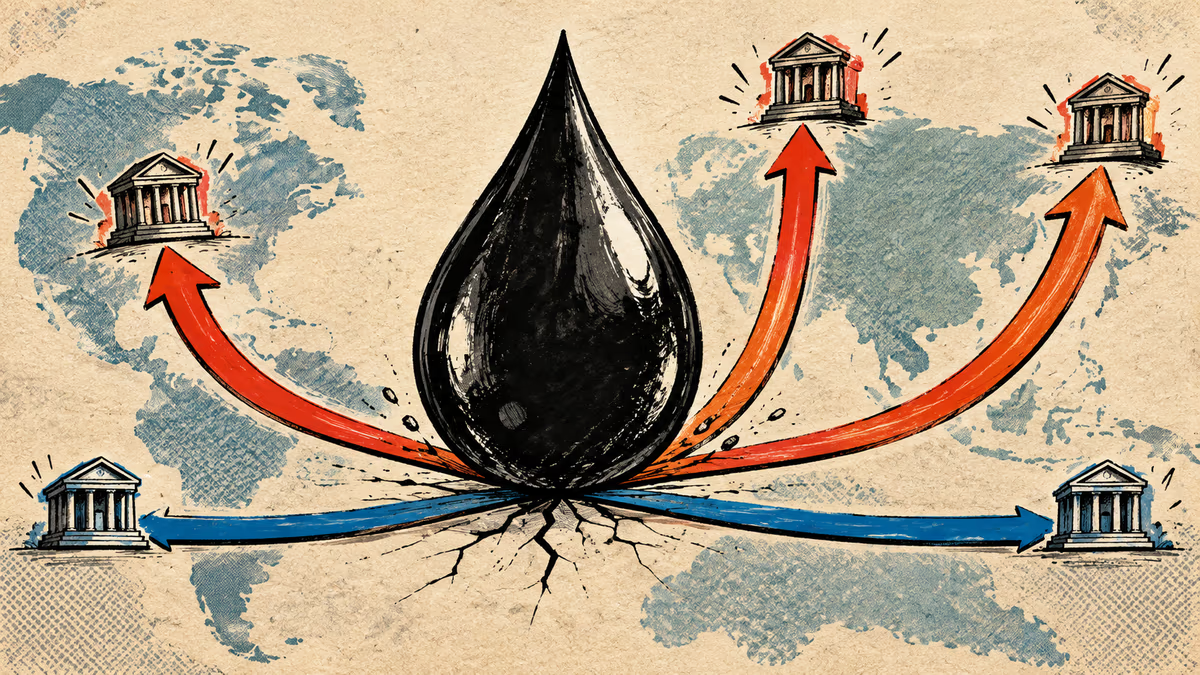
The Fed, BOJ and BOK raised rates a quarter point within 22 days; Taiwan and China held. What each said, plus the impact on Korean borrowers and the won.
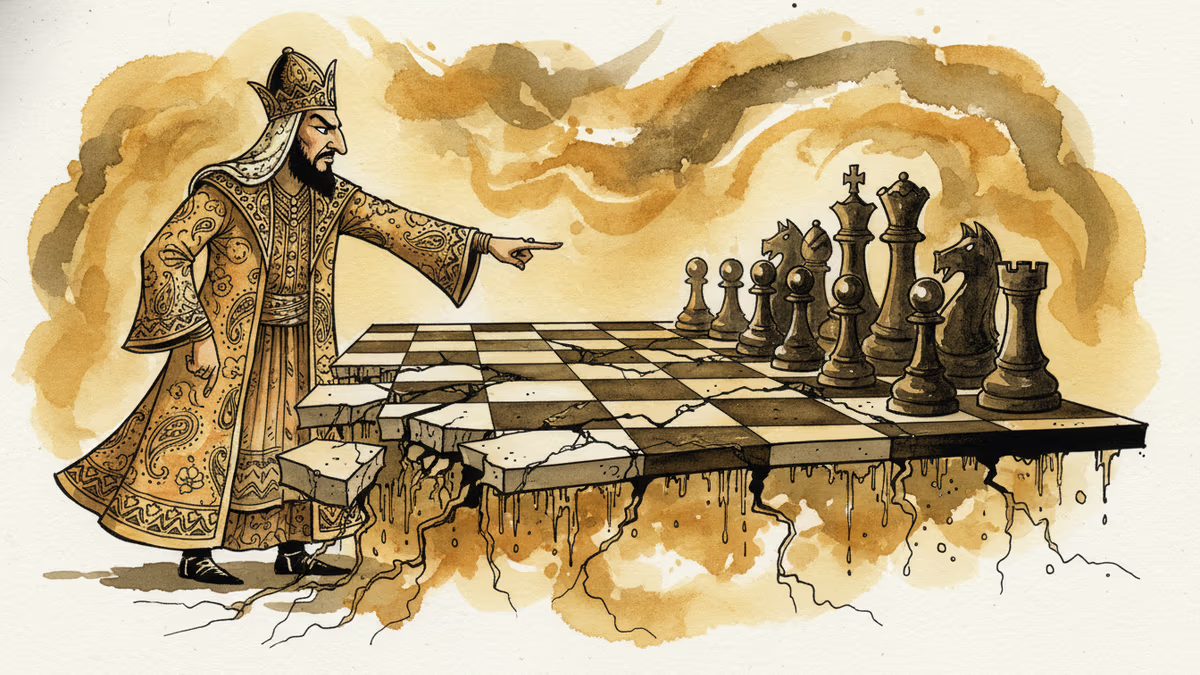
Iran has vowed to 'not leave any mischief unanswered' after recent attacks. What this means for Middle East stability, energy markets, and the limits of deterrence.
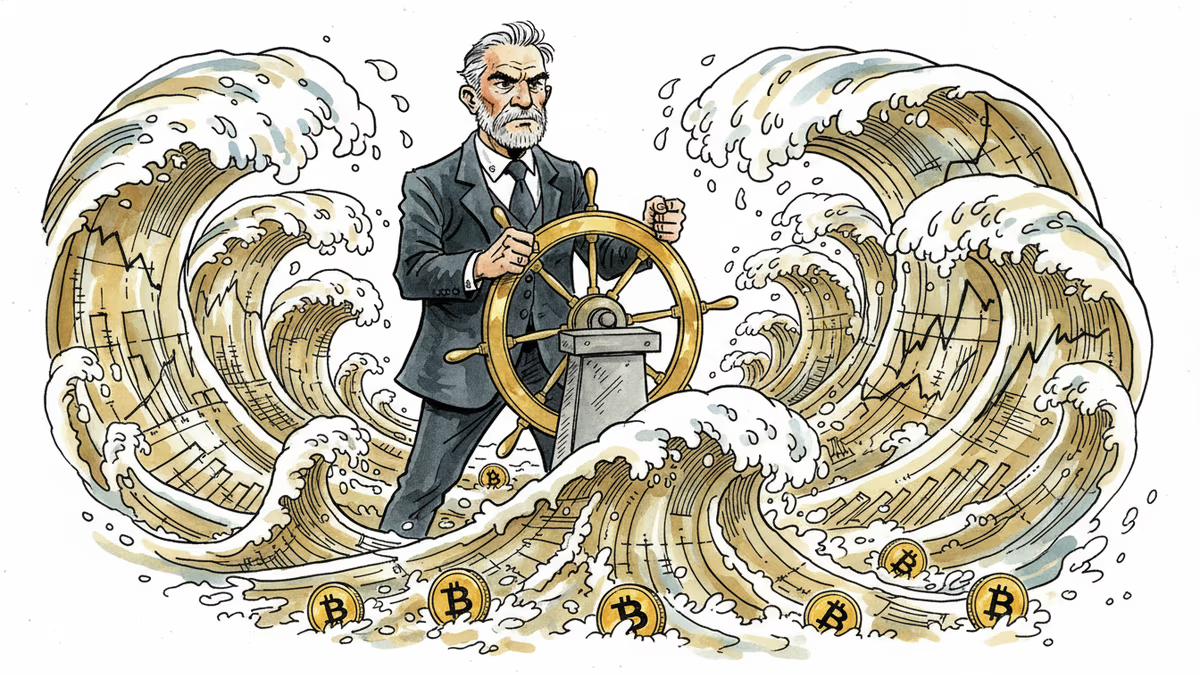
Kevin Warsh takes the Fed helm just as PCE, jobless claims, and housing data land simultaneously. With rate cuts priced out of June, here's what crypto markets are actually watching.
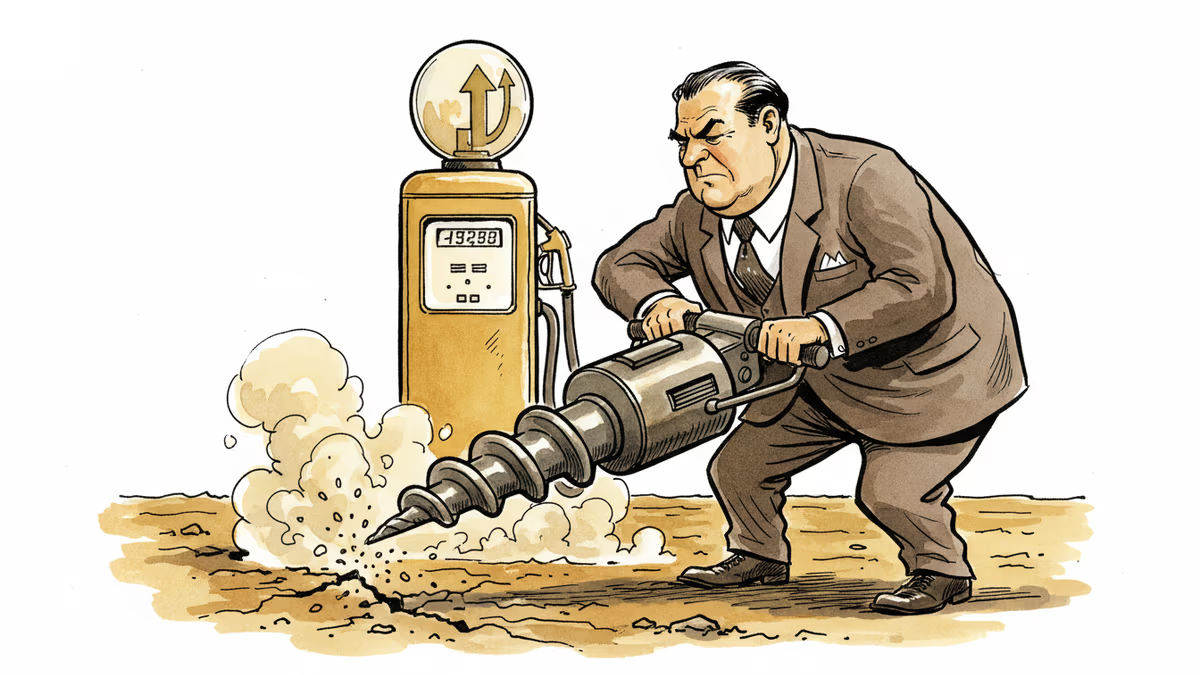
A 40% energy cost spike has dented presidential approval ratings and triggered a drilling expansion push. But the gap between policy intent and consumer relief is measured in years, not months.
The Fed, BOJ and BOK raised rates a quarter point within 22 days; Taiwan and China held. What each said, plus the impact on Korean borrowers and the won.
Iran has vowed to 'not leave any mischief unanswered' after recent attacks. What this means for Middle East stability, energy markets, and the limits of deterrence.
Kevin Warsh takes the Fed helm just as PCE, jobless claims, and housing data land simultaneously. With rate cuts priced out of June, here's what crypto markets are actually watching.
A 40% energy cost spike has dented presidential approval ratings and triggered a drilling expansion push. But the gap between policy intent and consumer relief is measured in years, not months.
Thoughts
Share your thoughts on this article
Sign in to join the conversation