

LG CLOiD AI Home Robot at CES 2026: Folding Laundry Is No Longer Your Job
LG unveils the CLOiD AI home robot at CES 2026, featuring 7-axis dual arms capable of folding laundry and assisting in the kitchen for a true zero-labor home.
The laundry is folding itself. LG just showed the world that 'zero labor' is no longer a marketing slogan. According to reports from The Verge, the company's new CLOiD home robot, teased for CES 2026, promises to handle the most tedious household chores.
LG CLOiD AI Home Robot: Redefining the Zero Labor Home
LG's latest iteration of the CLOiD line isn't just an assistant; it's a physical worker. The robot is designed to fetch milk from the fridge, place croissants in the oven, and even fold and stack clothes. While laundry-folding robots have appeared before, LG's entry stands out due to its two fully articulated arms featuring seven-axis movement, mimicking human dexterity.

Competitive Landscape at CES
The 'zero labor' ambition is shared by other tech players this year. SwitchBot is showcasing its Onero H1, which also targets hamper management. However, industry observers note that the CLOiD appears more capable on paper, thanks to its advanced arm architecture which allows for more complex manipulation of soft goods.
| Feature | LG CLOiD | SwitchBot Onero H1 |
|---|---|---|
| Arm Design | Dual 7-axis articulated arms | Single-purpose robotic arm |
| Task Range | Kitchen aid & Laundry folding | Laundry hamper management |
| Core Value | Full home labor automation | Specific chore efficiency |
Authors
Related Articles
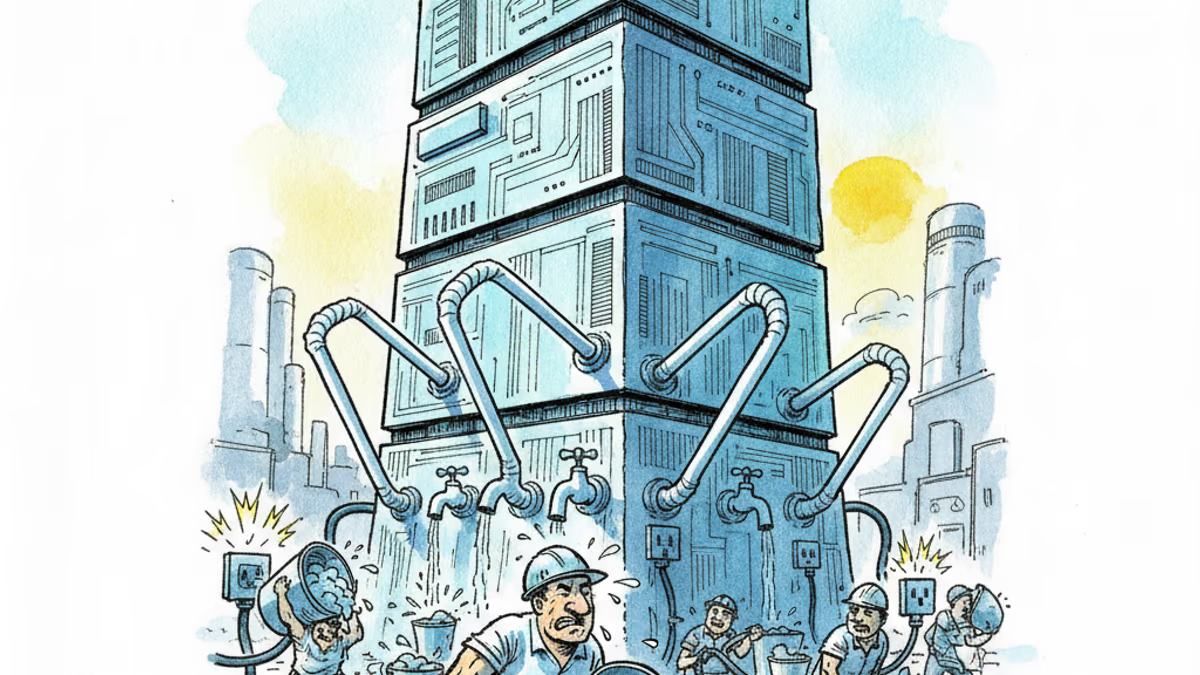
Samsung and SK unveiled a chip and AI investment package worth thousands of trillions of won on June 29. The headline number swings wildly by outlet, but the real contest isn't capital — it's water and power.

Viral videos show 2026 graduates jeering executives who praise AI at commencement ceremonies. It's not just rudeness — it's a signal about who pays for technological optimism.

Filipino virtual assistants using AI to ghost-manage LinkedIn profiles for executives is now a structured industry. 30 comments a day, fake engagement rings, and a platform struggling to tell real from fabricated.
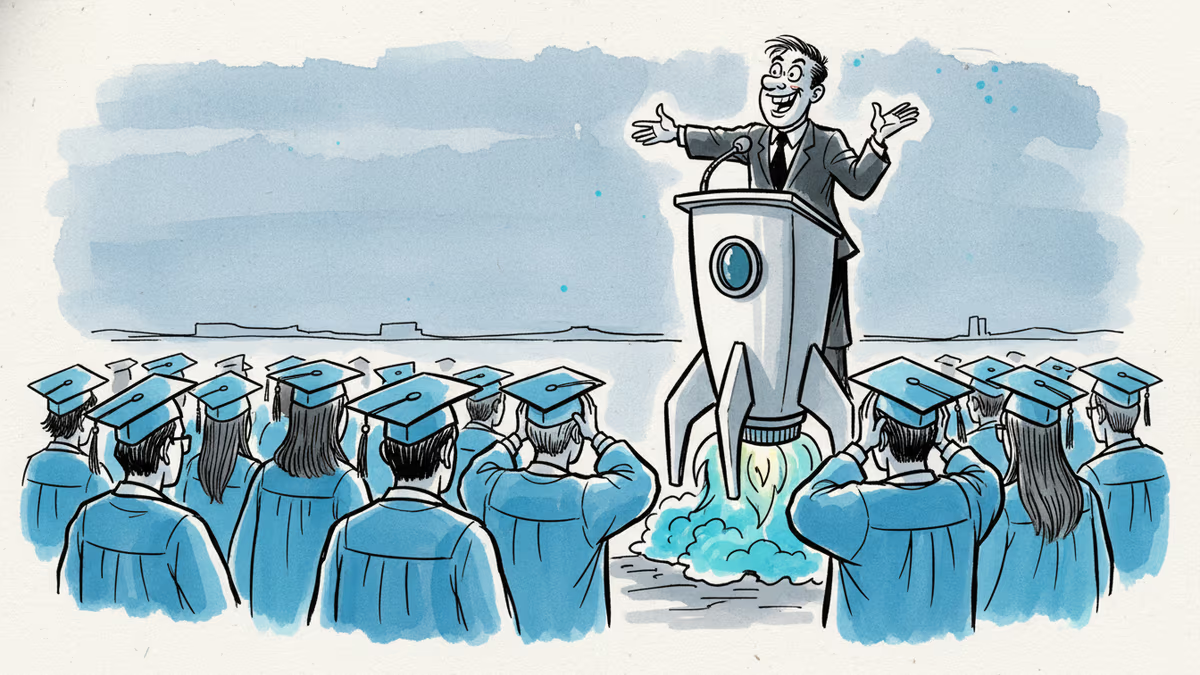
Two commencement speakers learned the hard way that AI enthusiasm doesn't land well with today's graduates. The backlash reveals a widening gap between tech optimism and Gen Z's economic reality.
Samsung and SK unveiled a chip and AI investment package worth thousands of trillions of won on June 29. The headline number swings wildly by outlet, but the real contest isn't capital — it's water and power.
Viral videos show 2026 graduates jeering executives who praise AI at commencement ceremonies. It's not just rudeness — it's a signal about who pays for technological optimism.
Filipino virtual assistants using AI to ghost-manage LinkedIn profiles for executives is now a structured industry. 30 comments a day, fake engagement rings, and a platform struggling to tell real from fabricated.
Two commencement speakers learned the hard way that AI enthusiasm doesn't land well with today's graduates. The backlash reveals a widening gap between tech optimism and Gen Z's economic reality.
Thoughts
Share your thoughts on this article
Sign in to join the conversation