
China EV Retractable Door Handle Ban 2027: Tesla's Aesthetic Faces a Safety Reality Check
China's MIIT is banning electronic-only retractable door handles starting 2027. Tesla and other EV makers must add mechanical releases for safety. Discover the impact on the industry.
Sleek door handles are saving battery life but costing human lives, and China is finally pulling the plug. Tesla's signature flush-mounted door handles, once a symbol of futuristic design, are about to become illegal in the world's largest auto market unless they get a mechanical makeover.
China EV Retractable Door Handle Ban 2027: Mechanical Mandate
Under new draft rules released by China's Ministry of Industry and Information Technology (MIIT), all vehicles weighing under 3.5 tons must feature interior and exterior handles with a mechanical emergency release. Effective January 1, 2027, this move essentially bans purely electronic retractable door handles on all new cars released in the country.

Tesla in the Crosshairs
While companies like BYD also use these handles, Tesla is the most exposed. Every model in Elon Musk's lineup features flush handles. If Tesla wants to stay in the Chinese market, it has roughly one year to redesign its entire production line. It's not just a Chinese problem either; U.S. regulators are currently investigating safety concerns after reports of first responders having to smash windows to rescue children trapped inside powered-down vehicles.
Authors
Related Articles
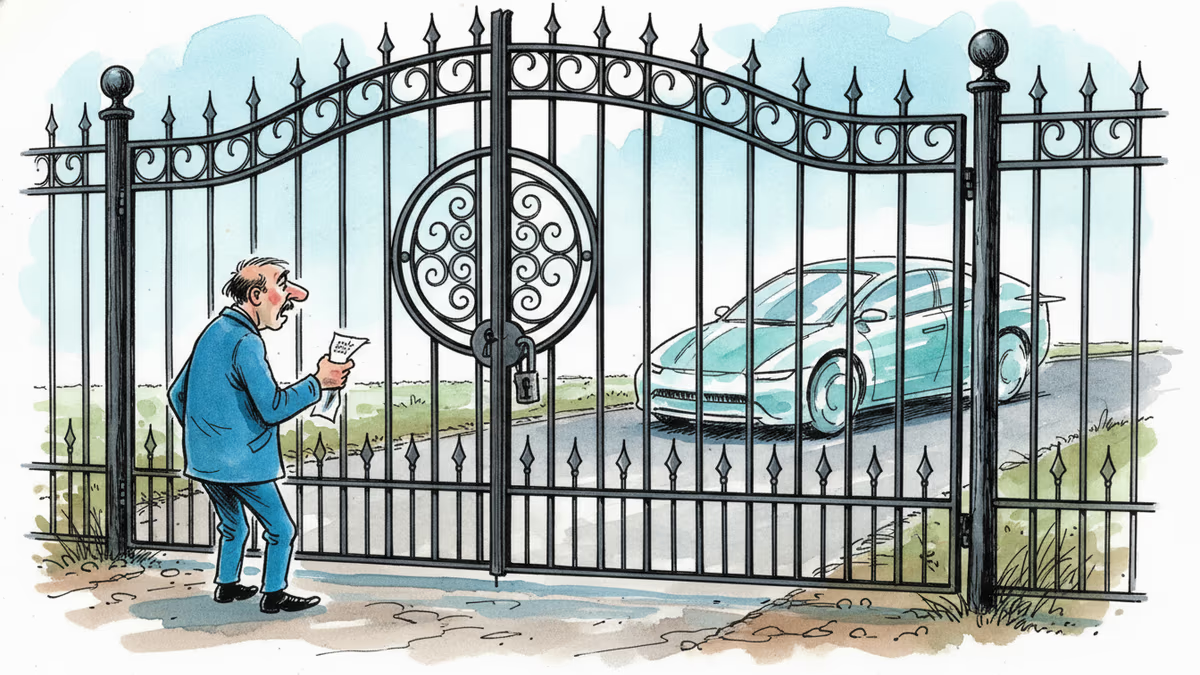
Elon Musk confirmed on Tesla's Q1 2026 earnings call that Hardware 3 vehicles will never receive unsupervised Full Self-Driving — locking out millions who paid for the feature.
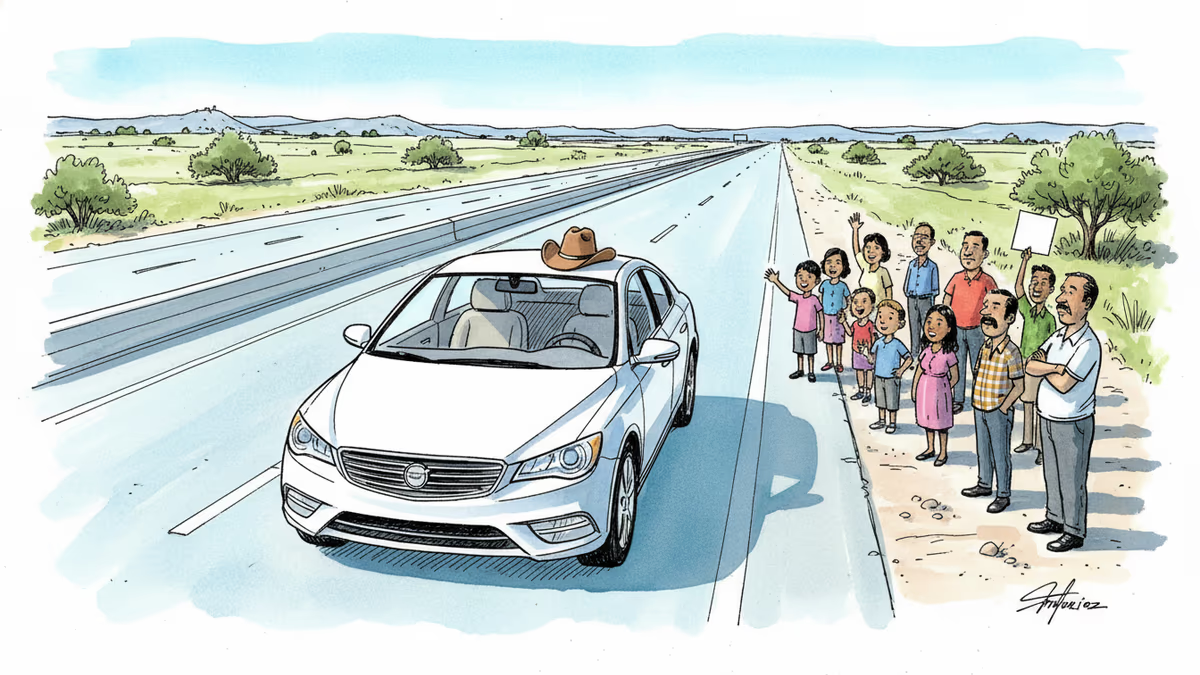
Tesla expanded its driverless robotaxi to Dallas and Houston, even after reporting 14 crashes in Austin. What does this tell us about how autonomous vehicles actually get built?
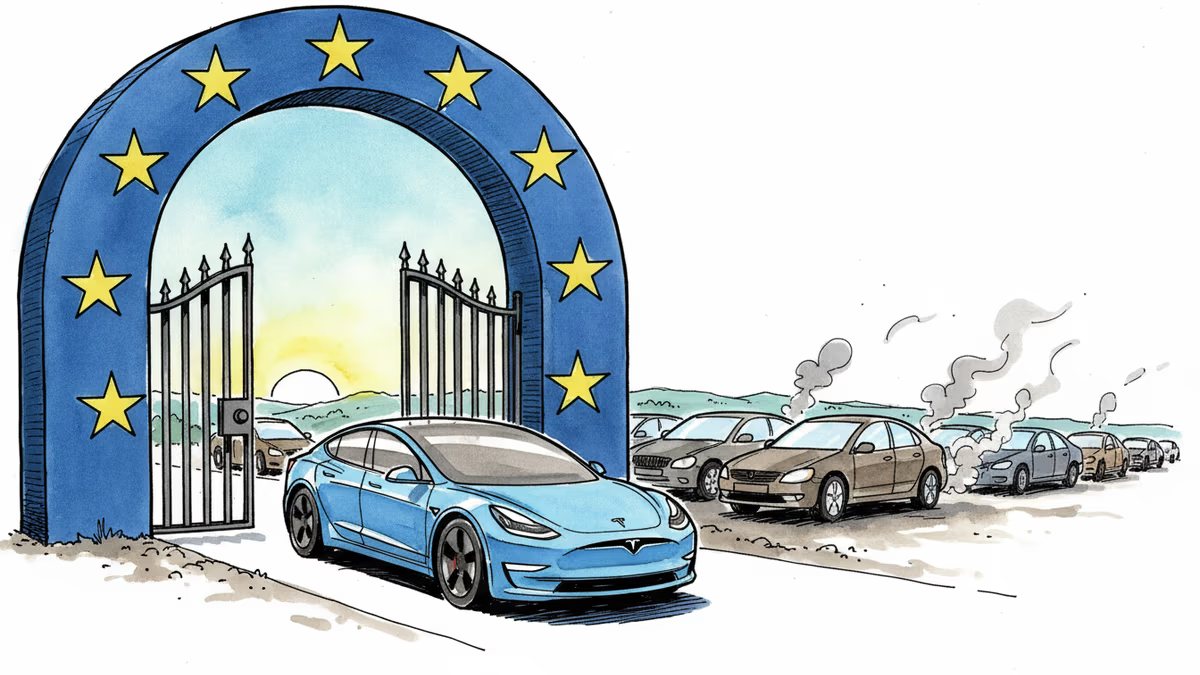
The Netherlands became the first European country to officially approve Tesla's FSD Supervised. With EU's type-approval framework, this could ripple across 27 member states fast.
Tesla's Austin gigafactory shed 4,685 workers in 2025—a 22% drop—even as its global headcount grew. What does this tell us about the future of EV manufacturing?
Elon Musk confirmed on Tesla's Q1 2026 earnings call that Hardware 3 vehicles will never receive unsupervised Full Self-Driving — locking out millions who paid for the feature.
Tesla expanded its driverless robotaxi to Dallas and Houston, even after reporting 14 crashes in Austin. What does this tell us about how autonomous vehicles actually get built?
The Netherlands became the first European country to officially approve Tesla's FSD Supervised. With EU's type-approval framework, this could ripple across 27 member states fast.
Tesla's Austin gigafactory shed 4,685 workers in 2025—a 22% drop—even as its global headcount grew. What does this tell us about the future of EV manufacturing?
Thoughts
Share your thoughts on this article
Sign in to join the conversation