
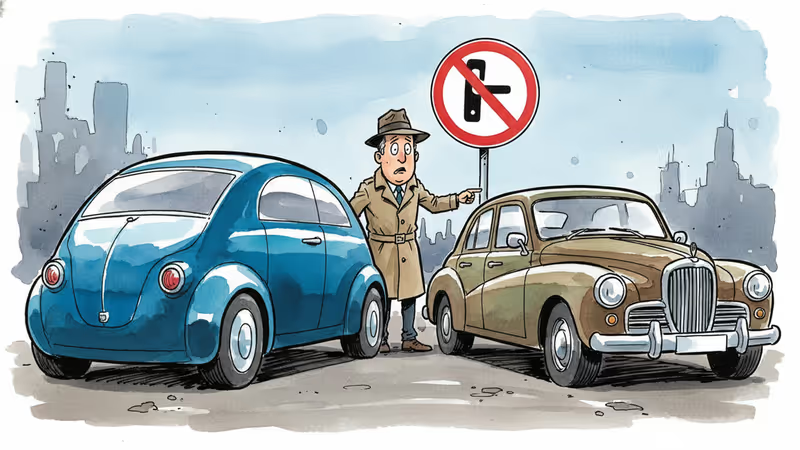
Why China Just Banned the Coolest Car Feature
China bans flush door handles starting 2025, citing safety concerns after 15 Tesla-related deaths. The design trend that defined electric vehicles faces its end.
15 deaths. That's the price we've paid for making cars look cooler.
China just announced it's banning flush door handles starting next year, marking the potential end of one of the most defining design features of the electric vehicle era. The sleek, retractable handles that made cars look like they belonged in a sci-fi movie are being shown the door—ironically, because they make it impossible to open doors when it matters most.
The Perfect Marriage of Style and Science
When Tesla introduced flush door handles on the Model S in 2012, it seemed like automotive design had found its holy grail. These handles sit flush with the car's body, invisible until needed, then elegantly extend when approached or activated.
Designers loved them because they eliminated visual clutter, creating those clean, uninterrupted lines that make electric vehicles look so futuristic. Aerodynamicists were equally thrilled—removing protruding handles reduced drag, improving efficiency in an era where every percentage point of energy savings translated to precious extra miles of range.
As electric vehicles proliferated, so did flush handles. Mercedes-Benz, Audi, Jaguar, and others embraced the technology, making it a symbol of premium electric mobility. The message was clear: this is what the future of automotive design looks like.
When Elegance Becomes a Death Trap
But there's a dark side to this sleek innovation. Tesla's flush handles rely on the car's 12V electrical system to function. In a crash that cuts power, first responders can't open the doors from the outside. Period.
This isn't theoretical—it's killed people. At least 15 deaths have been attributed to this design flaw, where rescue workers reached crash victims but couldn't extract them because the doors wouldn't open. The National Highway Traffic Safety Administration opened an investigation last year, but China decided to act more decisively.

According to Bloomberg, China has been studying retractable door handle safety since mid-2024. Their conclusion? They're not safe enough. The ban takes effect next year.
The Ripple Effect Across the Industry
China's decision sends shockwaves through the global automotive industry, especially for companies that have made flush handles a cornerstone of their electric vehicle design language.
Tesla faces the biggest challenge, as these handles are integral to its brand identity. The company will need to either redesign its vehicles for the Chinese market—the world's largest EV market—or develop alternative solutions that maintain the aesthetic appeal while ensuring safety.
European luxury brands that have adopted similar systems face similar dilemmas. Do they create China-specific variants, potentially fracturing their global design consistency? Or do they abandon flush handles globally to maintain manufacturing efficiency?
The Broader Question of Innovation vs. Safety
This situation echoes automotive history's recurring theme: cool features that become safety liabilities. Remember pop-up headlights? They were the epitome of 1970s and 80s automotive cool, creating smooth aerodynamic profiles when retracted. But they were banned in many markets due to pedestrian safety concerns and reliability issues.
The flush handle controversy raises uncomfortable questions about how we balance innovation with safety. Should cutting-edge design be constrained by worst-case scenarios? Or should safety always trump aesthetics, even when the risk is relatively rare?
What Comes Next for Car Design
The ban forces designers to get creative again. How do you make a car look premium and futuristic without relying on disappearing door handles? Some manufacturers are exploring alternative approaches: handles that retract but have mechanical backup systems, or new materials and finishes that create visual interest without compromising function.
This could actually spur more innovation. When one design path gets blocked, creative minds often find even better solutions. The question is whether the industry will view this as a setback or an opportunity to push boundaries in new directions.
Authors
Related Articles
Despite EV success, electric sports cars struggle with consumer rejection, technical hurdles, and emotional disconnect from traditional performance enthusiasts
Rivian targets 20,000 R2 SUV sales in six months, matching Tesla Model Y's pace. But can it succeed without federal tax credits in a challenging EV market?
Exploring the used EV market at $15,000 budget point. BMW i3 and Chevrolet Bolt options compared with lower mileage, newer features, and better value propositions.
German study reveals shocking truth about plug-in hybrids - most owners rarely charge them. Porsche drivers averaged just 0.8% electric usage over two years.
Despite EV success, electric sports cars struggle with consumer rejection, technical hurdles, and emotional disconnect from traditional performance enthusiasts
Rivian targets 20,000 R2 SUV sales in six months, matching Tesla Model Y's pace. But can it succeed without federal tax credits in a challenging EV market?
Exploring the used EV market at $15,000 budget point. BMW i3 and Chevrolet Bolt options compared with lower mileage, newer features, and better value propositions.
German study reveals shocking truth about plug-in hybrids - most owners rarely charge them. Porsche drivers averaged just 0.8% electric usage over two years.
Thoughts
Share your thoughts on this article
Sign in to join the conversation