

China AI Emotional Companion Regulation 2025: Safeguarding the Digital Soul
China is drafting the world's first 'China AI emotional companion regulation 2025' to control chatbot dependency and protect minors' mental health.
AI shouldn't break your heart—or your mind. China is drafting aggressive new rules to become the first nation to regulate the emotional repercussions of chatbot companions. According to a draft proposal from the Cyberspace Administration of China (CAC), the focus is shifting from simple content moderation to the 'emotional safety' of users interacting with anthropomorphic AI.
China AI Emotional Companion Regulation 2025: Key Provisions
The policy, translated by CNBC, would require sweeping age verification and explicit guardian consent for minors engaging with AI companions. Under the new rules, chatbots are strictly forbidden from generating gambling-related, obscene, or violent content. Most notably, they're banned from discussing suicide or self-harm, ensuring AI doesn't exacerbate mental health crises.
Tech providers must also institute escalation protocols. These protocols will connect users in distress to human moderators and flag risky conversations to legal guardians. Regulators aim to monitor chats for signs of emotional dependency and addiction, addressing the risks of tools designed to simulate human personality.

Global Divide: China's Rules vs. US Innovation
China's approach mirrors aspects of California's SB 243, signed by Gov. Gavin Newsom in October 2024. That law mandates AI disclosure and emergency protocols. However, experts argue the California bill leaves loopholes that tech companies might exploit to dodge oversight.
Meanwhile, the Trump administration has reportedly stalled state-level AI regulations. The administration prefers a national framework on AI safety, fearing that heavy-handed oversight will leave the U.S. behind in the global AI race against China. Federal leaders argue that excessive regulation could stall domestic innovation at a critical junction.
Authors
Related Articles
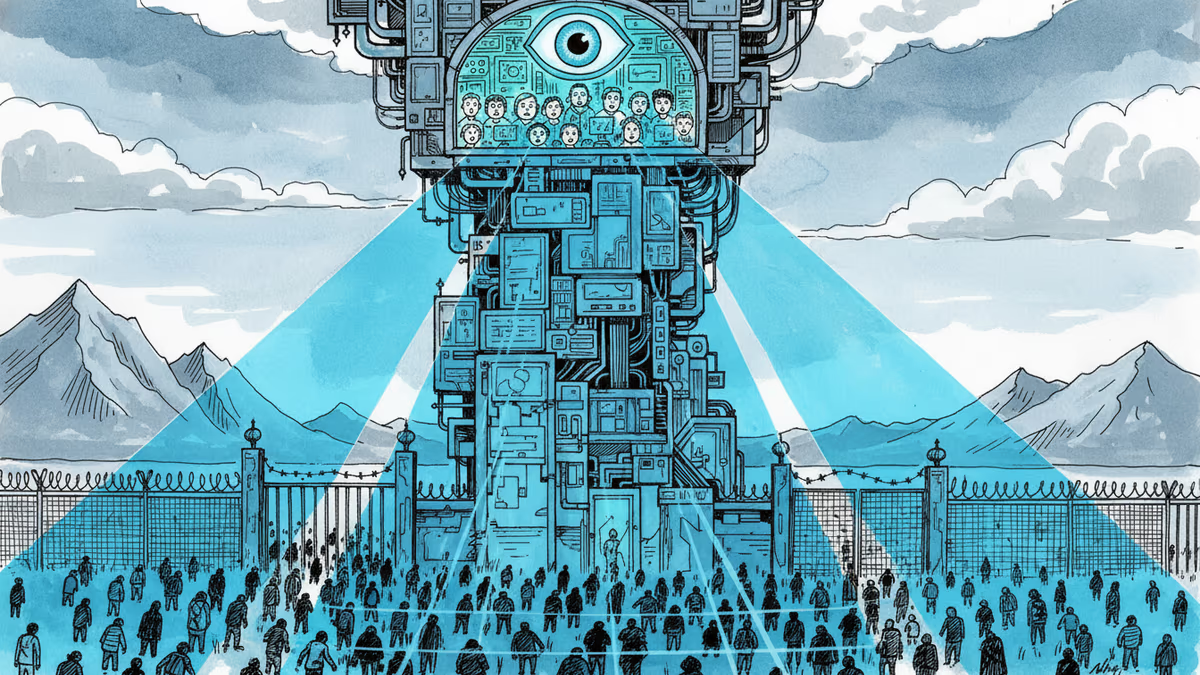
Palantir has become the tech backbone of Trump's immigration enforcement. Former employees are calling it a 'descent into fascism.' What happens when the people who build surveillance tools start asking uncomfortable questions?
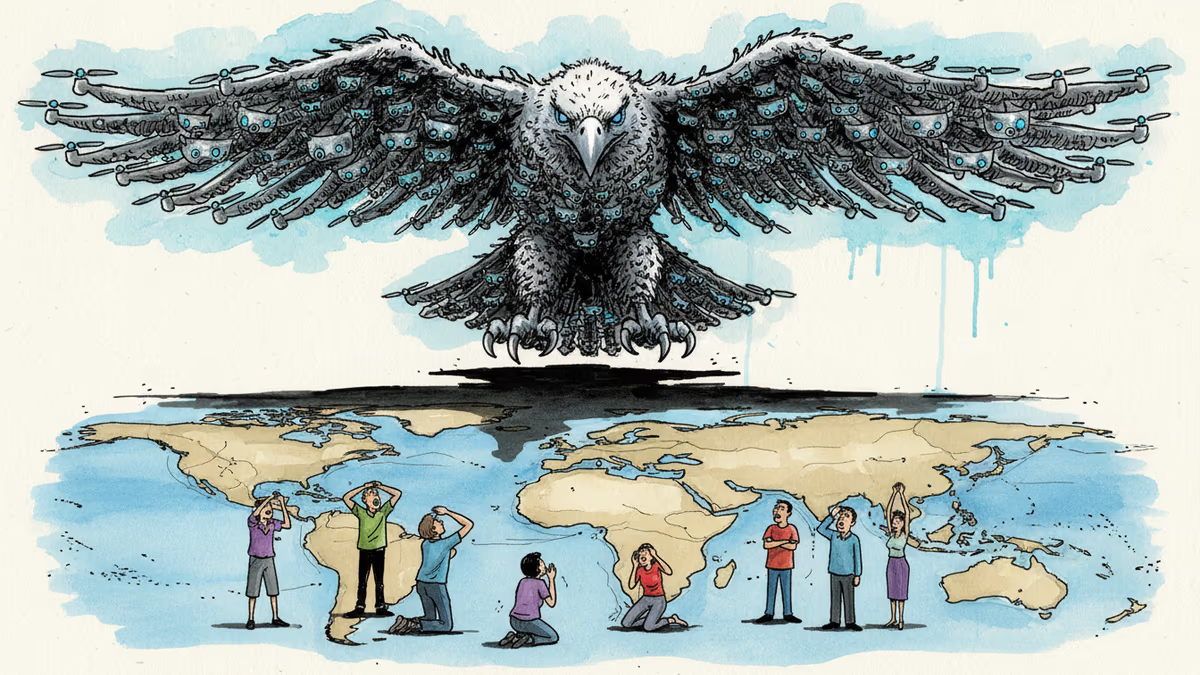
The US defense budget request for FY2027 includes $53.6 billion for drone and autonomous warfare—more than most nations spend on their entire military. What does this mean for global security and the future of war?
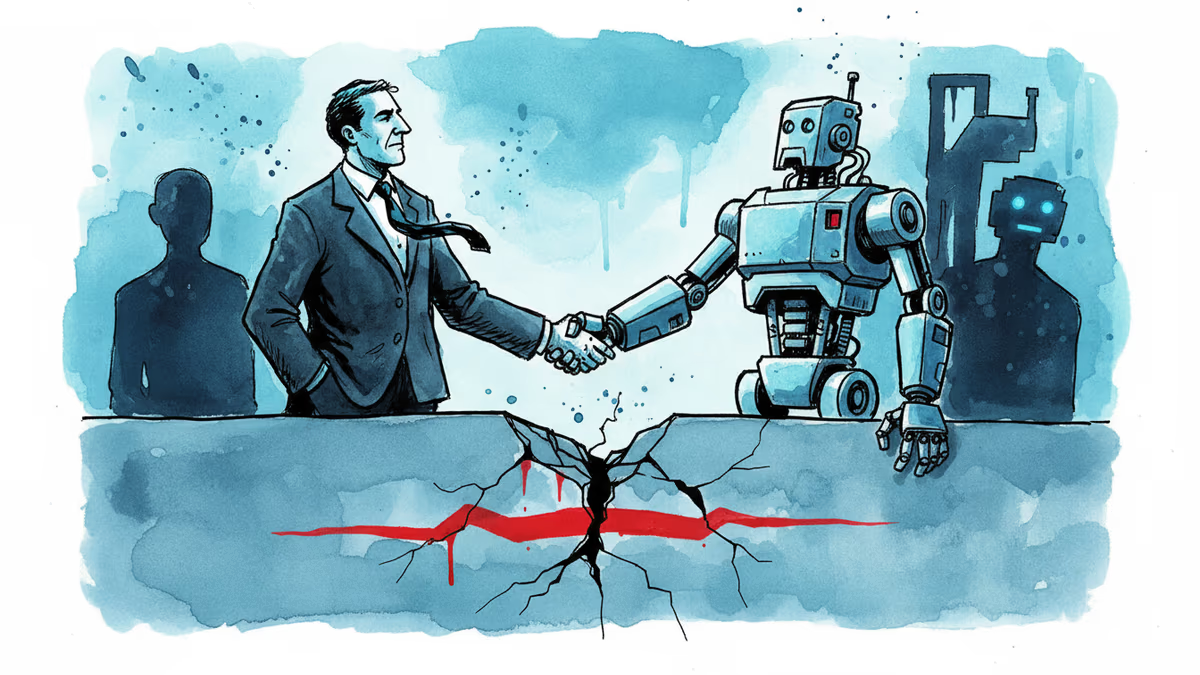
After two months of bitter conflict, Anthropic and the Trump administration may be thawing—thanks to a new cybersecurity AI model. What does it mean when principle meets political pressure?
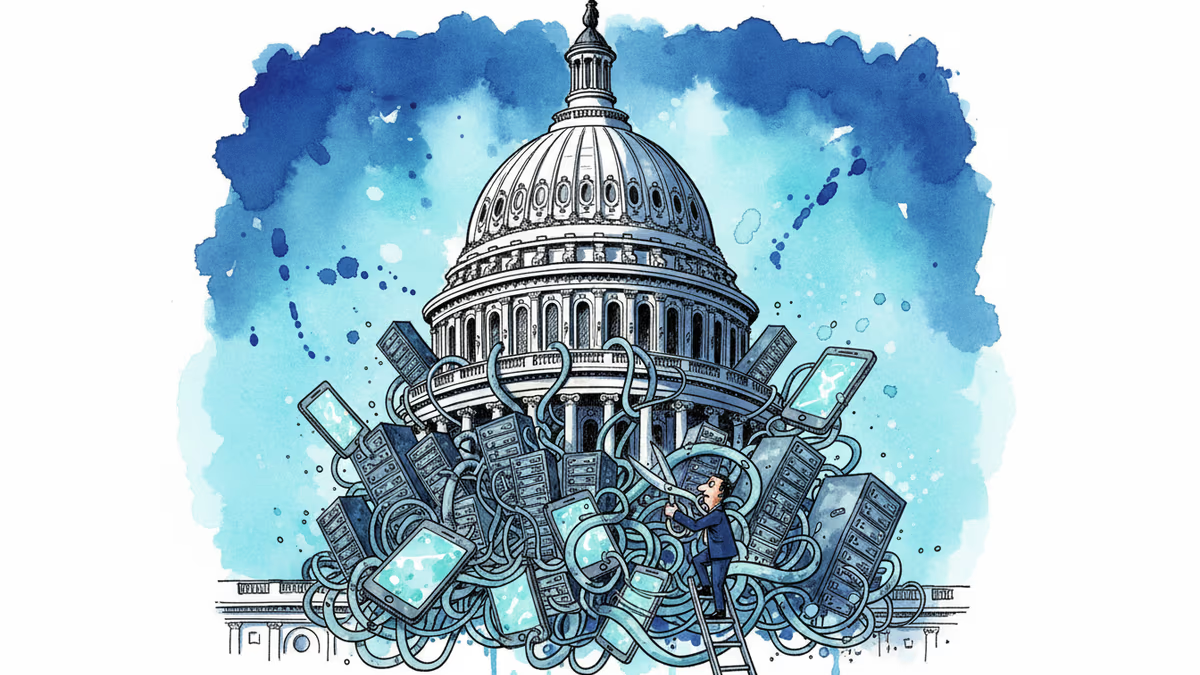
As Washington D.C. enters another political spring, the battle over Big Tech regulation is heating up — and the stakes extend far beyond Silicon Valley.
Palantir has become the tech backbone of Trump's immigration enforcement. Former employees are calling it a 'descent into fascism.' What happens when the people who build surveillance tools start asking uncomfortable questions?
The US defense budget request for FY2027 includes $53.6 billion for drone and autonomous warfare—more than most nations spend on their entire military. What does this mean for global security and the future of war?
After two months of bitter conflict, Anthropic and the Trump administration may be thawing—thanks to a new cybersecurity AI model. What does it mean when principle meets political pressure?
As Washington D.C. enters another political spring, the battle over Big Tech regulation is heating up — and the stakes extend far beyond Silicon Valley.
Thoughts
Share your thoughts on this article
Sign in to join the conversation