

OpenAI ChatGPT Ads 2026: Why the $500B Giant Is Turning on the Ad Machine
OpenAI is introducing ads to ChatGPT's Free and Go tiers in January 2026. Discover how the $500B company plans to monetize while protecting user privacy.
The $500 billion question finally has an answer. OpenAI is officially bringing ads to ChatGPT, ending the era of a purely ad-free experience for its entry-level users. According to TechCrunch, the AI giant announced it will begin testing limited ads in the U.S. starting this week.
How the OpenAI ChatGPT Ads 2026 Rollout Works
The change targets the Free tier and the newly globally launched Go tier, which costs $8 a month. Meanwhile, high-end tiers like Pro, Plus, Business, and Enterprise will remain ad-free for the time being.
Ads will appear at the bottom of conversations and will be targeted based on the topic of discussion. OpenAI has implemented several safeguards: users can dismiss ads, personalization can be toggled off, and users under 18 years old will not be served any advertisements. Crucially, the company promised not to sell user data to advertisers, maintaining a focus on privacy.

Maintaining Answer Independence
One of the most significant commitments made by OpenAI is "answer independence." This means that despite the incorporation of advertising, the ads will not influence the chatbot's responses. This is a strategic move to preserve trust in ChatGPT's utility as a neutral tool, even as it seeks to monetize its massive user base.
This strategy serves a dual purpose: generating direct ad revenue and nudging frequent users toward more expensive subscription tiers to escape the ads. OpenAI frames this pursuit as a way to fund its mission of ensuring AGI benefits all of humanity.
Authors
Related Articles
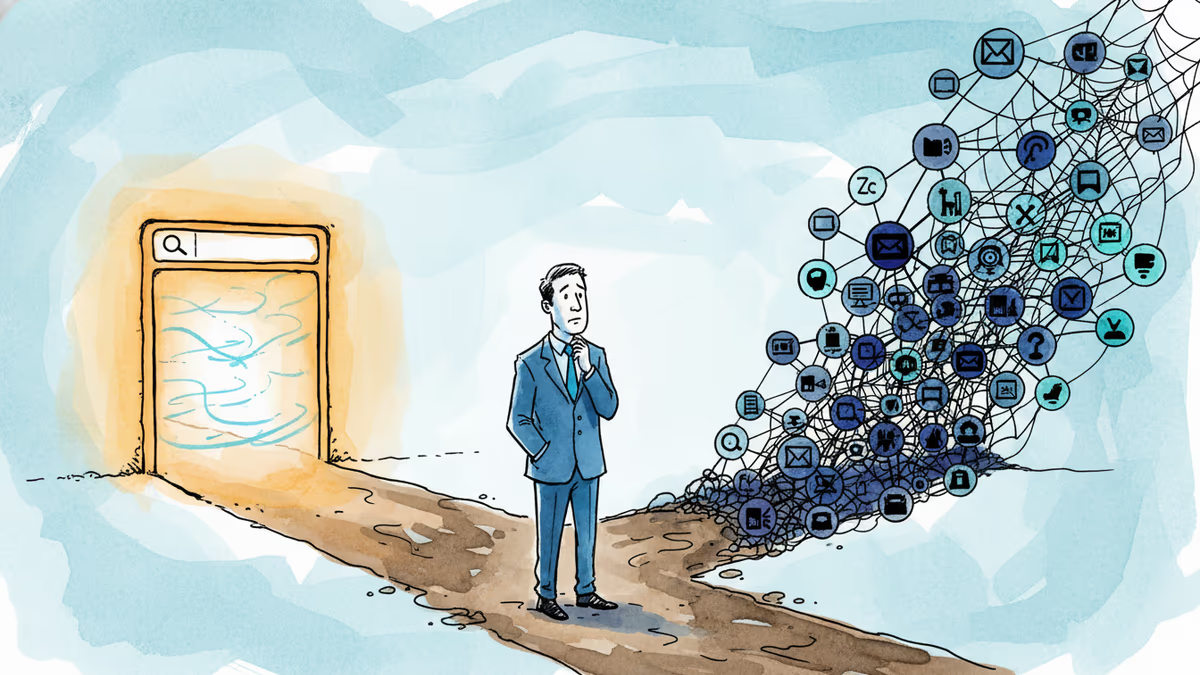
In a post-Google I/O interview, Sundar Pichai acknowledged flawed search results, real AI anxiety, and an AGI timeline that makes the label irrelevant. Here's what he said — and what it means.

OpenAI has reorganized for the second time in a month, merging ChatGPT and Codex into a single agentic platform under president Greg Brockman's unified product leadership.
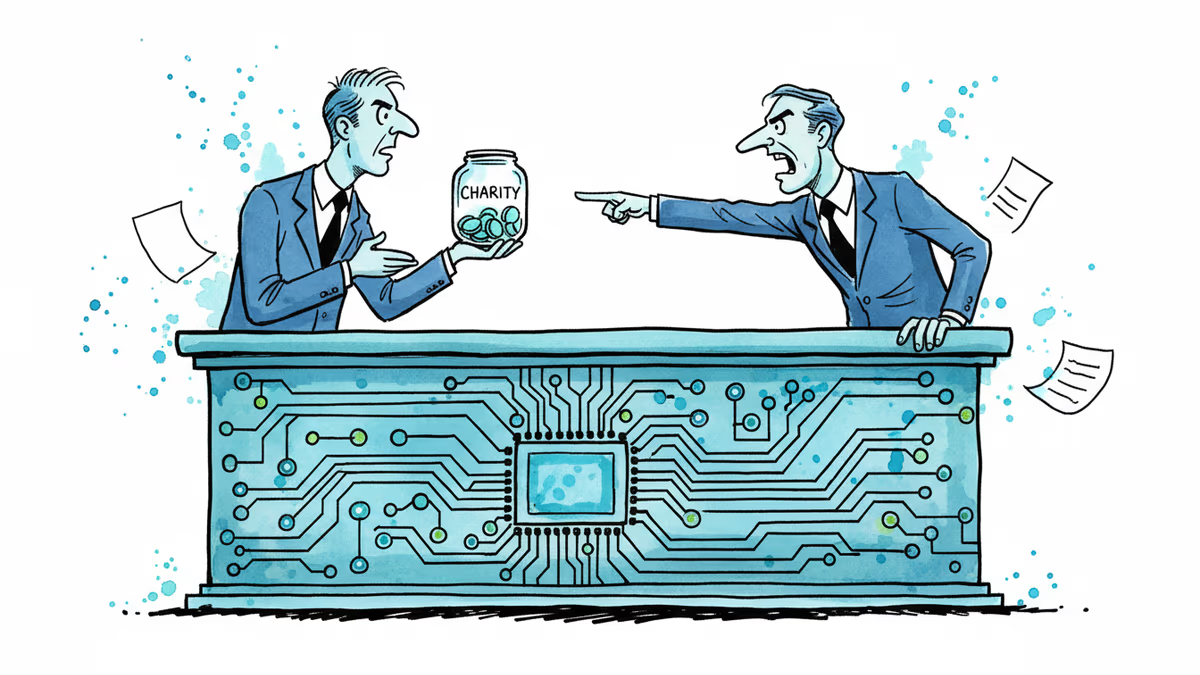
After two weeks of witnesses calling him a liar, OpenAI CEO Sam Altman testified in his own defense, claiming Elon Musk tried to kill the company twice.
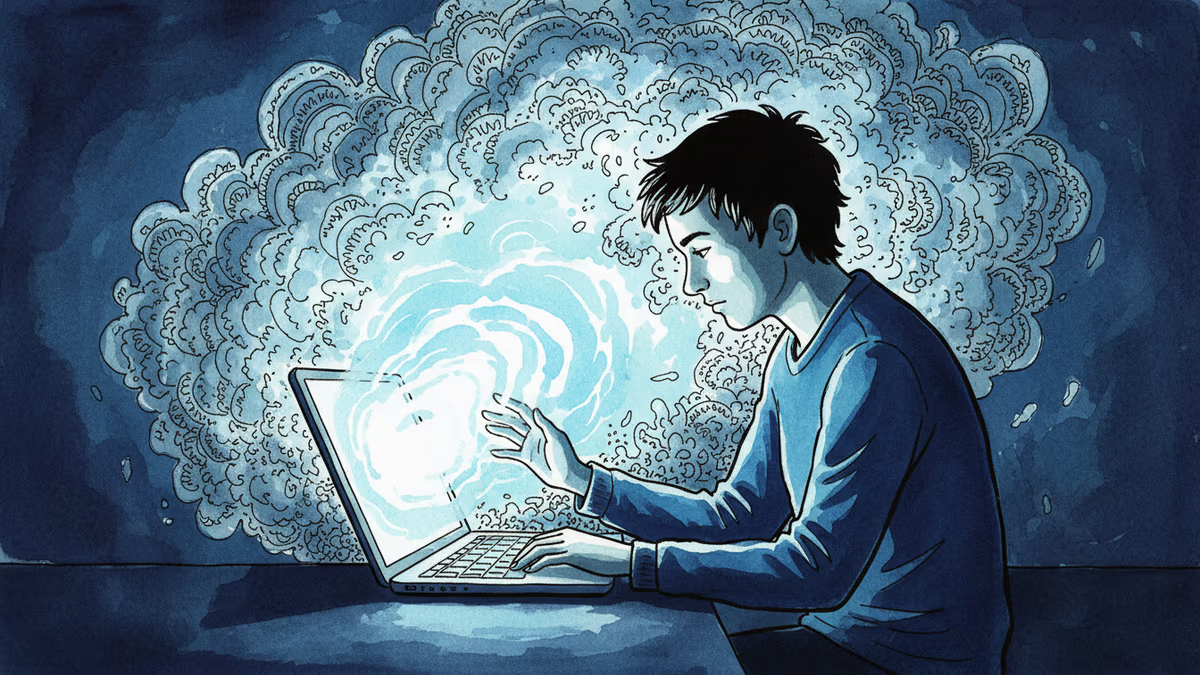
Sam Nelson, 19, died after following ChatGPT's advice to mix Kratom and Xanax. His parents are suing OpenAI for wrongful death, raising urgent questions about AI trust, liability, and design.
In a post-Google I/O interview, Sundar Pichai acknowledged flawed search results, real AI anxiety, and an AGI timeline that makes the label irrelevant. Here's what he said — and what it means.
OpenAI has reorganized for the second time in a month, merging ChatGPT and Codex into a single agentic platform under president Greg Brockman's unified product leadership.
After two weeks of witnesses calling him a liar, OpenAI CEO Sam Altman testified in his own defense, claiming Elon Musk tried to kill the company twice.
Sam Nelson, 19, died after following ChatGPT's advice to mix Kratom and Xanax. His parents are suing OpenAI for wrongful death, raising urgent questions about AI trust, liability, and design.
Thoughts
Share your thoughts on this article
Sign in to join the conversation