
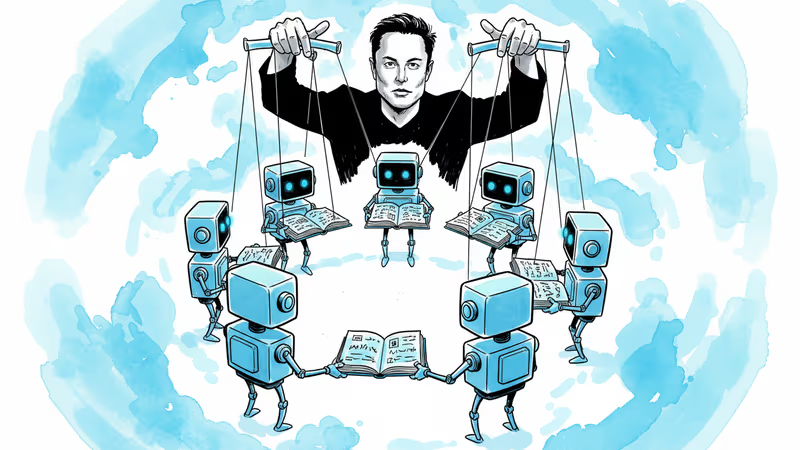
When AI Teaches AI: The Grokipedia Problem
Elon Musk's AI-generated encyclopedia Grokipedia is becoming a source for ChatGPT and Google AI, raising concerns about accuracy and misinformation as AI systems create circular reference loops.
Elon Musk's AI-generated encyclopedia Grokipedia has become a source for ChatGPT, and it's not stopping there. Citations are now appearing in Google's AI Overviews, AI Mode, and Gemini too, creating what experts call a dangerous feedback loop in AI information systems.
The Circular Reference Problem
Since launching in late October, Grokipedia remains technically minor in the grand scheme of information sources. Glen Allsopp, head of marketing strategy at SEO firm Ahrefs, told The Verge their testing found Grokipedia referenced in over 263,000 pieces of content.
But here's the concerning part: that number's rising. As AI tools increasingly cite Grokipedia, we're witnessing AI systems learning from AI-generated content—a circular reference that could amplify errors, biases, and misinformation at scale.
This isn't just a technical glitch. It's a fundamental shift in how information flows through our digital ecosystem, with one person's AI-generated "encyclopedia" potentially shaping the knowledge base of billions of users.

Musk's Reality Distortion Field Goes Digital
Grokipedia wasn't created in a vacuum. Musk positioned it as a "neutral" alternative to Wikipedia, claiming the latter suffers from bias. But when AI-generated content becomes training data for other AI systems, Musk's worldview could subtly influence the responses millions get from mainstream AI tools.
The implications are staggering. ChatGPT users asking about climate change, politics, or technology might unknowingly receive answers influenced by Grokipedia's AI-generated perspectives. Google's AI systems, which reach even more users, are now part of this information chain.
The Broader AI Ecosystem at Risk
This phenomenon extends beyond individual companies. As AI models increasingly train on internet content that includes AI-generated material, we're creating what researchers call "model collapse"—where AI systems become progressively less reliable as they learn from their own outputs.
For developers and AI companies, this raises critical questions about data sourcing and quality control. How do you ensure your AI model isn't learning from corrupted or biased information? How do you trace the provenance of knowledge in an ecosystem where AI generates content that other AI systems consume?
Authors
Related Articles
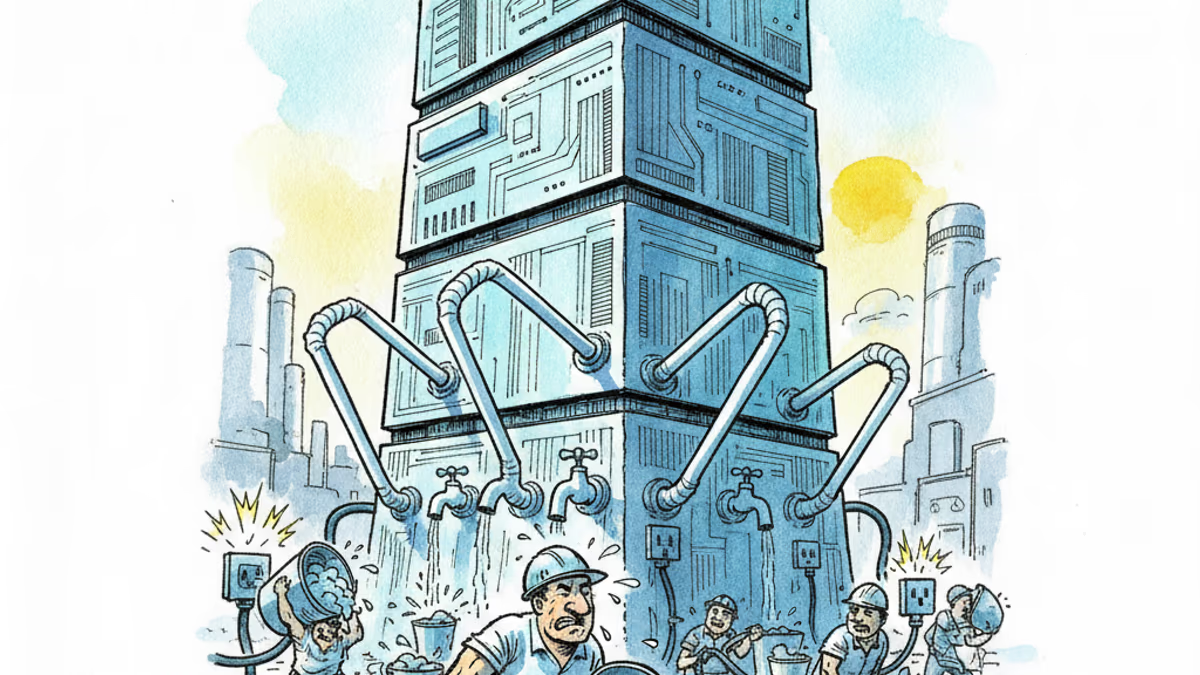
Samsung and SK unveiled a chip and AI investment package worth thousands of trillions of won on June 29. The headline number swings wildly by outlet, but the real contest isn't capital — it's water and power.
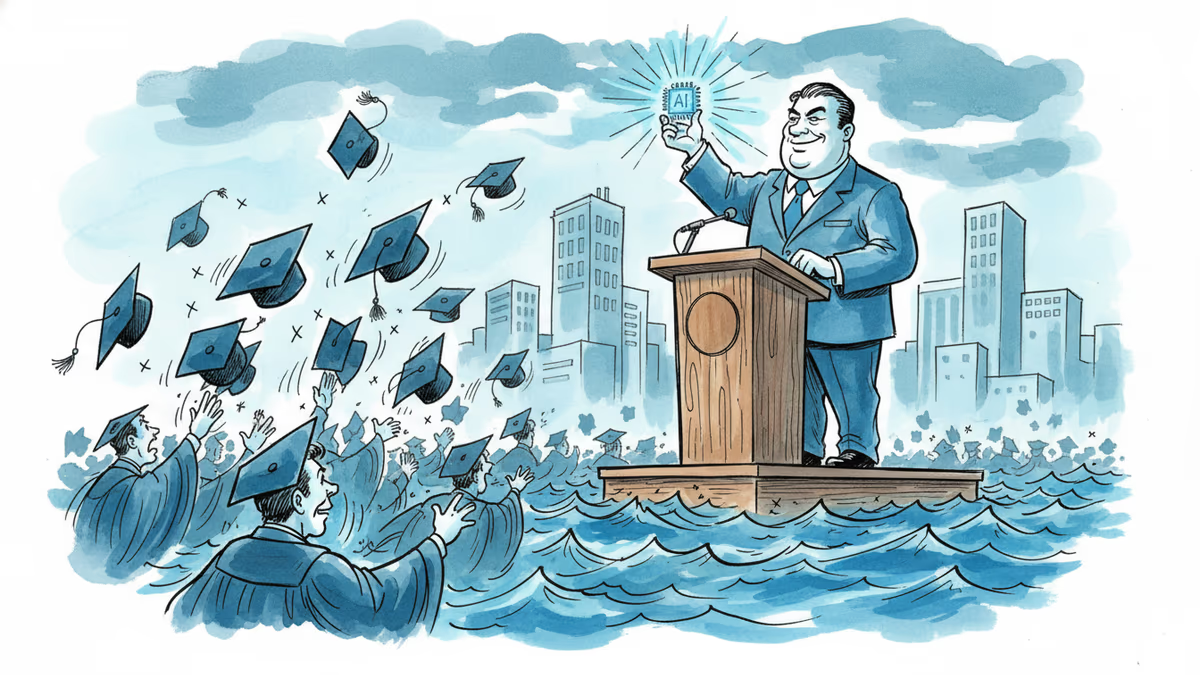
Viral videos show 2026 graduates jeering executives who praise AI at commencement ceremonies. It's not just rudeness — it's a signal about who pays for technological optimism.
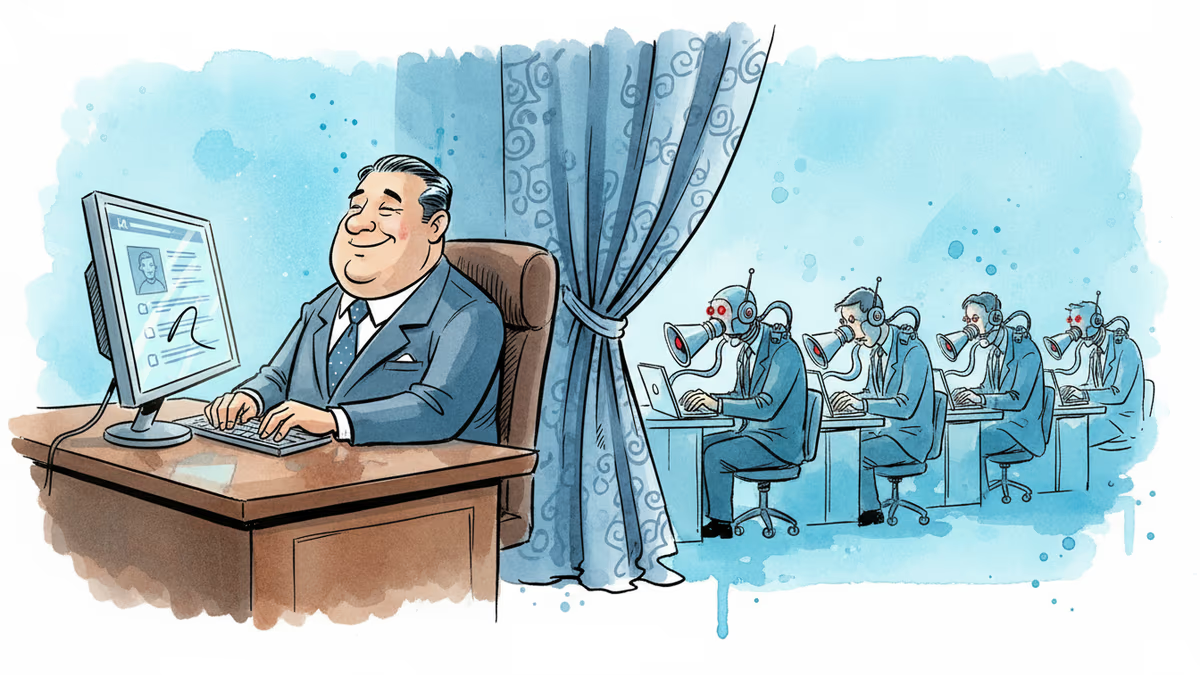
Filipino virtual assistants using AI to ghost-manage LinkedIn profiles for executives is now a structured industry. 30 comments a day, fake engagement rings, and a platform struggling to tell real from fabricated.
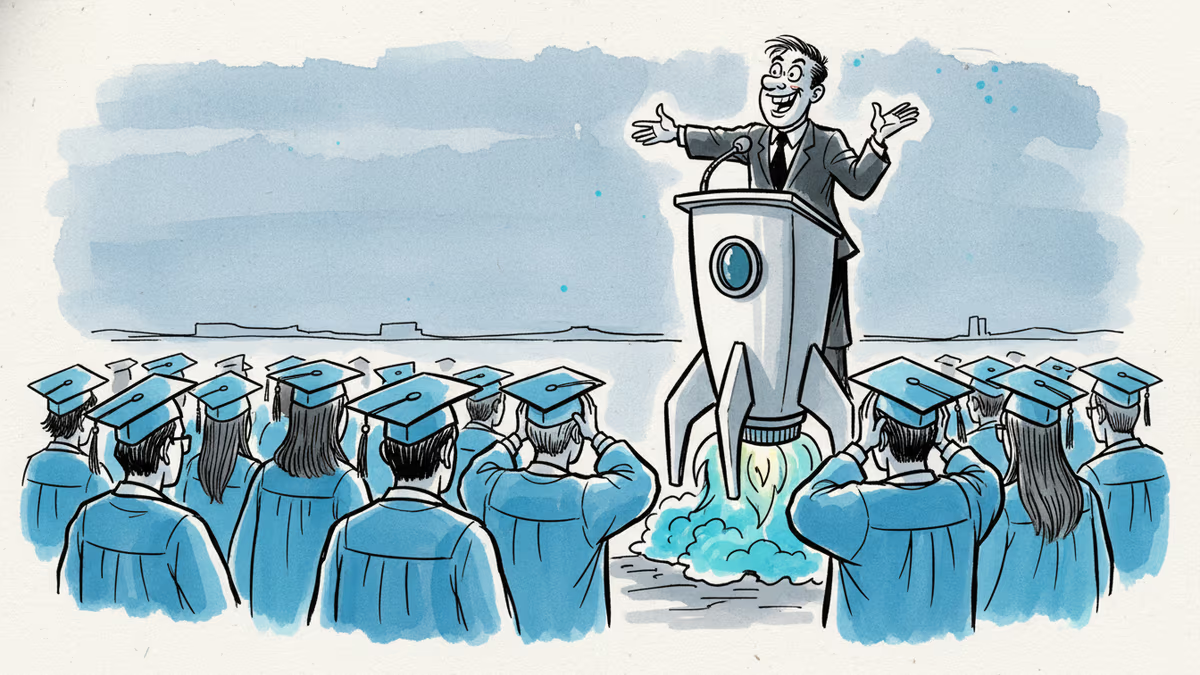
Two commencement speakers learned the hard way that AI enthusiasm doesn't land well with today's graduates. The backlash reveals a widening gap between tech optimism and Gen Z's economic reality.
Samsung and SK unveiled a chip and AI investment package worth thousands of trillions of won on June 29. The headline number swings wildly by outlet, but the real contest isn't capital — it's water and power.
Viral videos show 2026 graduates jeering executives who praise AI at commencement ceremonies. It's not just rudeness — it's a signal about who pays for technological optimism.
Filipino virtual assistants using AI to ghost-manage LinkedIn profiles for executives is now a structured industry. 30 comments a day, fake engagement rings, and a platform struggling to tell real from fabricated.
Two commencement speakers learned the hard way that AI enthusiasm doesn't land well with today's graduates. The backlash reveals a widening gap between tech optimism and Gen Z's economic reality.
Thoughts
Share your thoughts on this article
Sign in to join the conversation