

CES 2026 Smart TV AI Features: Why Better Screens Aren't Enough Anymore
Explore the latest CES 2026 Smart TV AI features. From cloud gaming to smart home hubs, see how TV makers are reinventing the big screen to stay relevant.
Is your living room's centerpiece becoming obsolete, or is it just having an identity crisis? At CES 2026, the world's leading TV manufacturers are once again throwing everything at the wall to see what sticks. While displays are getting bigger and brighter, the real battle is happening under the hood as brands fight to reclaim attention from mobile screens.
Beyond Pixels: CES 2026 Smart TV AI Features and Integration
According to reports from The Verge, the annual ritual of showcasing high-end panels has evolved into a software arms race. TV makers are desperate to compete with the TikTok generation. To do this, they've integrated features that were once reserved for smartphones or dedicated hardware: AI-powered workouts, video conferencing cameras, and sophisticated smart home hubs.

The latest models aren't just for watching Netflix. They've become cloud-powered game consoles and digital art displays. This pivot reflects a broader trend in consumer electronics where the hardware serves as a gateway to a subscription-based ecosystem rather than a one-off purchase.
The Hub of the Future or a Dying Giant?
Industry analysts are closely watching whether these multifaceted devices can truly replace specialized gadgets. While some argue that the TV is the natural command center for an AI-driven home, others remain skeptical about whether users want their TV to do everything.
Authors
Related Articles
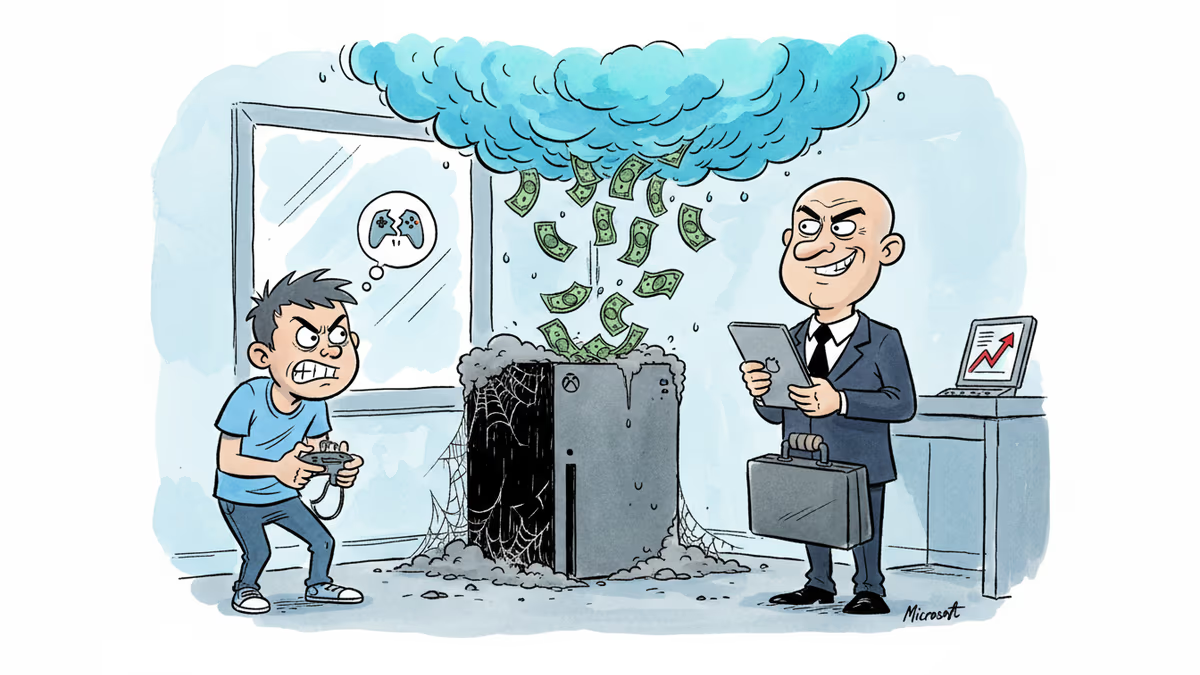
Xbox hardware revenue dropped 33% in Q1 2026, yet Microsoft posted $82.9B in total revenue. What this tells us about the future of gaming—and who actually loses.
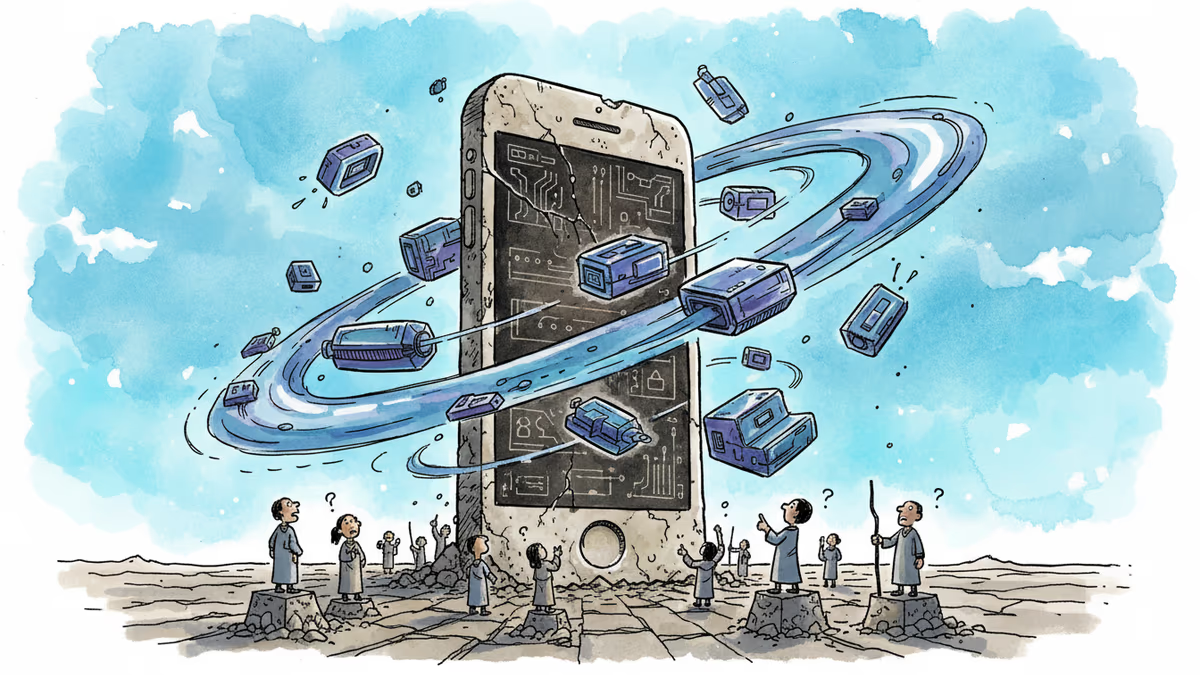
At Apple's 50th anniversary, top executives insisted the iPhone will anchor the AI era—and beyond. But is that confidence visionary or a warning sign?

Nine months after a record-breaking launch, Nintendo is cutting Switch 2 production from 6 million to 4 million units per quarter. What went wrong, and what does it signal for the console market?
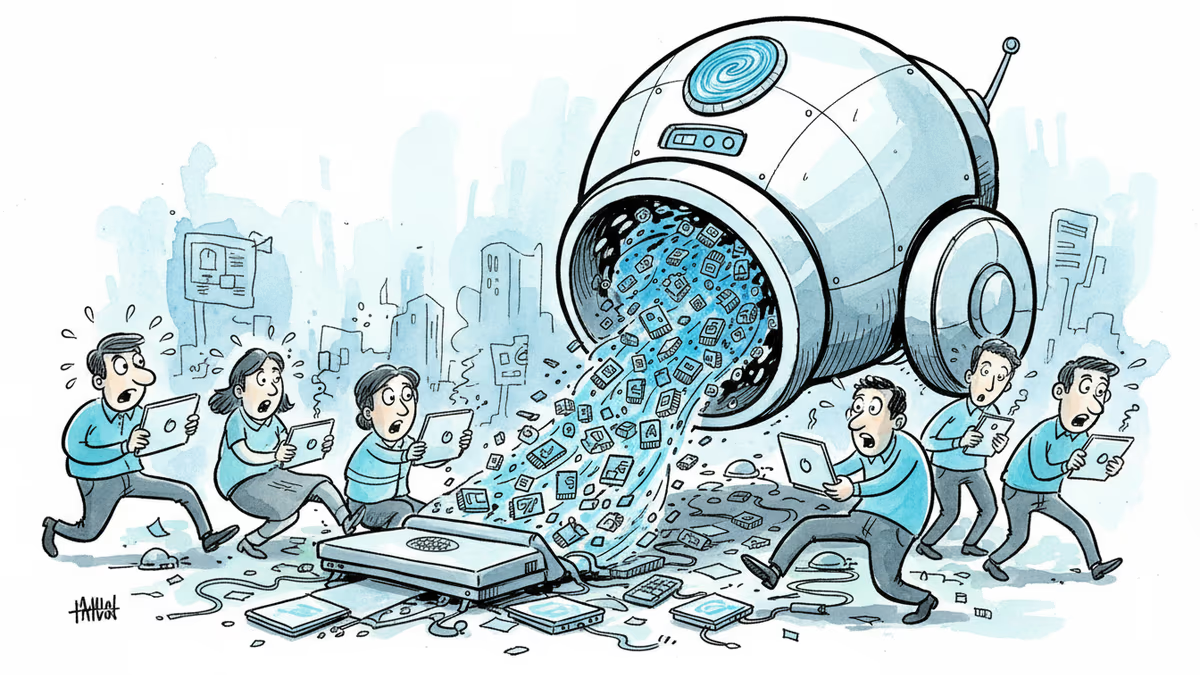
Memory prices have surged up to 6x due to AI demand, causing shortages and price hikes across smartphones, gaming consoles, and laptops. How AI's appetite affects everyday consumers.
Xbox hardware revenue dropped 33% in Q1 2026, yet Microsoft posted $82.9B in total revenue. What this tells us about the future of gaming—and who actually loses.
At Apple's 50th anniversary, top executives insisted the iPhone will anchor the AI era—and beyond. But is that confidence visionary or a warning sign?
Nine months after a record-breaking launch, Nintendo is cutting Switch 2 production from 6 million to 4 million units per quarter. What went wrong, and what does it signal for the console market?
Memory prices have surged up to 6x due to AI demand, causing shortages and price hikes across smartphones, gaming consoles, and laptops. How AI's appetite affects everyday consumers.
Thoughts
Share your thoughts on this article
Sign in to join the conversation