

Blue Origin's New Glenn Set for February 2026 Launch with AST SpaceMobile
Blue Origin's New Glenn rocket is scheduled to launch AST SpaceMobile's Block 2 BlueBird satellite in late February 2026, featuring the reuse of the NG-2 booster.
SpaceX isn't the only player in the reusable heavy-lift game anymore. Blue Origin just confirmed that its New Glenn rocket's next big move is just around the corner, signaling a major shift in the commercial space race.
New Glenn NG-3 Mission: Powering Global Connectivity
The aerospace giant announced Thursday that it'll launch a massive communications satellite for AST SpaceMobile "no earlier than late February." The mission, dubbed NG-3, will take off from Launch Complex 36 at Cape Canaveral. It carries the next-generation Block 2 BlueBird satellite, designed to provide cellular broadband directly to standard smartphones from space.

Reusability Reality: The Return of 'Never Tell Me The Odds'
But the real story is what's powering the flight. Blue Origin is refurbishing the 'Never Tell Me The Odds' booster—the same one that successfully touched down during the NG-2 mission. Reusing a heavy-lift orbital booster is a feat only SpaceX has mastered until now, marking a pivotal moment for Jeff Bezos's space venture as it moves toward a sustainable operational cadence.
Authors
Related Articles

NASA's Artemis III has been redesigned as an Earth-orbit mission. SpaceX and Blue Origin say their landers won't be ready until late 2027. What does this mean for the future of lunar exploration?
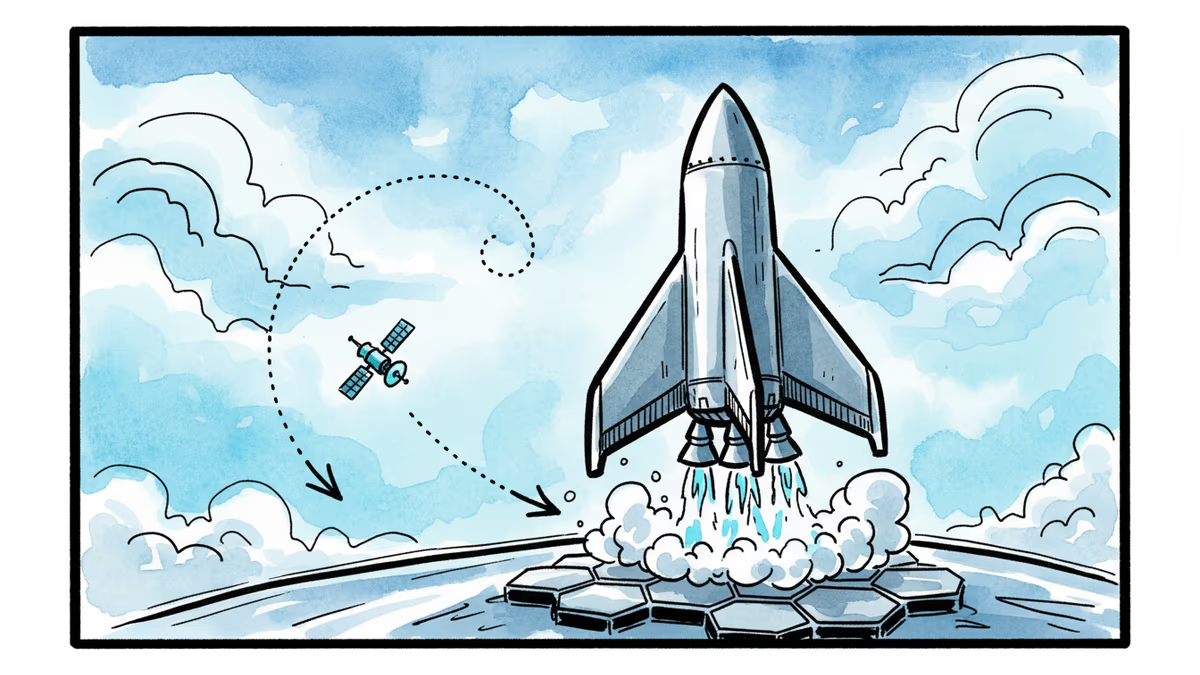
Blue Origin's New Glenn nailed its second booster landing, but AST SpaceMobile's BlueBird 7 satellite ended up in the wrong orbit—effectively useless. What this split outcome reveals about the space race.
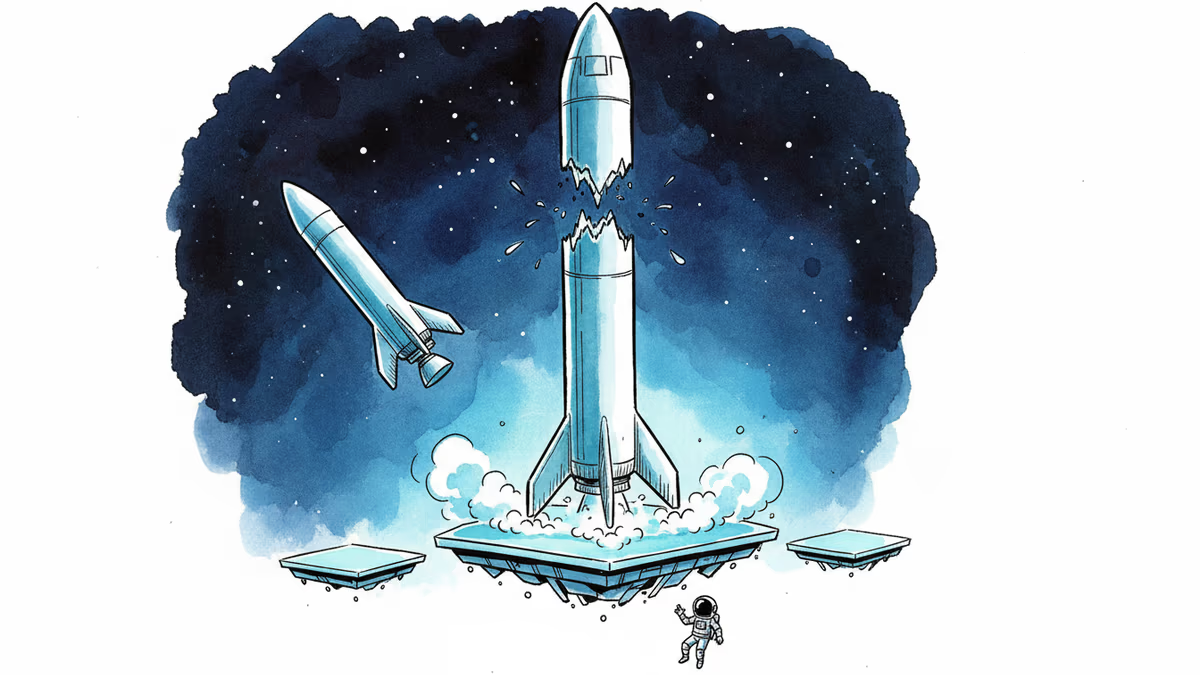
Blue Origin successfully reflew an orbital-class booster for the first time, but New Glenn's upper stage failed on its third mission — raising questions about NASA's Artemis timeline.
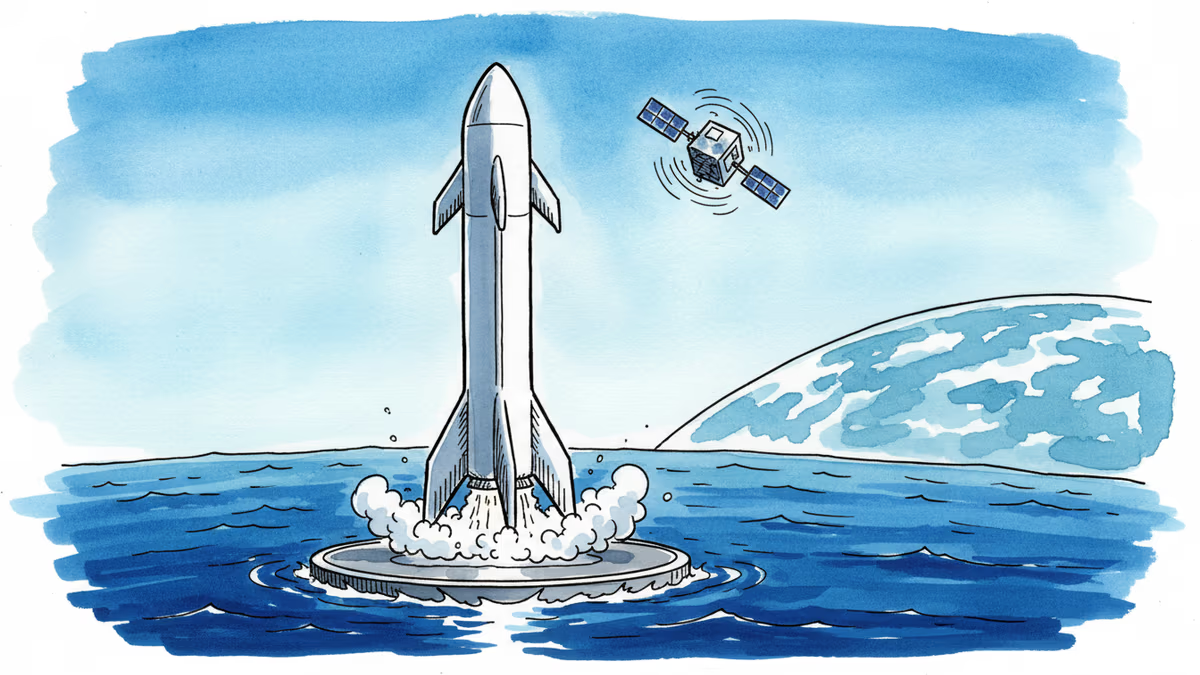
Blue Origin's New Glenn rocket nailed its first booster reuse — but lost a customer satellite to a botched upper stage. What this split verdict means for the space industry, NASA's moon plans, and the race against SpaceX.
NASA's Artemis III has been redesigned as an Earth-orbit mission. SpaceX and Blue Origin say their landers won't be ready until late 2027. What does this mean for the future of lunar exploration?
Blue Origin's New Glenn nailed its second booster landing, but AST SpaceMobile's BlueBird 7 satellite ended up in the wrong orbit—effectively useless. What this split outcome reveals about the space race.
Blue Origin successfully reflew an orbital-class booster for the first time, but New Glenn's upper stage failed on its third mission — raising questions about NASA's Artemis timeline.
Blue Origin's New Glenn rocket nailed its first booster reuse — but lost a customer satellite to a botched upper stage. What this split verdict means for the space industry, NASA's moon plans, and the race against SpaceX.
Thoughts
Share your thoughts on this article
Sign in to join the conversation