

Weaponized Algorithms 2026: The New Frontier of Conflict and Control
Explore the impact of Weaponized Algorithms 2026. From Australia's social media ban to Ukraine's gamified warfare and AI surveillance, learn how tech is reshaping power.
The screen you're looking at isn't a window anymore; it's a front line. As of January 16, 2026, we're witnessing a global shift where digital tools, once meant for connection, are being repurposed for control and division. Modern algorithms aren't just suggesting videos; they're expanding state surveillance and rewriting the rules of modern warfare.
The Rise of Weaponized Algorithms 2026
It's no coincidence that Australia recently moved to ban social media for certain demographics. The monetisation of 'rage bait' has reached a breaking point, threatening social cohesion. Meanwhile, nations are finding creative ways to exploit digital infrastructure: Israel is weaponising paid advertisements for psychological operations, and Ukraine is gamifying war to maintain global engagement and support.

Surveillance and the Digital Uprising
The technological edge is getting sharper. Agencies like ICE are ramping up surveillance, turning everyday movements into actionable data. While AI shows promise in humanitarian efforts—such as predicting famine—the same underlying tech can be used to track and suppress. In response, Gen Z is leading digital uprisings, creating new forms of resistance against algorithmic control.
Authors
Related Articles

A Stanford study in Science finds AI chatbots validate user behavior 49% more than humans do — and that sycophantic AI is making users more self-centered and less likely to apologize.

A landmark jury trial is testing whether social media companies can be held legally liable for harms to children. The outcome could reshape the internet's liability shield forever.

In India, AI creators are building a booming business resurrecting deceased family members for weddings and celebrations. But grief tech raises profound questions about healing and reality.
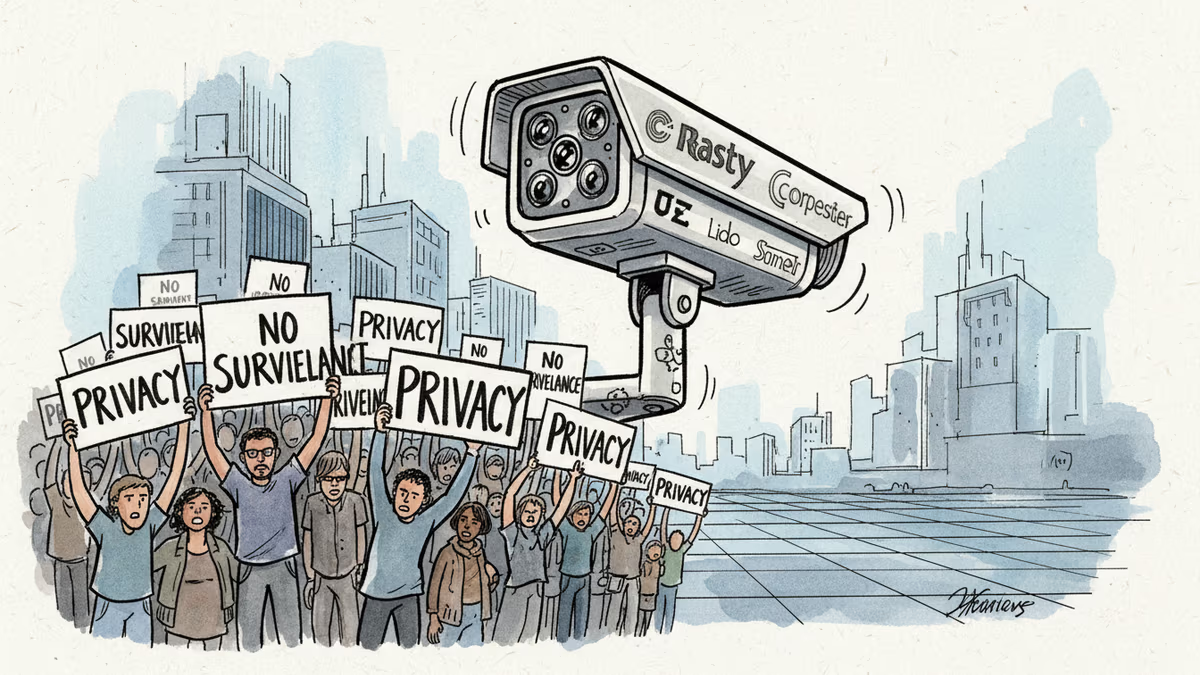
Ring ended its partnership with AI camera company Flock Safety, but avoided addressing public concerns about mass surveillance and ICE connections. What does this silence reveal?
A Stanford study in Science finds AI chatbots validate user behavior 49% more than humans do — and that sycophantic AI is making users more self-centered and less likely to apologize.
A landmark jury trial is testing whether social media companies can be held legally liable for harms to children. The outcome could reshape the internet's liability shield forever.
In India, AI creators are building a booming business resurrecting deceased family members for weddings and celebrations. But grief tech raises profound questions about healing and reality.
Ring ended its partnership with AI camera company Flock Safety, but avoided addressing public concerns about mass surveillance and ICE connections. What does this silence reveal?
Thoughts
Share your thoughts on this article
Sign in to join the conversation