
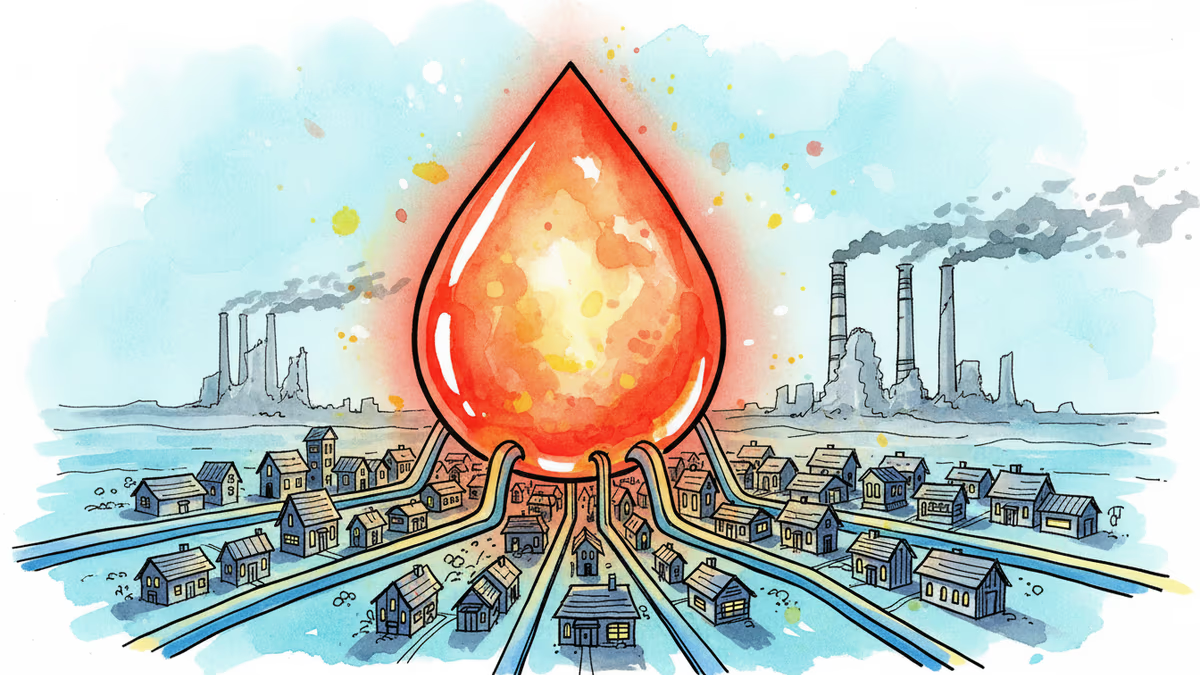
Bill Gates' $1.7B Nuclear Bet Just Got Real
NRC approves first nuclear reactor in a decade. TerraPower's sodium-cooled design could reshape energy, but faces steep cost challenges.
$1.7 Billion Later, Bill Gates Finally Gets His Nuclear Permit
The Nuclear Regulatory Commission handed TerraPower the keys this week—the first new reactor approval in nearly a decade. Bill Gates' nuclear startup, founded in 2015 and backed by Nvidia, can now break ground on its Natrium reactor in Wyoming. The price tag so far? $1.7 billion raised, including a $650 million round last June.
This isn't just another small modular reactor. At 345 megawatts, it's multiple times larger than most SMR designs, yet two-thirds smaller than traditional nuclear plants. The sweet spot, TerraPower argues, between scale and safety.
Molten Sodium: 40 Years in the Making
Here's what makes this approval historic: TerraPower's reactor doesn't use water for cooling. Instead, it uses molten sodium—the first non-water commercial reactor approved by the NRC in over 40 years.
The sodium does more than just cool. Excess hot sodium gets stored in massive insulated tanks, essentially turning the reactor into a giant heat battery. When wind and solar dip, that stored thermal energy kicks in. Since nuclear plants run most efficiently at full capacity, this heat storage could slash generating costs.
The AI Power Crunch Changes Everything

Timing matters. Data center electricity demand is exploding, and the Trump administration faces pressure to boost generating capacity fast. Tech companies are scrambling for reliable, carbon-free power sources.
Investors smell opportunity. Nuclear startups have raised over $1 billion in recent months alone. The math is simple: AI needs always-on power, renewables are intermittent, batteries are expensive at scale. Nuclear fills the gap.
The Economics Still Don't Add Up
But here's the reality check: nuclear remains one of the most expensive forms of new power generation. Yes, massive cost overruns at traditional plants are partly to blame. But solar, wind, and batteries have also gotten dramatically cheaper over the years.
TerraPower's bet is on mass manufacturing to drive costs down. The theory is sound—but it typically takes at least a decade for manufacturing savings to materialize. Will investors wait that long?
Three Perspectives on the Same Approval
Energy Investors: Finally, a nuclear play with tech backing and regulatory approval. But the 10-year timeline to cost competitiveness is a tough sell.
Climate Advocates: Molten sodium reactors could be game-changers for grid stability. But we need them deployed at scale within this decade, not the next.
Utility Companies: Intrigued by the heat storage capability, but wary of being first movers on unproven technology. Let someone else work out the kinks.
Authors
Related Articles
TerraPower receives groundbreaking approval to build America's first next-generation nuclear plant, targeting 2030 completion as AI data centers strain the grid
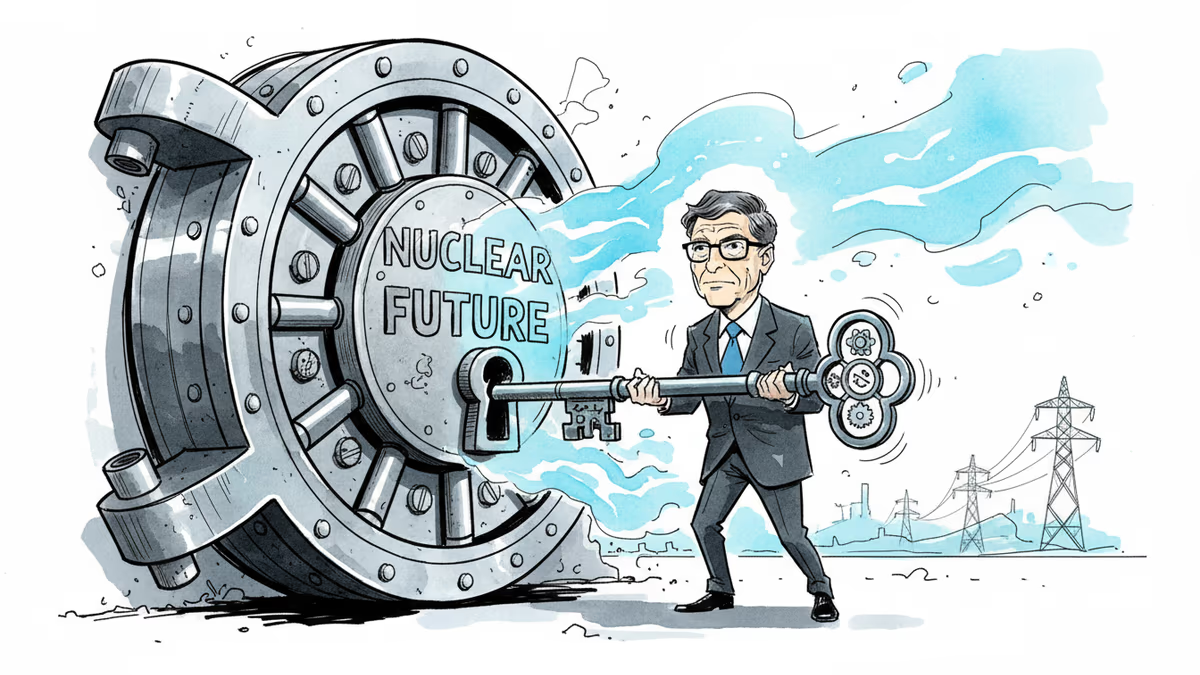
The US approves its first nuclear reactor construction in nearly a decade. Can TerraPower's radical sodium-cooled design reshape America's energy future?
Michigan takes a different approach to climate litigation, accusing oil giants of antitrust violations to suppress clean energy competition
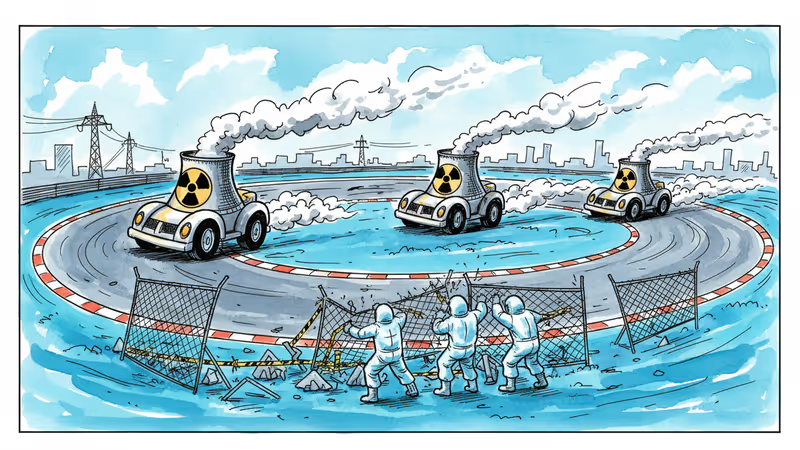
The Trump administration has slashed nuclear safety regulations for DOE-owned sites, cutting a third of the rulebook while nuclear startups chase over $1 billion in funding. Speed vs safety in the nuclear renaissance.
TerraPower receives groundbreaking approval to build America's first next-generation nuclear plant, targeting 2030 completion as AI data centers strain the grid
The US approves its first nuclear reactor construction in nearly a decade. Can TerraPower's radical sodium-cooled design reshape America's energy future?
Michigan takes a different approach to climate litigation, accusing oil giants of antitrust violations to suppress clean energy competition
The Trump administration has slashed nuclear safety regulations for DOE-owned sites, cutting a third of the rulebook while nuclear startups chase over $1 billion in funding. Speed vs safety in the nuclear renaissance.
Thoughts
Share your thoughts on this article
Sign in to join the conversation