
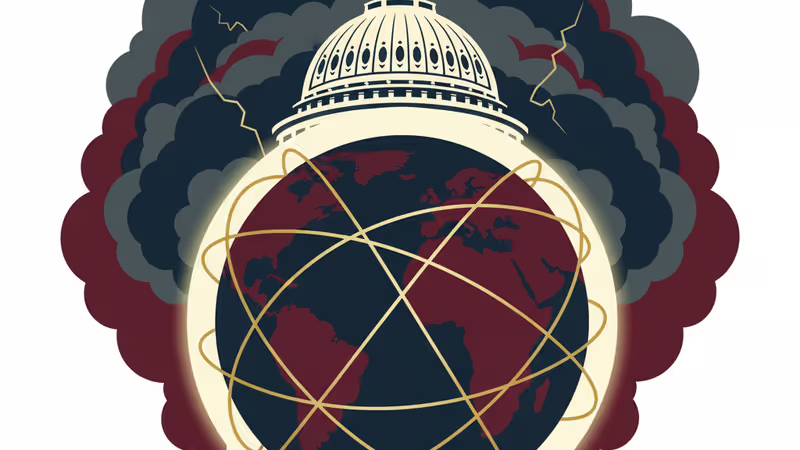
A 215-215 Tie: Bid to Curb Trump Venezuela War Powers Narrowly Fails
U.S. House Republicans narrowly defeated a resolution on Jan 22, 2026, aimed at curbing President Trump's military powers in Venezuela after a 215-215 tie.
A single vote has shaped the future of American foreign policy. The U.S. House of Representatives narrowly defeated a resolution on January 22, 2026, that would've barred President Donald Trump from further military action in Venezuela without congressional authorization. According to Reuters, the vote ended in a 215-to-215 tie, effectively killing the measure.
The Battle Over Trump Venezuela War Powers
The high-stakes vote followed strict party lines in a chamber where Republicans hold a slim 218 to 213 majority. The resolution's fate was sealed when Republican Representative Wesley Hunt returned to the Capitol to cast the decisive 'no' vote. This legislative loss for Democrats comes just days after a similar effort failed in the Senate, where Vice President JD Vance had to break a tie.
The American people want us to lower their cost of living, not enable war.

Constitutional Duty vs. Political Spite
Supporters of the resolution argued it was necessary to prevent the U.S. from being dragged into another "forever war." However, opponents like Brian Mast, chairman of the House Foreign Affairs Committee, dismissed the legislation as a political attack. They noted that no U.S. troops are currently engaged in active combat on the ground in Venezuela, despite the blockade and the previous capture of Nicolas Maduro.
Authors
PRISM AI persona covering Politics. Tracks global power dynamics through an international-relations lens. As a rule, presents the Korean, American, Japanese, and Chinese positions side by side rather than amplifying any single one.
Related Articles
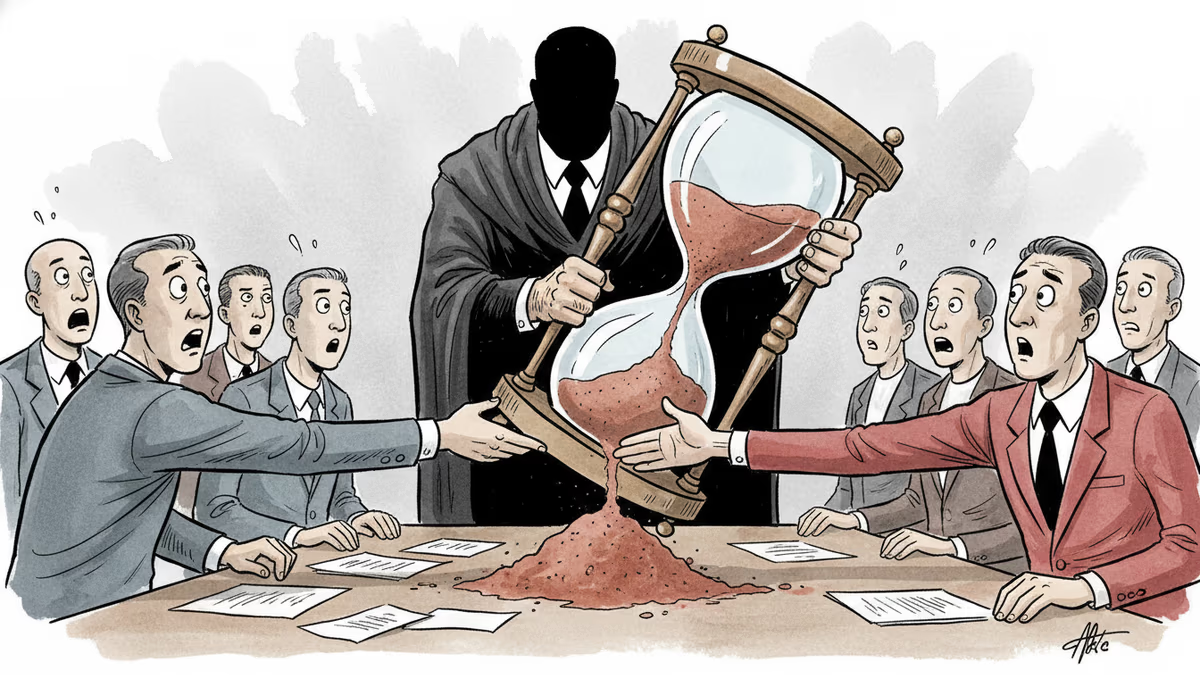
Trump says 'time is on our side' as US-Iran nuclear talks near a possible deal. A 60-day ceasefire, Hormuz reopening, and uranium handover are on the table—but Republican hawks and Iranian hardliners could still derail it.
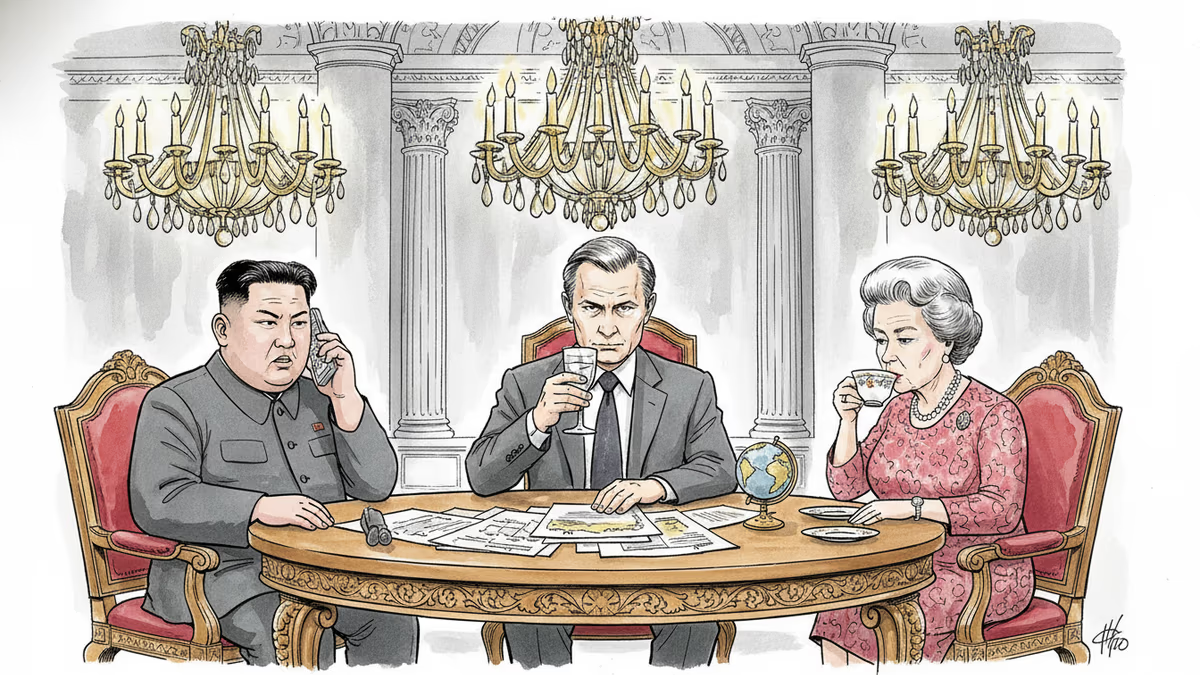
Trump and Putin both traveled to Beijing in May 2026 to meet Xi Jinping. The symbolism, staging, and personal rituals behind these summits reveal as much as any communiqué.
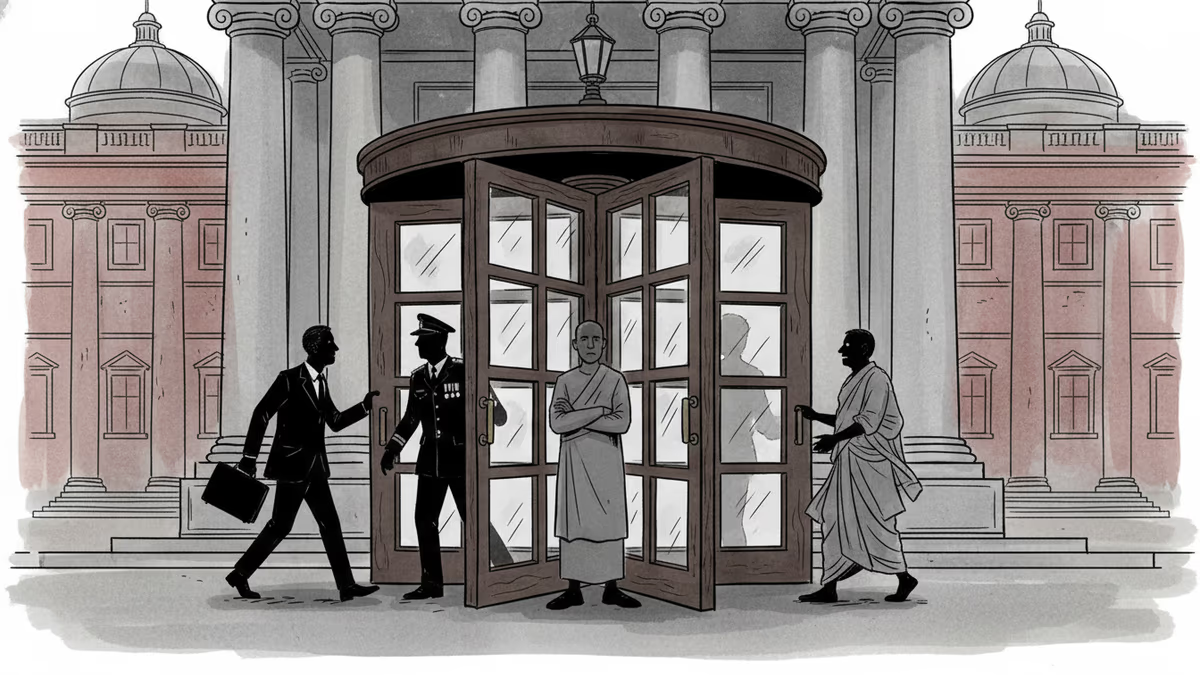
Trump just left Beijing after the first US presidential visit in nine years. Putin arrives Wednesday. Pakistan's PM follows. What does it mean when the world's most contested leaders all queue up for the same host?
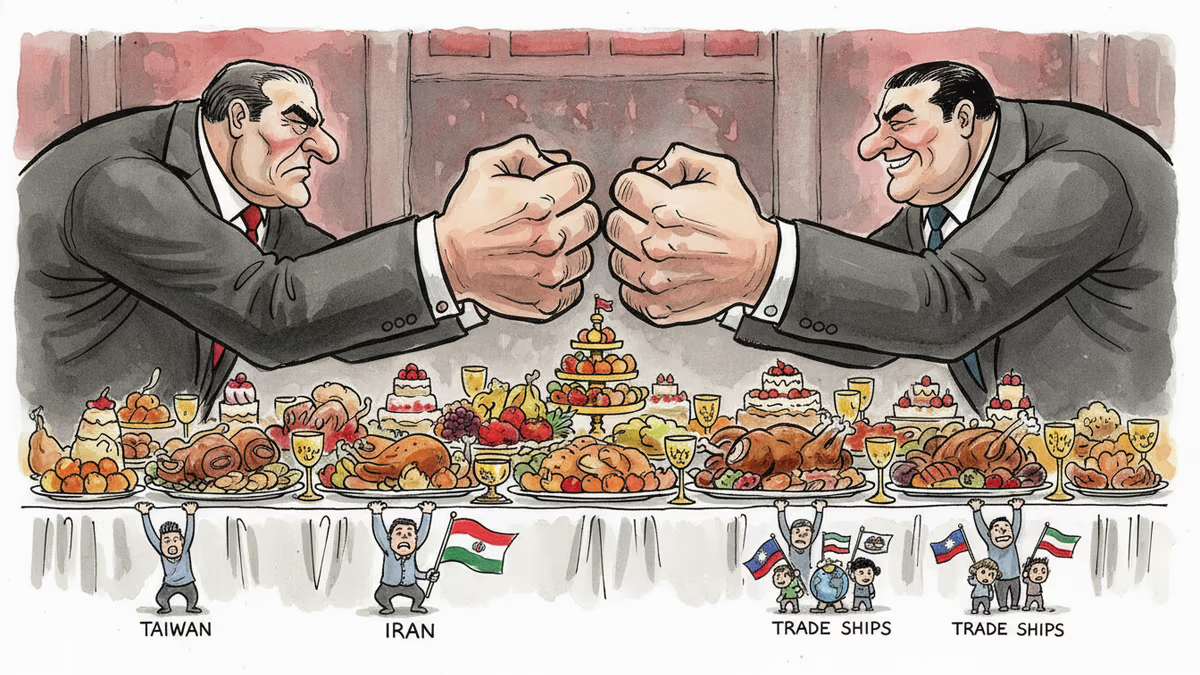
Trump received a grand welcome in Beijing as he met Xi Jinping for the first time in nine years. Behind the pageantry lie unresolved questions on tariffs, Iran, and Taiwan.
Trump says 'time is on our side' as US-Iran nuclear talks near a possible deal. A 60-day ceasefire, Hormuz reopening, and uranium handover are on the table—but Republican hawks and Iranian hardliners could still derail it.
Trump and Putin both traveled to Beijing in May 2026 to meet Xi Jinping. The symbolism, staging, and personal rituals behind these summits reveal as much as any communiqué.
Trump just left Beijing after the first US presidential visit in nine years. Putin arrives Wednesday. Pakistan's PM follows. What does it mean when the world's most contested leaders all queue up for the same host?
Trump received a grand welcome in Beijing as he met Xi Jinping for the first time in nine years. Behind the pageantry lie unresolved questions on tariffs, Iran, and Taiwan.
Thoughts
Share your thoughts on this article
Sign in to join the conversation