
Best Smartphones to Buy in 2026: iPhone 17 vs Galaxy S25 Ultra Comparison
Compare the best smartphones to buy in 2026. Detailed analysis of iPhone 17, Galaxy S25 Ultra, and Pixel 10 with scores and performance rankings.
If you've heard that phones are getting boring, that's actually fantastic news. The industry has shifted from erratic hardware experiments to a more mature era of software-driven innovation. In 2026, the best upgrade isn't necessarily the one with the flashiest gimmick, but the one that masterfully handles your daily digital life without friction.
From iPhone 17 to Galaxy S25 Ultra: Best Smartphones to Buy in 2026
The standard iPhone 17 from Apple has significantly closed the gap with its Pro counterparts, featuring a 6.3-inch 120Hz OLED screen and an always-on display. Starting at $799 with a doubled base storage of 256GB, it represents incredible value for most users. Meanwhile, Samsung's Galaxy S25 Ultra remains the king of maximalist hardware with its Snapdragon 8 Elite chip and a rounded design that prioritizes comfort over the sharp edges of the past.

Google is also making waves with the Pixel 10, finally adding a dedicated telephoto lens to the base model and adopting the magnetic Qi2 charging standard. For those seeking the future of form factors, the Pixel 10 Pro Fold has broken boundaries by being the first foldable with a full IP68 rating, ensuring dust and water resistance are no longer exclusive to slab-style phones.
Early 2026 Smartphone Ranking by Category
- 1st: iPhone 17 (Score: 8, Best for most people)
- 2nd: Google Pixel 10 (Score: 8, Best easygoing Android)
- 3rd: Galaxy S25 Ultra (Score: 8, Best high-end Android)
- 4th: Pixel 9A (Score: 8, Best budget choice at $399)
- 5th: iPhone 17 Pro (Score: 8, Best for creative professionals)
Authors
Related Articles
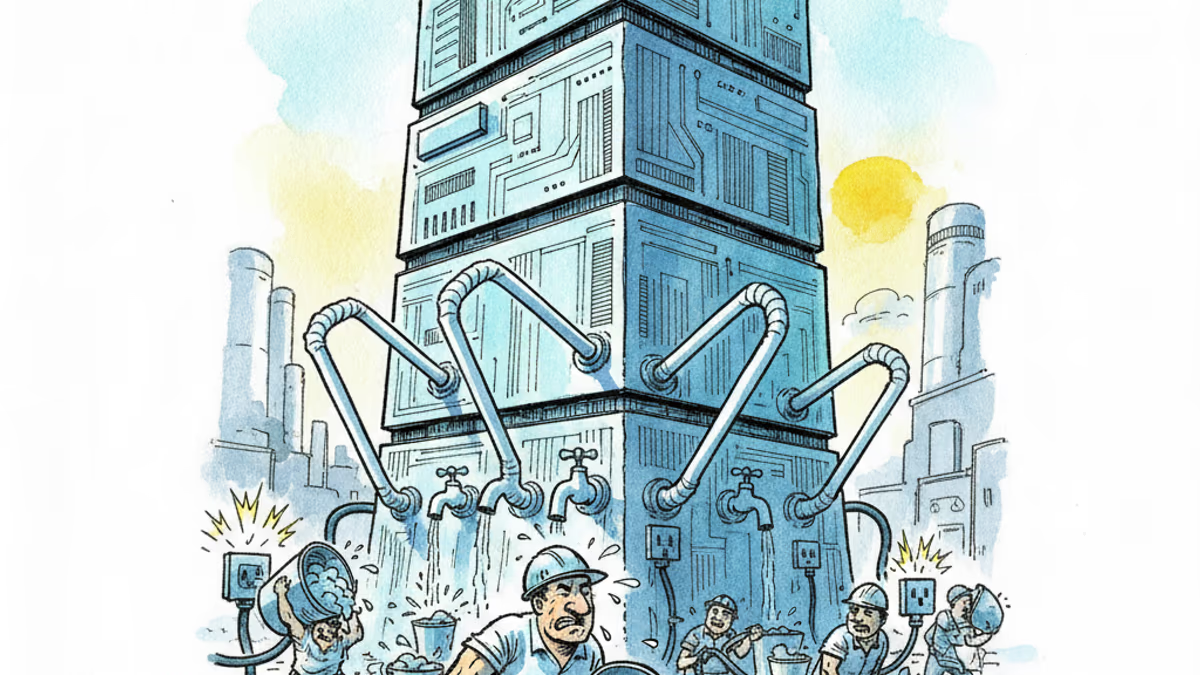
Samsung and SK unveiled a chip and AI investment package worth thousands of trillions of won on June 29. The headline number swings wildly by outlet, but the real contest isn't capital — it's water and power.
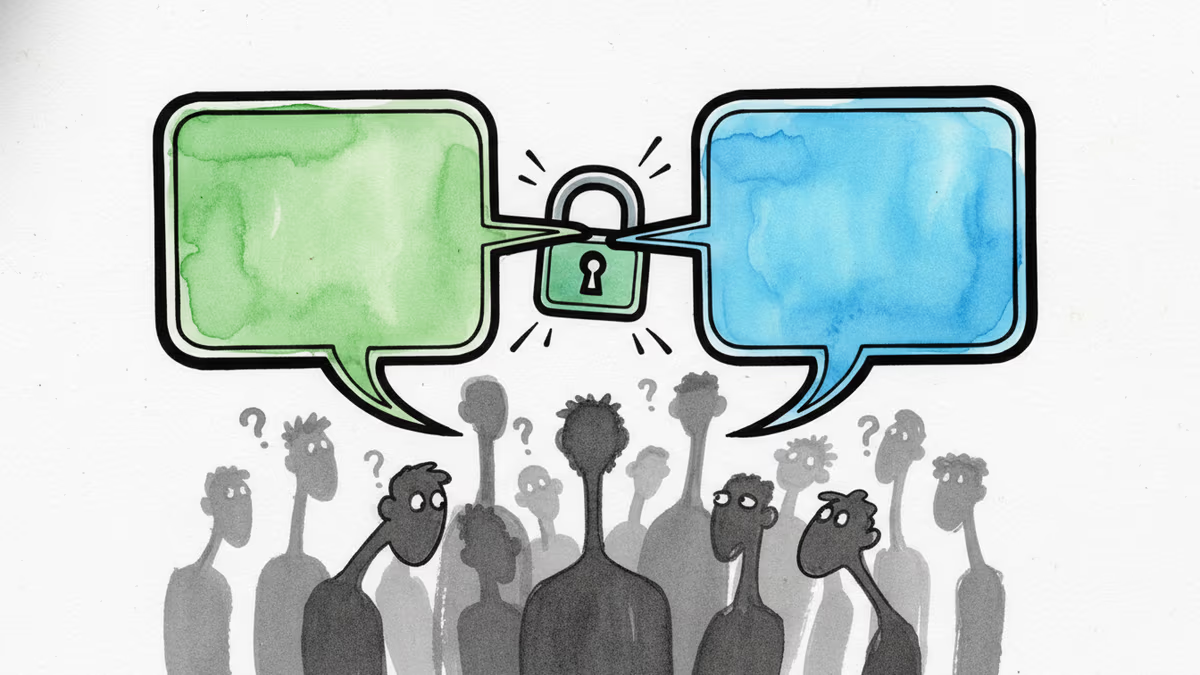
After 15 years of fragmented mobile messaging, Apple and Google are rolling out end-to-end encrypted RCS messaging between iPhones and Android devices. Here's what changed, why it took so long, and what it means for your privacy.
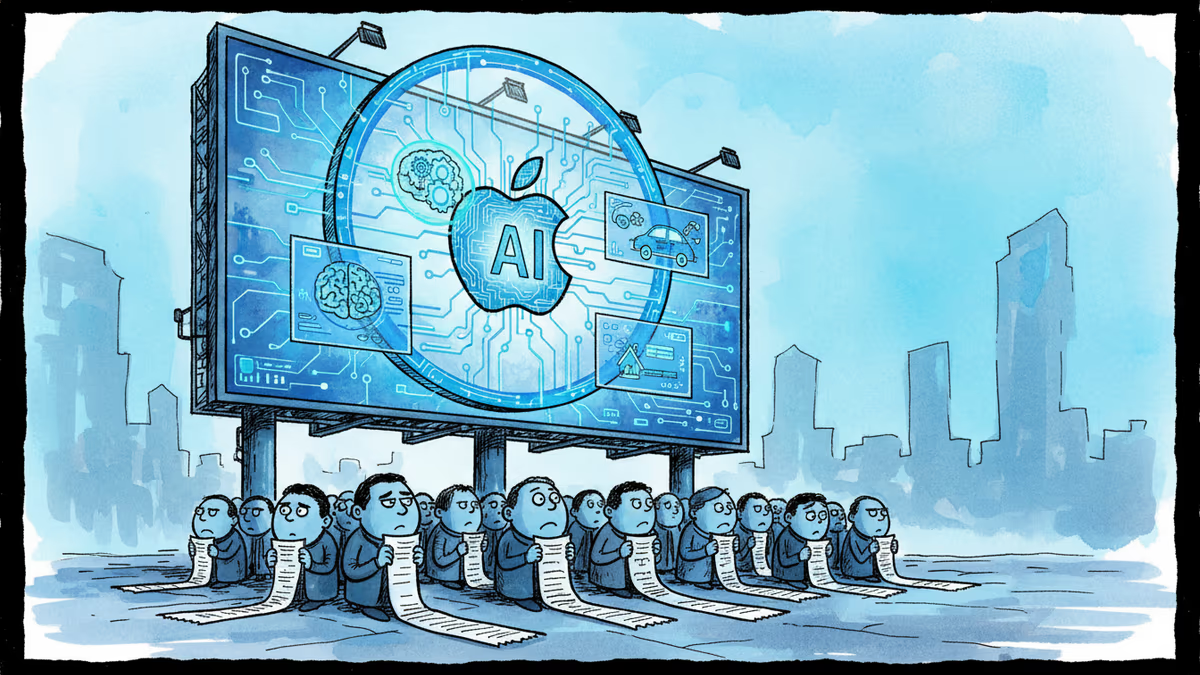
Apple agreed to pay $250 million to settle claims it misled iPhone 16 buyers about Apple Intelligence features. What this means for consumers, Big Tech marketing, and the AI industry.
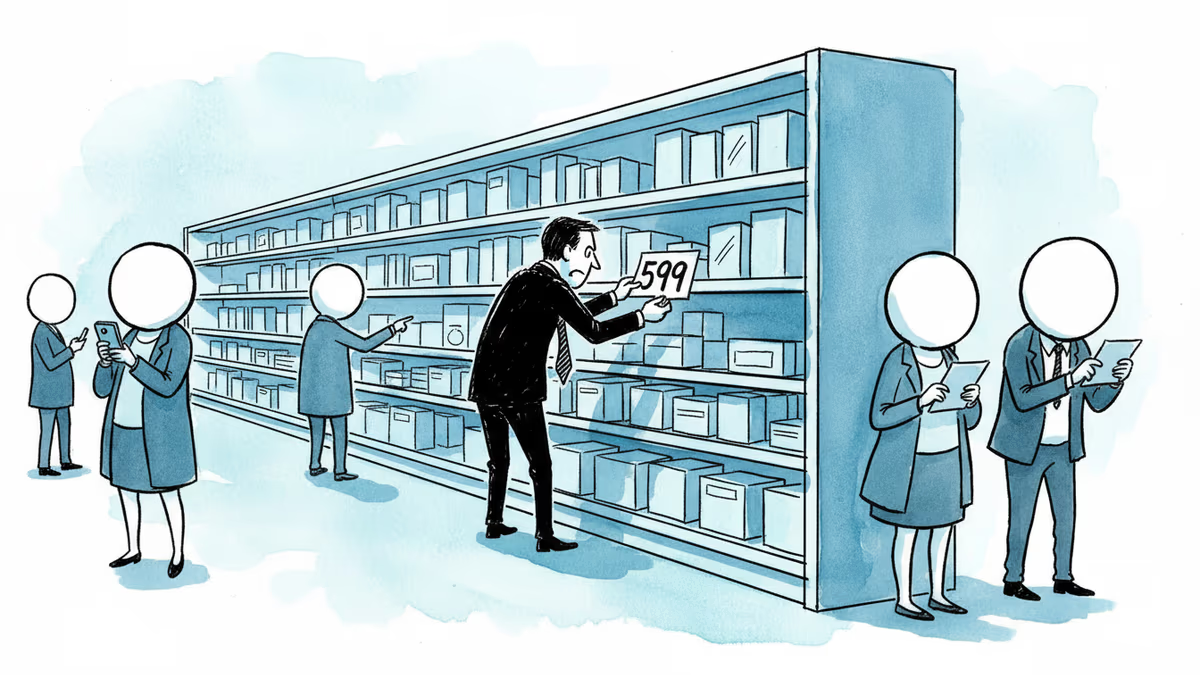
Apple quietly removed the entry-level $599 Mac Mini, raising the starting price to $799 — just one day after Tim Cook warned of chip supply constraints on the earnings call.
Samsung and SK unveiled a chip and AI investment package worth thousands of trillions of won on June 29. The headline number swings wildly by outlet, but the real contest isn't capital — it's water and power.
After 15 years of fragmented mobile messaging, Apple and Google are rolling out end-to-end encrypted RCS messaging between iPhones and Android devices. Here's what changed, why it took so long, and what it means for your privacy.
Apple agreed to pay $250 million to settle claims it misled iPhone 16 buyers about Apple Intelligence features. What this means for consumers, Big Tech marketing, and the AI industry.
Apple quietly removed the entry-level $599 Mac Mini, raising the starting price to $799 — just one day after Tim Cook warned of chip supply constraints on the earnings call.
Thoughts
Share your thoughts on this article
Sign in to join the conversation