
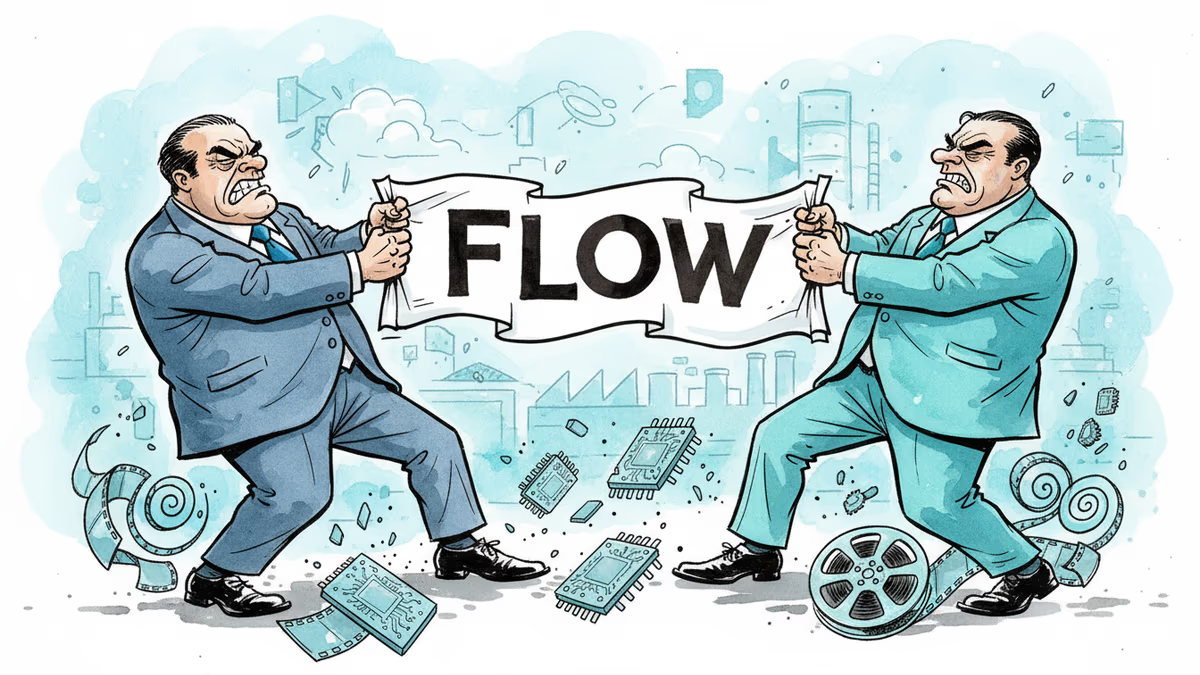
When AI Giants Collide Over Four Letters
Autodesk sues Google over 'Flow' trademark, exposing how AI naming wars could reshape tech industry branding strategies and legal precedents.
$2.8 billion in annual revenue. That's what Autodesk's Media & Entertainment division generates—and now they're fighting Google over four simple letters: F-L-O-W.
The lawsuit, filed in California federal court last week, isn't just about trademark infringement. It's a preview of the legal chaos brewing as AI companies rush to brand their tools, often stepping on decades-old intellectual property in the process.
The Name Game Gets Expensive
Autodesk launched its Flow platform in 2022 as a cloud-based toolkit for filmmakers. By the time Google unveiled its AI video generator last May—also called Flow—Autodesk had already built an ecosystem around the name, including Flow Studio, which transforms live-action footage into 3D scenes using AI.
The timing couldn't be more awkward for Google. Their Flow tool represents a significant push into AI-generated video content, competing directly with startups like Runway and Pika Labs. But now they're facing a legal battle that could force a costly rebrand just as the AI video market heats up.
"Customer confusion is inevitable," Autodesk argues in court documents. Their concern isn't theoretical—both companies target creative professionals who work with video content, making the overlap particularly problematic.

Beyond Brand Names: The Real Stakes
This case exposes a deeper tension in the AI boom. Tech giants are moving so fast that trademark research apparently takes a backseat to product launches. Google's legal team surely knew about Autodesk's Flow—the question is whether they thought they could coexist or simply didn't care.
For Autodesk, this isn't just about protecting a name. It's about defending their position in the AI-powered creative tools market. Their Flow products represent years of development and marketing investment, building relationships with major film studios and independent creators alike.
Google's response strategy will be telling. They could fight the lawsuit, arguing their AI video tool serves a different enough market. Or they might quietly rebrand—a move that would signal how seriously Big Tech takes trademark enforcement in the AI space.
The Ripple Effect
Other AI companies are watching closely. If Autodesk wins, it could embolden more established software companies to challenge AI startups over naming conflicts. The creative software industry, in particular, has decades of trademark history that newer AI companies might be inadvertently stepping on.
Meanwhile, the legal precedent could reshape how AI tools get named and marketed. Companies might need to invest more heavily in trademark clearance—or risk expensive rebrands after launch.
Authors
Related Articles

Samsung and SK unveiled a chip and AI investment package worth thousands of trillions of won on June 29. The headline number swings wildly by outlet, but the real contest isn't capital — it's water and power.

Viral videos show 2026 graduates jeering executives who praise AI at commencement ceremonies. It's not just rudeness — it's a signal about who pays for technological optimism.
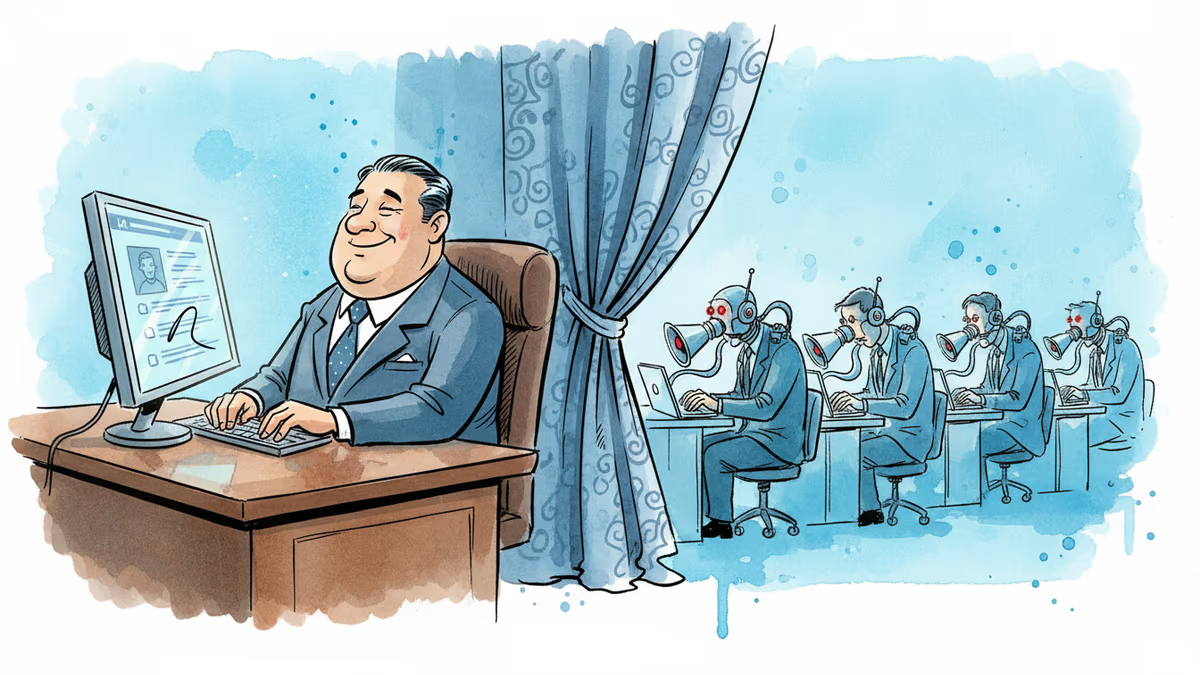
Filipino virtual assistants using AI to ghost-manage LinkedIn profiles for executives is now a structured industry. 30 comments a day, fake engagement rings, and a platform struggling to tell real from fabricated.
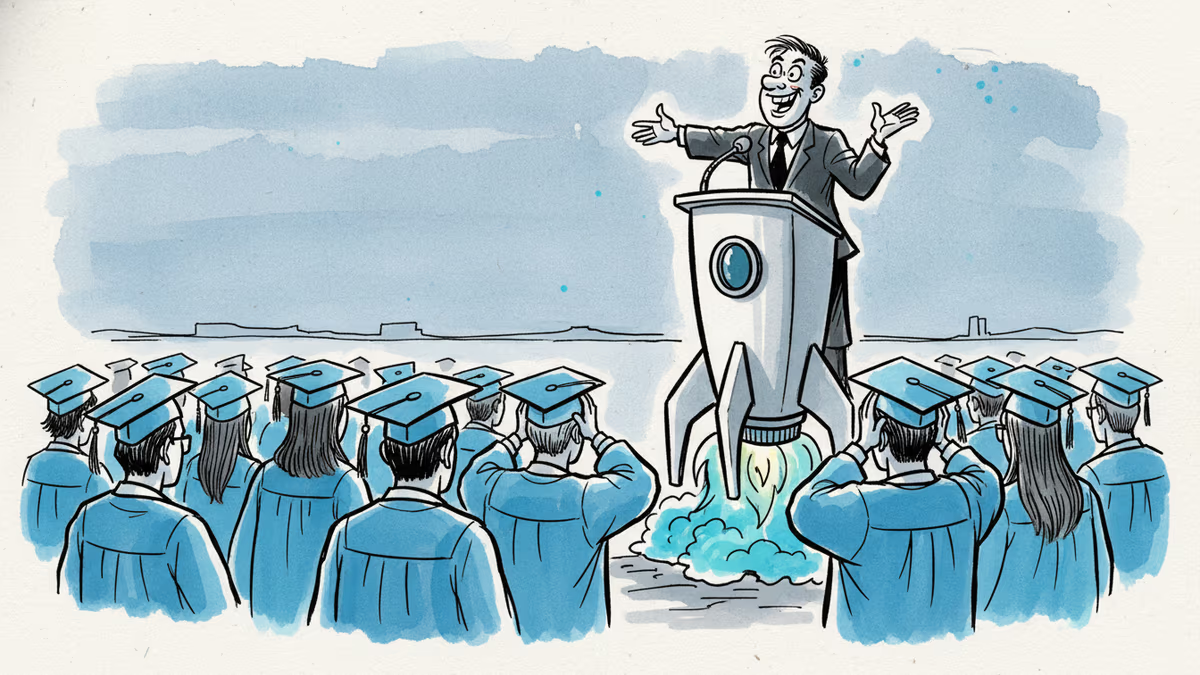
Two commencement speakers learned the hard way that AI enthusiasm doesn't land well with today's graduates. The backlash reveals a widening gap between tech optimism and Gen Z's economic reality.
Samsung and SK unveiled a chip and AI investment package worth thousands of trillions of won on June 29. The headline number swings wildly by outlet, but the real contest isn't capital — it's water and power.
Viral videos show 2026 graduates jeering executives who praise AI at commencement ceremonies. It's not just rudeness — it's a signal about who pays for technological optimism.
Filipino virtual assistants using AI to ghost-manage LinkedIn profiles for executives is now a structured industry. 30 comments a day, fake engagement rings, and a platform struggling to tell real from fabricated.
Two commencement speakers learned the hard way that AI enthusiasm doesn't land well with today's graduates. The backlash reveals a widening gap between tech optimism and Gen Z's economic reality.
Thoughts
Share your thoughts on this article
Sign in to join the conversation