
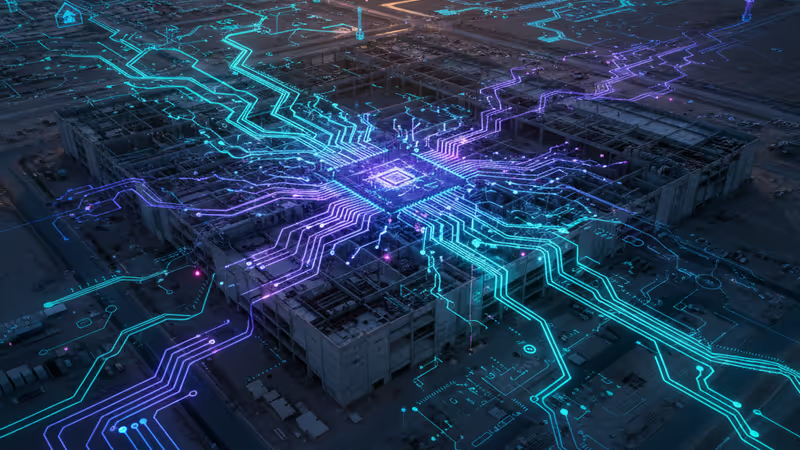
Arizona Semiconductor Talent Pipeline 2025: Intel and TSMC Face the Human Wall
A deep dive into the Arizona semiconductor talent pipeline 2025, exploring how Intel and TSMC are tackling labor shortages and H-1B visa hurdles.
The factories are rising, but the workstations remain empty. Arizona, the epicenter of the U.S. chip manufacturing revival, has hit a massive hurdle: a critical shortage of skilled labor. According to Nikkei Asia, industry giants like TSMC and Intel are racing to fill seats as they prepare to bring advanced production lines online, but the talent pipeline isn't flowing fast enough.
Inside the Arizona Semiconductor Talent Pipeline 2025
On December 31, 2025, at Mesa Community College, a diverse group of students—ranging from teenagers to career-changing veterans—is participating in 'Quick Start' classes. Led by Jody Sampley, an Intel factory manager, these students are getting a crash course in chipmaking basics, learning the specialized terminology and hands-on skills required for the fab floor.
These intensive programs are a desperate response to the surging demand. While Intel and TSMC are collaborating with local institutions to build custom curricula, simply teaching technical skills isn't solving the underlying structural issues of the labor market.

The H-1B Visa Hurdle and Supply Chain Resilience
One of the primary roadblocks is institutional. Industry experts argue that hurdles surrounding H-1B visas make it difficult to attract and retain high-level international talent. There's a growing consensus that domestic training alone can't meet the immediate staffing needs for 24/7 advanced fab operations.
However, there's a delicate balance to strike. Policymakers are under pressure to ensure that 'Made in America' chips are built by American workers. As Arizona continues its experiment in industrial reshoring, the world is watching to see if education and policy can keep pace with the frantic speed of silicon construction.
Authors
Related Articles
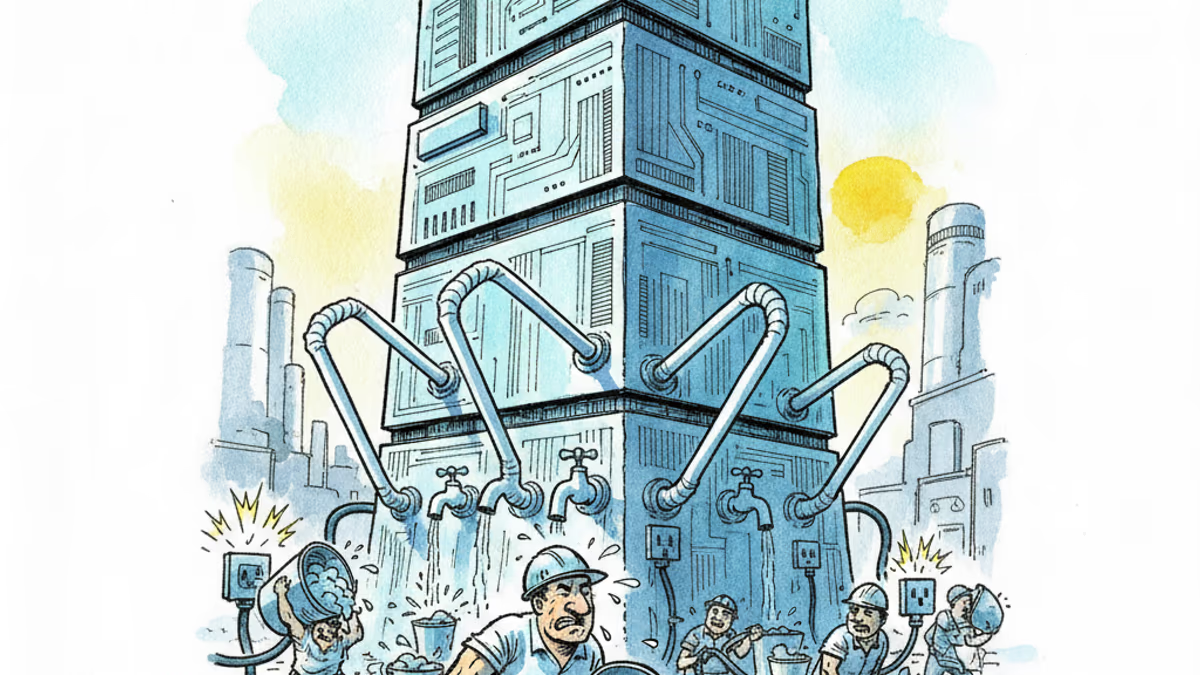
Samsung and SK unveiled a chip and AI investment package worth thousands of trillions of won on June 29. The headline number swings wildly by outlet, but the real contest isn't capital — it's water and power.
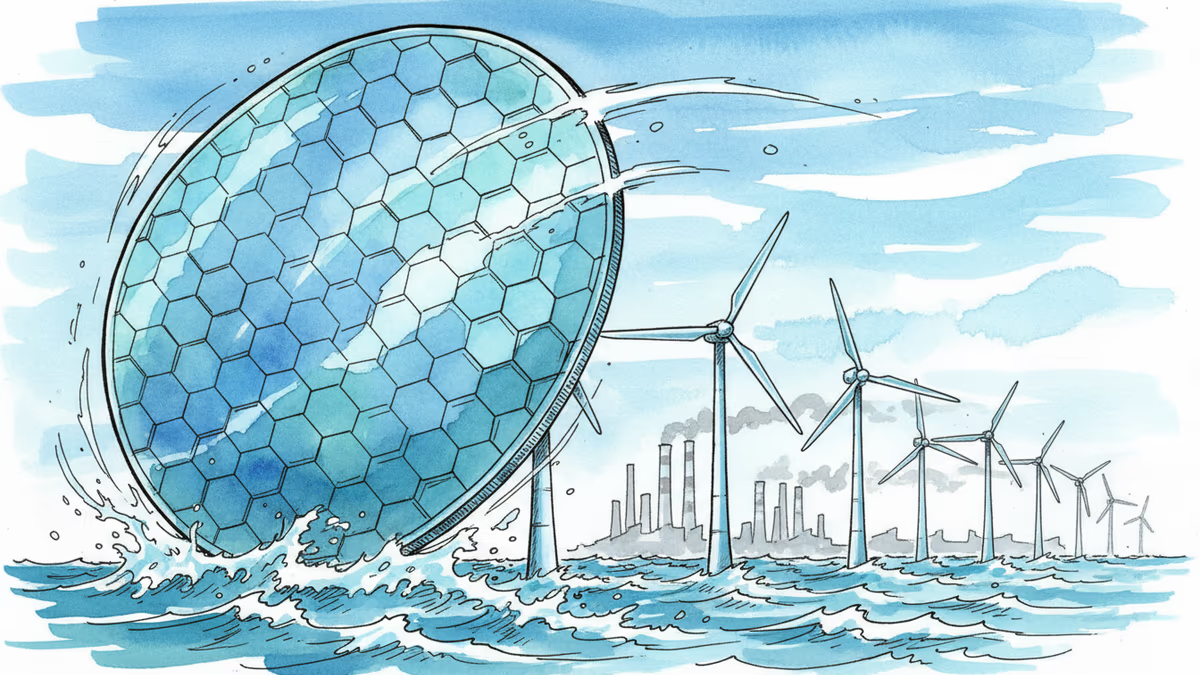
TSMC has signed a 30-year power purchase agreement for 100% of output from Taiwan's Hai Long offshore wind project. The 1GW deal reveals how chipmakers are quietly becoming energy companies.
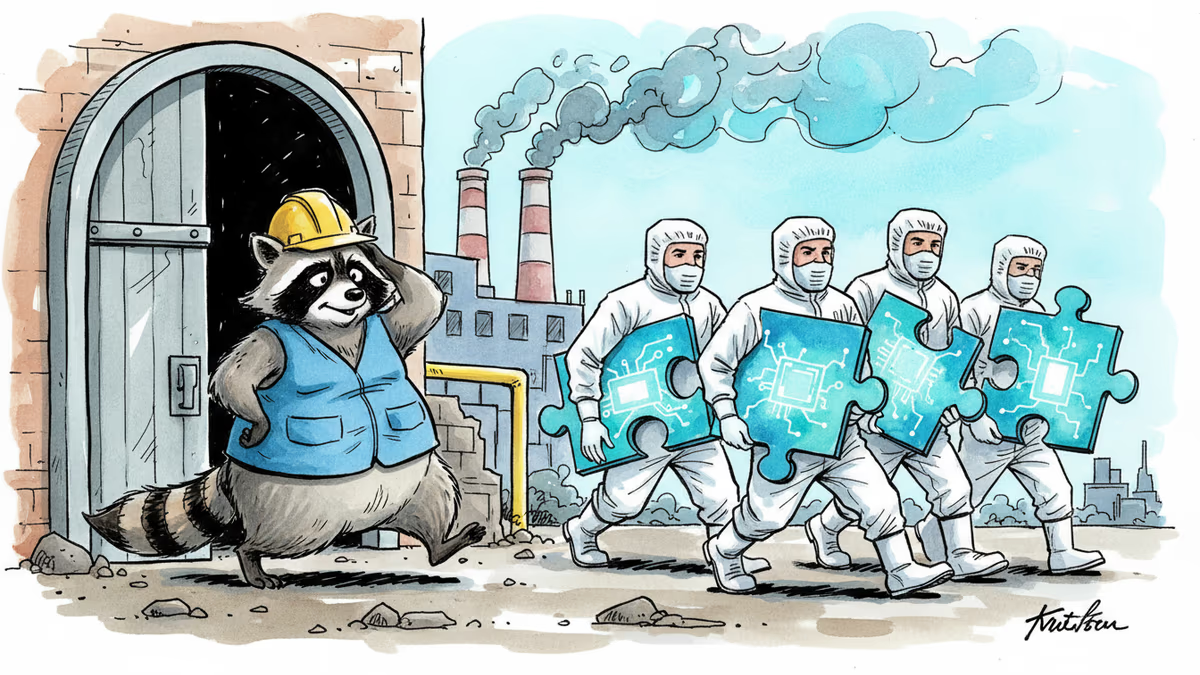
Intel's revived New Mexico fab is betting on advanced chip packaging to challenge TSMC and capture AI market share. Here's why this quiet technology could matter more than the chips themselves.

A material humans have shaped for thousands of years is about to become the backbone of next-gen AI chips. Here's why the semiconductor industry is betting on glass—and what's at stake.
Samsung and SK unveiled a chip and AI investment package worth thousands of trillions of won on June 29. The headline number swings wildly by outlet, but the real contest isn't capital — it's water and power.
TSMC has signed a 30-year power purchase agreement for 100% of output from Taiwan's Hai Long offshore wind project. The 1GW deal reveals how chipmakers are quietly becoming energy companies.
Intel's revived New Mexico fab is betting on advanced chip packaging to challenge TSMC and capture AI market share. Here's why this quiet technology could matter more than the chips themselves.
A material humans have shaped for thousands of years is about to become the backbone of next-gen AI chips. Here's why the semiconductor industry is betting on glass—and what's at stake.
Thoughts
Share your thoughts on this article
Sign in to join the conversation