
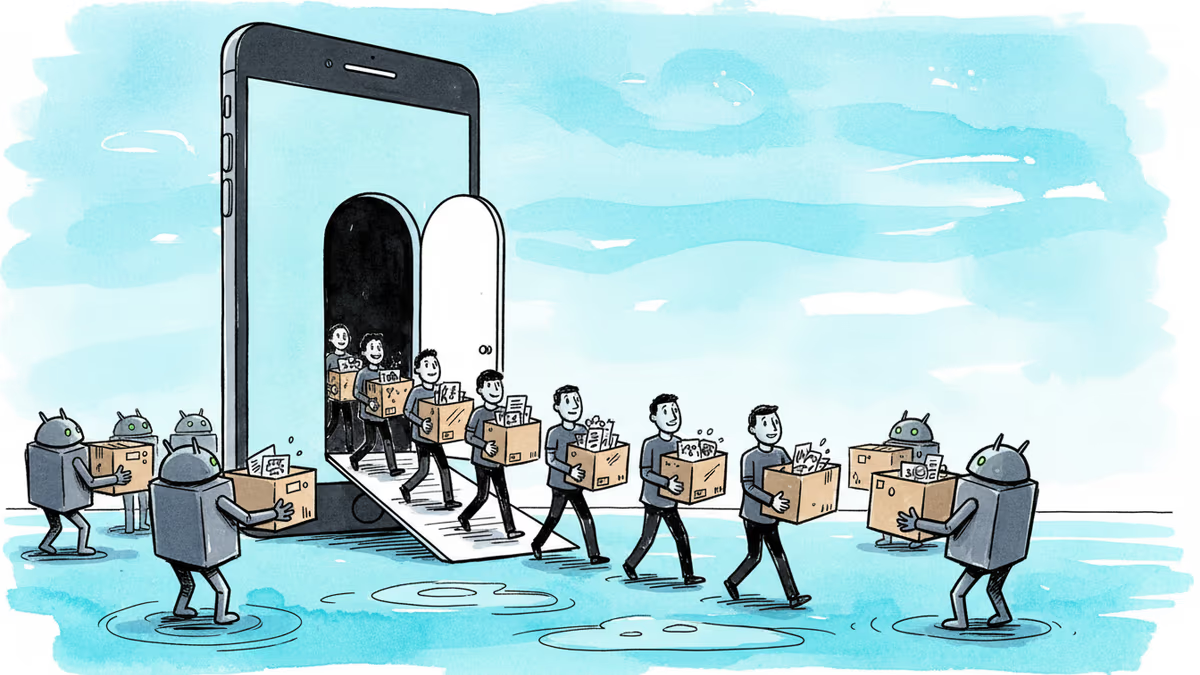
Apple Just Made It Easier to Leave iPhone. Here's Why
Apple added Android transfer features to iOS 26.3, helping users switch to competitors. What's behind this surprising strategic shift from the walled garden king?
The Company That Built Walls Just Opened the Door
Apple just did something that would've been unthinkable five years ago. In iOS 26.3, they added a "transfer to Android" feature that actively helps users switch to competitors. Photos, messages, notes, apps—Apple will help you pack it all up and move it to Samsung, Google Pixel, or any Android device.
This is the same company that made iMessage blue bubbles a status symbol and kept AirDrop exclusive to Apple devices. The same company whose entire business model relied on making it painful to leave their ecosystem. So why the sudden change of heart?
Regulators Forced Apple's Hand
The answer lies in Brussels and Washington. The EU's Digital Markets Act has been breathing down Apple's neck since 2024, demanding "interoperability" from big tech gatekeepers. Translation: make it easy for users to switch, or face massive fines.
The pressure isn't just European. US lawmakers have been pushing similar legislation, and even Trump 2.0's administration seems keen on reining in big tech monopolies. Apple saw the writing on the wall and decided to act before being forced to.
But here's what's clever about Apple's approach: they're giving regulators what they want while still maintaining control. Notice how the feature only works from Apple devices to non-Apple devices? Moving from iPhone to iPhone still uses Apple's seamless existing systems. They're opening the exit door, not the entrance.
What Apple Won't Transfer (And Why That Matters)

Apple's being selective about what moves to Android. They'll transfer your photos and messages, but not your Bluetooth pairings or sensitive Health app data. Officially, it's about security and privacy. Practically, it's about making the switch just inconvenient enough that many users will think twice.
The real game-changer is AppMigrationKit, a new developer framework that lets third-party apps handle their own data transfers. This means your Instagram photos, Spotify playlists, or WhatsApp chats could theoretically move seamlessly between platforms—if developers choose to implement it.
But here's the catch: AppMigrationKit only works for transfers away from Apple devices. Want to move from Android to iPhone? You're still stuck with Apple's existing (more limited) tools.
The Bigger Strategic Play
This isn't Apple admitting defeat—it's Apple adapting to a new competitive landscape. By proactively offering data portability, they're hoping to avoid more stringent regulatory requirements down the line. It's a calculated trade-off: lose some users to switching, but avoid potentially devastating antitrust penalties.
For competitors like Samsung and Google, this is a golden opportunity. The biggest barrier to Android adoption among iPhone users has always been the hassle of switching. Now that Apple's removed that friction, Android manufacturers can focus on what they do best: offering more choice, customization, and often better value.
What This Means for You
If you're an iPhone user who's been curious about Android but dreaded the switching process, Apple just removed your biggest excuse. The Galaxy S26 series launches next month, and Samsung's already preparing aggressive "switch from iPhone" campaigns to capitalize on this opening.
For developers, AppMigrationKit represents a new frontier. Apps that implement smooth cross-platform data transfer could gain a competitive edge, especially among users who value platform flexibility over ecosystem lock-in.
Authors
Related Articles
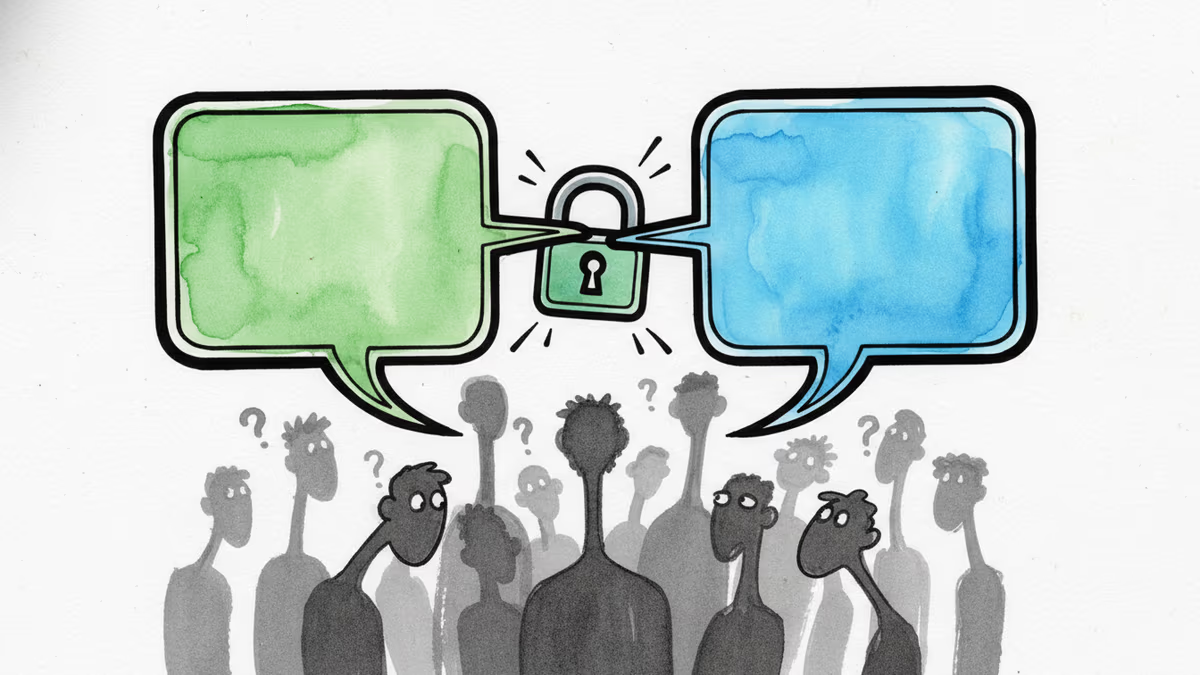
After 15 years of fragmented mobile messaging, Apple and Google are rolling out end-to-end encrypted RCS messaging between iPhones and Android devices. Here's what changed, why it took so long, and what it means for your privacy.
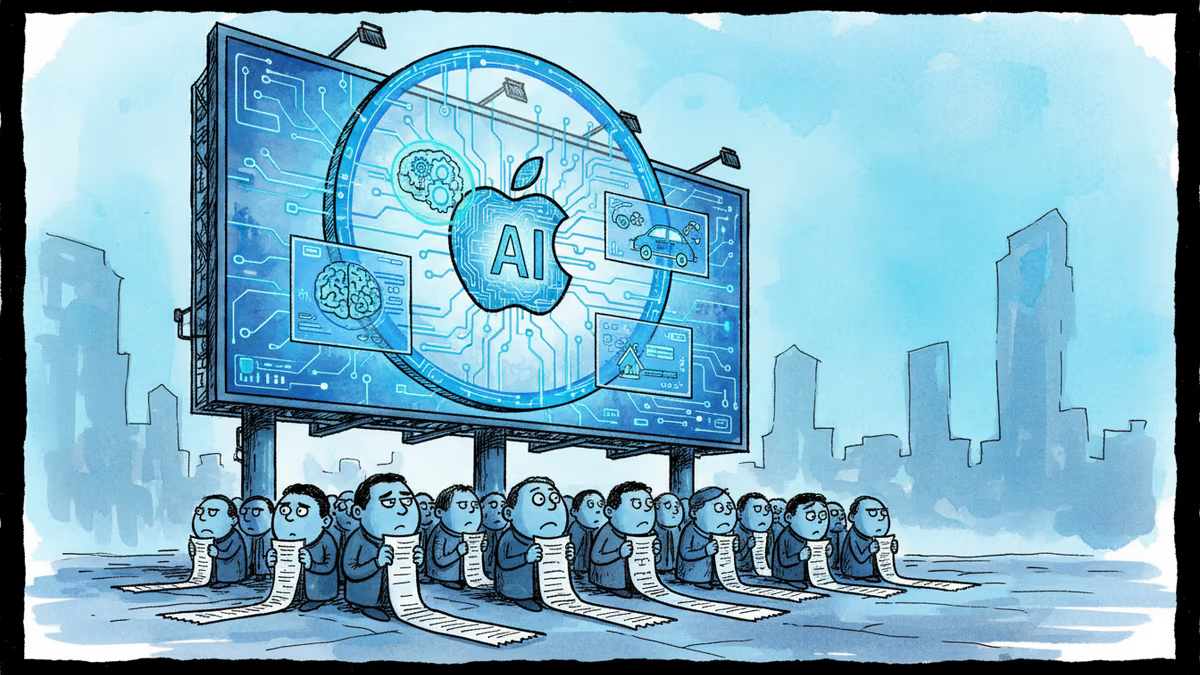
Apple agreed to pay $250 million to settle claims it misled iPhone 16 buyers about Apple Intelligence features. What this means for consumers, Big Tech marketing, and the AI industry.
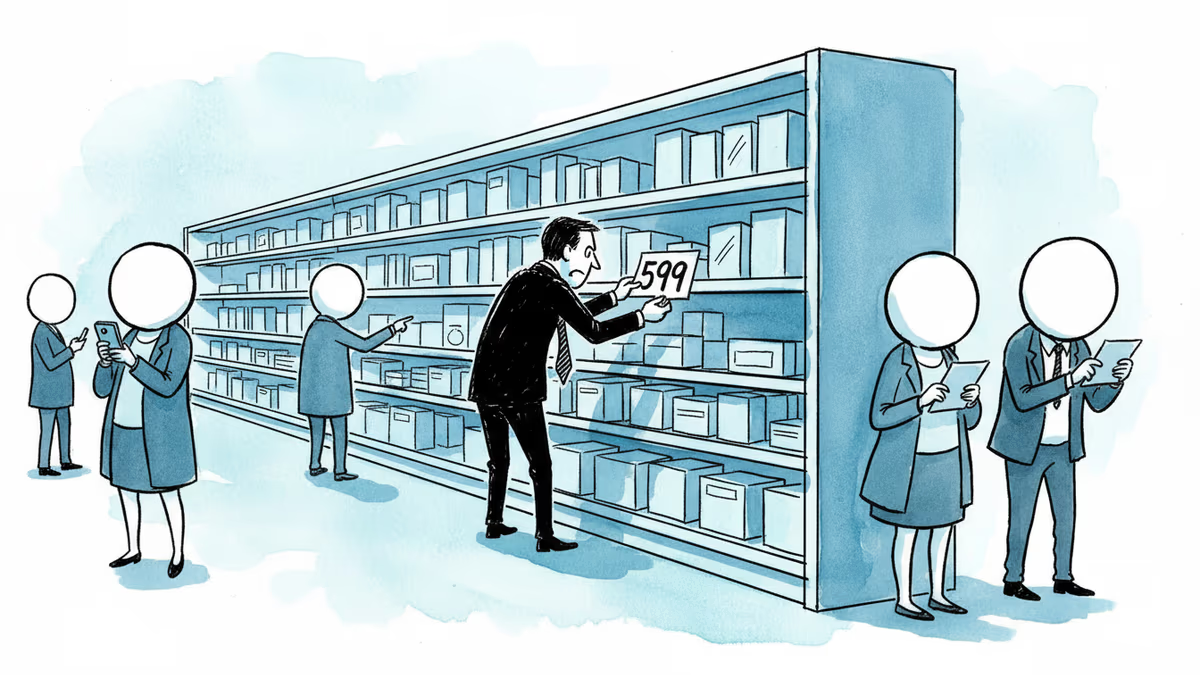
Apple quietly removed the entry-level $599 Mac Mini, raising the starting price to $799 — just one day after Tim Cook warned of chip supply constraints on the earnings call.

Apple names John Ternus, its hardware engineering chief, as the next CEO. The shift from operator to product person signals where Apple thinks its next decade of growth will come from — and raises real questions about what comes next.
After 15 years of fragmented mobile messaging, Apple and Google are rolling out end-to-end encrypted RCS messaging between iPhones and Android devices. Here's what changed, why it took so long, and what it means for your privacy.
Apple agreed to pay $250 million to settle claims it misled iPhone 16 buyers about Apple Intelligence features. What this means for consumers, Big Tech marketing, and the AI industry.
Apple quietly removed the entry-level $599 Mac Mini, raising the starting price to $799 — just one day after Tim Cook warned of chip supply constraints on the earnings call.
Apple names John Ternus, its hardware engineering chief, as the next CEO. The shift from operator to product person signals where Apple thinks its next decade of growth will come from — and raises real questions about what comes next.
Thoughts
Share your thoughts on this article
Sign in to join the conversation