
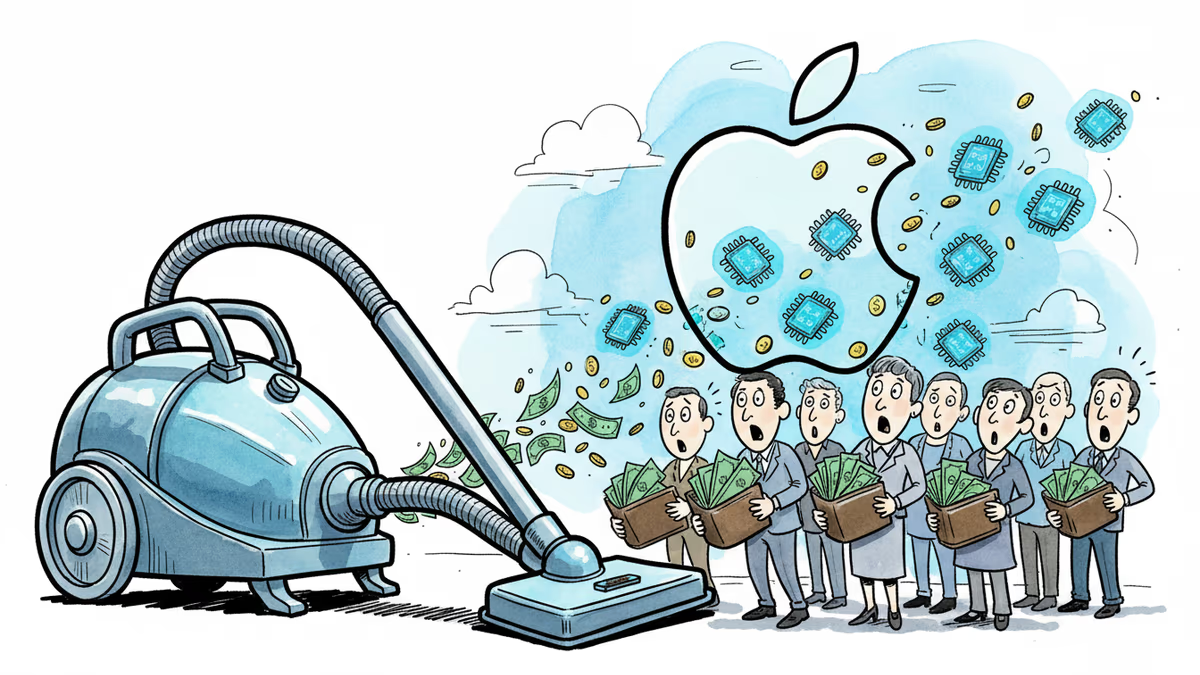
Apple's $400 Price Hike Signals AI Hardware Crisis
Apple's new MacBook Pro prices jump up to $400 amid RAM shortages. What this means for the tech industry's AI ambitions and consumer wallets.
The sticker shock hit immediately. Apple's newest MacBook Pro with the M5 Max chip now starts at $3,599—a whopping $400 more than last year's model. Even the "budget" MacBook Air jumped from $999 to $1,099. For a company known for premium pricing, this represents one of the steepest year-over-year increases in recent memory.
The AI Tax Arrives
Apple unveiled its latest MacBook lineup Tuesday morning, showcasing impressive M5 Pro and M5 Max chips with 18-core CPUs and 4x the AI compute power of their predecessors. But the real story isn't the performance gains—it's what consumers are now paying for the privilege of AI-ready hardware.
The price jumps are systematic across the entire lineup. The 14-inch MacBook Pro with M5 Pro starts at $2,199 (up from $1,999), while the 16-inch model jumps to $2,699 from $2,499. The premium M5 Max configurations see even steeper increases, with both 14-inch and 16-inch models climbing $400 higher than their predecessors.
The Memory Squeeze
Behind these price hikes lies a supply chain reality that extends far beyond Apple's Cupertino headquarters. The AI boom has created unprecedented demand for RAM and specialized chips, triggering shortages that are rippling through the entire tech ecosystem.
Analysts are already predicting smartphone shipments will plummet this year as manufacturers struggle with memory component costs. Samsung, SK Hynix, and other memory producers are prioritizing data center customers willing to pay premium prices for AI infrastructure over consumer electronics manufacturers.

This shortage represents a fundamental shift in how the tech industry allocates its resources. For decades, consumer devices drove chip innovation. Now, AI data centers are calling the shots.
The Consumer Calculation
For Apple enthusiasts, the math has become more complex. The performance gains are undeniable—the new M5 chips deliver significant improvements in AI workloads, video editing, and general computing. But $400 buys a lot of other things: a decent monitor, premium software subscriptions, or simply staying with last year's model that handles most tasks perfectly well.
The pricing also reveals Apple's confidence in its market position. While competitors might hesitate to raise prices so aggressively, Apple is betting its ecosystem lock-in and brand loyalty will weather the sticker shock.
Early reviews suggest the performance improvements justify some premium, but whether they justify $400 depends heavily on individual use cases. Content creators working with AI-enhanced workflows might find value, while casual users checking email and browsing the web likely won't notice the difference.
Industry Bellwether
Apple's pricing decisions often signal broader industry trends. If the world's most valuable company feels comfortable with these increases, other manufacturers may follow suit. Microsoft Surface, Dell XPS, and premium HP laptops could see similar price adjustments as component costs remain elevated.
The implications extend beyond laptops. If memory shortages persist, expect price increases across smartphones, tablets, gaming consoles, and other consumer electronics. The AI revolution, it turns out, comes with a bill that consumers are just beginning to see.
Authors
Related Articles
After 15 years of fragmented mobile messaging, Apple and Google are rolling out end-to-end encrypted RCS messaging between iPhones and Android devices. Here's what changed, why it took so long, and what it means for your privacy.
Apple agreed to pay $250 million to settle claims it misled iPhone 16 buyers about Apple Intelligence features. What this means for consumers, Big Tech marketing, and the AI industry.
Apple quietly removed the entry-level $599 Mac Mini, raising the starting price to $799 — just one day after Tim Cook warned of chip supply constraints on the earnings call.
Apple names John Ternus, its hardware engineering chief, as the next CEO. The shift from operator to product person signals where Apple thinks its next decade of growth will come from — and raises real questions about what comes next.
After 15 years of fragmented mobile messaging, Apple and Google are rolling out end-to-end encrypted RCS messaging between iPhones and Android devices. Here's what changed, why it took so long, and what it means for your privacy.
Apple agreed to pay $250 million to settle claims it misled iPhone 16 buyers about Apple Intelligence features. What this means for consumers, Big Tech marketing, and the AI industry.
Apple quietly removed the entry-level $599 Mac Mini, raising the starting price to $799 — just one day after Tim Cook warned of chip supply constraints on the earnings call.
Apple names John Ternus, its hardware engineering chief, as the next CEO. The shift from operator to product person signals where Apple thinks its next decade of growth will come from — and raises real questions about what comes next.
Thoughts
Share your thoughts on this article
Sign in to join the conversation