
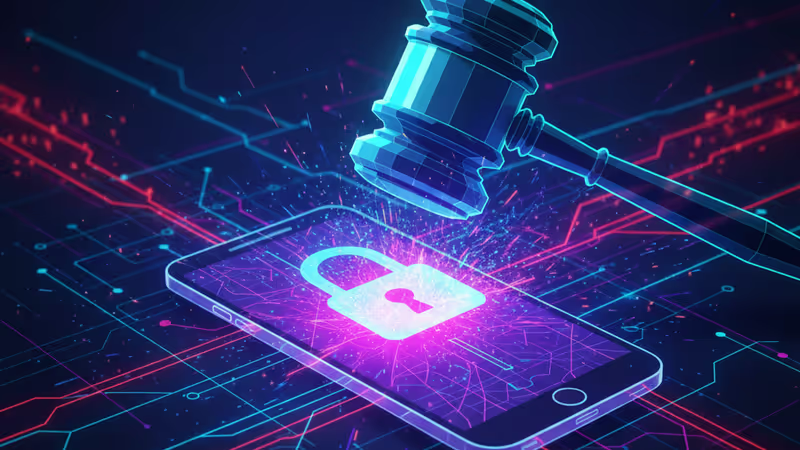
Apple Pauses Texas Age Verification Plan After Court Blocks Controversial Law
Apple is pausing its plans to comply with a Texas age verification law after a federal court blocked its implementation, escalating the clash between child safety and user privacy.
Apple just won a battle in Texas, but the war over who controls the App Store is far from over. After a federal judge blocked a new state law requiring age verification, the tech giant announced it's pausing its compliance plans for Texas as it monitors the “ongoing legal process.”
Court Halts Law on First Amendment Grounds
The law in question, SB2420 or the App Store Accountability Act, would have forced stores run by Apple and Google to verify user ages and require parental consent for anyone under 18 to download apps or make purchases. It also mandated that this age data be shared with developers. However, a judge blocked the law, which was set to take effect in January, citing concerns that it violated the First Amendment.
Apple's Response: A Pause, Not a Retreat

To prepare for the law, Apple had announced in October that all users under 18 in Texas would need to join a Family Sharing group for parental consent on all downloads and purchases. While those Texas-specific plans are now on hold, the company clarified that its broader developer tools for age assurance, like the Declared Age Range API, would remain available for testing and use worldwide.
Privacy vs. Protection: The Core Conflict
Apple has consistently objected to the law not on the grounds of kids' protection, but of user privacy. The company argued that SB2420 would require collecting sensitive, personally identifiable information even for users who simply want to check the weather. Texas lawmakers, however, have vowed to continue the legal fight. According to a Reuters report, the Texas attorney general’s office plans to appeal the decision. This debate is a preview of similar battles to come in states like Utah and Louisiana, which are pursuing similar legislation.
Authors
Related Articles
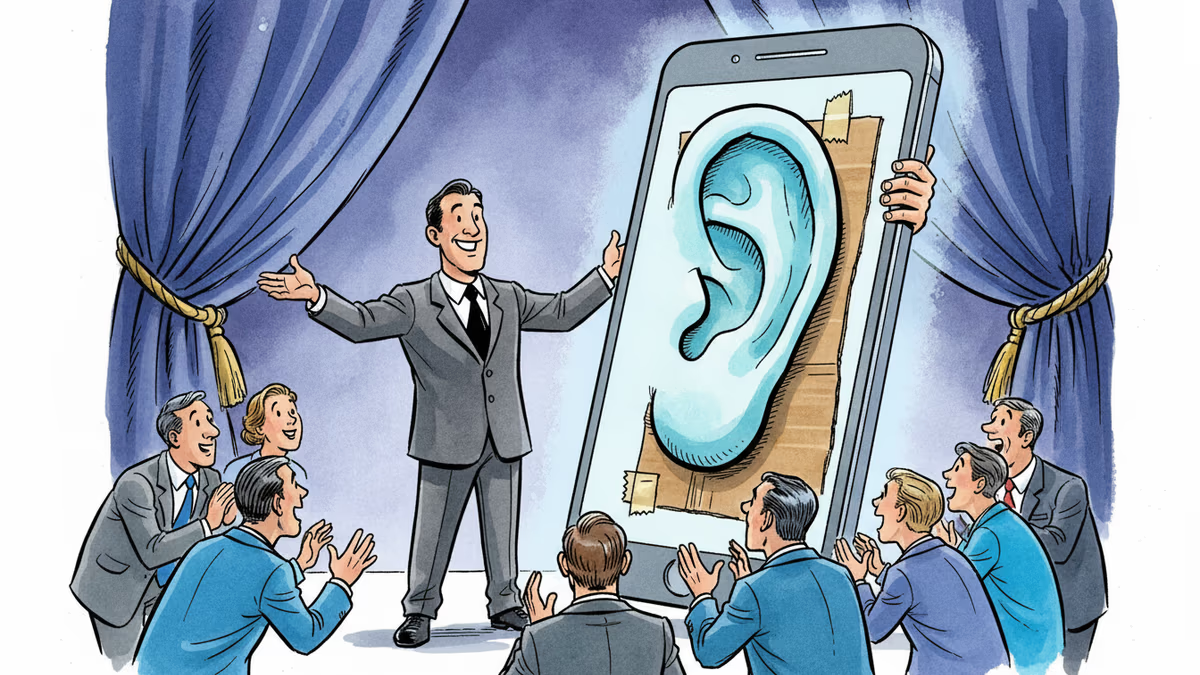
The FTC fined Cox Media and two ad firms $930,000 — not for actually eavesdropping on users, but for falsely claiming they could. The case raises uncomfortable questions about surveillance capitalism.
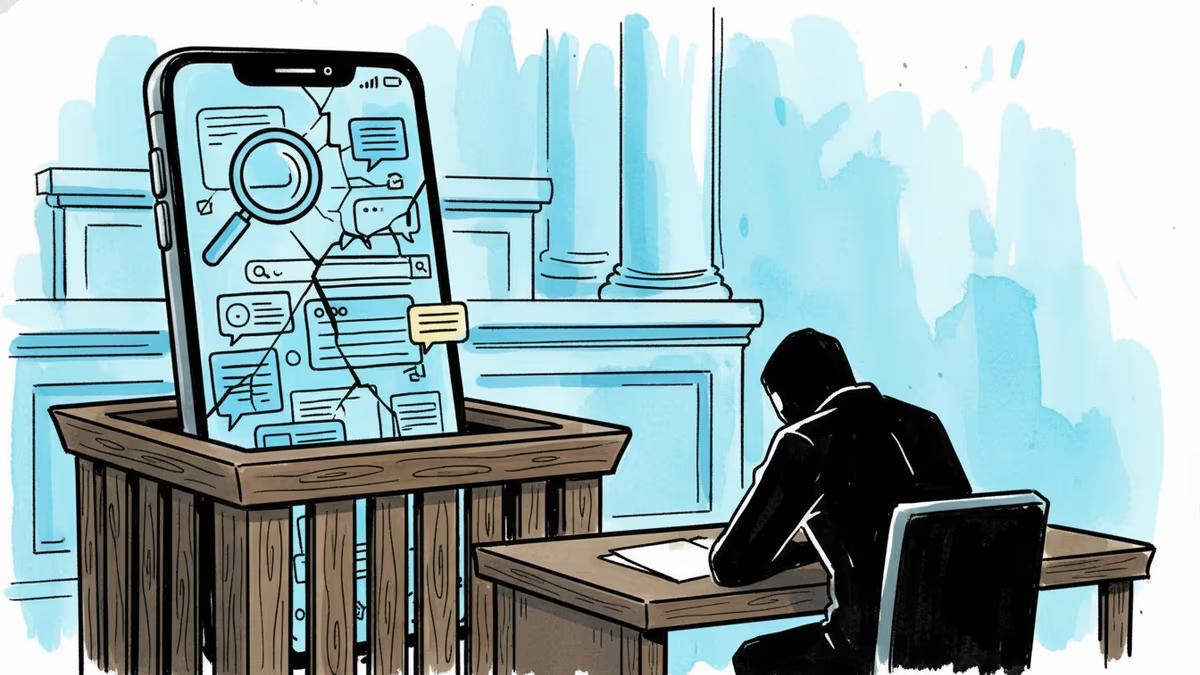
A Utah woman was sentenced to life in prison partly because of her Google searches and deleted texts. The Kouri Richins case reveals how digital footprints have become the courtroom's most reliable witness.
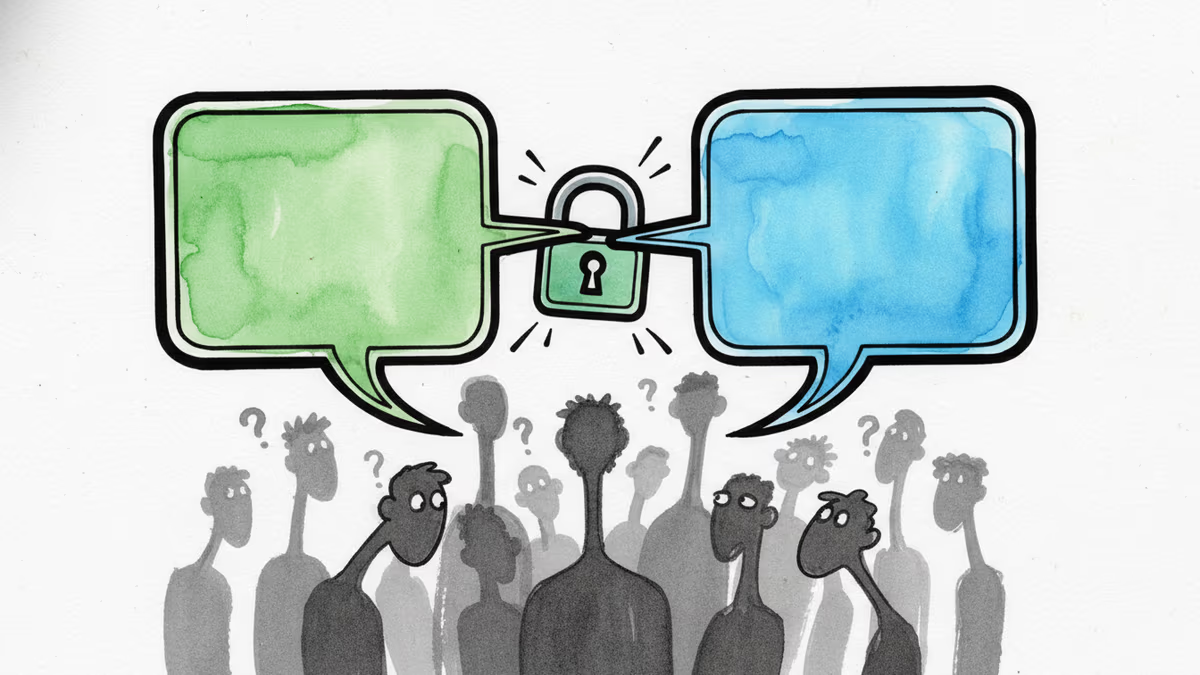
After 15 years of fragmented mobile messaging, Apple and Google are rolling out end-to-end encrypted RCS messaging between iPhones and Android devices. Here's what changed, why it took so long, and what it means for your privacy.
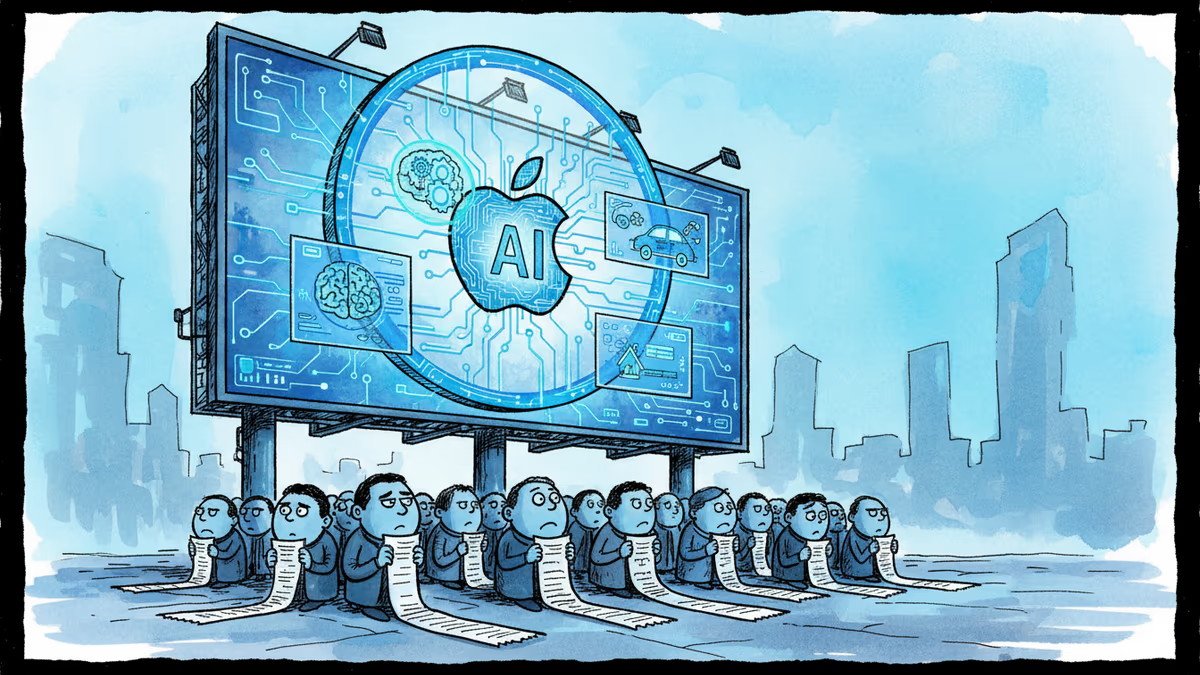
Apple agreed to pay $250 million to settle claims it misled iPhone 16 buyers about Apple Intelligence features. What this means for consumers, Big Tech marketing, and the AI industry.
The FTC fined Cox Media and two ad firms $930,000 — not for actually eavesdropping on users, but for falsely claiming they could. The case raises uncomfortable questions about surveillance capitalism.
A Utah woman was sentenced to life in prison partly because of her Google searches and deleted texts. The Kouri Richins case reveals how digital footprints have become the courtroom's most reliable witness.
After 15 years of fragmented mobile messaging, Apple and Google are rolling out end-to-end encrypted RCS messaging between iPhones and Android devices. Here's what changed, why it took so long, and what it means for your privacy.
Apple agreed to pay $250 million to settle claims it misled iPhone 16 buyers about Apple Intelligence features. What this means for consumers, Big Tech marketing, and the AI industry.
Thoughts
Share your thoughts on this article
Sign in to join the conversation