
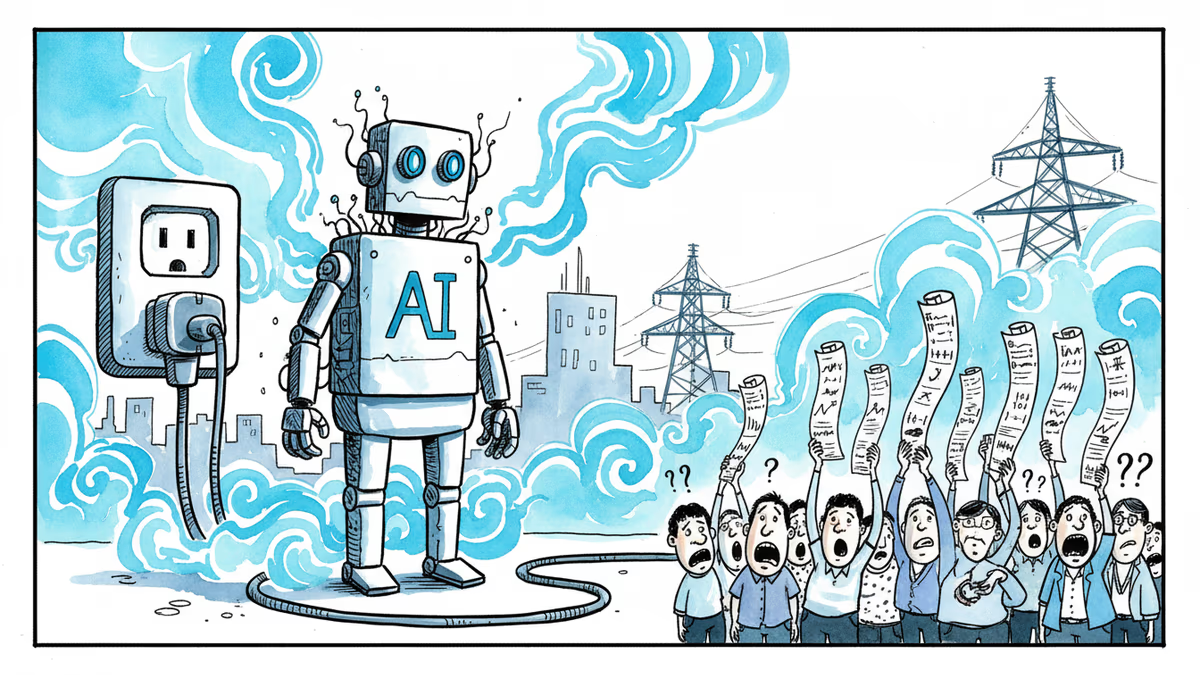
Who Should Pay for AI's Electric Bill?
Anthropic promises to cover 100% of power grid upgrade costs for its data centers, but the debate over how AI companies should handle electricity expenses continues to spark controversy.
$50 billion. That's how much Anthropic plans to spend building data centers in New York and Texas. But the number that's really turning heads isn't about construction costs—it's about electricity bills.
The AI company just promised to pay 100% of the costs needed to connect its data centers to power grids, "including the shares of these costs that would otherwise be passed onto consumers."
The Hidden Cost of AI Progress
Typically, when massive data centers move into town, local residents end up footing part of the bill for power grid upgrades through higher monthly electricity charges. Anthropic's pledge breaks from this industry norm, but it raises a bigger question: who should really pay for AI's massive appetite for electricity?
The stakes are enormous. Running ChatGPT once uses roughly 10 times more electricity than a Google search. As AI models become more sophisticated, that gap is only widening. Some estimates suggest that AI data centers could consume 3-8% of total U.S. electricity by 2030.
The Promise vs. Reality Gap

Anthropic hasn't revealed details about specific agreements with energy companies to fulfill this commitment. That's not surprising—power grid upgrades are notoriously complex, often taking years to complete and frequently exceeding initial cost estimates.
Energy experts are skeptical. "Making promises about cost coverage is easy," says one utility consultant who requested anonymity. "But AI workloads are unpredictable, and actual power demands often differ dramatically from initial projections."
Meanwhile, other tech giants are taking different approaches. Amazon and Google are investing directly in renewable energy projects, essentially building their own power infrastructure rather than relying on existing grids.
The Regulatory Reckoning
Policymakers are watching closely. Some states are considering legislation requiring tech companies to cover infrastructure upgrade costs upfront. Others worry that overly strict requirements could drive AI development overseas.
The European Union is already exploring "digital infrastructure taxes" that would make tech companies contribute to grid modernization. In the U.S., the debate is just beginning, but it's heating up as communities from Virginia to Oregon grapple with surging electricity demand from data centers.
Consumer advocates argue that residents shouldn't subsidize corporate profits through higher utility bills. Industry representatives counter that shared infrastructure benefits everyone and that excessive cost-shifting could slow innovation.
Authors
Related Articles
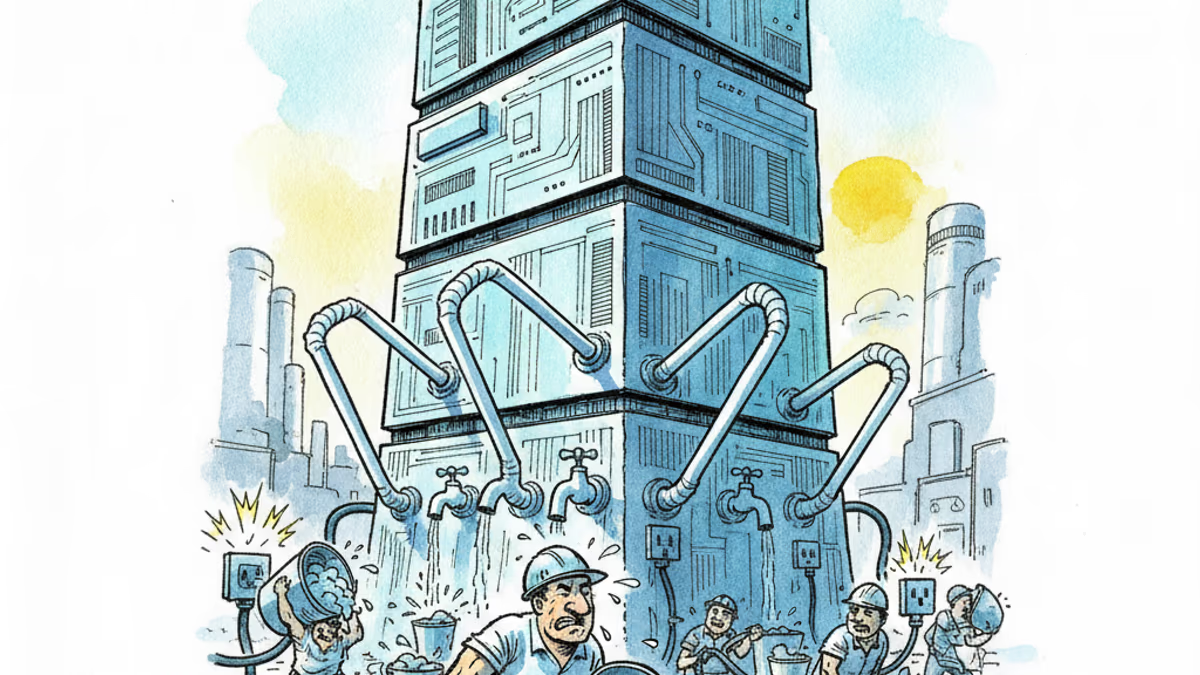
Samsung and SK unveiled a chip and AI investment package worth thousands of trillions of won on June 29. The headline number swings wildly by outlet, but the real contest isn't capital — it's water and power.
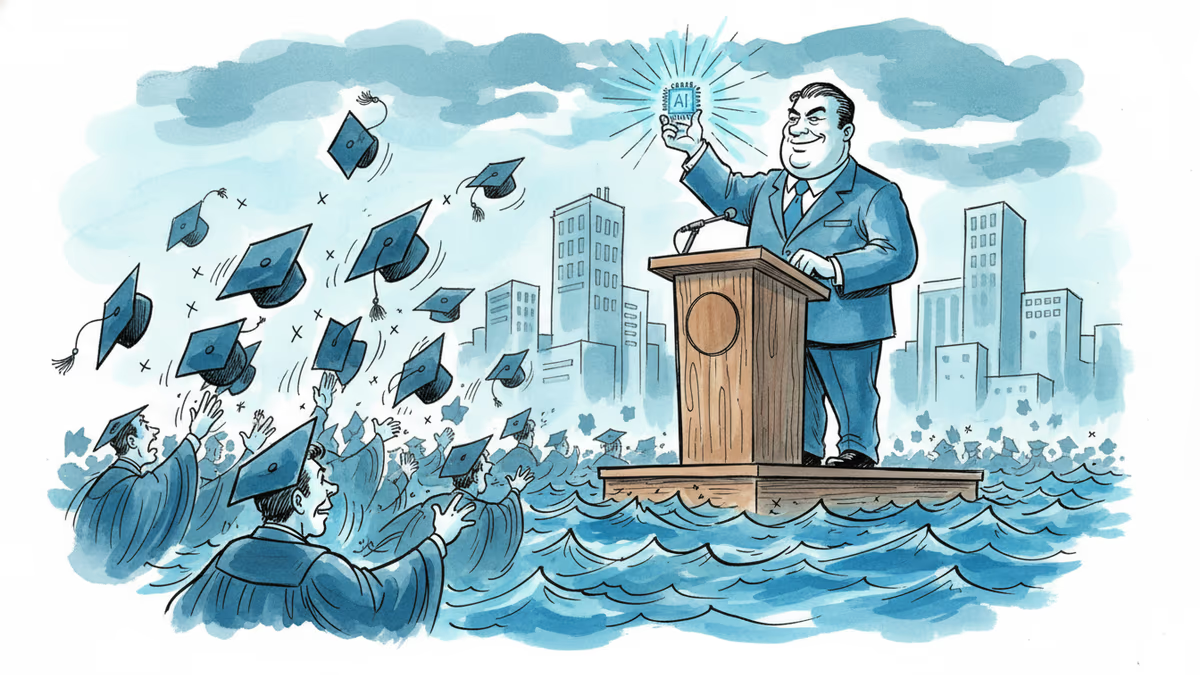
Viral videos show 2026 graduates jeering executives who praise AI at commencement ceremonies. It's not just rudeness — it's a signal about who pays for technological optimism.
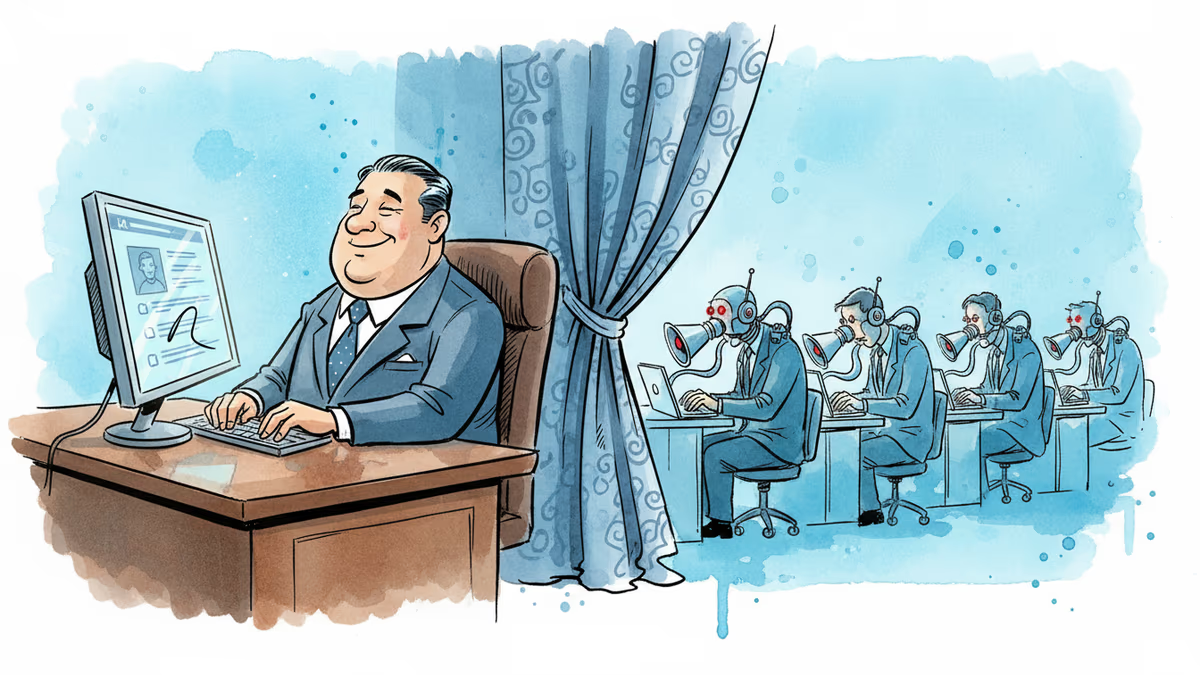
Filipino virtual assistants using AI to ghost-manage LinkedIn profiles for executives is now a structured industry. 30 comments a day, fake engagement rings, and a platform struggling to tell real from fabricated.
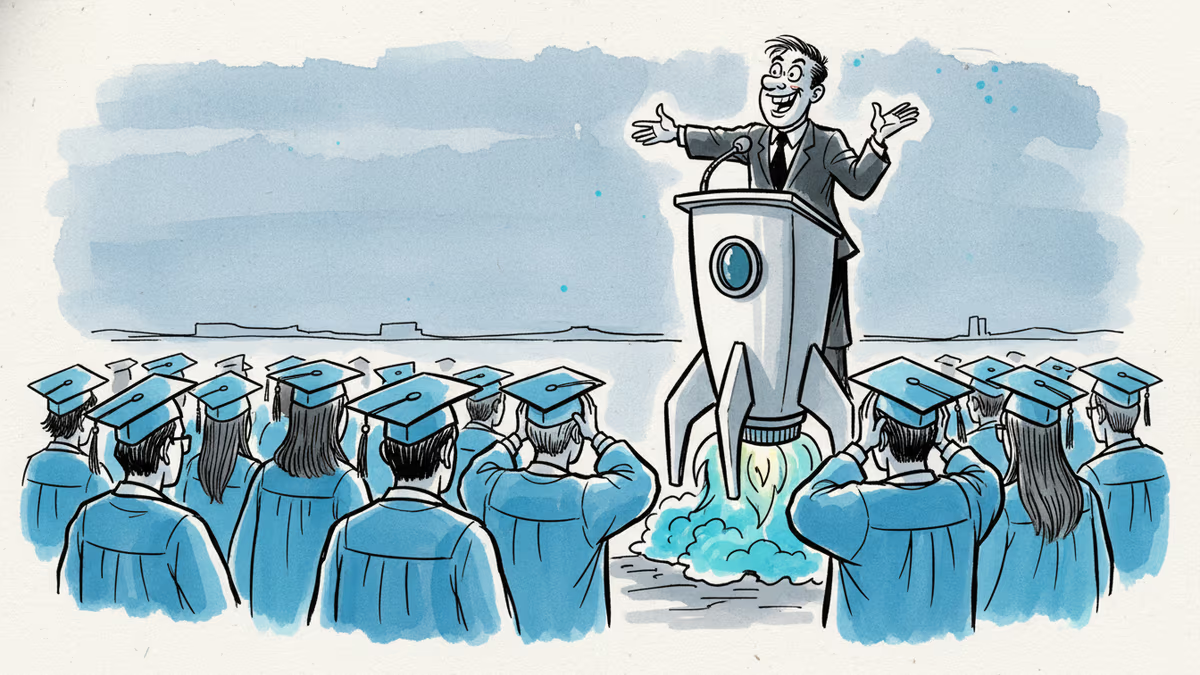
Two commencement speakers learned the hard way that AI enthusiasm doesn't land well with today's graduates. The backlash reveals a widening gap between tech optimism and Gen Z's economic reality.
Samsung and SK unveiled a chip and AI investment package worth thousands of trillions of won on June 29. The headline number swings wildly by outlet, but the real contest isn't capital — it's water and power.
Viral videos show 2026 graduates jeering executives who praise AI at commencement ceremonies. It's not just rudeness — it's a signal about who pays for technological optimism.
Filipino virtual assistants using AI to ghost-manage LinkedIn profiles for executives is now a structured industry. 30 comments a day, fake engagement rings, and a platform struggling to tell real from fabricated.
Two commencement speakers learned the hard way that AI enthusiasm doesn't land well with today's graduates. The backlash reveals a widening gap between tech optimism and Gen Z's economic reality.
Thoughts
Share your thoughts on this article
Sign in to join the conversation